With cardiovascular disease remaining a leading health concern in the United States, routine diagnostic screenings like the lipid panel, or cholesterol test, are more critical than ever for preventive care. While you may know that fasting is often required, a crucial and frequently overlooked factor is the significant impact of your food, drink, and lifestyle choices in the 12-24 hours prior.
Understanding what to eat the night before a cholesterol test is a simple yet powerful way to ensure the accuracy of this vital health snapshot.
Table of Contents
Many patients ask, “What is good to eat the night before a cholesterol test?” and, just as importantly, “What should I avoid?” This comprehensive guide provides an evidence-based, practical plan for your cholesterol test preparation evening meal. Following this night before cholesterol test diet will help you and your doctor get the most precise results possible, leading to better-informed decisions about your heart health.
The Core Concept: Understanding Your Lipid Panel and Why Your Pre-Test Meal Matters
Before diving into specific foods, it’s essential to understand what a cholesterol test measures and why your last meal holds so much sway over its results. Your approach to how to prepare for a cholesterol blood test night before begins with this foundational knowledge.

What Is a Lipid Panel? A Breakdown of Your Cholesterol Numbers
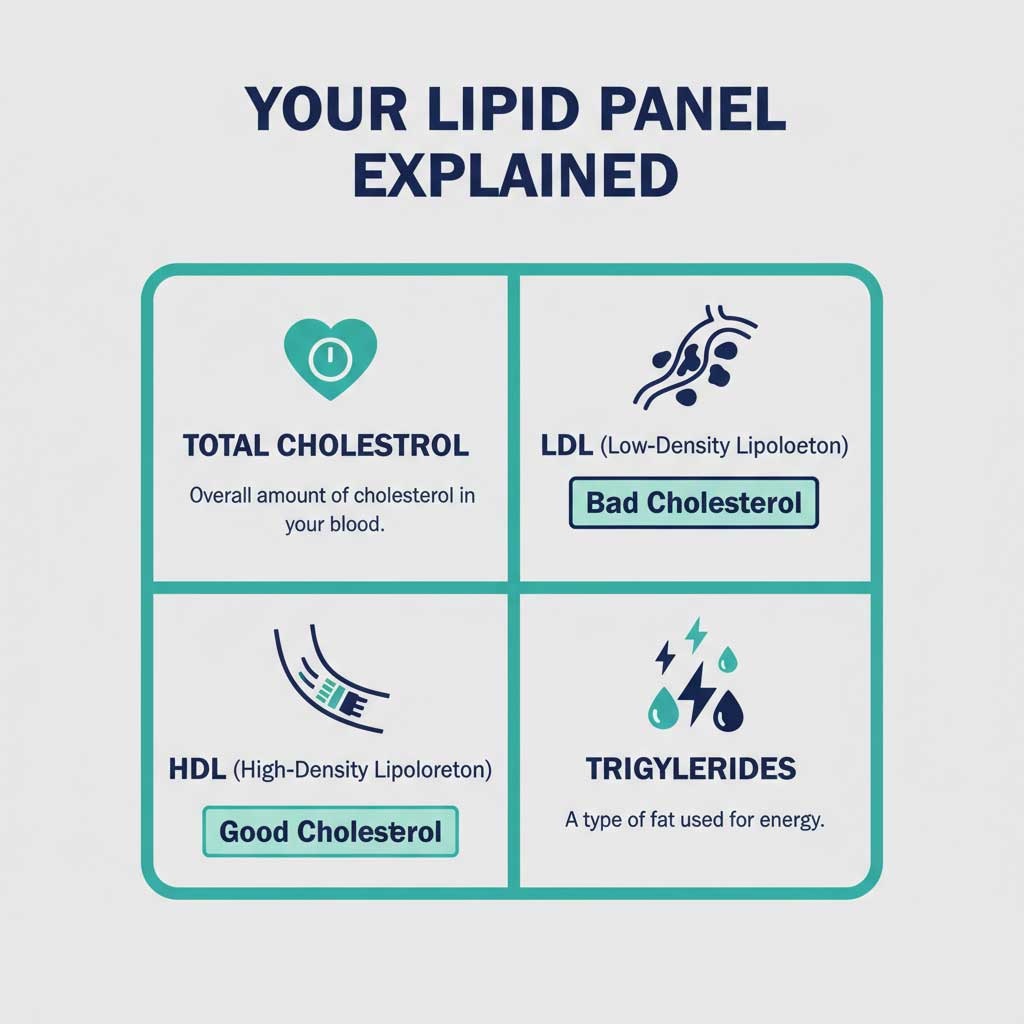
A lipid panel is a blood test that measures the amount of specific fat molecules, called lipids, in your blood. According to the Centers for Disease Control and Prevention (CDC), this panel typically includes four key measurements that provide a detailed picture of your cardiovascular health.
- Total Cholesterol: This is the overall amount of cholesterol in your blood, combining LDL, HDL, and other lipid components.
- Low-Density Lipoprotein (LDL): Often called “bad” cholesterol, high levels of LDL can lead to the buildup of fatty plaques in your arteries, a condition known as atherosclerosis. This buildup narrows the arteries and increases your risk for heart attack and stroke.
- High-Density Lipoprotein (HDL): Known as “good” cholesterol, HDL helps carry LDL cholesterol away from the arteries and back to the liver, where it is broken down and removed from the body.
- Triglycerides: This is a type of fat found in your blood that your body uses for energy. High triglyceride levels, combined with high LDL or low HDL, can significantly increase your risk of cardiovascular disease.
Your cholesterol test fasting and meal night before primarily influences the triglyceride reading, but this can have a cascading effect on the interpretation of your overall risk.
How a Single Meal Can Temporarily Skew Your Test Results
Your body is in a constant state of processing what you consume. After you eat, your blood experiences a temporary increase in lipids, a state known as postprandial lipemia. This effect is especially pronounced after a meal high in fat or refined sugars.
The impact of a high-fat meal on LDL and triglyceride reading is significant. Such a meal can cause a dramatic, short-term spike in triglycerides that can take many hours to clear from your bloodstream. Research published in medical journals like PubMed Central confirms that recent food intake can substantially alter lipid profiles, particularly triglycerides. If your blood is drawn during this spike, your results won’t reflect your body’s typical, or baseline, lipid state.
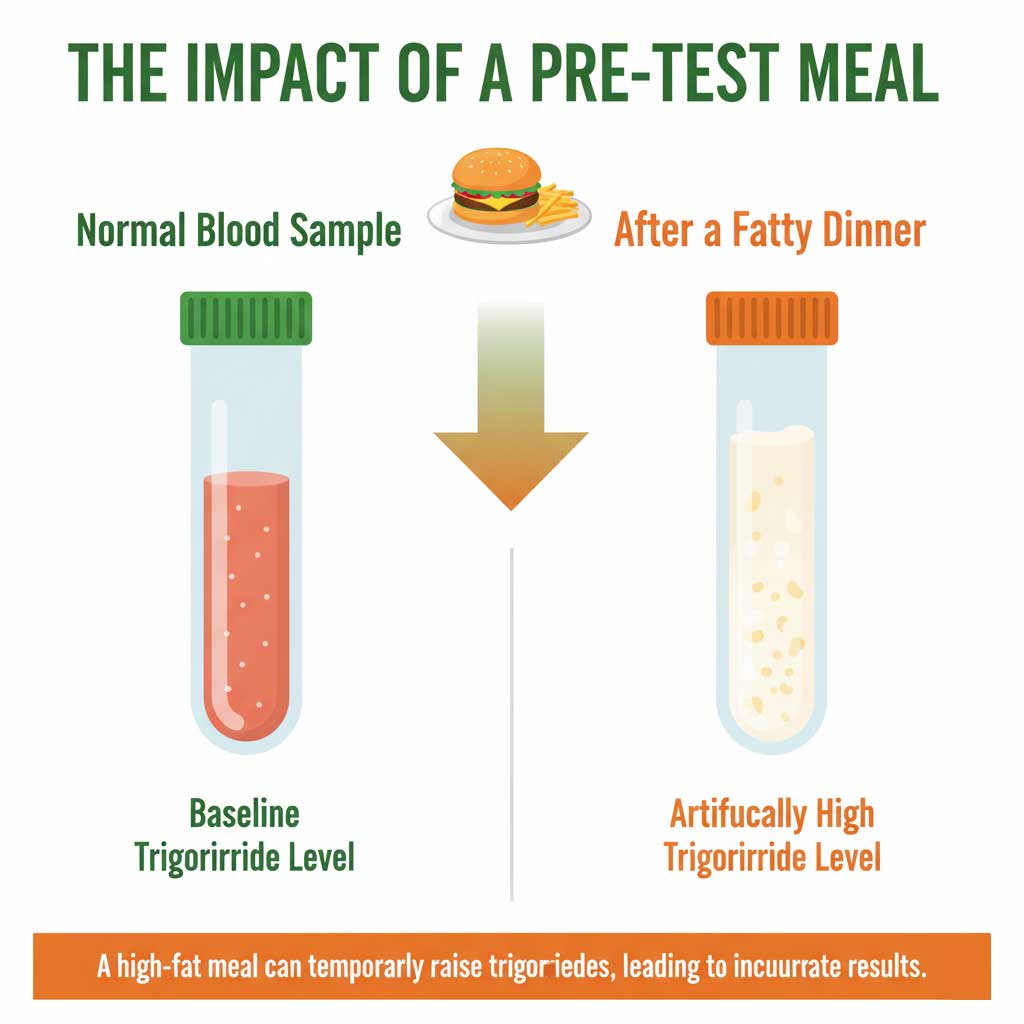
Patient Case Study: The Impact of a High-Fat Dinner on Triglyceride Reading
Consider an anonymized but common clinical scenario: a 45-year-old male, scheduled for a routine wellness check, ate a large dinner of pizza and chicken wings the evening before his lipid panel. His test results came back with alarmingly high triglyceride levels, prompting concern from his physician about metabolic syndrome.
However, upon discussing his night before cholesterol test diet, the issue became clear. The doctor ordered a re-test a week later, this time with strict instructions on what to eat the night before a cholesterol test. After a simple meal of baked fish and vegetables, his new results showed normal triglyceride levels, avoiding unnecessary anxiety and further medical interventions. This illustrates how crucial the cholesterol test preparation evening meal truly is.
Latest Medical Insights: The Evolving Guidelines on Fasting
For decades, a strict fast was the undisputed rule. However, medical understanding has evolved, leading to updated cholesterol screening test preparation guidelines USA. This has created some confusion around fasting vs non-fasting cholesterol test preparation.
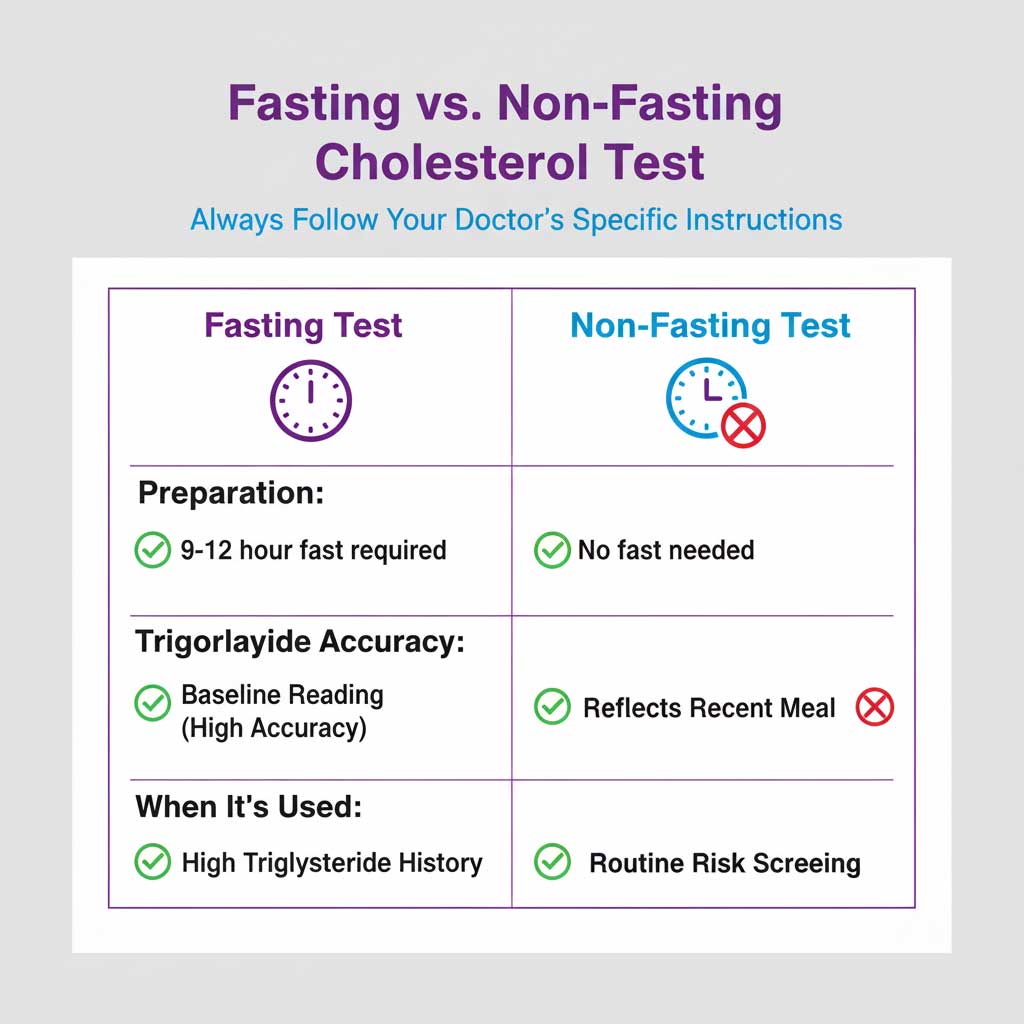
The Traditional 9-12 Hour Fasting Rule: Why It Was Standard Practice
The historical medical reasoning for a 9-to-12-hour fast was to achieve the most stable and accurate triglyceride measurement possible. By eliminating the variable of a recent meal, doctors could get a clear baseline reading. The National Heart, Lung, and Blood Institute (NHLBI) long held this as the gold standard for lipid panel testing.
The Shift to Non-Fasting Cholesterol Tests: What the Latest Research Shows
More recently, major health bodies have updated their recommendations. Landmark 2018 guidelines from the American College of Cardiology (ACC) and the American Heart Association (AHA) suggest that for many adults, a non-fasting test is perfectly suitable for initial cardiovascular risk assessment.
Research shows that while triglyceride levels can vary with recent food intake, LDL and HDL levels remain relatively stable. For many patients, a non-fasting test provides enough information to make an initial risk assessment. This change also improves patient convenience and compliance.
Fasting vs. Non-Fasting Cholesterol Test: A Comparison
Understanding the differences helps clarify why your doctor may choose one over the other. The conversation around fasting vs non-fasting cholesterol test preparation is about balancing accuracy with practicality.
| Feature | Fasting Cholesterol Test | Non-Fasting Cholesterol Test |
| Preparation | Requires 9-12 hours of no food or drink (except water). | No fasting required, but a heavy, high-fat meal should still be avoided. |
| Triglyceride Accuracy | Provides a baseline (fasting) triglyceride level, considered most accurate. | Triglyceride level reflects a recent meal’s impact (postprandial). |
| Ideal Use Case | Initial testing, monitoring patients with high triglycerides, or before starting certain medications. | Routine cardiovascular risk screening for many adults without known lipid disorders. |
| Recommended By | Traditional standard; still required by many labs and for specific follow-up tests. | American College of Cardiology (ACC), American Heart Association (AHA) for many scenarios. |
When Is Fasting Still Necessary?
Even with the new guidelines, there are specific situations where your doctor will still require a fasting test to ensure maximum accuracy. These include:
- If you have a known history of high triglycerides (hypertriglyceridemia).
- If you are being screened for metabolic syndrome.
- Before you begin taking certain cholesterol-lowering medications, like statins.
- If a previous non-fasting test showed very high triglyceride levels (e.g., over 400 mg/dL).
Always confirm the specific cholesterol test fasting and meal night before instructions with your healthcare provider.
Practical Strategies: Your Step-by-Step Meal Plan for the Night Before
This is the most critical part of how to prepare for a cholesterol blood test night before. The goal is a light, balanced, and low-fat meal that won’t interfere with your results.
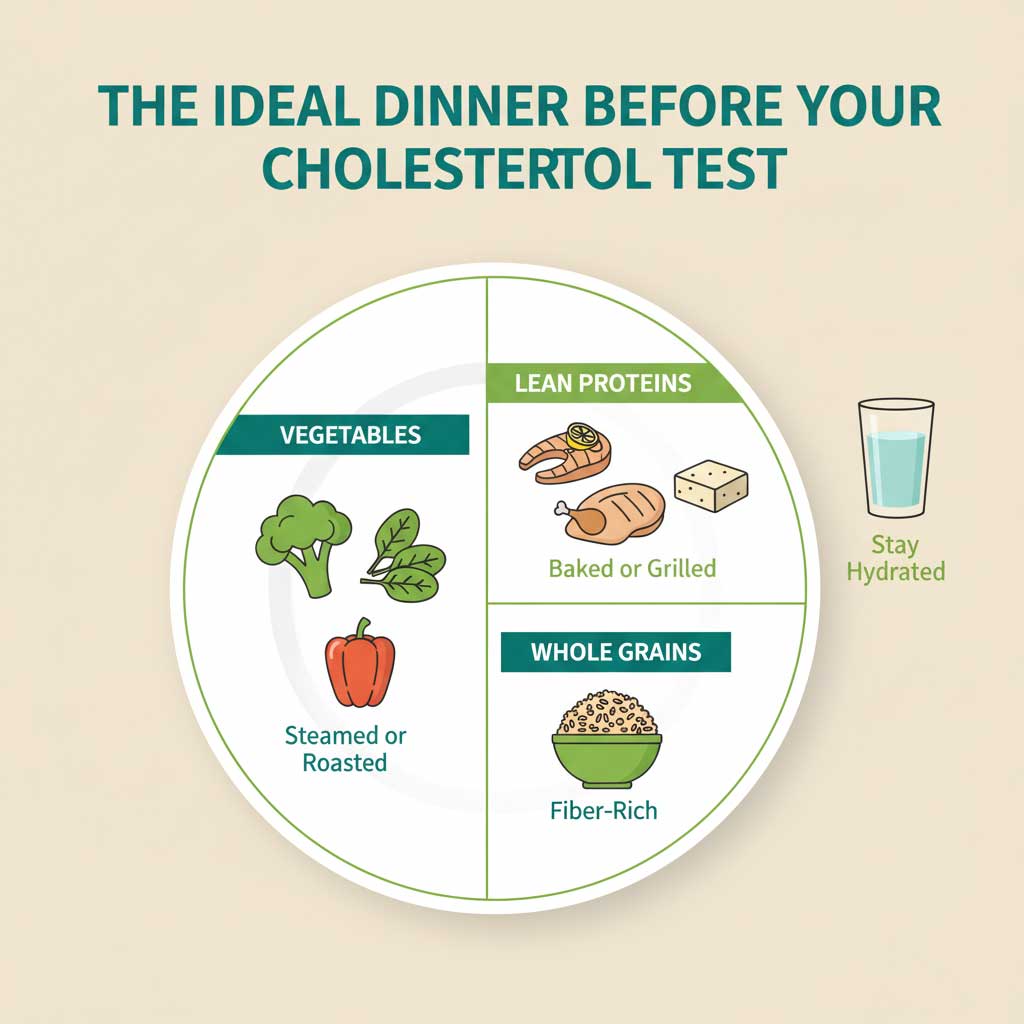
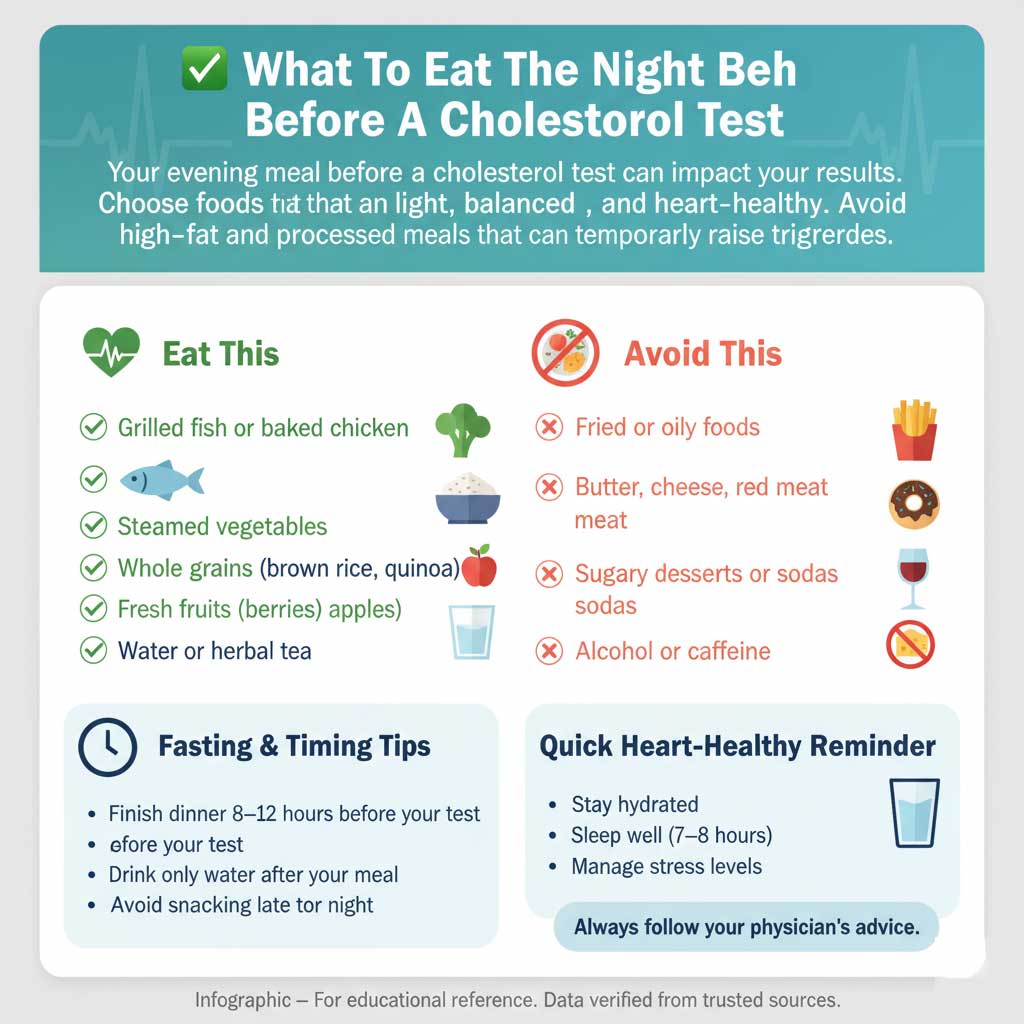
What to Eat the Night Before a Blood Test for Cholesterol: Your “Safe Foods” List
When deciding what to eat the night before a cholesterol blood test, focus on whole, unprocessed foods. Here are some excellent evening meal ideas for lipid panel preparation.
- Lean Proteins: These are digested efficiently without a large lipid spike.
- Skinless chicken or turkey breast (baked, grilled, or poached)
- Fish (especially those rich in omega-3s like salmon, cod, or tilapia)
- Plant-based options like tofu, lentils, or beans
- Whole Grains: The fiber in whole grains can aid in managing cholesterol.
- Quinoa
- Brown rice
- Whole-wheat pasta (in a small portion with a light sauce)
- Oats
- Vegetables: Almost all vegetables are a great choice.
- Leafy greens (spinach, kale, arugula)
- Steamed broccoli or asparagus
- Roasted bell peppers or zucchini
- A large salad with a light vinaigrette dressing
- Healthy Fats (in strict moderation):
- A quarter of an avocado
- A teaspoon of olive oil used for roasting vegetables
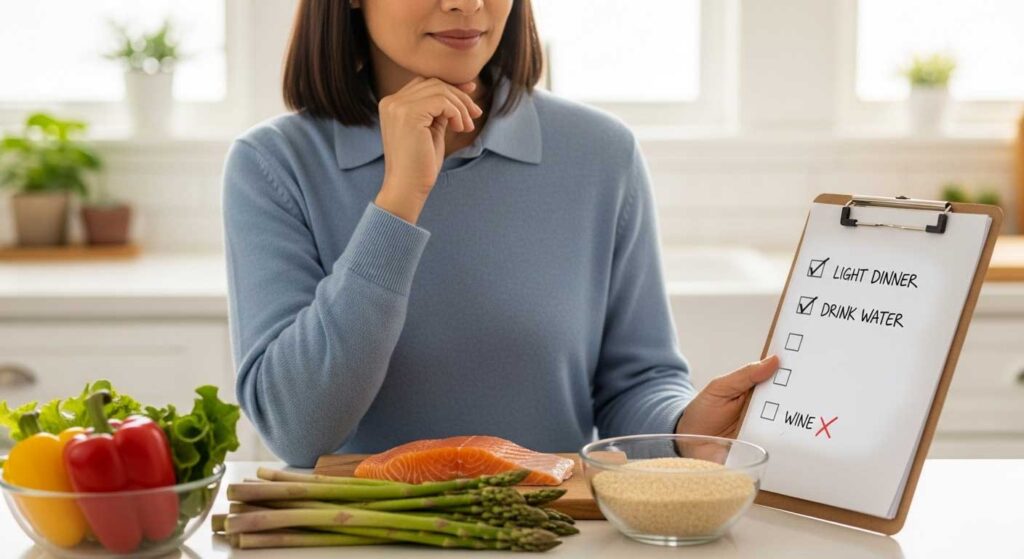
A healthy dinner before cholesterol blood test might consist of a 4-ounce piece of grilled salmon, a half-cup of quinoa, and a cup of steamed asparagus. This is a perfect example of a balanced cholesterol test preparation evening meal.
What Not to Eat the Night Before a Cholesterol Test: Foods That Can Skew Results
Equally important to knowing what to eat the night before a cholesterol test is knowing what not to eat before a cholesterol test. You should avoid these foods for at least 24 hours prior to your blood draw.
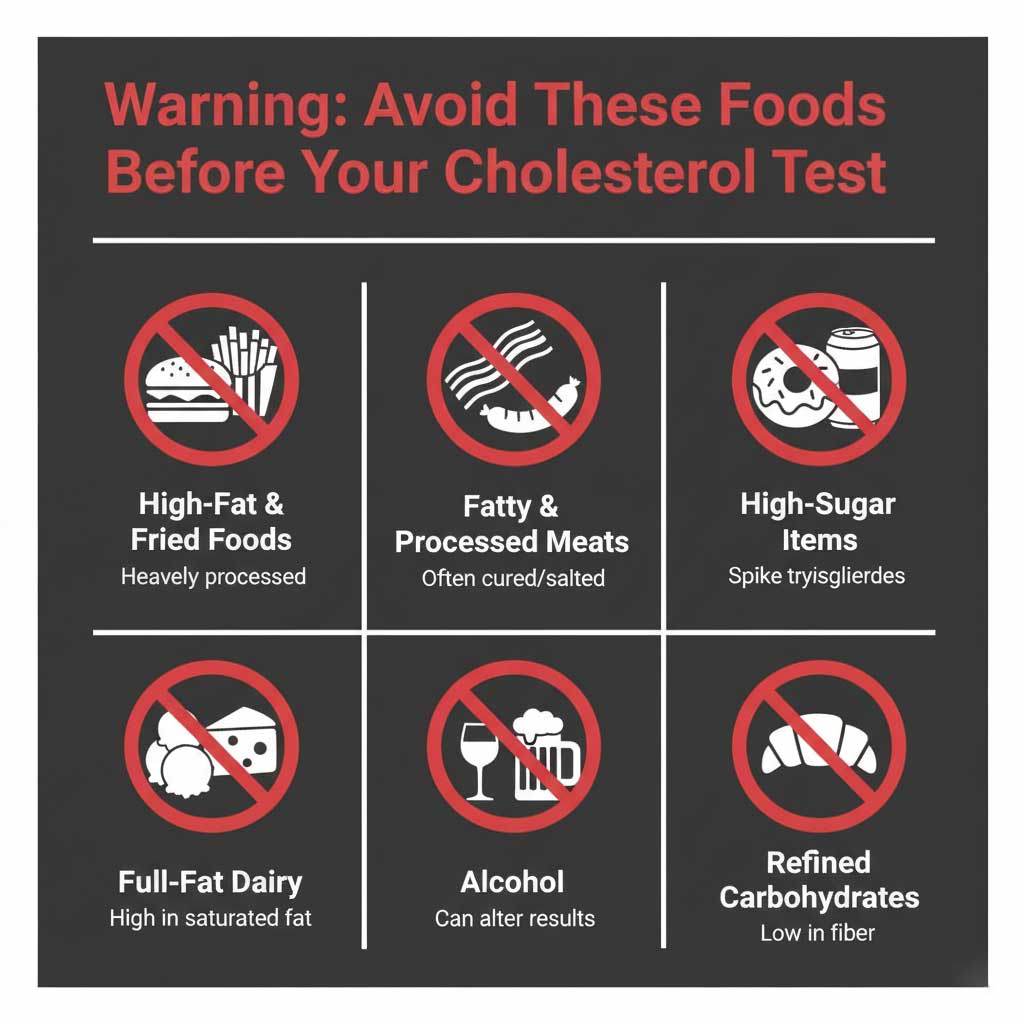
- High-Fat & Fried Foods: These are the biggest culprits for triglyceride spikes. Avoid French fries, pizza, cheeseburgers, fried chicken, and anything with creamy sauces or heavy gravies.
- Fatty & Processed Meats: Stay away from bacon, sausage, ribs, and heavily marbled cuts of steak.
- High-Sugar Items: Sugary foods and drinks can also raise triglycerides. This includes desserts, candy, soda, and sweetened juices.
- Full-Fat Dairy: Whole milk, full-fat cheese, ice cream, and butter should be avoided.
- Alcohol: Does drinking alcohol the night before a cholesterol test affect results? Absolutely. Alcohol is processed by the liver and can cause a significant, temporary increase in triglyceride production.
- Refined Carbohydrates: Large portions of white bread, white pasta, and pastries can also contribute to elevated triglycerides.
Following this list of foods to avoid the night before lipid panel is a key part of your preparation.
Short-Term “Fixes” vs. Long-Term Health: Can You Quickly Lower Cholesterol Before a Test?
A common question is how to lower cholesterol before a test, with some hoping for a quick fix in the days leading up to their screening. It’s crucial to understand that a proper night before cholesterol test diet is about ensuring accuracy, not about making a last-minute change to your underlying cholesterol levels.
True cholesterol reduction is a long-term process. Meaningful, sustainable changes to LDL cholesterol through diet and exercise typically take several weeks, if not months, to appear in blood work. You cannot fundamentally alter your cholesterol profile in 7 days. The focus should be on providing an accurate baseline, not an artificially lowered one.
Comparison Table: Foods to Eat vs. Foods to Avoid
For a quick reference on your cholesterol test preparation evening meal, use this chart.
| Food Category | ✅ Eat This (Recommended) | ❌ Avoid This (Can Skew Results) |
| Proteins | Baked Fish, Grilled Chicken, Tofu, Lentils | Fried Chicken, Fatty Red Meat, Bacon, Sausage |
| Carbohydrates | Brown Rice, Quinoa, Whole-Wheat Bread, Oats | White Bread, Pastries, Sugary Cereals, French Fries |
| Beverages | Water, Herbal Tea (unsweetened) | Alcohol, Soda, Sugary Juices, Milkshakes |
| Fats | Avocado, Olive Oil, Nuts, Seeds (in small amounts) | Butter, Creamy Sauces, Full-Fat Mayonnaise, Lard |
Beyond Food: Hydration, Drinks, and Other Critical Prep Tips
Your preparation extends beyond just your dinner plate. What you drink—and don’t drink—also plays a vital role.
The Role of Hydration: Does Drinking Water Flush Out Cholesterol?
Let’s address this common myth directly: Does drinking water flush out cholesterol? No, it does not. Cholesterol is a fatty substance that is transported in the bloodstream and processed by the liver; it cannot be “flushed out” with water in the way that water-soluble toxins can.
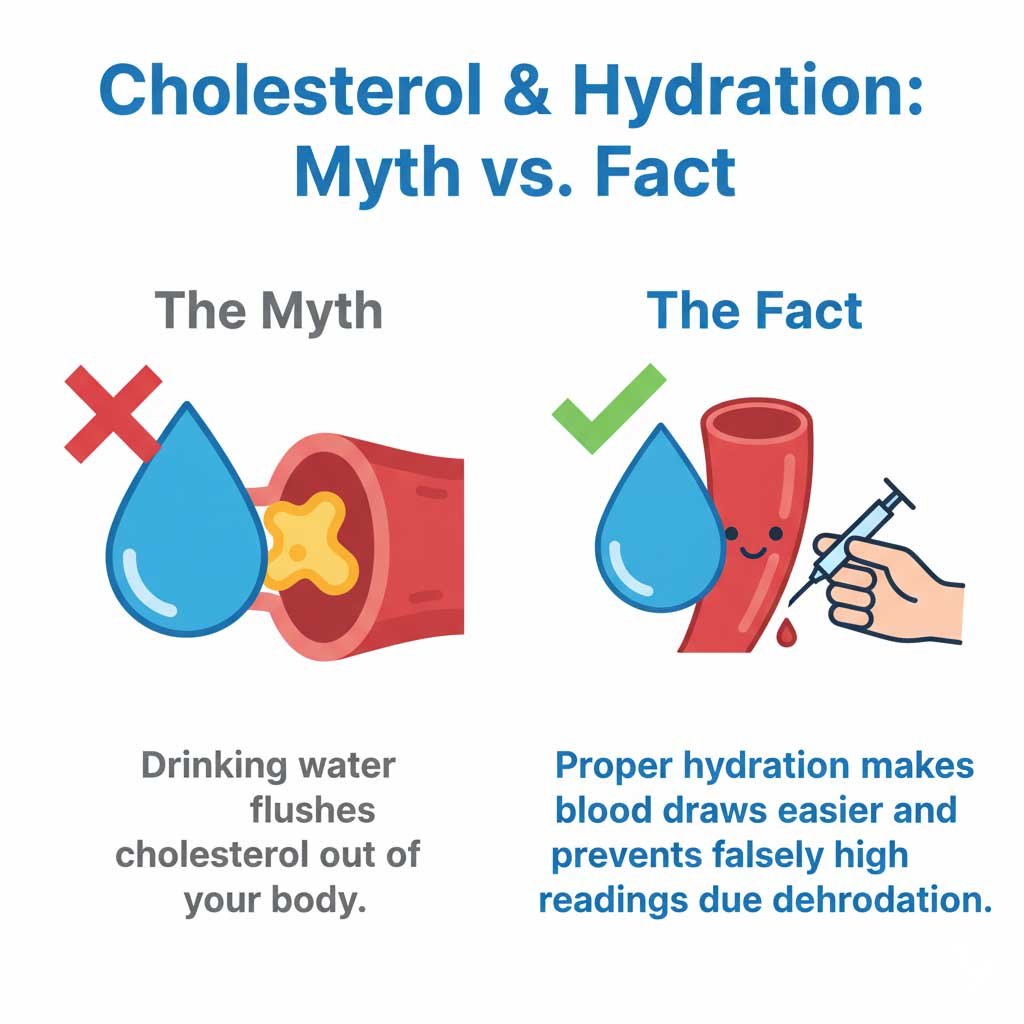
However, proper hydration is still incredibly important. Being well-hydrated makes your veins more accessible, which helps the phlebotomist perform a smooth and quick blood draw. Dehydration can lead to hemoconcentration (a decrease in blood plasma volume), which can falsely elevate some test results. So, while water doesn’t flush cholesterol, it’s essential for an accurate test.
What Can I Drink to Lower Cholesterol? Debunking “Flushing” Myths
Many people search for what can I drink to flush out my cholesterol. The truth is no single drink can magically flush cholesterol from your body. However, certain beverages can support long-term heart health and contribute to lower cholesterol over time as part of a balanced diet.
These include green tea (rich in antioxidants called catechins), soy milk (contains plant-based proteins and isoflavones), and drinks rich in soluble fiber like oat milk or psyllium husk mixed with water. These support your body’s natural processes but do not act as a rapid “flush.”
The Question of Coffee and Other Beverages
Can I drink coffee the night before a cholesterol test? It’s best to avoid it, especially if you are required to fast. While a cup of black coffee is unlikely to have a major impact, the caffeine can have a slight metabolic effect. More importantly, coffee with cream and sugar is a definite “no,” as the fat and sugar will interfere with your results. Stick to plain water.
Summary & Key Takeaways: Your Checklist for an Accurate Cholesterol Test
Properly preparing for your cholesterol screening is simple. By focusing on your night before cholesterol test diet, you empower yourself and your doctor with the most accurate data.
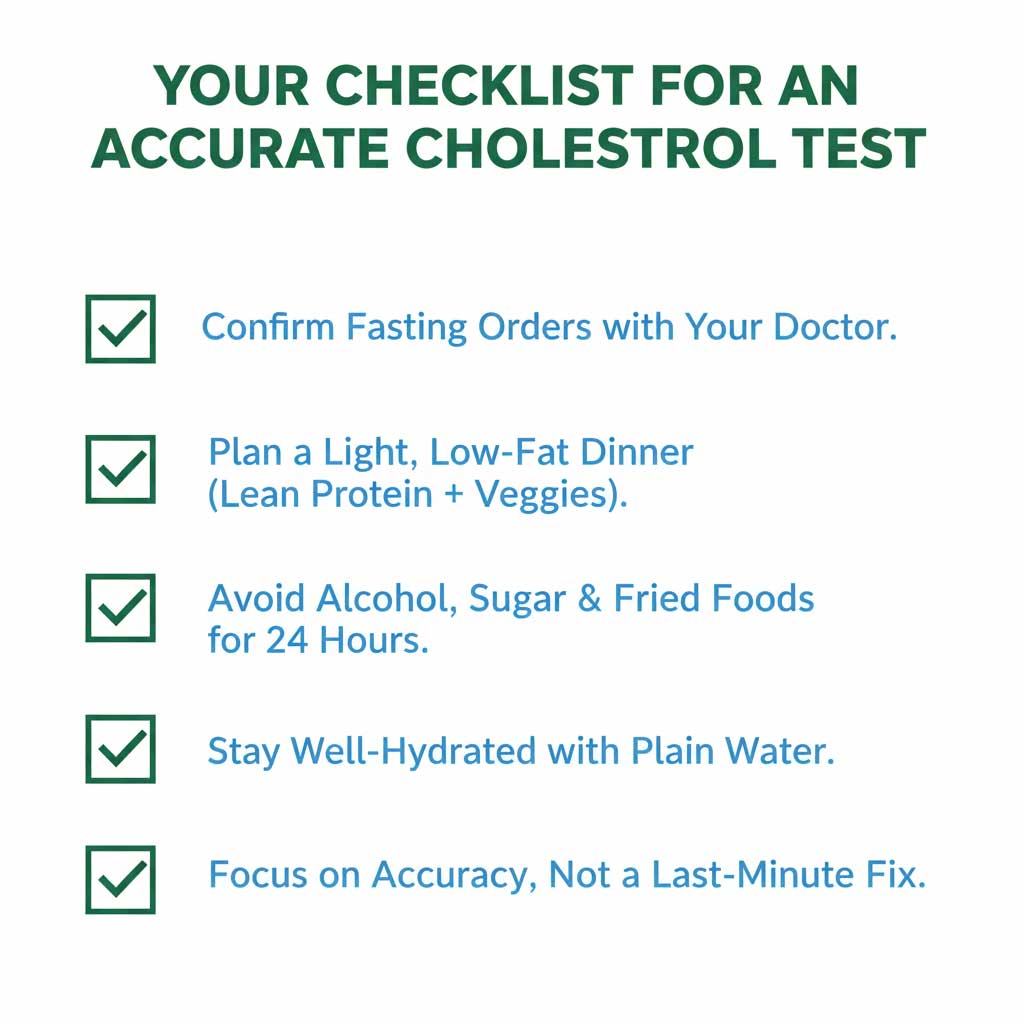
- Confirm Your Orders: Always double-check with your provider whether you need a fasting or non-fasting test.
- Plan Your Dinner: The best approach for what to eat the night before a cholesterol test is a light, low-fat meal. Choose lean protein, whole grains, and plenty of vegetables.
- Know What to Avoid: Steer clear of alcohol, sugar, fried foods, and fatty meats for at least 24 hours. This list of what not to eat before a cholesterol test is critical.
- Stay Hydrated with Water: Drink plenty of plain water to stay hydrated for an easy blood draw.
- Focus on Accuracy, Not Quick Fixes: Remember that the goal is to get a true picture of your health, not to artificially lower your numbers for one day.
By following this guide on what to eat the night before a cholesterol test, you take a proactive and crucial step toward accurately managing your cardiovascular health.
Frequently Asked Questions (FAQ) Section
What is a good, simple meal to eat the night before a cholesterol test?

A simple, ideal meal is a 4-ounce baked salmon fillet, a half-cup of quinoa, and a generous portion of steamed broccoli. This meal is low in unhealthy fats and high in nutrients, making it a perfect cholesterol test preparation evening meal.
What should I absolutely not eat the night before a cholesterol test?

The most important foods to avoid are those high in saturated fat, sugar, and alcohol. This includes fried foods, fatty cuts of red meat, pizza, creamy desserts, soda, and any alcoholic beverages. These can all artificially elevate your triglyceride levels.
Is it possible to lower my cholesterol in just 7 days before a test?

No, it is not possible to significantly lower your baseline LDL (“bad”) cholesterol in just one week. True cholesterol reduction takes weeks or months of consistent lifestyle changes. The goal of pre-test preparation is to ensure accuracy, not to attempt a last-minute fix.
How long does it actually take to lower cholesterol with diet?

Consistent, heart-healthy dietary changes, such as increasing soluble fiber and reducing saturated fat, typically start to show a noticeable effect on cholesterol levels within 4 to 12 weeks.
Does drinking a lot of water flush out cholesterol before my test?

No. This is a common misconception. Water is crucial for hydration, which makes your blood draw easier, but it cannot directly flush the fatty substance of cholesterol from your arteries or bloodstream.
Can a lack of water cause high cholesterol on a test?

Yes, indirectly. Severe dehydration can cause hemoconcentration, where the liquid portion of your blood (plasma) decreases. This makes the components within your blood, including cholesterol, appear more concentrated and can lead to falsely elevated readings.
Can I drink coffee before a fasting cholesterol test?

No. During a designated fasting period, you should only consume plain water. Even black coffee can stimulate your metabolism and digestive system, potentially affecting the baseline accuracy of your results.
Will one glass of wine the night before my test affect my results?

Yes, it very likely will. Alcohol is processed by the liver and can cause a significant, temporary increase in triglyceride production. It is strongly recommended to avoid all alcohol for at least 24 hours before your test for the most accurate results.
If I ate a high-fat dinner last night, should I reschedule my test?

It is best to be honest with your doctor or the lab. A high-fat meal will likely elevate your triglycerides, leading to a less accurate result. They may advise you to reschedule the test to ensure the readings are a true reflection of your baseline health.
Does exercise the day before a cholesterol test impact the results?

Strenuous or unusual exercise the day before your test can sometimes affect liver enzymes and may slightly alter cholesterol levels. It is generally recommended to stick to your usual activity level and avoid an intense workout right before your screening.
Can I take my daily supplements the morning of my cholesterol test?

You should ask your doctor. While most are fine, some supplements, like fish oil or high-dose niacin, can directly affect your lipid levels. It’s always safest to confirm with your provider which medications and supplements to take or postpone.
Why are my triglycerides high even when I follow the night-before diet?

If you have consistently high triglycerides despite proper test preparation, it may indicate an underlying genetic predisposition, a different health condition like metabolic syndrome or thyroid issues, or reflect your broader dietary and lifestyle habits. It’s an important finding to discuss with your doctor.