A doctor hands you a lab order form with the word “FASTING” circled, sparking immediate questions and a bit of anxiety. What does it mean? Can you have water? What about your morning coffee? Understanding the rules for fasting blood work is a critical part of ensuring your diagnostic tests are accurate, and it’s a key step in taking a proactive role in your own preventive care.
Table of Contents
This guide serves as a definitive resource on which blood tests require fasting and for how long. The information, based on current medical guidelines, aims to demystify the process for patients. Knowing the right way to prepare for your fasting labs empowers you to contribute to your own healthcare journey, preventing the need for repeat tests and ensuring your doctor gets a clear, accurate picture of your metabolic health.
The Core Concept: Why Fasting is Crucial for Accurate Blood Work
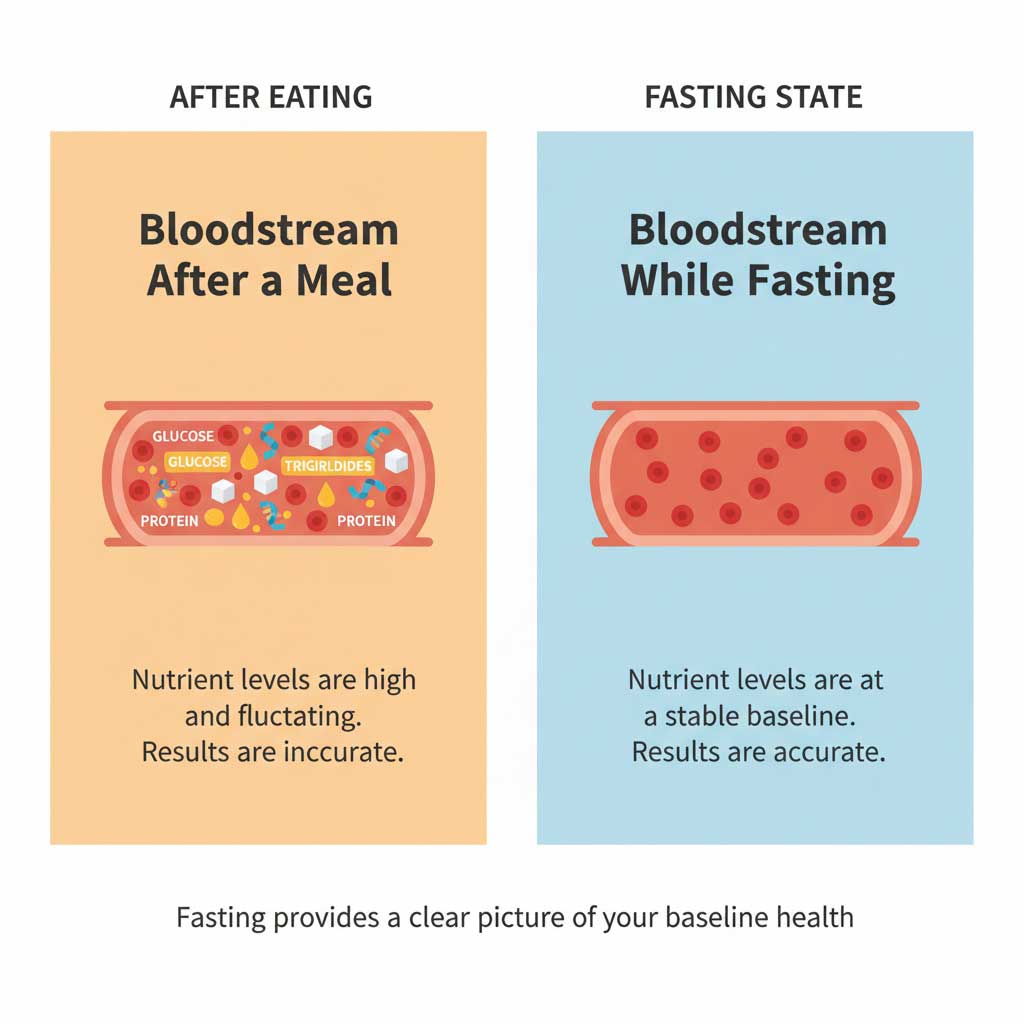
To understand why some lab tests require an empty stomach, it’s important to know what happens inside your body after you eat. This basic physiological knowledge helps clarify why following pre-test instructions is not just a suggestion, but a necessity for reliable results.
What Happens in Your Body After You Eat?
When you consume food and beverages, your digestive system breaks them down into their essential components. Carbohydrates are converted into glucose (sugar), fats become lipids (including triglycerides), and proteins are broken down into amino acids. These nutrients are then absorbed into your bloodstream to be transported throughout your body for energy and cellular repair.
This natural process temporarily and sometimes dramatically elevates the levels of these substances in your blood. For instance, data from medical research shows that triglyceride levels can increase by 50% or more for several hours after a high-fat meal. If your blood is drawn during this window, the results of common fasting blood tests would be artificially high and not reflective of your true baseline health.
The “Fasting State”: What Does It Mean Medically?

The “fasting state” is a period, typically lasting 8 to 12 hours, where you abstain from all food and caloric beverages. This allows your body enough time to fully digest and process any recent meals, letting your blood chemistry return to its natural, resting baseline. It is this stable, basal state that doctors need to measure for an accurate assessment.
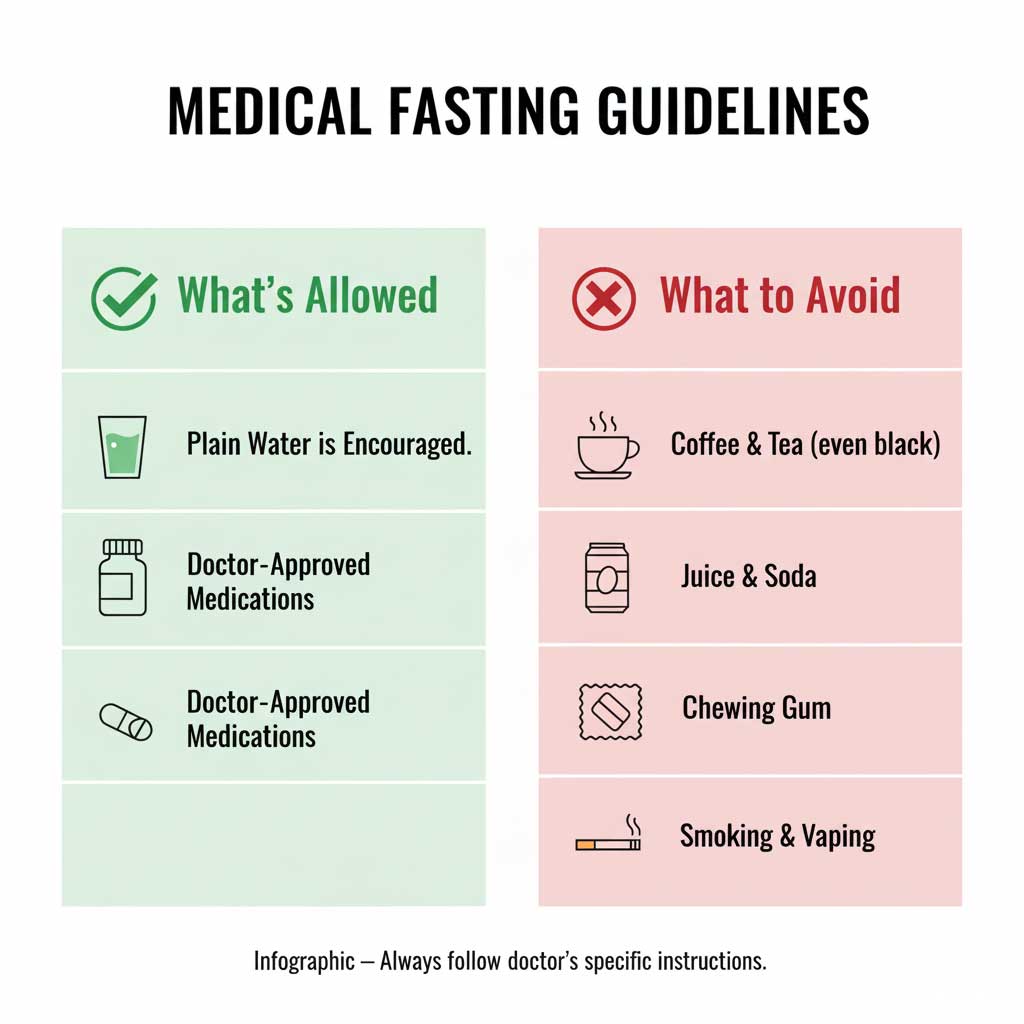
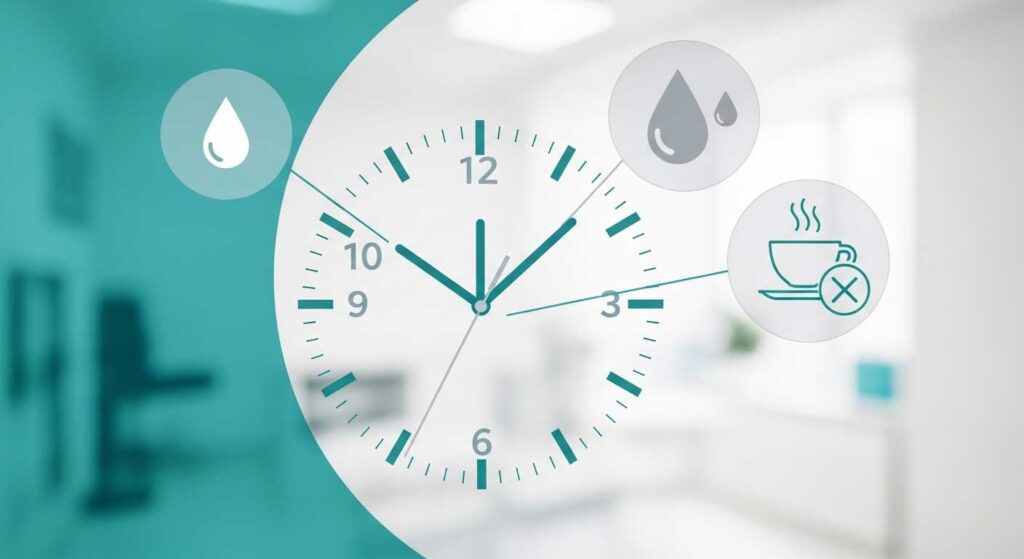
During fasting blood work, plain water is not only allowed but encouraged, as it helps you stay hydrated and can make the blood draw easier. However, other drinks, including coffee, tea, and diet soda, are not permitted. Even zero-calorie drinks like black coffee can stimulate your metabolism and hormone release, potentially skewing results. Major labs like Quest Diagnostics and LabCorp have strict guidelines defining this state to ensure nationwide consistency in testing.
A Comprehensive List of Common Fasting Blood Tests
Your healthcare provider will always give you specific instructions, but understanding the purpose and requirements of these tests can help you prepare effectively. Knowing how long to fast for a blood test is crucial, as the duration can vary.
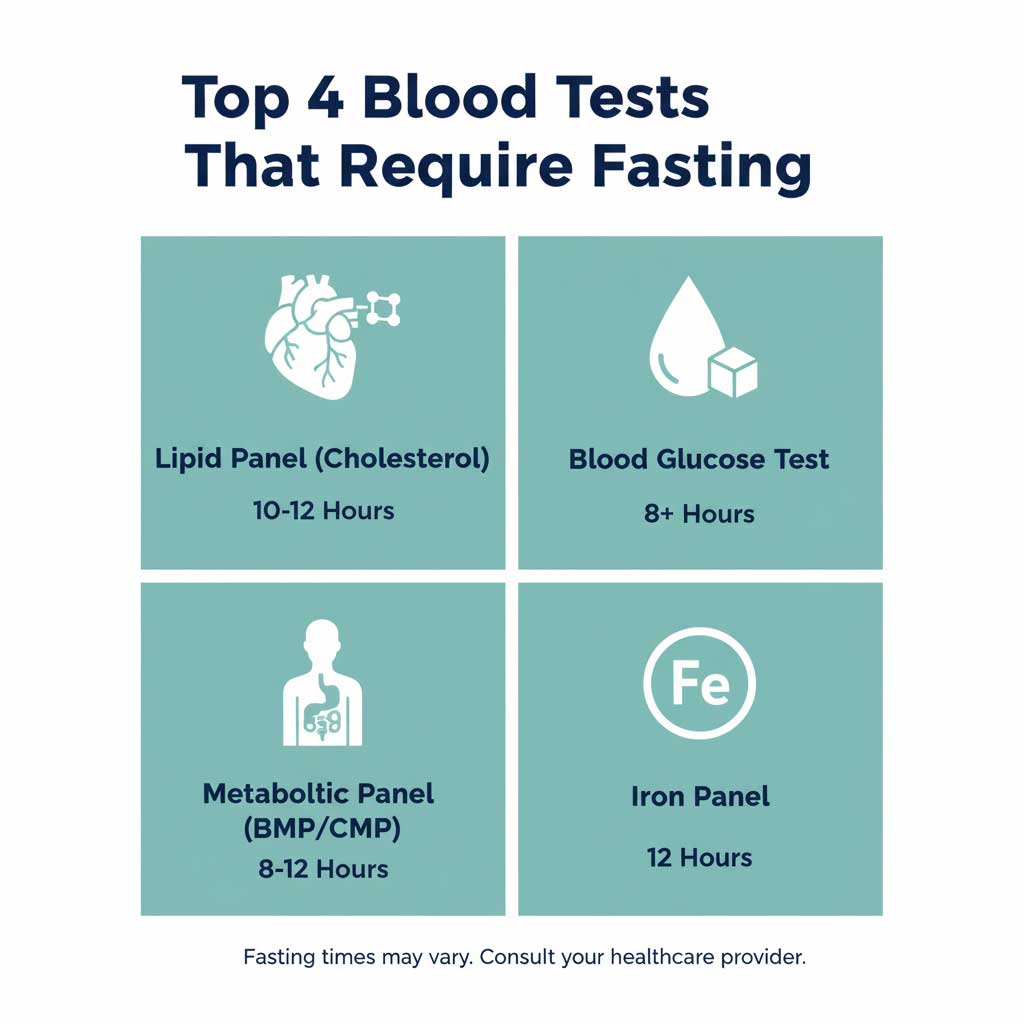
Quick Reference Table: Fasting Requirements at a Glance
For a quick summary, this table outlines some of the most common fasting blood tests and their standard requirements. This is a helpful starting point before diving into the details of each test.
| Blood Test Name | What It Measures | Required Fasting Time | Common Purpose |
| Lipid Panel / Cholesterol Test | Total Cholesterol, LDL, HDL, and Triglycerides | 10-12 Hours | To assess cardiovascular disease risk. |
| Fasting Blood Glucose | Glucose (sugar) levels in the blood | 8 Hours | To diagnose and monitor prediabetes and diabetes. |
| Metabolic Panel (BMP / CMP) | Glucose, Electrolytes, Kidney & Liver function | 8-12 Hours | A broad screening tool for overall metabolic health. |
| Iron Panel | Iron levels, ferritin, and transferrin | 12 Hours (Overnight) | To diagnose anemia or iron overload conditions. |
| Vitamin B12 Test | Levels of Vitamin B12 in the blood | 8 Hours (Often recommended) | To diagnose a potential B12 deficiency. |
| Gamma-Glutamyl Transferase (GGT) | A liver enzyme | 8 Hours | To assess liver function, often related to alcohol use. |
Tests for Metabolic Health and Diabetes Screening
Metabolic health is a cornerstone of overall wellness, and several blood tests that require fasting are designed to assess it.
Fasting Blood Glucose Test
- Purpose: This is the primary test used to screen for and diagnose prediabetes and diabetes.
- Fasting Requirement: The standard glucose test fasting hours are a minimum of 8 hours.
- What it Measures: This test measures the amount of glucose in your blood after an overnight fast, providing a clear indication of how your body manages blood sugar without the immediate influence of food.
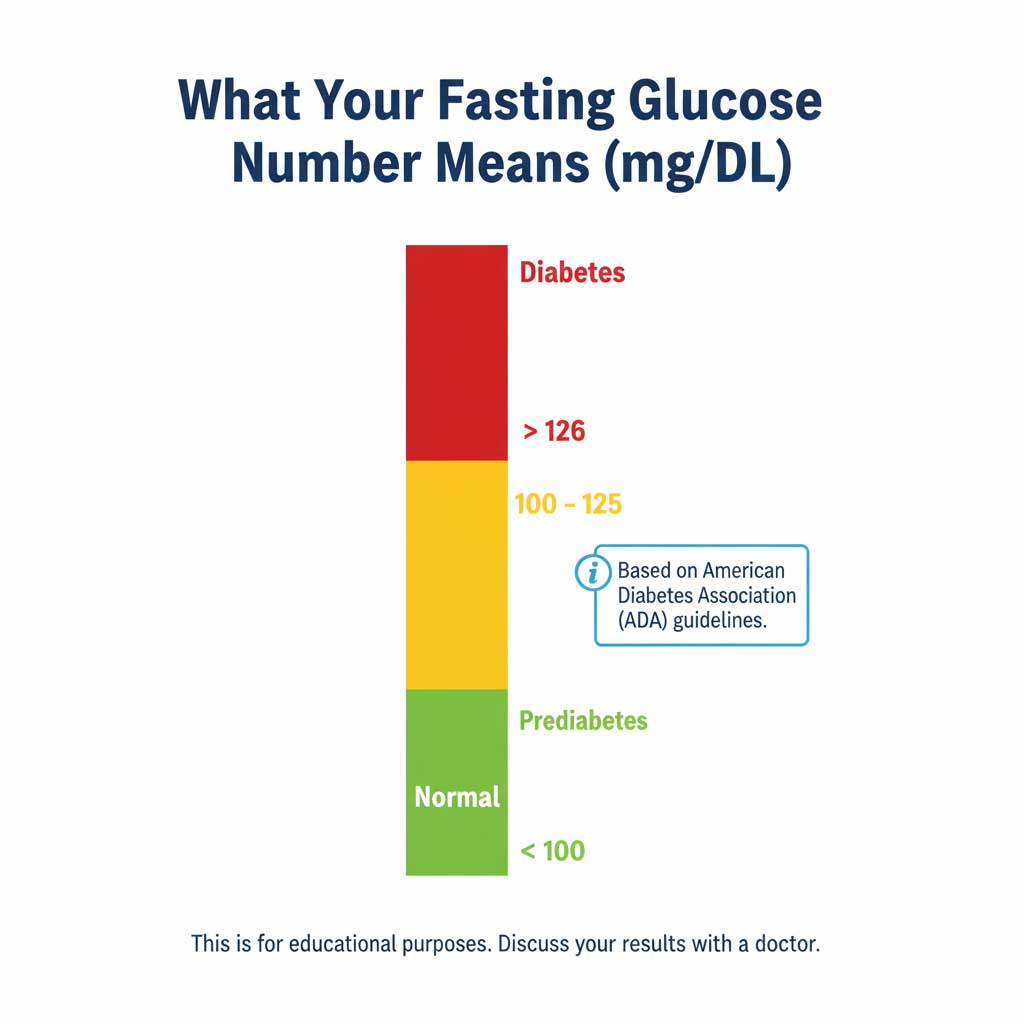
- Data Point: The American Diabetes Association (ADA) uses specific ranges for diagnosis. A fasting glucose level of 99 mg/dL or below is normal, 100 to 125 mg/dL indicates prediabetes, and 126 mg/dL or higher on two separate tests confirms a diagnosis of diabetes.
Comprehensive & Basic Metabolic Panels (CMP & BMP)
- Purpose: These panels are broad screening tools that check multiple body functions at once. They assess kidney and liver health, electrolyte and acid/base balance, and your blood glucose level.
- Fasting Requirement: A fast of 8 to 12 hours is generally required for a metabolic panel fasting test.
- Why Fasting Matters: While not every marker on the panel is affected by food, the glucose component is. To get a complete and accurate snapshot, especially during a routine physical, doctors order these as fasting labs.
Tests for Cardiovascular Health
Monitoring cardiovascular health often involves a fasting for cholesterol test, which gives crucial insight into your risk of heart disease.
Lipid Panel (Cholesterol Test)
- Purpose: A lipid panel measures four key types of fats in your blood: total cholesterol, LDL (“bad”) cholesterol, HDL (“good”) cholesterol, and triglycerides.
- Fasting Requirement: The standard for lipid panel fasting is 10 to 12 hours. This longer duration is mainly for triglyceride accuracy.
- Recent Medical Update: While a 10-12 hour fast has long been the standard, guidelines from the American College of Cardiology (ACC) have evolved. For general cholesterol screening in some low-risk adults, a non-fasting test may be acceptable. However, for a complete and accurate cardiovascular risk assessment, especially when triglyceride levels are a concern, a fasting for cholesterol test remains the gold standard.
Triglyceride Test
- Triglycerides are the blood fat component most sensitive to recent food consumption.
- Elevated triglyceride levels are an independent risk factor for heart disease and pancreatitis, making their accurate measurement a key part of fasting blood work.
Other Blood Tests That May Require Fasting
Beyond the most common panels, several other specific tests provide better accuracy when performed in a fasting state.
- Iron Panel: Your body absorbs iron from food, so recent meals can influence blood iron levels. An overnight fast of about 12 hours is often recommended for the most precise baseline reading, helping diagnose conditions like anemia.
- Vitamin B12 Test: While not always mandatory, many labs prefer an 8-hour fast. This is because some foods and supplements can interfere with the test, and fasting ensures a more stable and reliable measurement.
- Gamma-Glutamyl Transferase (GGT): This is a liver enzyme test. Since both alcohol and some foods can affect GGT levels, your doctor will likely ask you to fast for 8 hours and avoid alcohol.
- Kidney Function Tests (Renal Panel): While core kidney markers like BUN and creatinine can be measured without fasting, they are frequently included in a metabolic panel fasting test. When your doctor wants a full picture, they will order the entire panel as one of the blood tests that require fasting.
Key Strategies for Preparing for Your Fasting Blood Test
Preparing for a blood test is simple once you know the rules. Following a clear checklist can reduce stress and ensure you don’t have to repeat the process. Knowing how long to fast for a blood test is step one; the next is managing the fasting period correctly.
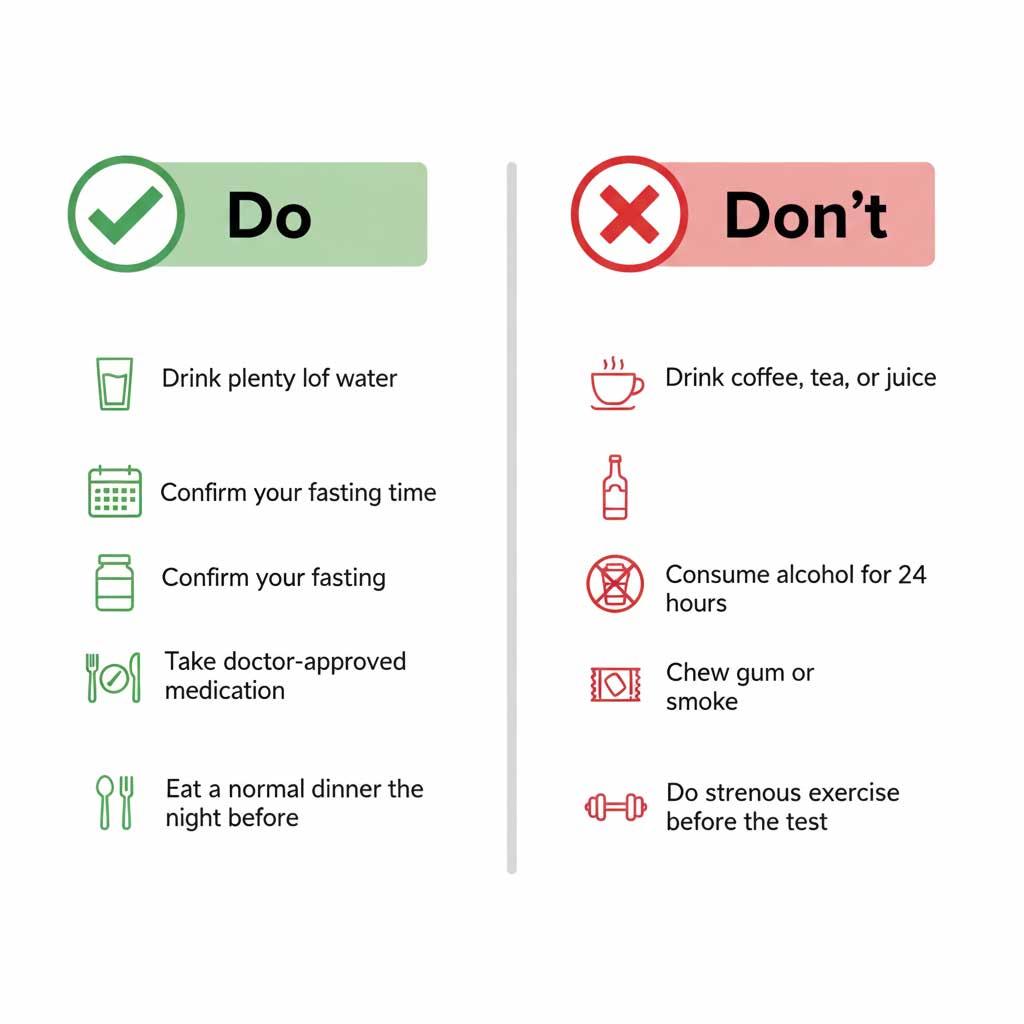
Your Pre-Test Checklist: The Do’s and Don’ts
The Day Before Your Test
- Eat your normal meals, including dinner. There is no need to change your diet unless specifically instructed by your doctor.
- Avoid alcohol for at least 24 hours before your test, as it can impact liver enzymes and triglyceride levels.
- Stay well-hydrated with water throughout the day.
The Morning of Your Test
- Do drink plain water. It prevents dehydration and makes it easier for the phlebotomist to find a vein.
- Do not eat any food or drink any other beverages. This includes coffee, tea, juice, and soda.
- Do not chew gum (even sugar-free), as it can stimulate your digestive system.
- Do not smoke, as nicotine can affect test results.
- Do ask your doctor, “Can I take medication before a fasting blood test?” Most essential medications (for blood pressure, thyroid, etc.) are fine with a small sip of water, but it is crucial to confirm.
- Do bring a snack and a beverage to have immediately after your blood draw. This is especially important for individuals with diabetes.
What Happens If You Don’t Fast Correctly?
Mistakes happen. If you accidentally eat or drink something other than water, the most important thing is to be honest.
A common question is, “What happens if you don’t fast for a fasting blood test?” The answer is that your results will likely be inaccurate. For example, a hypothetical “Patient A” who drank a morning latte before their lipid panel fasting test might see falsely elevated triglyceride and glucose levels. This could lead to unnecessary anxiety, further testing, or even an incorrect diagnosis.
If you realize you’ve broken your fast, call your doctor’s office or inform the lab technician upon arrival. In most cases, the best course of action is to reschedule the appointment to ensure the integrity of the results from your fasting labs.
Health Diagnostics: A Comparison of Testing Platforms
The landscape of medical testing is evolving, with patients now having more options than ever before. Understanding the differences is key to making informed decisions about your health.
Traditional Labs vs. At-Home Testing Kits
For decades, getting blood tests that require fasting meant a trip to a hospital lab or a patient service center like Quest Diagnostics or LabCorp. Today, the rise of direct-to-consumer (DTC) at-home testing kits from companies like Everlywell offers a new layer of convenience.
Comparison Table: Blood Testing Options
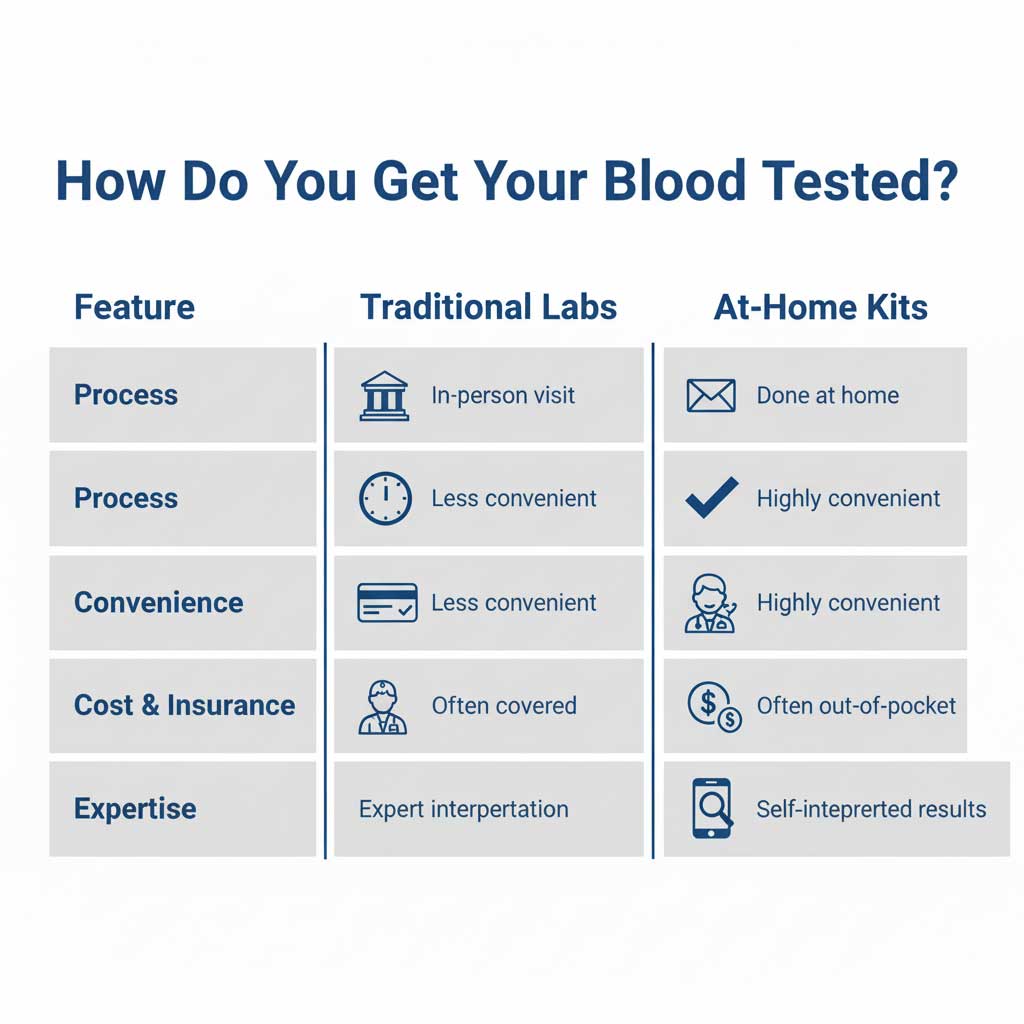
This table breaks down the key features of each testing model, helping you understand the trade-offs between them.
| Feature | Traditional Labs (e.g., Quest) | At-Home Test Kits (e.g., Everlywell) | Hospital-Based Labs |
| Process | Doctor’s order, visit a patient service center, professional phlebotomist draws blood. | Order online, collect a finger-prick blood sample at home, mail to a lab. | Typically for inpatients or specialist visits, professional draw on-site. |
| Fasting Instructions | Clearly provided on the lab order and by the provider. Standardized. | Instructions included in the kit; user is responsible for compliance. | Instructions given directly by hospital staff/doctor. |
| Cost & Insurance | Usually covered by insurance after co-pay/deductible. | Often out-of-pocket, prices vary from $50 to $200+ per test. Not always covered by insurance. | Billed as part of a hospital visit; can be more expensive. |
| Convenience | Requires scheduling and travel. | Highly convenient, done on your own time. | Convenient if already at the hospital, otherwise not accessible for routine tests. |
| Expertise & Context | Results are sent to your doctor, who interprets them for you. | Results are delivered to you directly via an app/portal, often without a doctor’s immediate context. | Results are interpreted by your treating physician in the context of your overall condition. |
Challenges and Ethical Considerations in Modern Blood Testing
While diagnostic tests are powerful tools, they come with limitations and new ethical questions, particularly as technology advances.
The Limitations of a Single Blood Test
It is vital to remember that a blood test is a snapshot in time. Your results can be influenced by factors like stress, poor sleep, hydration levels, or a recent minor illness. An expert endocrinologist or pathologist would advise looking at trends over time rather than panicking over a single out-of-range value from one of your fasting labs.
Furthermore, no test is perfect. Some have rates of false positives or negatives, which is why results from common fasting blood tests must be interpreted by a healthcare professional in the context of your overall health, history, and symptoms.
Data Privacy and the Rise of Direct-to-Consumer Testing
The convenience of at-home testing kits introduces important questions about data privacy. When you use a traditional lab, your health information is protected by the Health Insurance Portability and Accountability Act (HIPAA). With some DTC companies, the privacy rules can be less clear.
Before using a kit, consider questions like: Who owns my health data? Is it anonymized and sold for research? What security protocols are in place to protect my sensitive information? Understanding these implications is crucial in the age of digital health.
The Future of Diagnostic Testing: What’s Next?
The field of diagnostics is rapidly advancing, with a focus on less invasive, more continuous, and smarter testing methods.
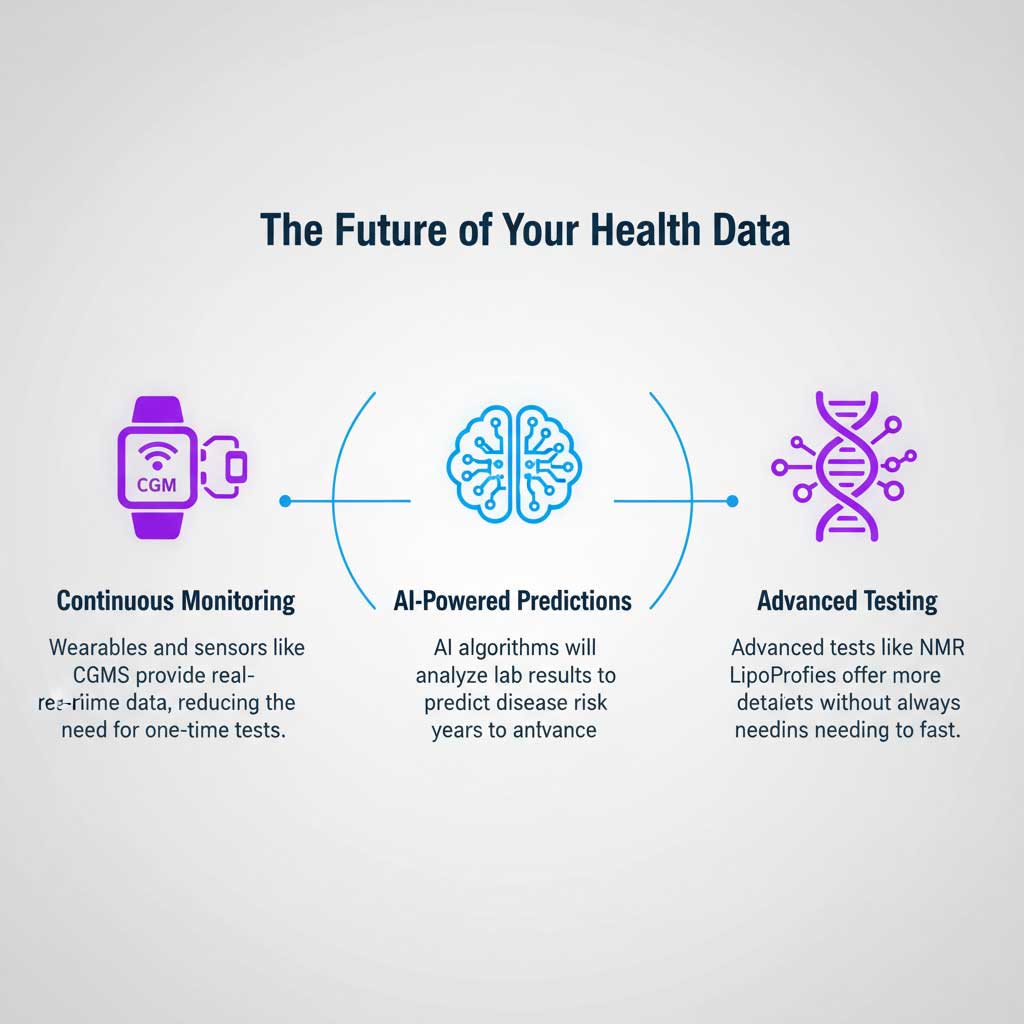
Emerging Technologies and Future Predictions
- Non-Invasive Monitoring: Technologies like continuous glucose monitors (CGMs) are revolutionizing diabetes management by providing real-time data without the need for constant finger-pricks, moving beyond the traditional glucose test fasting hours.
- AI and Predictive Analytics: Researchers are developing sophisticated AI algorithms that can analyze patterns in routine fasting blood work results to predict the risk of diseases like heart failure or cancer years before symptoms appear.
- Advanced Lipid Testing: Medicine is also moving beyond the standard fasting for cholesterol test. Advanced NMR LipoProfile tests, which measure the number and size of cholesterol particles, can provide a more detailed cardiovascular risk assessment and often do not require fasting.
Actionable Tips for Managing Your Health Diagnostics
Navigating your health journey requires active participation. Here are some actionable tips for managing your diagnostic tests.
- Be Your Own Advocate: Always feel empowered to ask your doctor why a test is being ordered and how the results will inform your care.
- Keep a Record: Use your healthcare provider’s patient portal to track your lab results over time. This helps you and your doctor identify trends rather than focusing on a single number.
- Always Follow Instructions: Reiterate the core message of adhering to pre-test fasting rules for accuracy. Proper preparation for your blood tests that require fasting is essential.
- Don’t Panic Over Results: It is common to see your lab results online before your doctor does. Avoid jumping to conclusions and wait to discuss them with your provider, who can put them in the proper context.
Summary & Key Takeaways
Understanding which blood tests require fasting is a simple yet powerful way to ensure the quality of your healthcare. Proper preparation prevents the inconvenience of re-testing and provides your doctor with the reliable data needed to manage your health effectively.
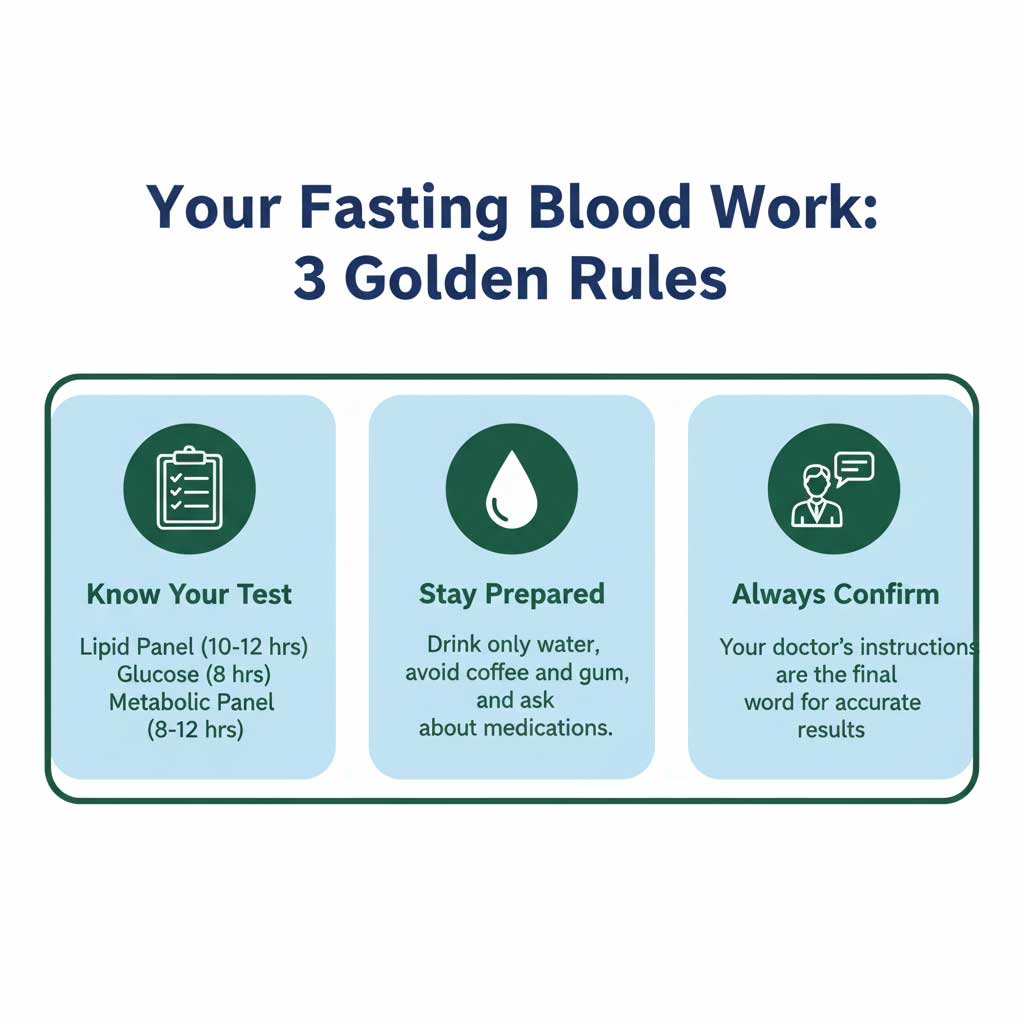
To summarize, the key tests and their requirements include the Lipid Panel (10-12 hours), the Fasting Blood Glucose Test (8 hours), and Metabolic Panels (8-12 hours). Always confirm the specific instructions and how long to fast for your blood test with your healthcare provider to guarantee your fasting blood work provides the most accurate snapshot of your health.
Frequently Asked Questions (FAQ)
What blood tests need 12-hour fasting?
A 12-hour fast is the gold standard for a complete lipid panel, which measures cholesterol and triglycerides. This extended time ensures that all fats from your last meal have been cleared from your bloodstream, providing the most accurate results for triglycerides, which are highly sensitive to recent food intake.
Can I drink coffee if my blood test requires fasting?
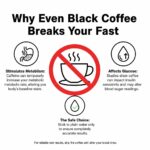
No, you should not drink coffee before a fasting blood test. Even black coffee can stimulate your metabolism and digestive system, potentially affecting blood glucose and other markers. A common question is, “Can you drink black coffee before a fasting blood test?” The answer is no; stick to plain water only.
What happens if I accidentally eat before a fasting blood test?
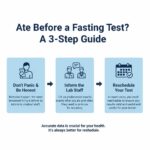
If you eat before a required fasting blood test, you should call your doctor’s office or inform the lab staff before the draw. Eating can significantly skew the results, especially for glucose and triglycerides. In most cases, you will be asked to reschedule your appointment for another day.
Does a Complete Blood Count (CBC) test require fasting?
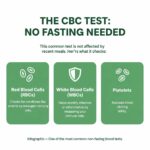
No, a Complete Blood Count (CBC) does not typically require fasting. This is one of the key non-fasting blood tests. It evaluates your red blood cells, white blood cells, and platelets—components that are not significantly affected by a recent meal. You can usually eat and drink normally before having a CBC test.