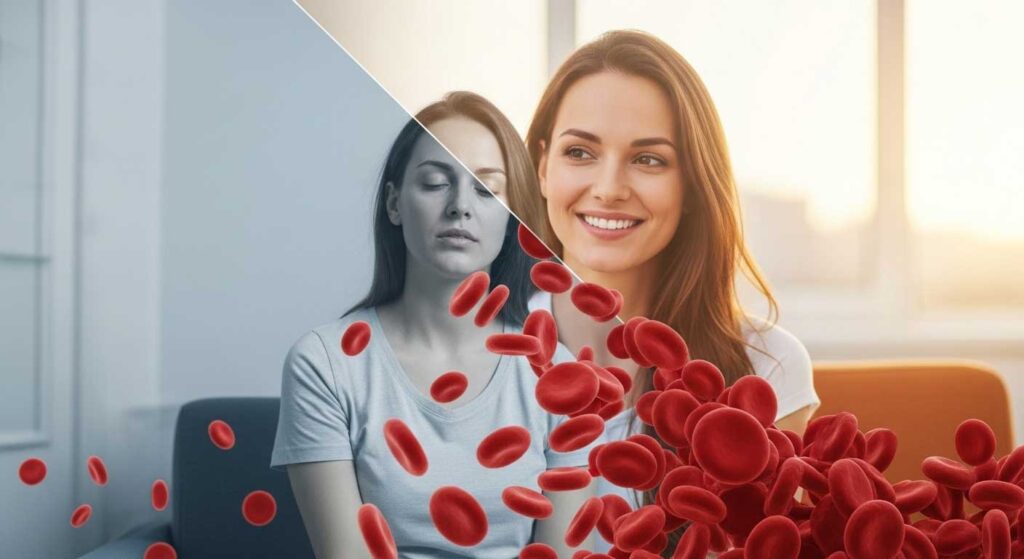
That pervasive feeling of exhaustion that a good night’s sleep just can’t seem to fix is more than just tiredness—it could be a critical signal from your body. It might be a key indicator of low hemoglobin, a significant health concern where your body lacks enough healthy red blood cells to carry adequate oxygen to your tissues. This condition, often the hallmark of anemia, can profoundly impact your energy, cognitive function, and overall well-being.
Table of Contents
Understanding the underlying low hemoglobin causes is the first essential step toward finding the right remedy and reclaiming your vitality. In this comprehensive guide, we will explore what hemoglobin is and why it’s vital for your health. We’ll uncover the most common causes of anemia, from simple dietary gaps to complex chronic diseases, and detail the recognizable anemia symptoms. Most importantly, we’ll provide actionable, expert-backed strategies on how to increase hemoglobin and clarify when it’s crucial to seek medical advice.
What is Hemoglobin? The Body’s Essential Oxygen Delivery Service
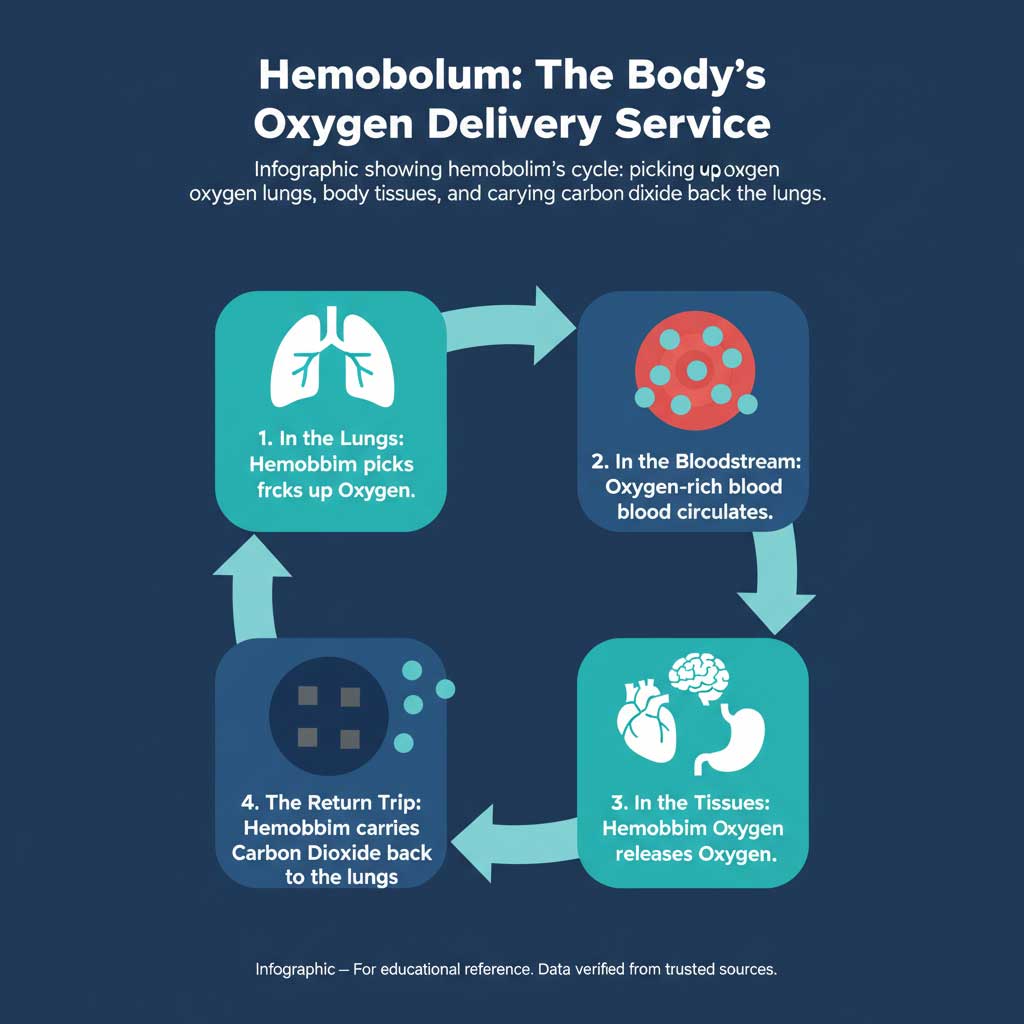
To understand why low hemoglobin is a problem, we first need to appreciate the crucial role this molecule plays. Think of your circulatory system as a vast highway network and your red blood cells as the delivery trucks. Hemoglobin is the specialized cargo container on each truck, designed for one vital mission: transporting oxygen.
A Clear Definition of Hemoglobin and Its Function
Hemoglobin is an iron-rich protein molecule found exclusively within your red blood cells. Its primary function is to bind with oxygen in the lungs and carry it through the bloodstream to every cell, tissue, and organ in your body. Without this constant oxygen supply, your cells cannot produce energy effectively.
Simultaneously, hemoglobin also picks up a waste product, carbon dioxide, from your tissues and transports it back to the lungs to be exhaled. This elegant, life-sustaining exchange is happening with every breath you take, making healthy hemoglobin levels non-negotiable for proper bodily function.

Why Normal Hemoglobin Levels are Critical for Your Health
Maintaining normal hemoglobin levels is fundamental to your physical energy, mental clarity, and overall health. When these levels are adequate, your body operates efficiently. You feel energetic, focused, and resilient.
So, what happens when your hemoglobin is low? The oxygen delivery service falters. Tissues and organs become oxygen-starved, a state that triggers the classic anemia symptoms of fatigue, weakness, and shortness of breath. Addressing low hemoglobin is not just about feeling less tired; it’s about ensuring your body’s core machinery is properly fueled.
Hemoglobin Levels Chart: What’s Normal for Children, Men, and Women?
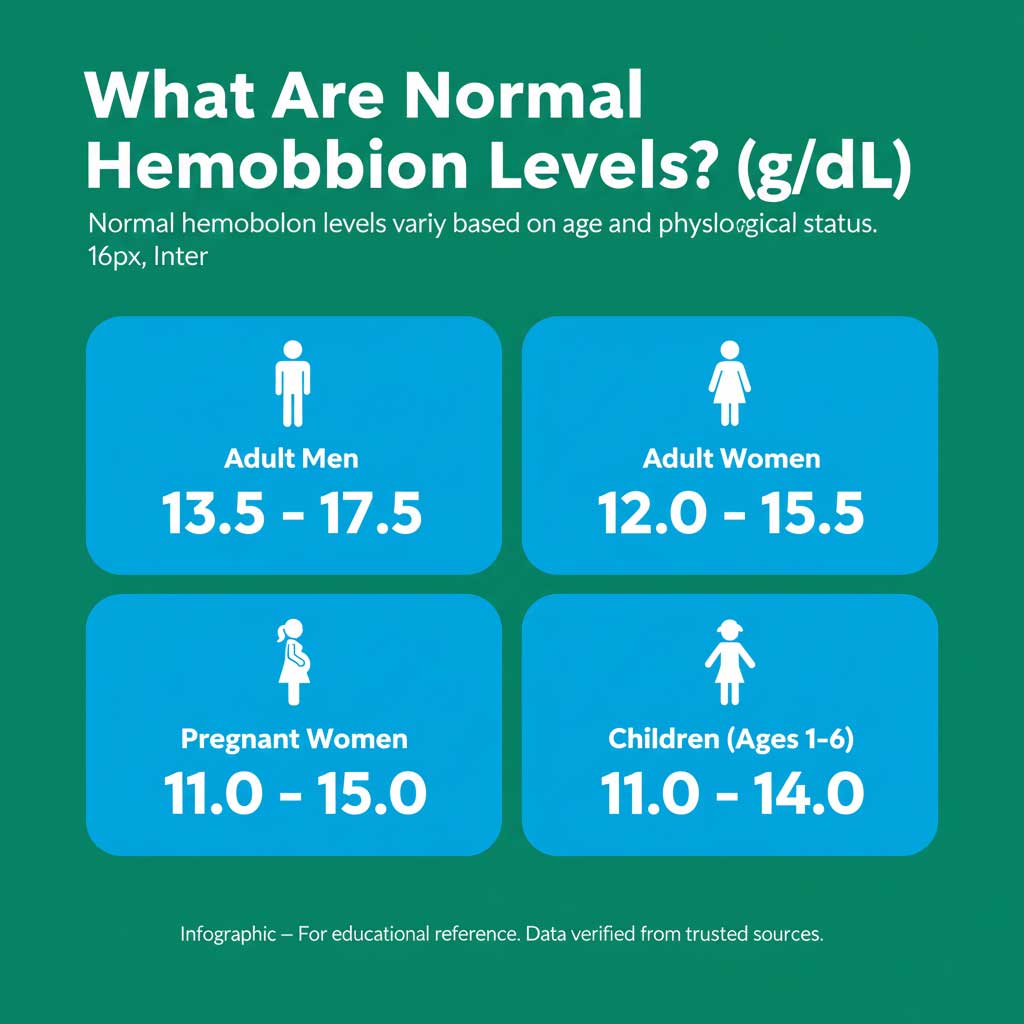
Knowing what constitutes normal hemoglobin levels can help you understand your blood test results. These values, measured in grams per deciliter (g/dL), vary based on age and sex. This variance is why it’s important to know the specific normal range for you, including answering the common question, “What is the normal hemoglobin for children?“
| Demographic | Normal Hemoglobin Range (grams per deciliter – g/dL) |
| Adult Men | 13.5 to 17.5 g/dL |
| Adult Women (Non-Pregnant) | 12.0 to 15.5 g/dL |
| Pregnant Women | 11.0 to 15.0 g/dL |
| Children (Ages 1-6) | 11.0 to 14.0 g/dL |
Data sourced from clinical guidelines provided by institutions like the Mayo Clinic and the World Health Organization (WHO).
What Can Cause Low Hemoglobin? Uncovering the Root Causes
A diagnosis of low hemoglobin is a starting point, not a conclusion. The key to an effective low hemoglobin treatment is identifying the root cause. Once identified, you can take action with our guide on 10 Proven Ways to Increase Hemoglobin Levels Naturally & Safely. The causes of anemia are diverse, ranging from correctable nutritional deficiencies to indicators of more serious underlying health conditions.
The Most Common Cause of Low Hemoglobin: Iron Deficiency
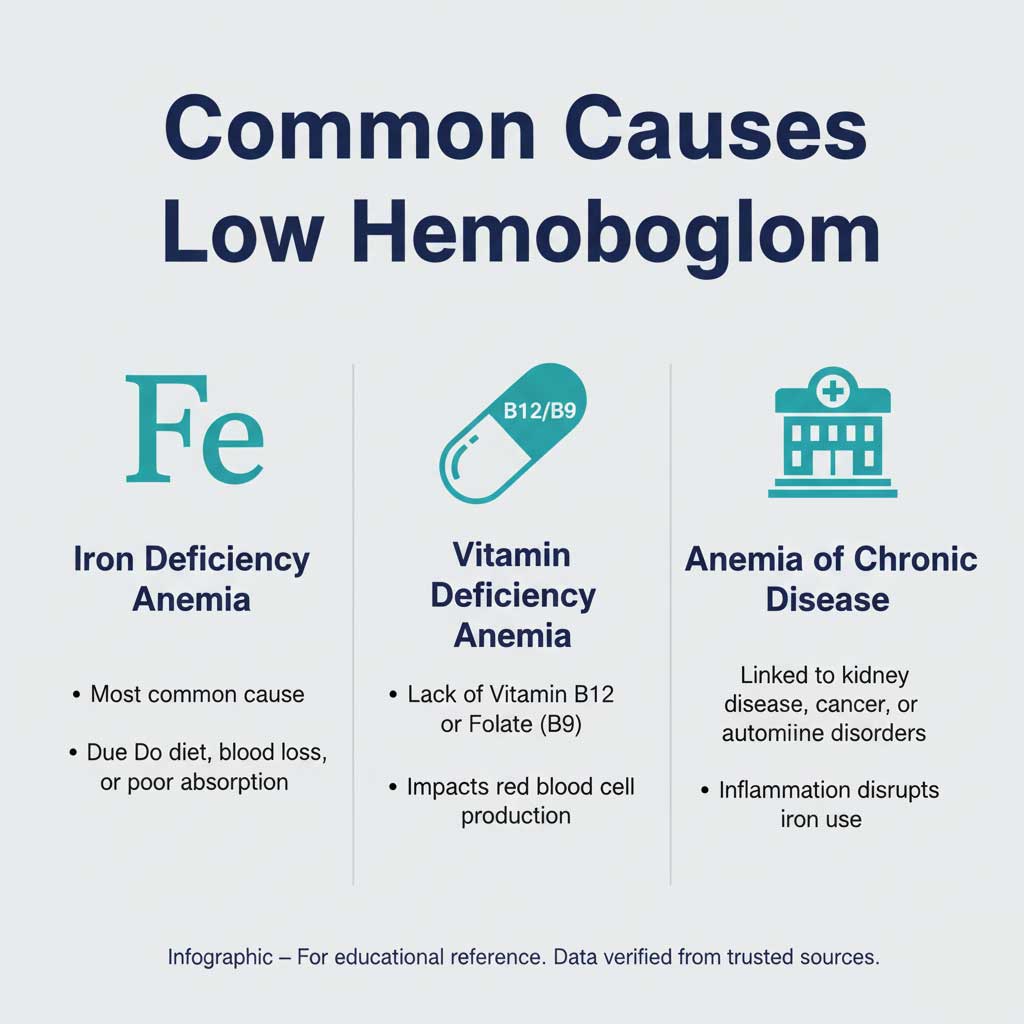
Globally, the single most common cause of low hemoglobin is a shortage of iron. Your bone marrow requires a steady supply of this mineral to produce the hemoglobin molecule. When iron is scarce, the production line slows down, resulting in fewer, smaller red blood cells. This condition is known as iron deficiency anemia.
Common reasons for this deficiency include:
- Poor Dietary Intake: Diets lacking in iron-rich foods are a primary driver. For example, a 28-year-old female following a strict vegan diet for five years might develop iron deficiency anemia from insufficient intake of easily absorbed heme iron.
- Impaired Absorption: Conditions like celiac disease can damage the intestinal lining, reducing iron absorption. Similarly, a 55-year-old male who underwent gastric bypass surgery may develop low hemoglobin because his digestive system is altered.
- Increased Bodily Needs: Pregnancy significantly increases iron demands to support the growing fetus, a common reason for low hemoglobin causes in expectant mothers.
- Chronic Blood Loss: This is a major factor. The persistent, slow loss of blood from heavy menstrual periods can lead to some of the most common symptoms of low iron in women. Ulcers or other gastrointestinal issues can also cause chronic bleeding, depleting iron stores over time.
What Vitamin Deficiency Causes Low Hemoglobin?
While iron gets the most attention, certain vitamin deficiencies are also well-known causes of anemia. Specifically, Vitamin B12 and Folate (Vitamin B9) are critical for the healthy development of red blood cells.
When these vitamins are lacking, the bone marrow produces large, immature, and ineffective red blood cells, a condition called megaloblastic anemia. This type of vitamin deficiency anemia can lead to low hemoglobin and is often seen in individuals with specific dietary patterns or absorption issues.
Chronic Diseases and Cancers Associated with Low Hemoglobin
Sometimes, low hemoglobin is a secondary consequence of a long-term health issue. This is often referred to as anemia of chronic disease or anemia of inflammation.
A common query is, “What cancers are associated with low hemoglobin?” Blood and bone marrow cancers, such as leukemia and lymphoma, directly disrupt red blood cell production. Furthermore, other cancers, like colon cancer, can cause chronic internal bleeding, leading to significant iron loss and subsequent iron deficiency anemia.
Other conditions that can cause chronic anemia include:
- Chronic Kidney Disease (CKD): Damaged kidneys fail to produce enough of the hormone erythropoietin (EPO), which signals the bone marrow to create red blood cells. A 65-year-old male with stage 4 CKD often has persistent low hemoglobin for this reason.
- Autoimmune Disorders: Conditions like rheumatoid arthritis and lupus trigger chronic inflammation, which can interfere with the body’s ability to use stored iron, leading to low hemoglobin.
The Side Effects of Low Hemoglobin: Symptoms and Complications
Understanding what happens when your hemoglobin is low is key to recognizing the problem early. The anemia symptoms are a direct result of your body’s tissues not receiving enough oxygen to function optimally.
Common Symptoms: Can Anemia Cause Dizziness or Nausea?
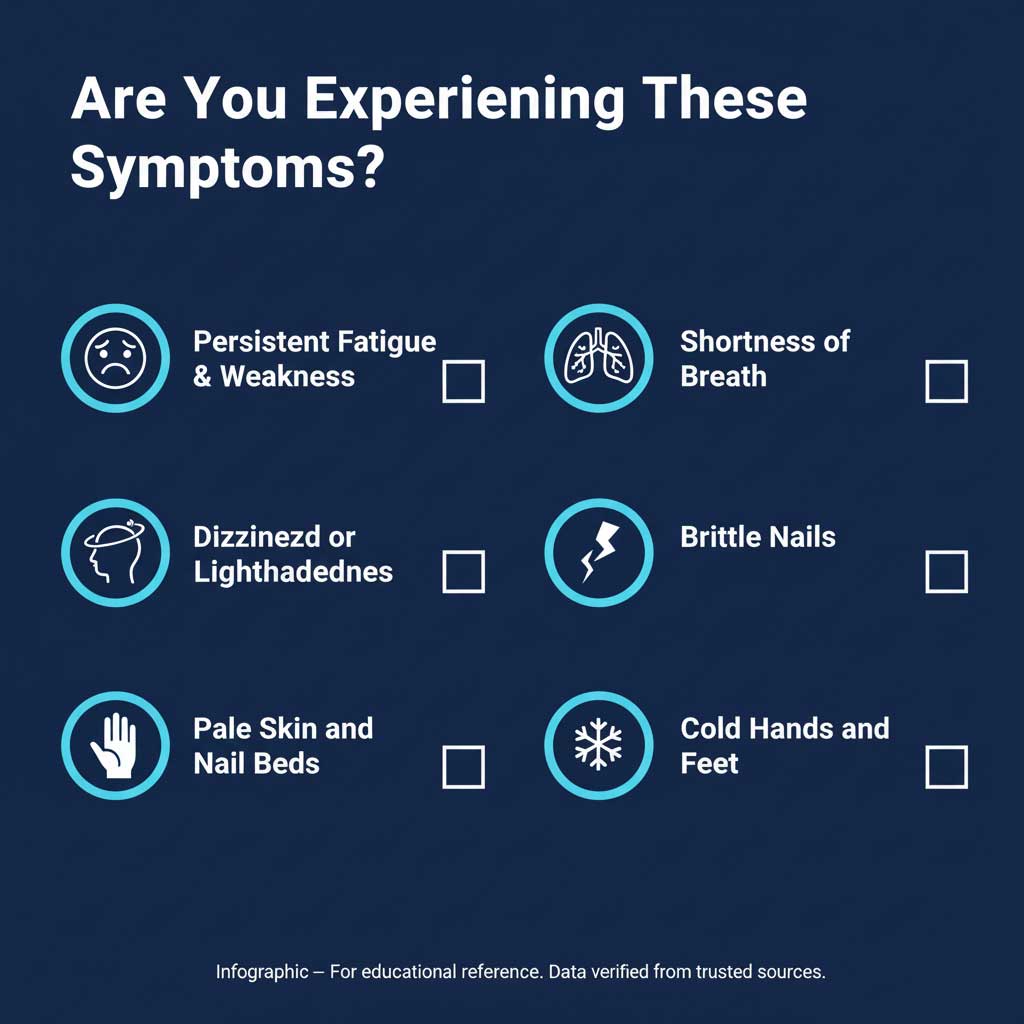
The signs of low hemoglobin can be subtle at first but become more pronounced as levels drop. The most common anemia symptoms include:
- Persistent fatigue and a profound lack of energy.
- Pale skin, particularly noticeable in the face, nail beds, and inner lining of the eyelids.
- Weakness and reduced physical stamina.
- Shortness of breath, especially with exertion.
- Headaches and difficulty concentrating.
- Cold hands and feet.
To answer a frequent question, yes, dizziness is a classic symptom of anemia. It occurs because reduced oxygen flow to the brain can leave you feeling lightheaded. While less common, nausea can also be associated with anemia. A rash, however, is not a direct symptom but could be related to an underlying condition causing the low hemoglobin.
How Serious is a Low Hemoglobin Level? What Organs Are Affected?
While mild cases of low hemoglobin can often be managed effectively, severe anemia is a serious health risk. The continuous lack of oxygen puts immense strain on your body. The dangers of low hemoglobin are real and should not be underestimated.
So, what organs are affected by low hemoglobin? The heart and brain are particularly vulnerable. The heart is forced to pump harder and faster to circulate the limited oxygen available, which can lead to an enlarged heart, an irregular heartbeat (arrhythmia), or even heart failure over time. The brain, deprived of adequate oxygen, can suffer from cognitive issues beyond just dizziness.
When to Worry: How to Tell if Your Hemoglobin is Dangerously Low
It’s vital to know when low hemoglobin crosses the line from a manageable issue to a medical emergency. You should seek immediate medical attention if you experience:
- Severe shortness of breath, even at rest.
- Chest pain.
- Fainting or feeling like you are about to faint.
- A rapid, pounding heartbeat.
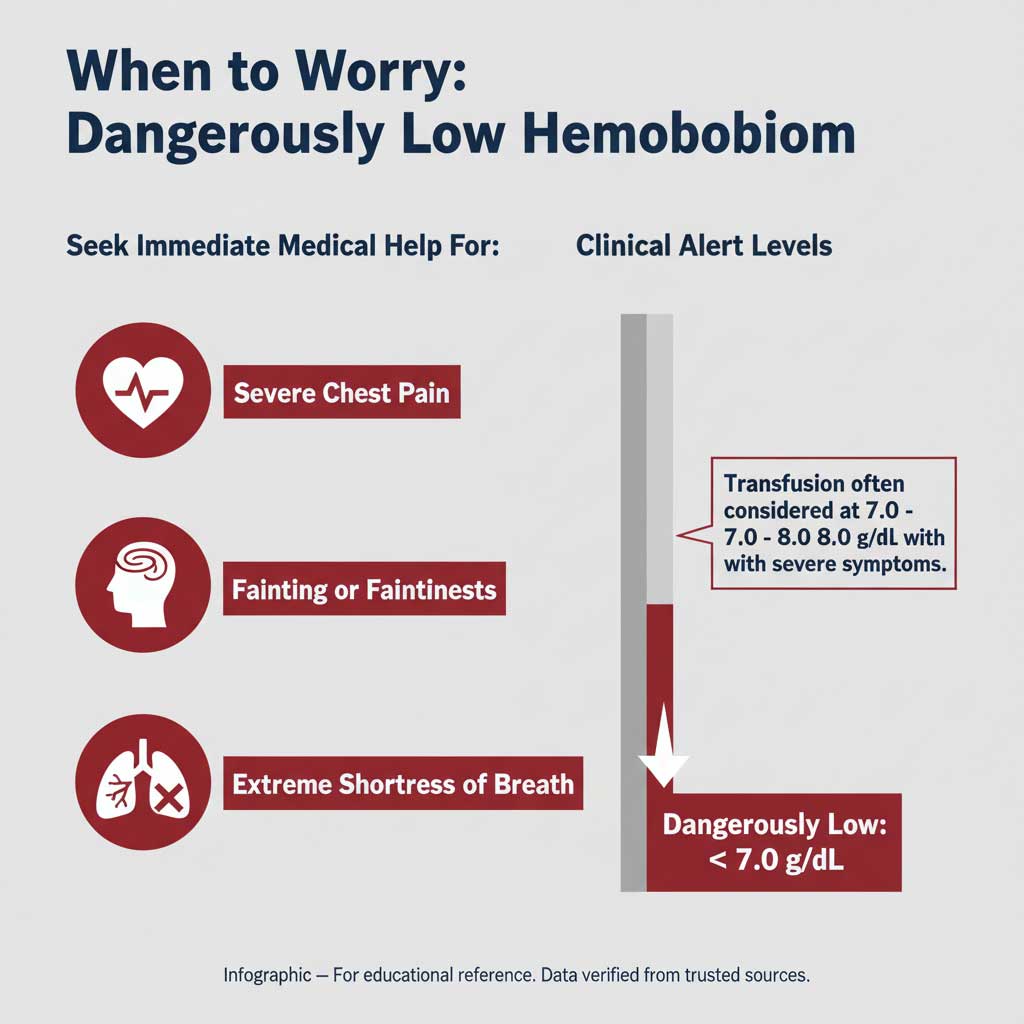
These symptoms may indicate what is a dangerously low level of hemoglobin. Clinically, levels below 7.0 g/dL are often considered critical. The decision on at what hemoglobin level a transfusion is needed is typically made when levels fall between 7.0 and 8.0 g/dL, especially if the person is experiencing severe symptoms.
How to Fix Low Hemoglobin: A Guide to Remedies and Treatments
Once you and your doctor have identified the cause, the next step is to formulate a plan for how to increase hemoglobin. The right low hemoglobin treatment is tailored to the specific reason behind your condition.
How to Raise Hemoglobin Fast: A Realistic Timeline
Many people search for how to raise hemoglobin levels quickly. It’s important to set realistic expectations. You cannot safely and significantly increase your hemoglobin in 24 hours through diet alone. Red blood cell production is a gradual process.
The fastest way to cure low hemoglobin in a medical emergency is a blood transfusion, but this is reserved for severe, life-threatening cases. For most individuals, the solution involves consistent treatment over time. With an effective low hemoglobin treatment plan, you can begin to feel better within a couple of weeks, but it often takes several months to fully restore your hemoglobin levels.
Dietary Strategies: Foods, Fruits, and Drinks to Increase Hemoglobin
For many types of anemia, especially iron deficiency anemia, diet is a cornerstone of treatment. Focusing on specific nutrients can make a substantial difference.
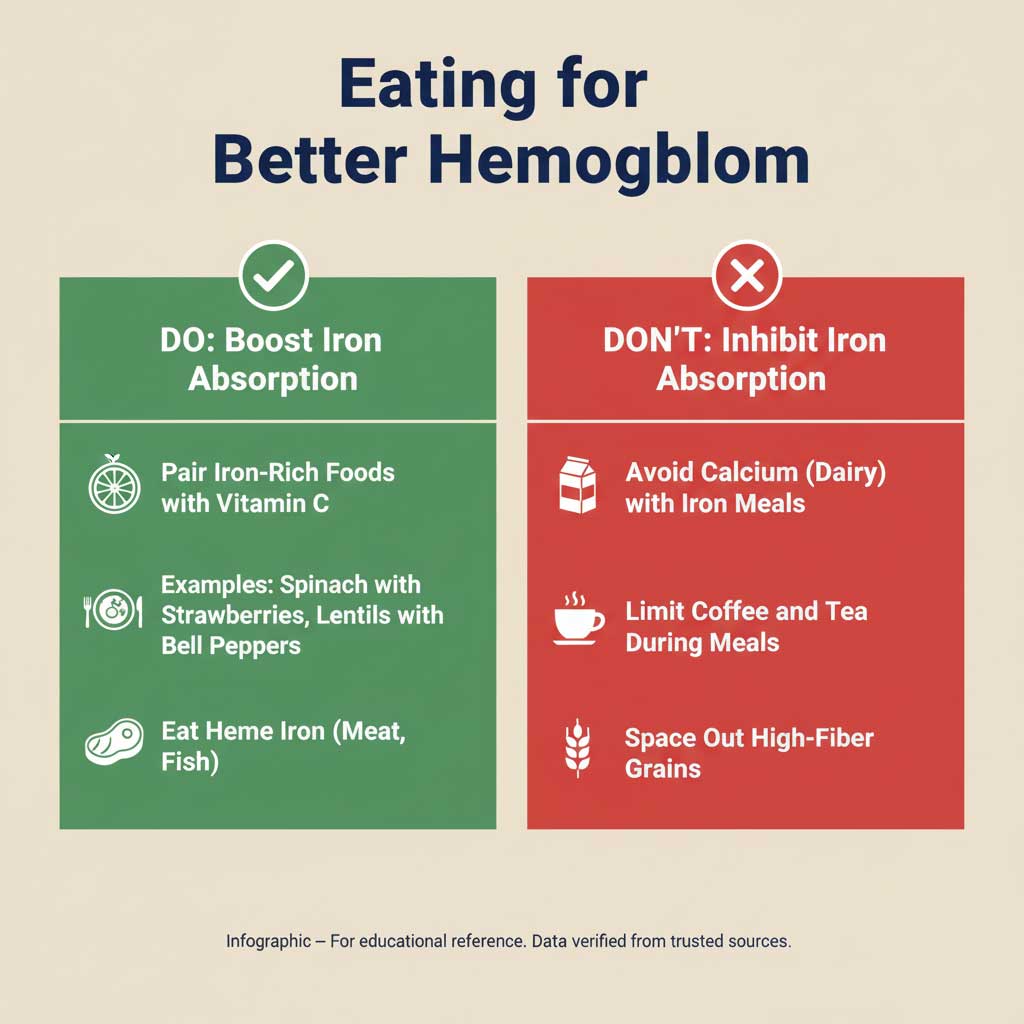
Foods to Increase Hemoglobin
- Heme Iron: This type of iron is found in animal products and is very easily absorbed by the body. Top sources include red meat, poultry, and fish like salmon and tuna.
- Non-Heme Iron: Found in plant-based foods, this iron is still valuable but less readily absorbed. Excellent sources include lentils, beans, tofu, spinach, kale, and iron-fortified cereals.
Which Fruits and Drinks Help Increase Hemoglobin?
- Fruits: Pomegranates and apples are traditionally recommended. However, the most beneficial fruits are those rich in Vitamin C, such as oranges, strawberries, and kiwis, as Vitamin C dramatically enhances the absorption of non-heme iron.
- Drinks: Prune juice is a good source of iron. Smoothies that combine iron-rich spinach with vitamin C-rich fruits like mango or pineapple are an excellent way to boost both intake and absorption.
What Not to Eat When Your Hemoglobin is Low
Just as important as what you eat is when you eat it. Certain compounds can inhibit iron absorption. Try to avoid consuming these with your iron-rich meals:
- Calcium: Found in dairy products.
- Tannins: Present in tea and coffee.
- Phytates: Found in whole grains and legumes.
Medical Interventions: A Comparison of Low Hemoglobin Treatments
When diet isn’t enough, your doctor has several options for an effective low hemoglobin treatment. The choice depends on the underlying cause and severity of your condition.
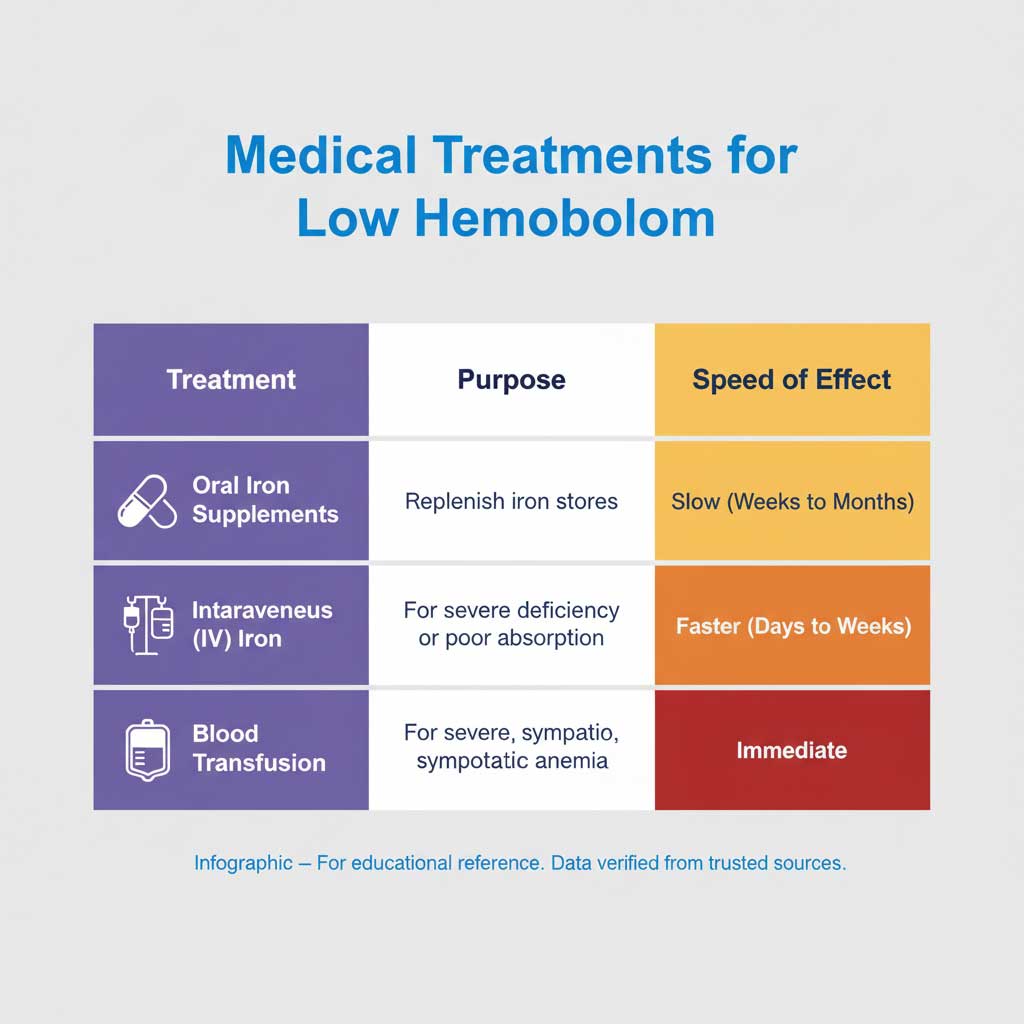
| Treatment Method | Purpose | Ideal Use Case | Speed of Effect |
| Oral Iron Supplements | To replenish the body’s iron stores. | Mild to moderate iron deficiency anemia. | Slow (weeks to months) |
| Intravenous (IV) Iron | To deliver iron directly into the bloodstream. | Severe iron deficiency; malabsorption issues. | Faster than oral (days to weeks) |
| Vitamin B12/Folate Supplements | To correct vitamin deficiency anemia. | Confirmed B12 or folate deficiency. | Varies (weeks to months) |
| EPO Injections | To stimulate red blood cell production. | Anemia related to chronic kidney disease. | Gradual (weeks) |
| Blood Transfusion | To rapidly increase hemoglobin and oxygen-carrying capacity. | Severe, symptomatic anemia; acute blood loss. | Immediate |
Diagnosing Anemia: Tools and Tests
A precise diagnosis is crucial for determining the correct low hemoglobin treatment. Your doctor will use a series of blood tests to understand the full picture of your health.
Key Diagnostic Tests for Low Hemoglobin
The diagnostic process usually starts with a Complete Blood Count (CBC). This routine test measures several components of your blood, including your hemoglobin levels and hematocrit. If your hemoglobin is low, further tests are ordered to pinpoint the specific causes of anemia.
Health Tests Comparison for Anemia Diagnosis
Understanding the purpose of each test can demystify the diagnostic process and highlight the importance of a thorough medical evaluation for low hemoglobin.
| Health Tool / Test | Purpose | Ideal Use | Accuracy / Reliability | Recommended By |
| Complete Blood Count (CBC) | Measures hemoglobin, hematocrit, and RBC indices. | Initial screening for anemia. | High (Standard Lab Test) | All major health organizations |
| Serum Ferritin Test | Measures the body’s stored iron levels. | Diagnosing iron deficiency anemia. | High (Best indicator of iron stores) | NIH, AAFP |
| Vitamin B12 / Folate Test | Measures levels of these specific vitamins. | Diagnosing vitamin deficiency anemia. | High (Standard Lab Test) | Mayo Clinic |
| Peripheral Blood Smear | Visually examines blood cells under a microscope. | To identify abnormal cell shapes and sizes. | High (Expert interpretation needed) | Hematologists |
Summary & Key Takeaways: Your Path to Restoring Healthy Hemoglobin
Low hemoglobin is a common and highly treatable condition that should never be ignored. As we’ve explored, its causes are varied, but the most frequent culprit is iron deficiency anemia. The persistent anemia symptoms of fatigue, dizziness, and weakness are your body’s way of signaling that it needs attention.
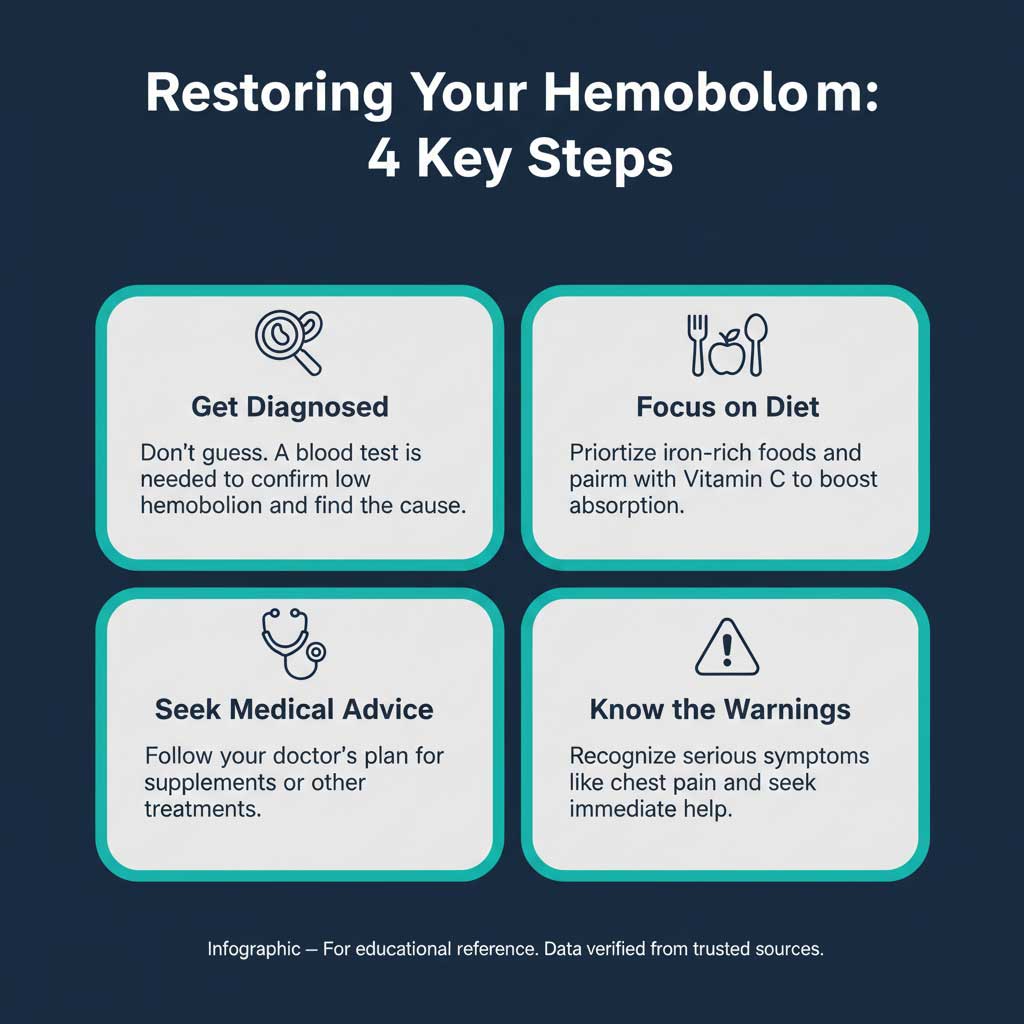
A proper diagnosis is the most critical step, as it guides the most effective low hemoglobin treatment, whether it’s dietary adjustments, supplementation, or managing an underlying chronic condition. By understanding the causes of anemia and working with your healthcare provider, you can create a targeted plan on how to increase hemoglobin and restore your body’s oxygen-carrying capacity. Remember, addressing low hemoglobin is about more than just boosting your energy—it’s about investing in your long-term health and well-being.
Frequently Asked Questions (FAQ)
What is the most common cause of low hemoglobin?
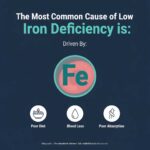
The most common cause of low hemoglobin worldwide is iron deficiency anemia. This condition arises when your body doesn’t have enough iron to produce the hemoglobin it needs, often due to poor diet, blood loss, or impaired absorption.
What is the fastest way to fix low hemoglobin?
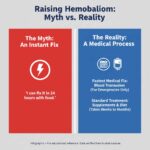
The fastest medical intervention to fix severely low hemoglobin is a blood transfusion, which is reserved for emergencies. For most people, the most effective and sustainable approach involves consistently taking prescribed iron supplements and improving diet over several weeks to months.
What vitamin raises your hemoglobin?
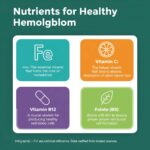
While iron is a mineral, not a vitamin, it is the essential building block for hemoglobin. For vitamins, Vitamin B12 and Folate (B9) are critical for producing healthy red blood cells. Additionally, Vitamin C is crucial because it helps your body absorb iron more effectively from plant-based foods to increase hemoglobin.
How long does it take to recover from low hemoglobin?
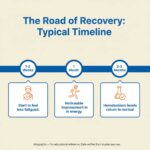
Recovery time depends entirely on the cause and severity. For iron deficiency anemia treated with supplements, you might start to feel better in a week or two, but it can take 2-3 months to fully replenish your body’s iron stores and normalize hemoglobin levels.
Can I increase my hemoglobin in 24 hours?
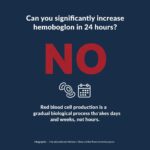
No, it is not physiologically possible to significantly and safely increase your hemoglobin levels in 24 hours through diet or oral supplements. The body’s process of producing new red blood cells is gradual and takes time.
What organs are most affected by low hemoglobin?
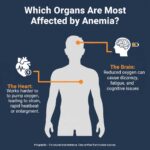
The heart and brain are the organs most significantly affected by the dangers of low hemoglobin. The heart must work much harder to circulate oxygen, which can lead to complications like an enlarged heart or arrhythmia. The brain may not receive enough oxygen, causing dizziness, cognitive issues, and severe fatigue.
At what hemoglobin level is a transfusion needed?
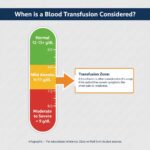
There isn’t a single absolute number that applies to everyone, but doctors often consider a blood transfusion when hemoglobin levels drop into the range of 7.0 to 8.0 g/dL. The decision also heavily depends on the patient’s symptoms, such as chest pain, severe weakness, or shortness of breath.
Is a low hemoglobin level always serious?
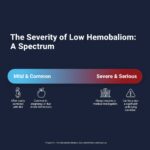
Not always. Mildly low hemoglobin is very common, particularly in women of childbearing age, and is often easily corrected with dietary changes or supplements. However, it should always be investigated by a doctor, as it can sometimes be an early sign of a more serious underlying health condition.