
Hepatitis b envelope antigen (hbeag) Test and its Function
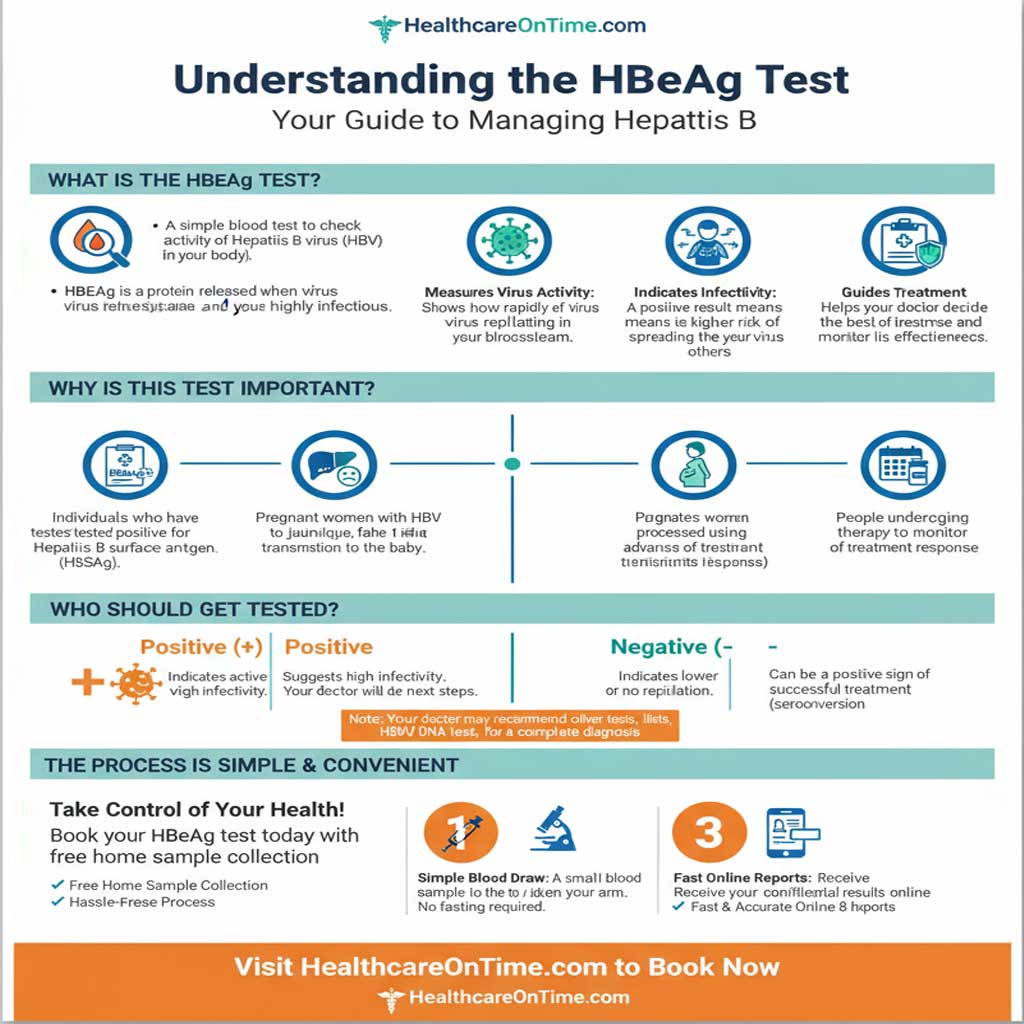
The HBeAg test detects the presence of the hepatitis B envelope antigen—a protein secreted by the hepatitis B virus (HBV) during active replication. Its presence in the bloodstream indicates high viral activity and increased infectivity, meaning the individual is more likely to transmit HBV to others. Clinicians use this test to assess disease severity, guide antiviral treatment decisions, and monitor the progression of chronic hepatitis B. It also helps determine whether a patient is in the immune-tolerant, immune-active, or inactive carrier phase of infection.
Conditions that may require Hepatitis b envelope antigen (hbeag) Test
The HBeAg test is typically recommended in the following scenarios:
Chronic HBV diagnosis: To evaluate viral replication and infectivity
Pregnancy: To assess the risk of vertical transmission from mother to child
Elevated liver enzymes: Especially ALT, indicating possible liver inflammation
Monitoring treatment: To evaluate response to antiviral therapy
Immunosuppressed patients: Including those undergoing chemotherapy or HIV treatment
Suspected exposure: Healthcare workers or individuals with recent contact with infected blood or bodily fluids. This test is often part of a broader hepatitis B panel that includes HBsAg, anti-HBs, and HBV DNA quantification.
Hepatitis b envelope antigen (hbeag) Test Procedure
The HBeAg test is a simple blood test performed via venipuncture. A trained phlebotomist draws a blood sample from a vein, usually in the arm. No fasting or special preparation is required. The sample is analyzed using immunoassay techniques such as ELISA or ECLIA to detect the presence of HBeAg. Results are typically available within 24–48 hours, depending on the lab. Patients should inform their healthcare provider about any medications or supplements, especially biotin, which may interfere with test accuracy.
Interpreting Hepatitis b envelope antigen (hbeag) Test Results
Positive HBeAg: Indicates active HBV replication and high infectivity. This suggests a greater risk of liver damage and transmission, and may warrant antiviral treatment.
Negative HBeAg: Suggests lower viral activity or a transition to the inactive carrier phase. However, HBV DNA testing is often needed to confirm viral load.
Seroconversion: A shift from HBeAg-positive to anti-HBe-positive status is considered a favorable sign, indicating reduced viral replication and improved prognosis.
Interpretation should always be contextualized with other markers like HBsAg, anti-HBs, and HBV DNA levels to determine disease phase and treatment strategy.
More Related Tests


Why To Book with HealthCareOnTime

17 Crores+ Samples Processed

World Class Technology Labs

25+ Years of Trust & Experience

Free Home Collection
FAQs Around Hepatitis b envelope antigen (hbeag) Test
How much does Hepatitis b envelope antigen (hbeag) Test cost?
The Hepatitis b envelope antigen (hbeag) Test cost is Rs.870, although it is now available for Rs.834 because of the offer.