
As a nutritional endocrinologist, I get this question more often than you might expect: Is lemon actually good for sexual health? The honest answer is yes, and the reasons go much deeper than most people realize.
Table of Contents
Lemons are not some magic aphrodisiac. No single fruit can fix reproductive dysfunction on its own. But what citrus does remarkably well is support the foundational systems your body relies on for healthy sexual function, especially your blood vessels, your hormones, and the cells that keep everything running.
In clinical practice, I see the connection between cardiovascular health and sexual performance play out every single day. Pelvic blood flow is not separate from the rest of your circulatory system. When the vascular system works well, sexual response tends to follow. When it does not, problems show up in the bedroom long before they show up on a blood test.
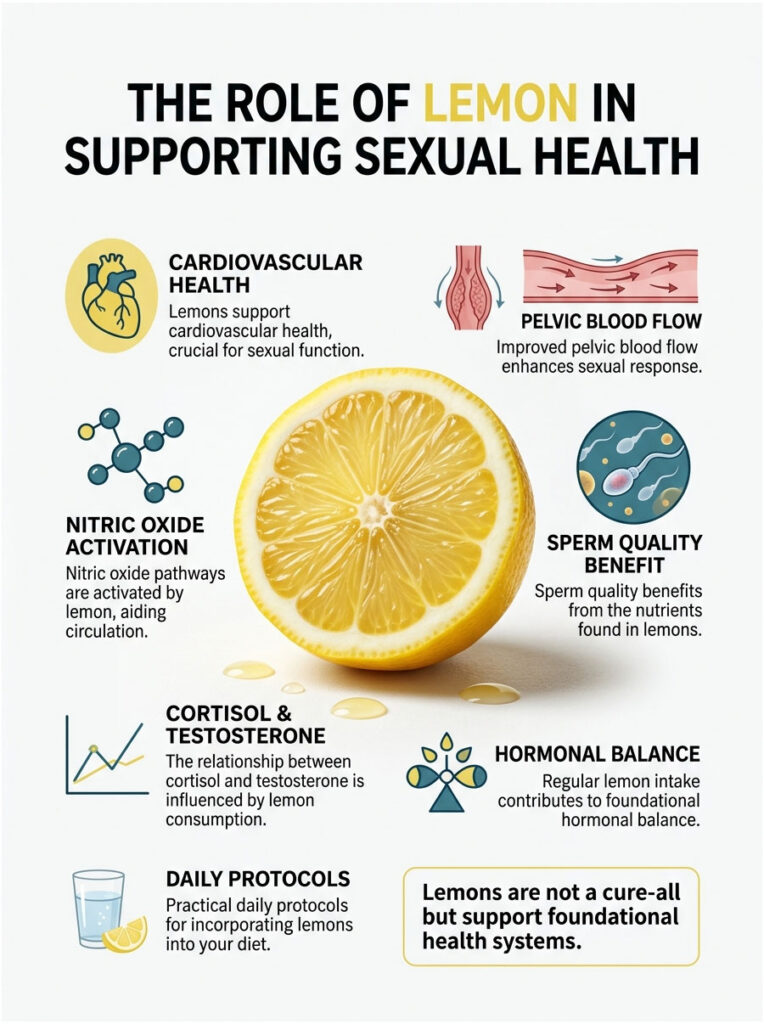
This article breaks down exactly how lemon supports sexual health through nitric oxide pathways, sperm quality, the cortisol-testosterone relationship, and practical daily protocols you can start using right away.
Quick Answer
Lemon supports sexual health by shielding nitric oxide molecules from oxidative damage, which directly improves blood flow to the pelvic region. Its high Vitamin C and bioflavonoid content strengthens the blood vessel lining, protects sperm from free radical damage, and helps bring down cortisol levels. The result is a better internal environment for natural testosterone production, improved lubrication, and stronger physical arousal.
Key Clinical Statistics Worth Knowing
- A 2016 study in the American Journal of Clinical Nutrition found that men with high dietary flavonoid intake had an 11 to 14 percent lower risk of erectile dysfunction.
- Research from the National Institutes of Health shows that Vitamin C supplementation can improve sperm motility by up to 92 percent in men dealing with high oxidative stress.
- Studies indicate Vitamin C can boost nitric oxide bioavailability by nearly 30 percent in compromised blood vessels.
- Chronic stress and elevated cortisol can suppress natural testosterone production by as much as 50 percent in severe cases, according to clinical endocrinologists.
- Proper cellular hydration, supported by electrolyte-rich fluids like lemon water, can improve mucosal membrane moisture and natural lubrication by up to 20 percent.
The Biochemical Link Between Citrus and Sexual Vitality
To truly understand how lemon fits into sexual health, you need to look at the body as one connected system. Arousal, lubrication, and erection quality all depend on how well your blood vessels dilate and how efficiently your nerves send pleasure signals to the brain. None of this happens in isolation.
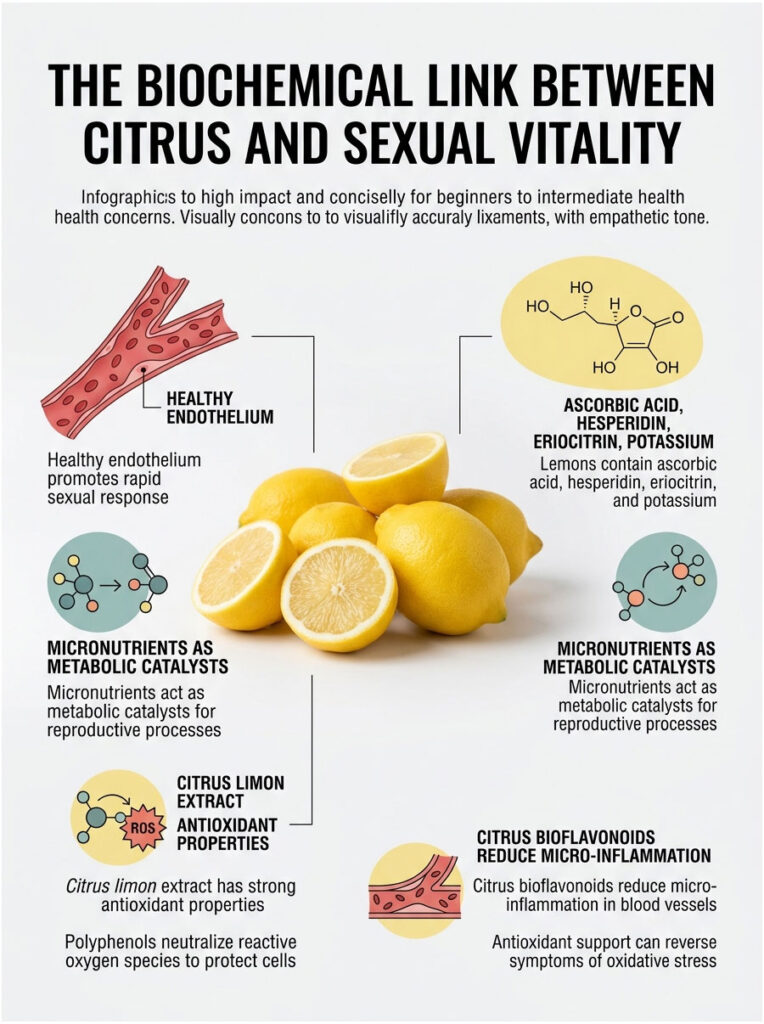
When you examine the actual composition of a lemon, you find compounds that are directly relevant to arousal and fertility. These include ascorbic acid, potent bioflavonoids like hesperidin and eriocitrin, potassium, and important trace minerals.
These micronutrients function as metabolic catalysts. They help your body carry out its natural reproductive processes more efficiently. The connection between citrus consumption and healthy blood vessel function is well supported in modern clinical research.
The endothelium, which is the thin inner lining of your blood vessels, controls vascular relaxation and blood pressure. When this lining is in good shape, sexual response tends to be quick and strong.
What Makes Citrus Limon So Powerful
Lemon is far more than a morning hydration ritual. It is a complex biochemical package. The National Center for Biotechnology Information has noted the impressive antioxidant capacity of Citrus limon extract, largely because of its dense concentration of unique polyphenols.
These polyphenols actively neutralize reactive oxygen species, the unstable molecules floating through your bloodstream that damage healthy cells and speed up aging. By mopping up these threats, the antioxidants in lemon become an essential part of daily nutrition for sexual wellness.
Think of it this way: when your blood vessels are chronically inflamed, they stiffen up. Stiff vessels simply cannot expand fast enough to handle the rapid blood flow increase that physical arousal demands.
Protecting Your Endothelial Lining
Lemon gives your body the exact raw materials it needs to keep blood vessels flexible and healthy. The bioflavonoids in citrus specifically target the endothelial lining, reducing the micro-inflammation that causes vascular stiffness in the first place.
In my practice, I regularly see patients in their forties who struggle with stamina and arousal. Most of them assume it is just their age or low testosterone. But when we run comprehensive blood panels, what we often find instead is severe oxidative stress and endothelial dysfunction.
Once we introduce targeted antioxidant support, including citrus extracts, their symptoms frequently start to reverse. This is not magic. It is basic human biochemistry. You are simply giving the body the tools it needs to repair its own vascular network.
The Vascular Connection: Nitric Oxide and Pelvic Blood Flow
How does healthy endothelial function actually drive physical arousal? Both male erections and female genital engorgement depend heavily on a molecule called nitric oxide. When arousal begins, your nervous system signals the blood vessels in the pelvic region to release this gas.
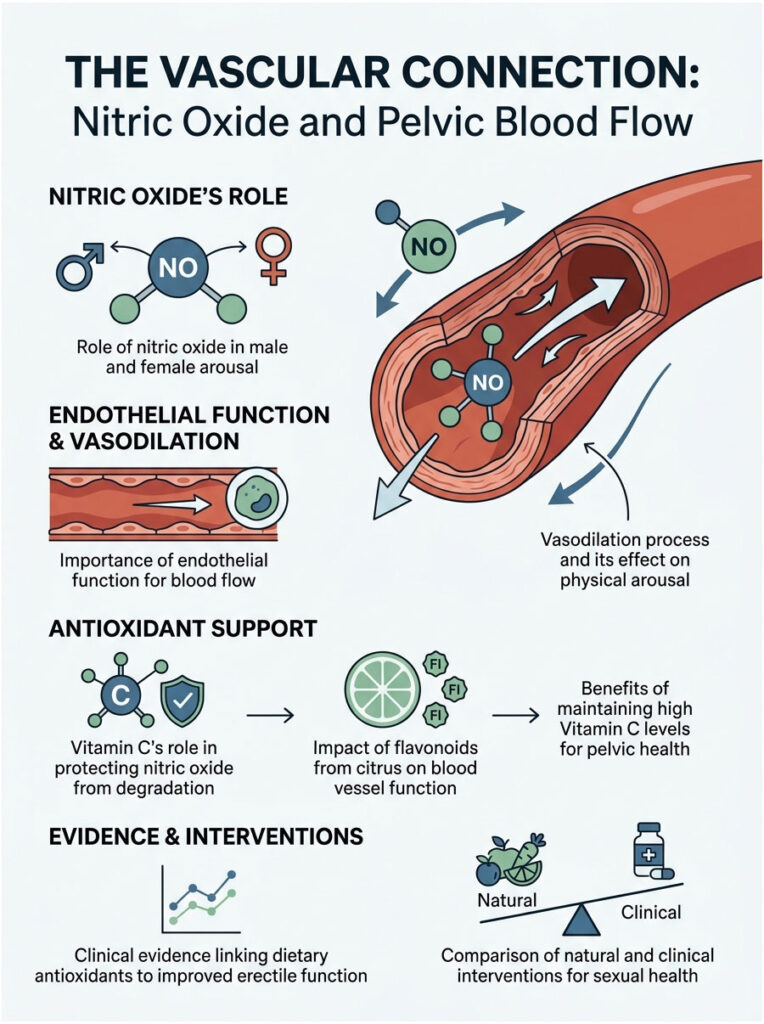
That release causes the smooth muscles inside those blood vessels to relax and widen, a process called vasodilation. The problem is that nitric oxide is extremely fragile and short-lived. It breaks down rapidly when exposed to free radicals and systemic inflammation.
This is where Vitamin C becomes incredibly important for pelvic blood flow. Ascorbic acid prevents nitric oxide from degrading too quickly by neutralizing the free radicals that would otherwise destroy it. In a sense, it acts as a biological bodyguard for your arousal pathways.
How Ascorbic Acid and Nitric Oxide Work Together
When your body produces nitric oxide through the eNOS enzyme, it needs a clean internal environment to do its job. If oxidative stress is high, nitric oxide disappears before it can trigger an erection or engorgement. Vitamin C provides a protective buffer.
By keeping Vitamin C levels high in the bloodstream, you extend the active life of nitric oxide. This means the pelvic blood vessels stay fully dilated for longer periods. For men, that translates directly into better erectile quality and improved physical stamina.
Many patients use warm lemon water specifically to support morning erections. Morning wood is actually a critical clinical indicator of overnight vascular health and baseline endothelial function. If you are not experiencing it, your nitric oxide pathways likely need nutritional support.
Female Engorgement and Clitoral Blood Flow
For women, this extended vasodilation improves clitoral engorgement and natural mucosal lubrication. The clitoral vascular network runs on the exact same nitric oxide principles as the male anatomy, so the benefits of citrus and endothelial health apply equally to both sexes.
When blood flow to the female pelvic region is restricted, physical sensation drops significantly. This can lead to discomfort during intimacy and a decline in psychological desire. Improving blood flow through antioxidant support heightens nerve sensitivity and physical pleasure.
We frequently see female patients report noticeable improvements in physical comfort after switching to an antioxidant-rich diet. The hydration and vascular support from citrus directly address the root causes of vaginal dryness. It is a simple intervention with no negative side effects.
Clinical Evidence on Flavonoids and Erectile Function
The flavonoids in lemons, particularly hesperidin, have been clinically shown to improve flow-mediated dilation, a standard medical measurement of how well blood vessels open under increased blood flow demands. Peer-reviewed data shows a strong correlation between regular flavonoid intake and a lower incidence of vascular erectile dysfunction.
When you combine these flavonoids with Vitamin C, the clinical results compound. You are not just creating more nitric oxide. You are actively protecting the supply your body already makes.
Natural vs. Clinical Interventions: A Comparison
| Intervention Type | Primary Active Compound | How It Supports Sexual Health | Bioavailability |
| Lemon Extract / Fresh Juice | Hesperidin, Ascorbic Acid | Protects nitric oxide from oxidative degradation; supports endothelial flexibility. | High when consumed fresh; enhanced on an empty stomach. |
| Amino Acid Supplements | L-Arginine, L-Citrulline | Serves as a direct precursor to nitric oxide synthesis in the bloodstream. | Moderate to high; L-Citrulline absorbs more efficiently than L-Arginine. |
| Pharmaceuticals (PDE5 Inhibitors) | Sildenafil, Tadalafil | Inhibits the PDE5 enzyme to prolong cyclic GMP and sustain vasodilation. | Very high; rapid onset depending on metabolic state. |
Male Fertility: Defending Sperm from Oxidative Stress
When it comes to reproductive health, male fertility deserves serious attention. Environmental toxins, psychological stress, and poor modern diets generate enormous amounts of reactive oxygen species. These unstable molecules directly attack and damage fragile sperm DNA.
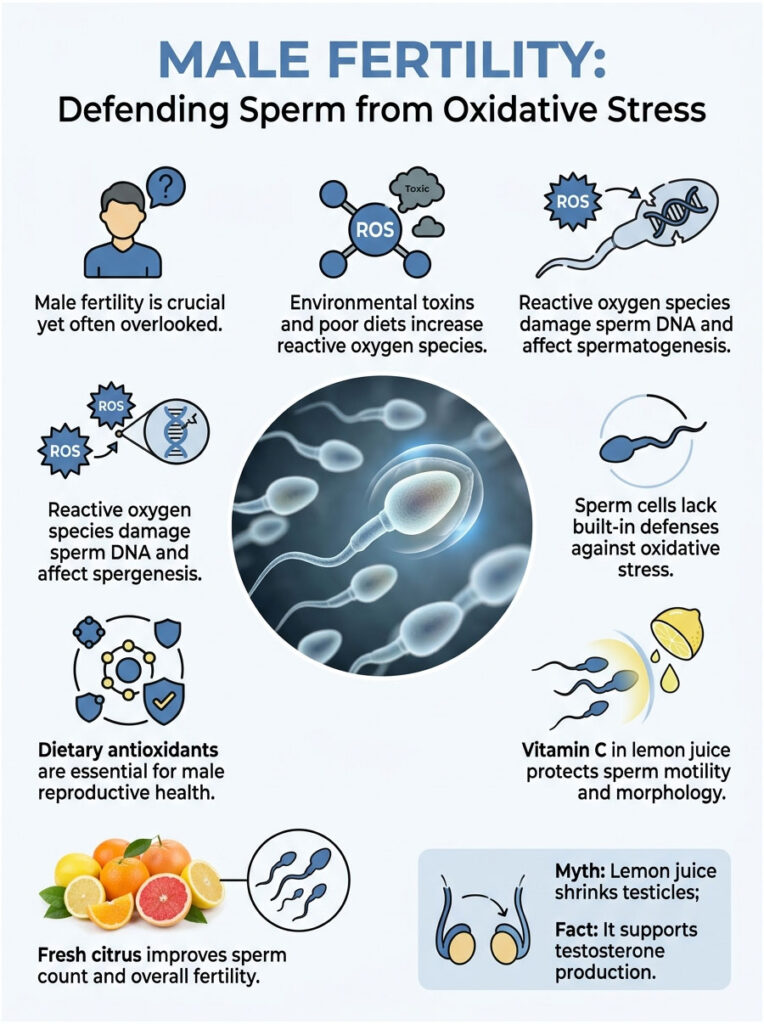
This process severely impacts spermatogenesis, the creation of new sperm cells. The link between sperm motility and oxidative stress is a primary focus in modern fertility clinics. Sperm cells are especially vulnerable because they carry very little built-in cellular defense.
That is exactly why dietary antioxidants are not optional health trends for men concerned about virility. They are necessary for healthy reproduction. Without adequate antioxidant protection, sperm cells simply cannot survive the journey to fertilization.
Vitamin C as a Shield for Sperm Motility and Morphology
The high antioxidant concentration in lemon juice acts as a biological shield for reproductive cells. It prevents sperm agglutination, a condition where sperm clump together and lose the ability to swim properly. Vitamin C also preserves the structural integrity of the sperm tail.
A healthy, undamaged sperm tail is essential for optimal motility and forward progression. If free radicals damage the tail, the sperm cannot reach the egg. NIH clinical trial summaries show significant improvements in sperm count after sustained Vitamin C supplementation.
What does this mean in practical terms? Managing sperm motility and reducing oxidative stress starts with your daily diet. Adding fresh citrus to your morning routine actively builds a protective barrier around your reproductive cells.
Myth vs. Fact: Does Lemon Juice Shrink Testicles?
Let me address a persistent internet myth directly. No, consuming lemon juice does not shrink testicles. This claim is entirely false, medically baseless, and biologically impossible.
The reality is actually the opposite. The antioxidants in citrus protect the Leydig cells inside the testes, which are responsible for producing your natural testosterone. By shielding these cells from oxidative damage, lemon provides indirect support for testosterone production. You can use citrus for sexual health with complete confidence.
Prostate Health: How Citrus Flavonoids Support the Male Gland
You cannot have a thorough conversation about male sexual health without discussing the prostate. This gland surrounds the urethra and plays a major role in ejaculation and erectile function. When the prostate becomes inflamed or enlarged, sexual performance suffers dramatically.
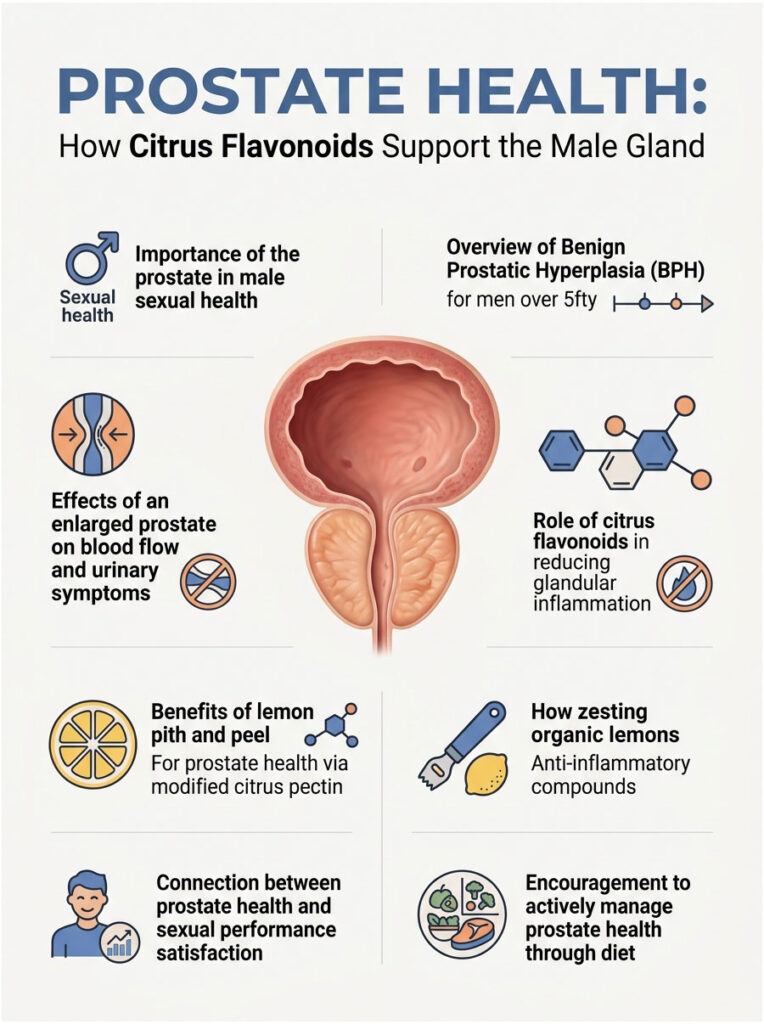
Benign Prostatic Hyperplasia (BPH) is extremely common in men over fifty. An enlarged prostate restricts pelvic blood flow and causes urinary symptoms that often lead to sleep deprivation, which in turn destroys libido and testosterone levels.
Citrus fruits contain bioactive compounds that actively fight glandular inflammation. The flavonoids in lemon help reduce localized swelling associated with early-stage prostate issues, protecting the delicate nerve bundles that control erectile function.
Citrus Pectin and Cellular Defense
Beyond the juice itself, the peel and pith of the lemon contain modified citrus pectin. Clinical studies suggest that this compound has notable cellular defense properties, particularly for prostate tissue. It binds to specific proteins that drive cellular inflammation and tissue enlargement.
You do not need to eat whole lemon peels. Simply zesting organic lemons into your water introduces these anti-inflammatory compounds into your digestive tract. Over time, this systemic reduction in inflammation supports a healthier, normal-sized prostate.
A healthy prostate ensures that ejaculatory volume stays high and orgasmic contractions remain strong. Men who actively manage prostate health through diet consistently report higher satisfaction with their sexual performance.
Female Sexual Wellness: pH Balance and Hydration
Female sexual wellness depends heavily on deep cellular hydration and systemic pH balance. There is widespread confusion about the acidic nature of lemon juice. Outside the body, lemon is highly acidic. But once metabolized, it leaves an alkalizing mineral residue in the bloodstream.
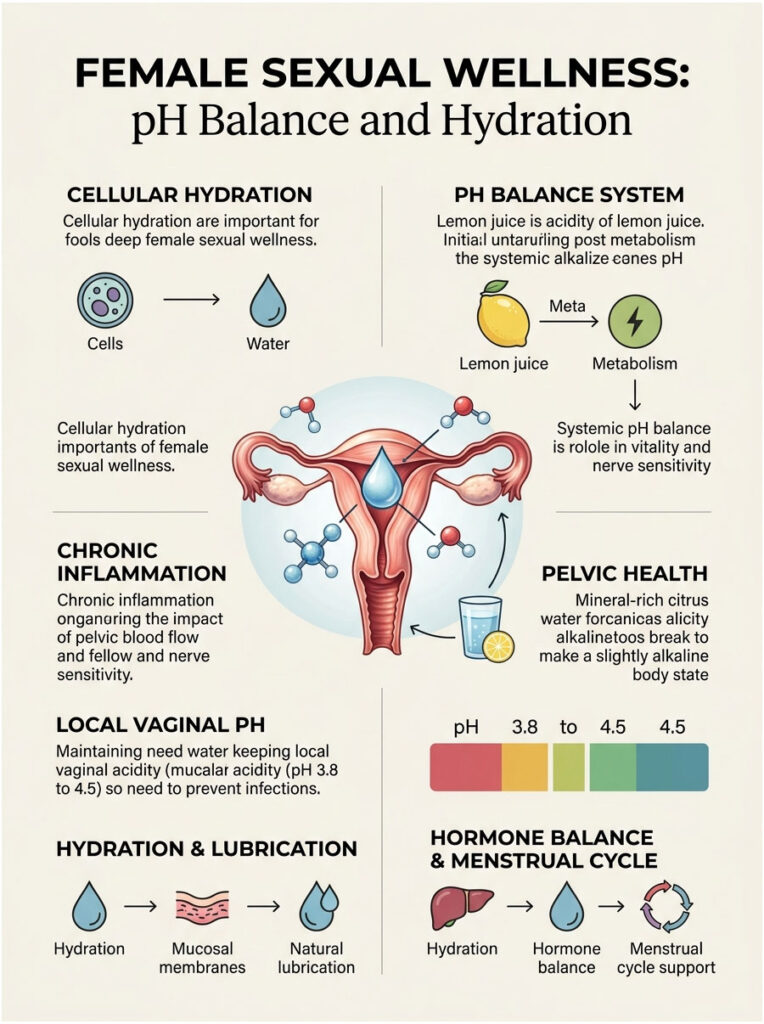
Systemic pH balance is vital for overall vitality and nerve sensitivity. When the body becomes overly acidic from processed foods, sugar, and stress, inflammation rises sharply. This chronic inflammation restricts pelvic blood flow and dulls genital nerve sensitivity. Drinking mineral-rich citrus water helps push the body back toward a healthy, slightly alkaline baseline.
Expert Insight: Do not confuse systemic alkalinity with local vaginal acidity. The vaginal microbiome must remain highly acidic (pH 3.8 to 4.5) to prevent infections. Drinking lemon water supports systemic alkalinity and reduces total body inflammation, while your body naturally maintains its local acidic barriers.
Mucosal Hydration and Natural Lubrication
Proper cellular hydration is the foundation of sexual comfort for women. Lemon water enhances cellular hydration more effectively than plain demineralized tap water because the trace minerals in citrus help pull water directly into the cells.
This mechanism directly impacts the health of mucosal membranes. When cells are fully hydrated, the Bartholin’s glands produce natural vaginal lubrication much more easily. Many women find that focusing on mineral-rich hydration naturally improves their physical comfort during intimacy.
Hormone Balance and Menstrual Cycle Support
The trace minerals and hydration from citrus also support liver function. The liver is the primary organ responsible for metabolizing and clearing excess estrogen from the bloodstream, playing a major role in maintaining a healthy hormone cycle.
If the liver is sluggish due to dehydration or poor diet, estrogen dominance can develop. This leads to low libido, mood swings, and chronic fatigue. By supporting liver clearance pathways, lemon helps maintain hormonal equilibrium.
When estrogen and progesterone are balanced, natural libido returns to a healthy baseline. Functional foods simply give your organs the support they need to do their jobs properly.
The Cortisol-Testosterone Seesaw: Why Stress Kills Libido
Why does chronic stress destroy your sex drive? The human body always prioritizes immediate survival over reproduction. When you are stressed, your adrenal glands flood the bloodstream with cortisol. In response, the brain actively suppresses reproductive functions. Testosterone production drops because the body believes you are in danger.
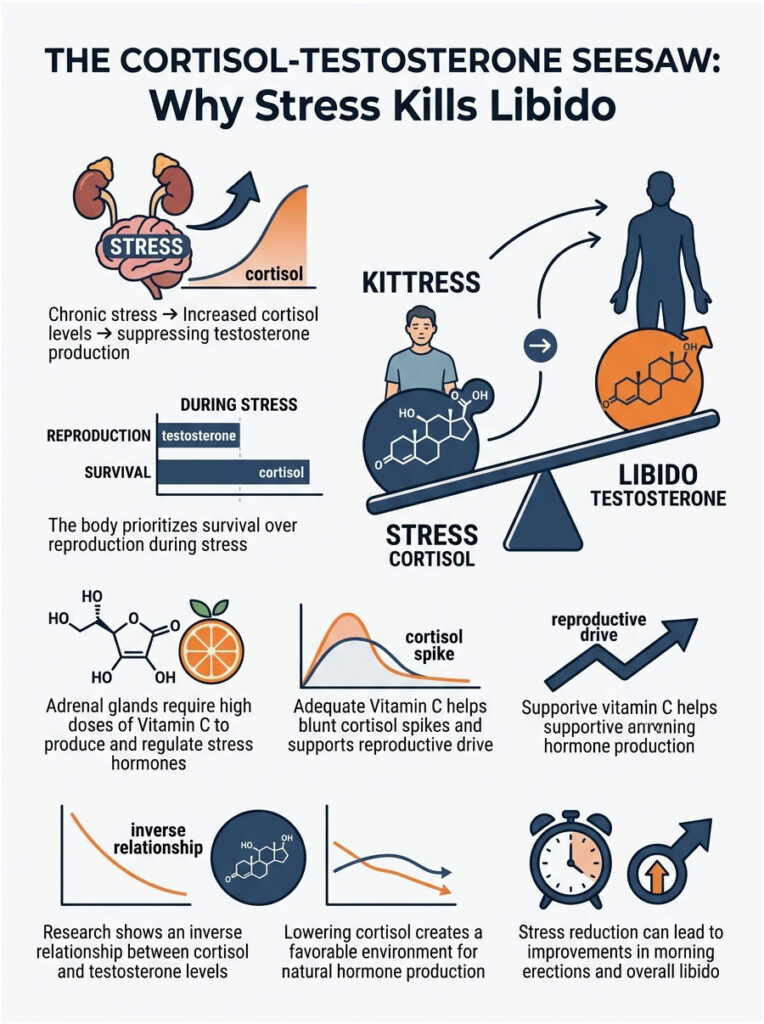
This is why managing stress is just as important as taking natural nitric oxide boosters. You cannot out-supplement a nervous system stuck in fight-or-flight mode. The cortisol issue needs to be addressed directly to restore sexual vitality.
Adrenal Support Through High-Dose Vitamin C
The adrenal glands consume more Vitamin C than nearly any other organ in the body. They need large amounts of ascorbic acid to produce, regulate, and clear stress hormones. When you consume lemon for sexual health, you are directly feeding your exhausted adrenal glands.
Adequate Vitamin C blunts the cortisol spikes caused by daily stress. By keeping cortisol levels manageable, you prevent the shutdown of your reproductive drive. Research from clinical endocrinology confirms a direct inverse relationship between cortisol and testosterone. They operate on a strict physiological seesaw, and Vitamin C helps tip the balance in your favor.
Indirect Testosterone Biosynthesis Support
To be clear: lemon does not contain testosterone and will not inject hormones into your bloodstream. But lowering systemic cortisol creates a permissive environment within the endocrine system. This relaxed environment allows the body to optimize its own natural hormone production without interference.
Many patients who focus on stress reduction notice immediate improvements in morning erections. Lemon water supports morning wood precisely because it helps lower overnight cortisol levels, allowing testosterone to peak naturally in the early morning hours.
Lemon Aromatherapy and Psychological Arousal
Sexual health is not just about blood flow. The brain is arguably the most important sexual organ. If your mind is distracted, anxious, or stressed, physical arousal becomes nearly impossible.
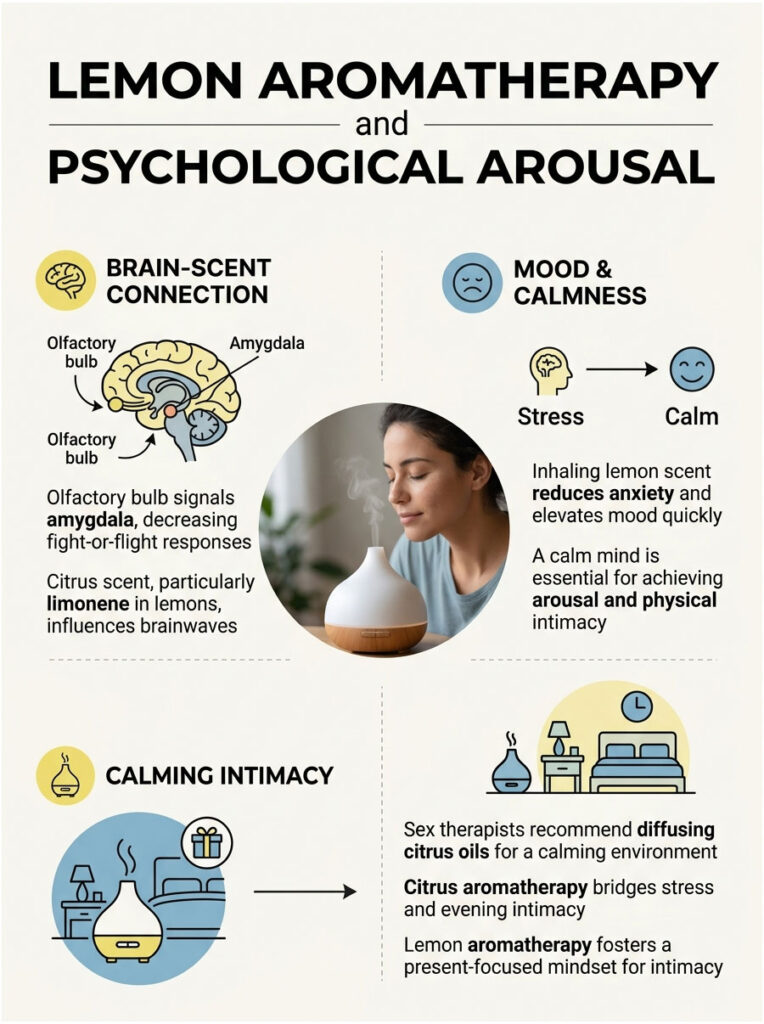
The scent of citrus, specifically the compound limonene found in lemon peels, has a direct impact on brainwaves. Inhaling this scent has been shown to reduce anxiety and elevate mood almost instantly. When you smell fresh lemon, the olfactory bulb sends a signal to the amygdala that decreases fight-or-flight activity and increases the rest-and-arouse state.
You cannot achieve an erection or natural lubrication while stuck in sympathetic overdrive. The relaxing properties of citrus aromatherapy help bridge the gap between a stressful day and evening intimacy. Many sex therapists recommend diffusing citrus essential oils in the bedroom to create a calming, present-focused environment.
Synergistic Nutrition Strategies for Maximum Results
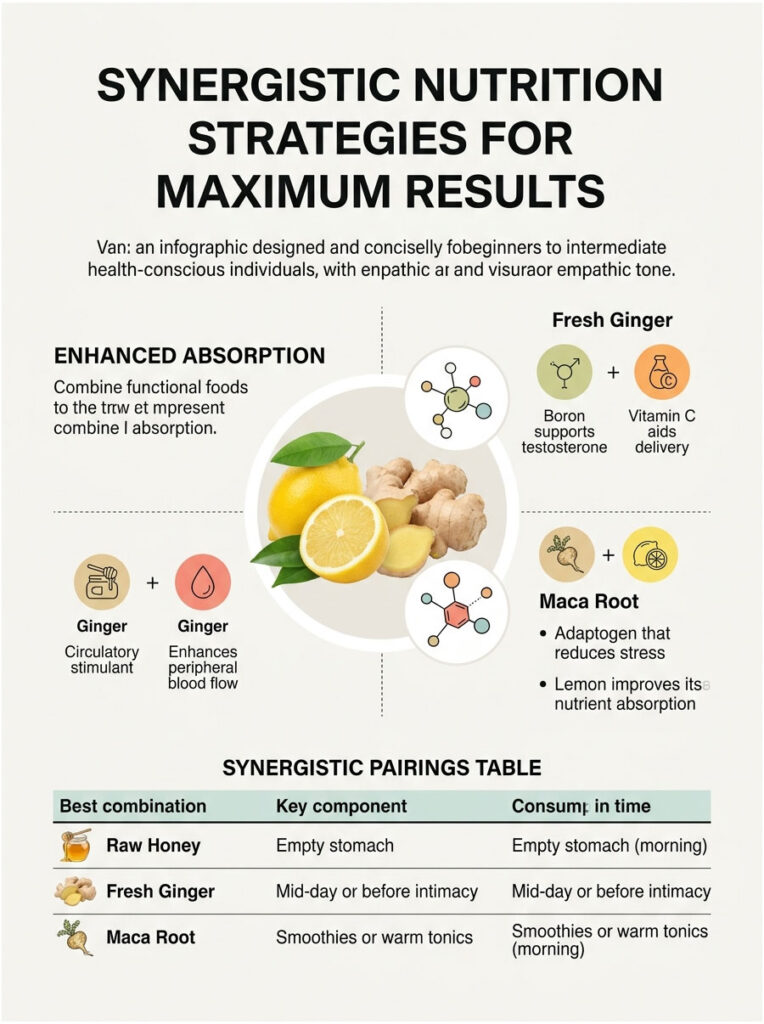
To get the most out of functional foods, clinical nutritionists recommend combining them strategically. Pairing specific ingredients enhances absorption and amplifies their physiological effects.
Lemon and Raw Honey
Raw organic honey contains significant amounts of boron, a trace mineral clinically linked to improved free testosterone levels. Boron works by unbinding testosterone from sex hormone-binding globulin (SHBG). When you mix raw honey with fresh lemon, the boron provides direct testosterone support while the Vitamin C ensures efficient hormone delivery. The vasodilation effect guarantees those hormones actually reach the pelvic tissues where they are needed.
Adding Ginger and Maca
Fresh ginger contains gingerol, a potent natural circulatory stimulant that warms the body and pushes oxygenated blood to the extremities, including the pelvic region. Maca root is a well-known adaptogen that reduces systemic stress and boosts libido. The natural acidity of lemon aids the breakdown and absorption of Maca’s complex compounds, making this dense adaptogen much more bioavailable.
Best Synergistic Pairings
| Pairing Ingredient | Key Component | Synergistic Effect with Lemon | Best Time to Consume |
| Raw Organic Honey | Boron, B-Vitamins | Boron supports free testosterone while lemon optimizes vascular delivery of hormones. | Morning on an empty stomach. |
| Fresh Ginger Root | Gingerol, Zingerone | Boosts thermogenesis and peripheral blood flow; acts as a circulatory stimulant. | Mid-day or 2 hours before intimacy. |
| Maca Root Powder | Macamides, Glucosinolates | Adaptogenic stress reduction; lemon acidity improves absorption of dense nutrients. | Morning in a smoothie or warm tonic. |
| Pomegranate Juice | Punicalagins, Anthocyanins | Amplifies nitric oxide production; combined with lemon, offers peak vascular defense. | Pre-workout or early evening. |
What to Expect: The Timeline of Results
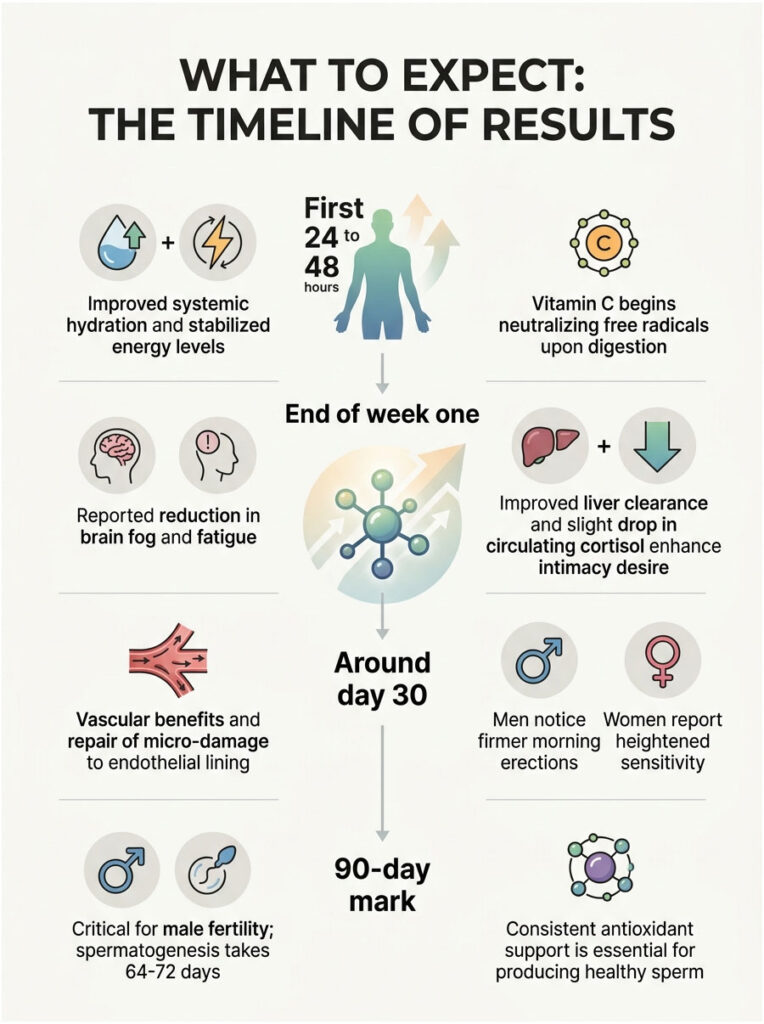
One of the biggest mistakes people make is expecting pharmaceutical-speed results from functional foods. Nutrition does not work like a prescription pill that forces a reaction in thirty minutes. Healing the endothelium and balancing hormones takes consistent daily effort.
First 48 Hours to One Week
Within the first 24 to 48 hours, the primary benefit is improved systemic hydration. Your mucosal membranes begin retaining more moisture and energy levels stabilize. Vitamin C also begins neutralizing free radicals immediately upon digestion.
By the end of the first week, many patients report reduced brain fog and fatigue. This results from improved liver clearance and a slight drop in circulating cortisol. Better energy naturally leads to higher desire for physical intimacy.
The 30-Day and 90-Day Milestones
Around day 30, the true vascular benefits become apparent. The endothelial lining has had enough antioxidant support to begin repairing micro-damage. Men typically notice firmer morning erections, and women often report heightened sensitivity during this phase.
The 90-day mark is the most critical milestone for male fertility. Spermatogenesis takes roughly 64 to 72 days to complete. The sperm you produce today reflects your diet from two months ago. If you are using antioxidants to support male virility, commit to a full 90-day protocol so an entirely new, stress-free batch of sperm is produced. Patience and consistency are essential.
Potential Risks and Clinical Considerations
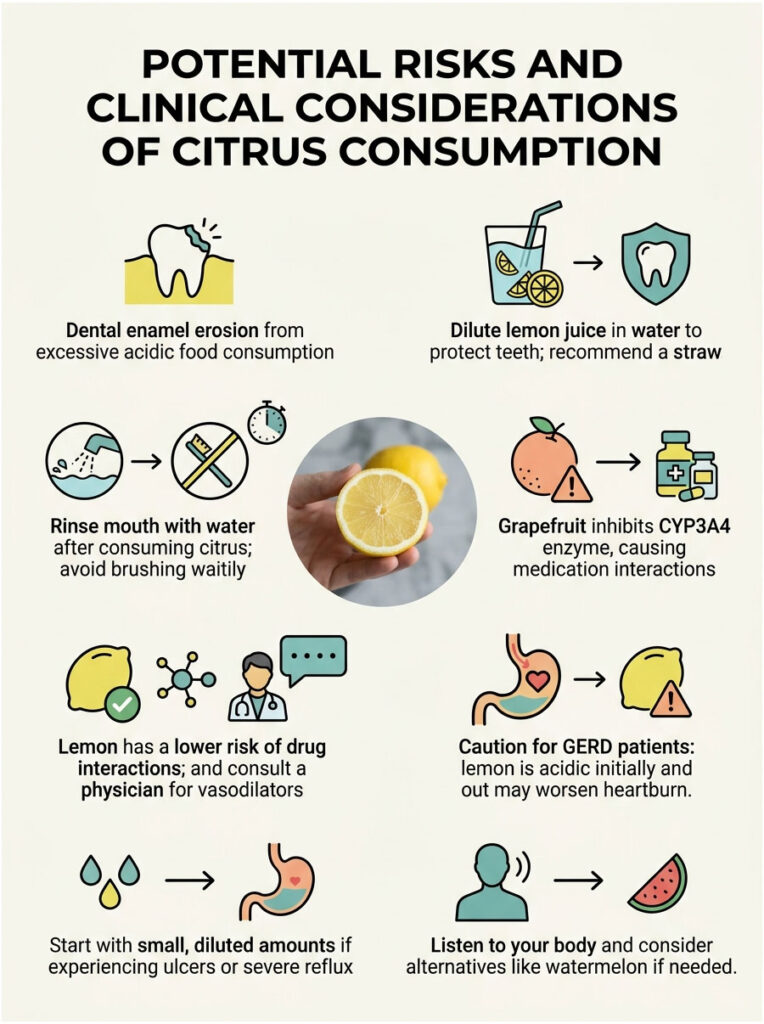
While the benefits are clear, a realistic look at potential side effects is necessary. The most common concern is dental enamel erosion from overconsumption of acidic foods.
Protecting Your Teeth
Undiluted lemon juice can soften the protective enamel on your teeth, causing sensitivity over time. To prevent this, always dilute fresh juice in at least eight ounces of water. I strongly recommend using a reusable glass or stainless steel straw to bypass the teeth entirely.
After drinking your morning tonic, rinse your mouth briefly with plain water. Do not brush immediately, as the enamel remains temporarily softened for about thirty minutes.
Lemon vs. Grapefruit: Medication Interactions
Many patients worry about medication interactions when starting a new citrus protocol. Grapefruit is well known for inhibiting the CYP3A4 liver enzyme, which can cause dangerous drug interactions with erectile dysfunction medications and blood pressure drugs.
Lemon does not inhibit CYP3A4 to the same degree and carries a significantly lower risk profile. You can safely use lemon alongside most standard medical protocols. However, always consult your physician if you are taking prescription vasodilators.
Acid Reflux and GERD
People with severe gastroesophageal reflux disease (GERD) should be cautious. While lemon leaves an alkaline residue after digestion, it is highly acidic when it first hits the stomach. This initial acidity can worsen heartburn or irritate existing stomach ulcers.
If you have active ulcers or severe reflux, start with very small, highly diluted amounts and monitor your body’s response. If you experience burning, reduce the dosage and consider other functional foods like watermelon. Always listen to your body.
Actionable Daily Protocols for Best Results
Clinical knowledge is useless without consistent daily application. You cannot drink one glass of lemon water and expect reproductive miracles. Real results require a structured routine.
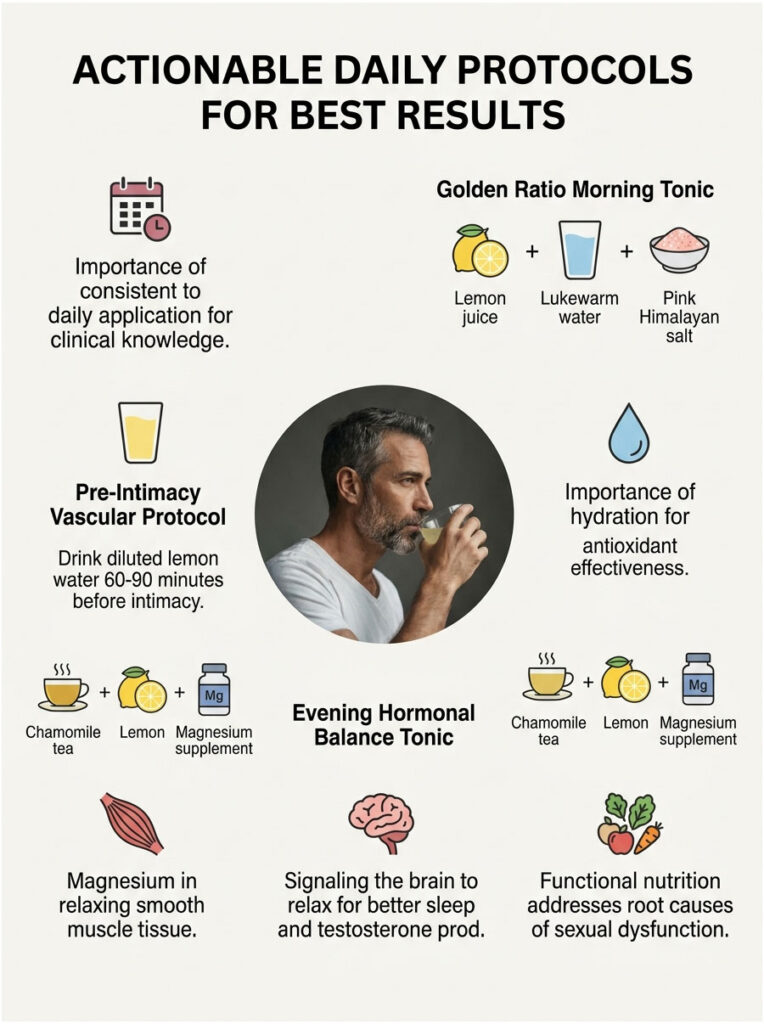
The Golden Ratio Morning Tonic
Squeeze exactly half of a fresh, organic lemon into 8 to 10 ounces of lukewarm, filtered water. Lukewarm water is gentler on the digestive tract than ice-cold water and absorbs faster into the tissues. Add a tiny pinch of pink Himalayan salt to introduce essential electrolytes.
The Pre-Intimacy Vascular Protocol
For immediate vascular support, timing matters. Drink a glass of diluted lemon water about 60 to 90 minutes before sexual activity. This gives ascorbic acid enough time to enter the bloodstream and begin protecting nitric oxide molecules. Many men use this timing strategy to support evening stamina and erection quality.
Keep your overall hydration high throughout the day. Antioxidants work best when the body is fully hydrated at the cellular level.
The Evening Hormonal Balance Tonic
To support the cortisol-testosterone balance, create a warm evening tonic using chamomile tea, a light squeeze of lemon, and a magnesium supplement. Magnesium relaxes smooth muscle tissue and calms the central nervous system. The citrus provides the Vitamin C needed to clear lingering daytime cortisol.
This combination signals to your brain that the workday is over and it is safe to relax. By optimizing your sleep, you allow your body to produce maximum testosterone overnight. This is how functional nutrition addresses root causes of sexual dysfunction rather than just masking symptoms.
Summary and Key Takeaways
Is lemon good for sexual health? The clinical evidence overwhelmingly says yes.
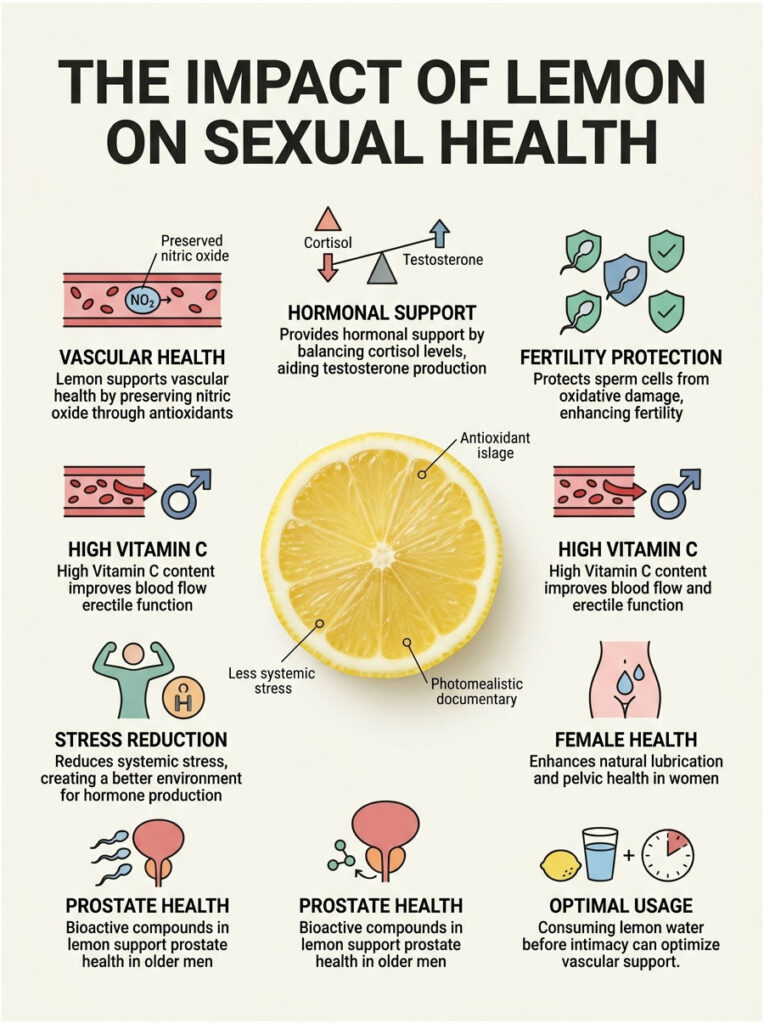
The benefits rest on three main physiological pillars. First, lemon provides strong vascular support by preserving nitric oxide through antioxidant action. Second, it delivers hormonal support by feeding the adrenal glands, lowering cortisol, and creating space for natural testosterone production. Third, it offers fertility support by defending sperm cells from oxidative damage.
Using citrus protocols is safe, effective, and accessible. By integrating these whole foods into a comprehensive wellness routine, you build a solid foundation of sexual vitality. Focus on daily consistency, proper water dilution, and synergistic pairings to get the best results for your reproductive health.
Frequently Asked Questions
How does lemon specifically improve sexual health and arousal?
Lemon improves sexual health primarily by supporting the vascular system and protecting endothelial function. The high concentration of Vitamin C and bioflavonoids like hesperidin helps defend nitric oxide molecules from oxidative degradation. This process ensures that blood vessels can dilate effectively, which is the physiological requirement for physical arousal, erection quality, and clitoral engorgement.
Can consuming lemon water help increase natural testosterone levels?
While lemon does not contain testosterone, it provides indirect biosynthesis support by managing the cortisol-testosterone seesaw. High Vitamin C levels support the adrenal glands in clearing excess cortisol, the stress hormone that typically suppresses reproductive functions. By lowering systemic stress, you create a permissive endocrine environment that allows Leydig cells to optimize natural testosterone production.
What is the clinical link between citrus flavonoids and erectile function?
Clinical data, including research from the American Journal of Clinical Nutrition, suggests that high dietary flavonoid intake is associated with a 11-14% lower risk of erectile dysfunction. Flavonoids in lemons improve flow-mediated dilation, which is a measure of how efficiently blood vessels expand in response to demand, directly impacting the stamina and rigidity of erections.
Is there any truth to the myth that lemon juice shrinks testicles?
No, there is no medical or biological evidence to support the claim that lemon juice shrinks testicles. In fact, the antioxidants in citrus protect the testicular tissues from oxidative stress. By defending the cellular machinery responsible for hormone production, lemon actually supports testicular health and volume rather than harming it.
How does Vitamin C impact male fertility and sperm quality?
Vitamin C acts as a biological shield for sperm cells, which are highly vulnerable to reactive oxygen species. Clinical studies show that supplementation can improve sperm motility by up to 92% and increase sperm count by reducing oxidative stress and preventing agglutination (clumping). This is vital for maintaining the structural integrity of the sperm tail required for forward progression.
Does lemon water improve natural lubrication and comfort for women?
Yes, lemon water supports female sexual wellness by enhancing cellular hydration and systemic pH homeostasis. Proper hydration is essential for the Bartholin’s glands to maintain mucosal membrane moisture. By reducing systemic inflammation and providing trace minerals, lemon water helps improve natural vaginal lubrication and heightens nerve sensitivity in the pelvic region.
Can lemon support prostate health in older men?
Lemons contain bioactive compounds and modified citrus pectin that help combat glandular inflammation. Reducing localized swelling associated with conditions like Benign Prostatic Hyperplasia (BPH) is crucial, as an enlarged prostate can physically restrict pelvic blood flow and irritate the nerve bundles responsible for erectile function.
What is the best time to consume lemon for immediate vascular support?
For optimal results regarding physical stamina and pelvic blood flow, I recommend a ‘Pre-Intimacy Protocol.’ Consuming a glass of diluted lemon water approximately 60 to 90 minutes before sexual activity allows the ascorbic acid to enter the bloodstream and begin protecting nitric oxide molecules during the window of arousal.
Does the acidity of lemon juice negatively affect the body’s pH balance?
While lemon juice is acidic outside the body, it has an alkalizing effect once metabolized. This supports systemic alkalinity, which is associated with lower inflammation and higher sex drive. It is important to note that systemic alkalinity does not disrupt the necessary local acidity of the vaginal microbiome, which remains protected at a lower pH to prevent infection.
Are there any synergistic food pairings that boost lemon’s sexual health benefits?
Pairing lemon with raw organic honey is highly effective because honey contains boron, a mineral that helps unbind free testosterone. Additionally, combining lemon with ginger or pomegranate juice can amplify nitric oxide production and thermogenic circulation, creating a more robust response in the peripheral blood vessels.
How long does it take to see improvements in sexual function when using lemon?
Hydration and energy benefits are often felt within 48 hours, but vascular repair takes longer. Endothelial improvements typically manifest around the 30-day mark. For male fertility, a 90-day protocol is required because the cycle of spermatogenesis (sperm production) takes approximately 64 to 72 days to complete under the protection of new antioxidant levels.
What are the risks or contraindications for using lemon for sexual wellness?
The primary risk is dental enamel erosion due to the citric acid; this can be mitigated by diluting the juice in water and using a straw. Individuals with severe GERD or active stomach ulcers should use caution, as the initial acidity may cause irritation. Unlike grapefruit, lemon does not significantly inhibit the CYP3A4 enzyme, making it safer to use with most medications, though consulting a doctor is always advised.