The CDC tracks somewhere between 9 and 41 million flu illnesses across the United States every season, and that’s before you count the regular colds, sinus flares, and stomach bugs Americans push through each winter. So when you’re shivering on the couch with a sandpaper throat, reaching for a glass of juice feels obvious. The catch is that most juice in your fridge right now is the wrong kind, in the wrong dose, at the wrong moment.
Table of Contents
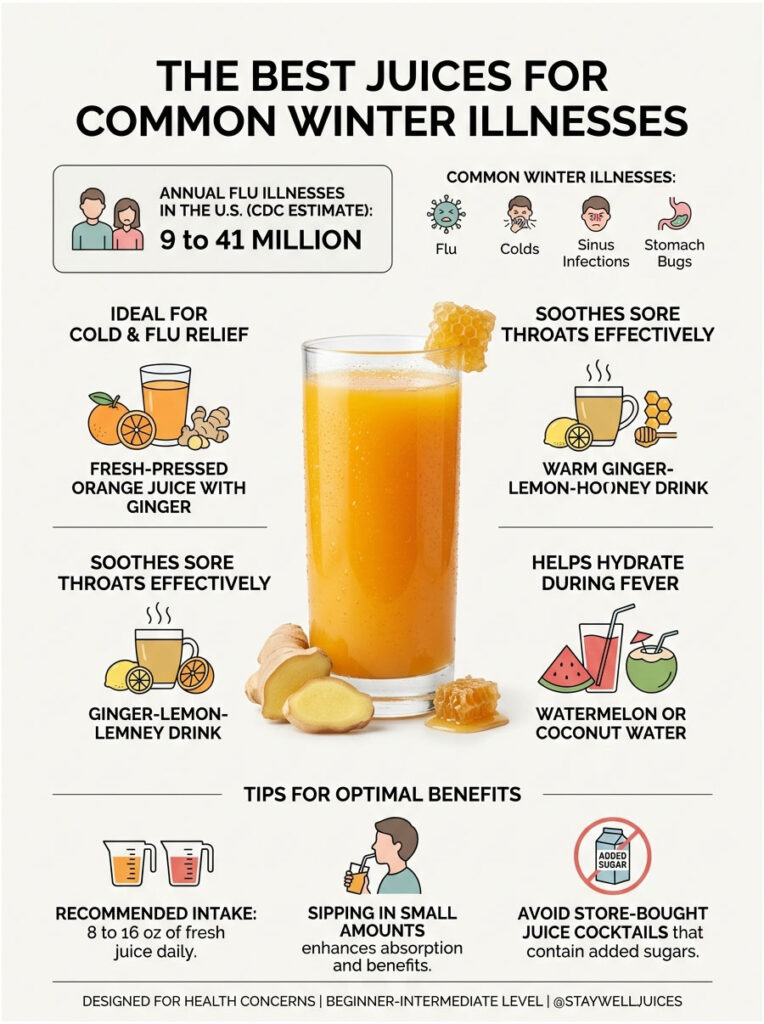
Quick Answer: The best juice to drink when sick is fresh-pressed orange juice with ginger for cold and flu, warm ginger-lemon-honey for a sore throat, and watermelon or coconut water for fever. Aim for 8 to 16 oz of fresh juice daily, sipped in small pours, and skip store-bought juice cocktails with added sugar.
At a Glance
- Citrus, ginger, turmeric, carrot, and beet are the five star ingredients backed by NIH research for sick-day juice.
- Adults need 75 mg (women) or 90 mg (men) of vitamin C daily; one 8 oz glass of fresh OJ delivers around 124 mg.
- Cold-pressed juice keeps up to 30% more vitamin C and live enzymes than centrifugal juice when sipped at the same time.
- The American Academy of Pediatrics says no juice for infants under 12 months, even when sick.
- Acidic citrus can worsen a raw sore throat or acid reflux; warm honey-ginger water is gentler.
- Drink 8 to 16 oz of fresh juice per day during illness; more isn’t better and adds a sugar load.
- Call a clinician if your fever tops 103°F, lasts over 3 days, or you can’t keep fluids down.
Why Fresh Juice Helps When You’re Sick (the Real Science)
When the body fights an infection, it burns through fluids, electrolytes, and micronutrients faster than usual. Fever pushes water out through sweat. Mucus production drains zinc and water-soluble vitamins. Reduced appetite means less food going in to refill the tank. Juice steps into that gap fast.
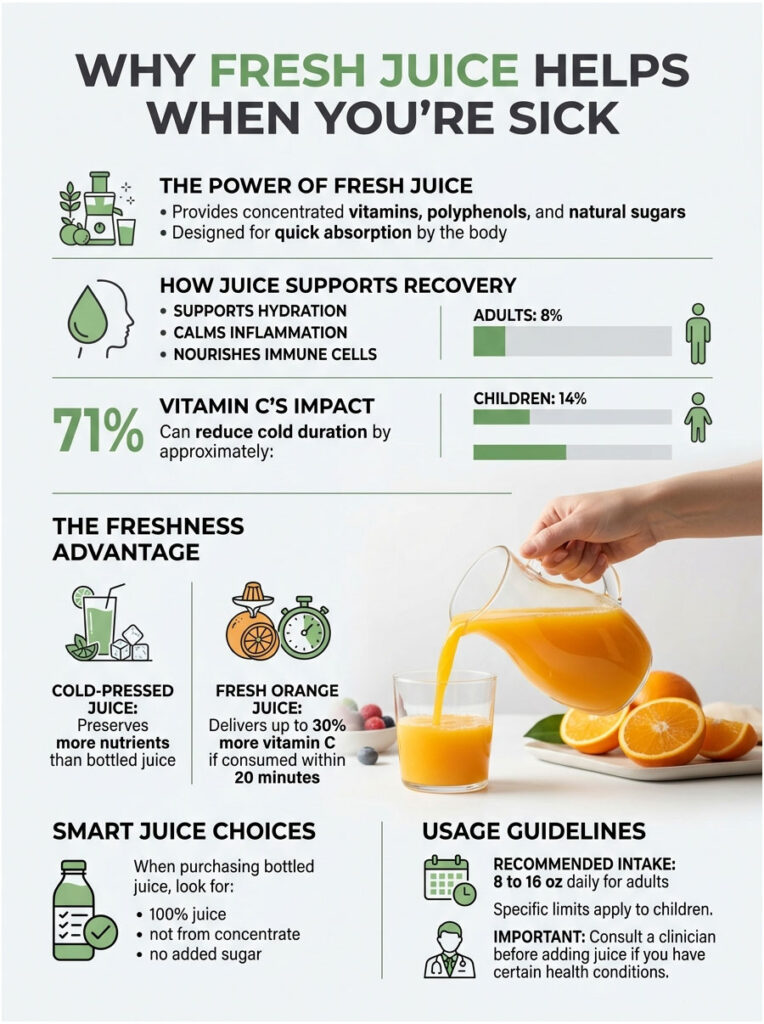
Fresh fruit and vegetable juice gives you concentrated vitamins, polyphenols, and natural sugars in a form your gut absorbs in roughly 15 to 20 minutes. That speed matters when nausea or fatigue makes a real meal feel out of reach.
Patients commonly ask us whether juice can replace medication when they’re sick. Our medical reviewers note that the answer is no. Juice supports the body’s recovery machinery, but it doesn’t kill viruses or bacteria. What juice actually does well is hydrate, calm inflammation, and feed the immune cells doing the heavy lifting.
The National Institutes of Health Office of Dietary Supplements confirms vitamin C reduces the duration of the common cold by about 8% in adults and 14% in children when intake is consistent. That 8% can mean a full day shaved off your recovery clock.
What Cold-Pressed Juice Preserves That Bottled Doesn’t
Centrifugal juicers spin produce against fast blades. The friction generates heat and oxygen, both of which start breaking down vitamin C and live enzymes within minutes. Cold-pressed (also called masticating or slow) juicers crush and squeeze the produce, preserving more active compounds.
A glass of fresh-pressed orange juice consumed within 20 minutes can deliver up to 30% more vitamin C than the same juice bottled and refrigerated for 24 hours, based on USDA FoodData Central comparisons. When you’re already sick, every milligram counts.
Bottled juice from the grocery store is pasteurized for shelf stability, which kills enzymes and reduces some heat-sensitive vitamins. If fresh-pressed isn’t an option at home, look for “100% juice, not from concentrate, no added sugar” on the label and finish the bottle within 7 days of opening.
How Much Juice Should You Drink When Sick? (USA-Specific Dosing)
Adults can safely drink 8 to 16 oz (one to two cups) of fresh juice per day during illness. Splitting that into smaller 4 oz pours every couple of hours works better than one big glass, especially if your stomach is unsettled.
Kids ages 1 to 3 should stay under 4 oz daily. Ages 4 to 6 should cap at 6 oz. Ages 7 and up can have up to 8 oz, per American Academy of Pediatrics guidance. Infants under 12 months should not have juice at all, even when sick.
Diabetics, anyone with kidney disease, and people on blood thinners (especially when paired with beet or grapefruit juice) should check with a clinician before adding fresh juice to a sick-day routine.
Best Juice for Each Symptom: Cold, Flu, Sore Throat, Fever
Different symptoms respond to different ingredients. Random sipping doesn’t help. The matrix below pairs the most common sick-day complaints with the juice that targets them, plus the active compound doing the work.
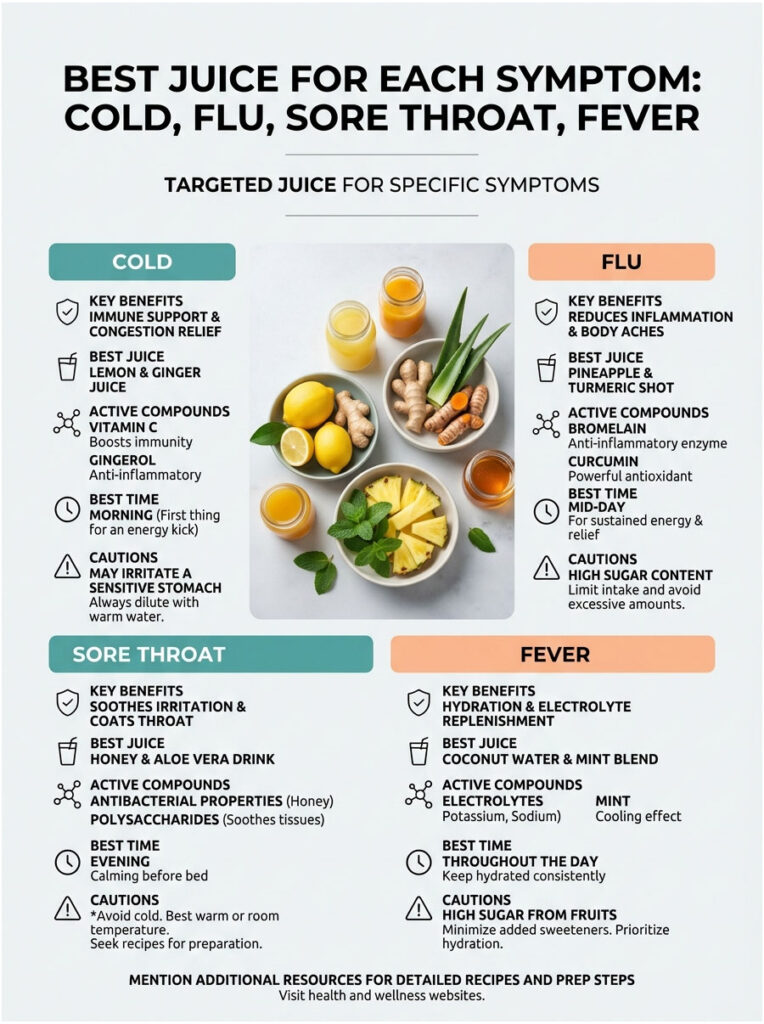
Table 1: Symptom-to-Juice Decision Matrix
| Symptom | Best Juice Match | Key Active Compound | Best Time of Day | Caution |
| Common cold | Orange + Lemon + Ginger | Vitamin C, gingerol | Morning | Dilute if throat is raw |
| Flu (fever, body aches) | Carrot + Turmeric + Orange | Beta-carotene, curcumin | Midday | Avoid on empty stomach |
| Sore throat | Ginger + Lemon + Honey (warm) | Gingerol, antimicrobial honey | Anytime | Skip cold citrus |
| Fever | Watermelon + Mint or coconut water | Lycopene, electrolytes | All day | Sip slowly |
| Sinus congestion | Pineapple + Ginger + Turmeric | Bromelain | Morning | Limit if reflux |
| Cough | Pineapple + Honey + Lemon | Bromelain, soothing honey | Evening | Not for infants under 12 months |
| Nausea / stomach flu | Cucumber + Apple (diluted) | Pectin, hydration | Small sips | Skip citrus first 24 hrs |
| Body aches | Tart cherry + Pomegranate | Anthocyanins | Evening | Watch sugar if diabetic |
Use this as your quick lookup table; the recipes below give exact measurements and prep steps for each pairing.
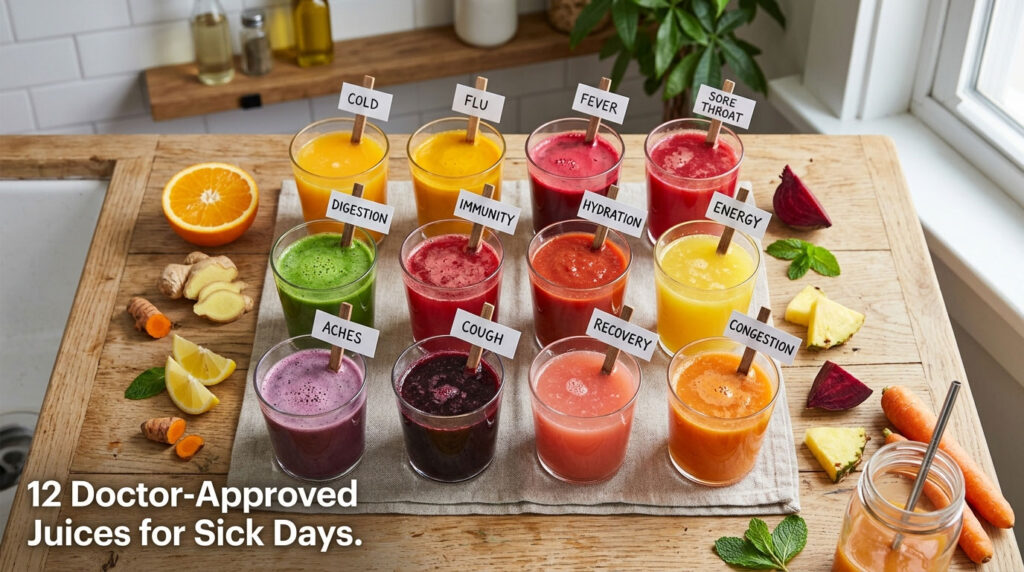
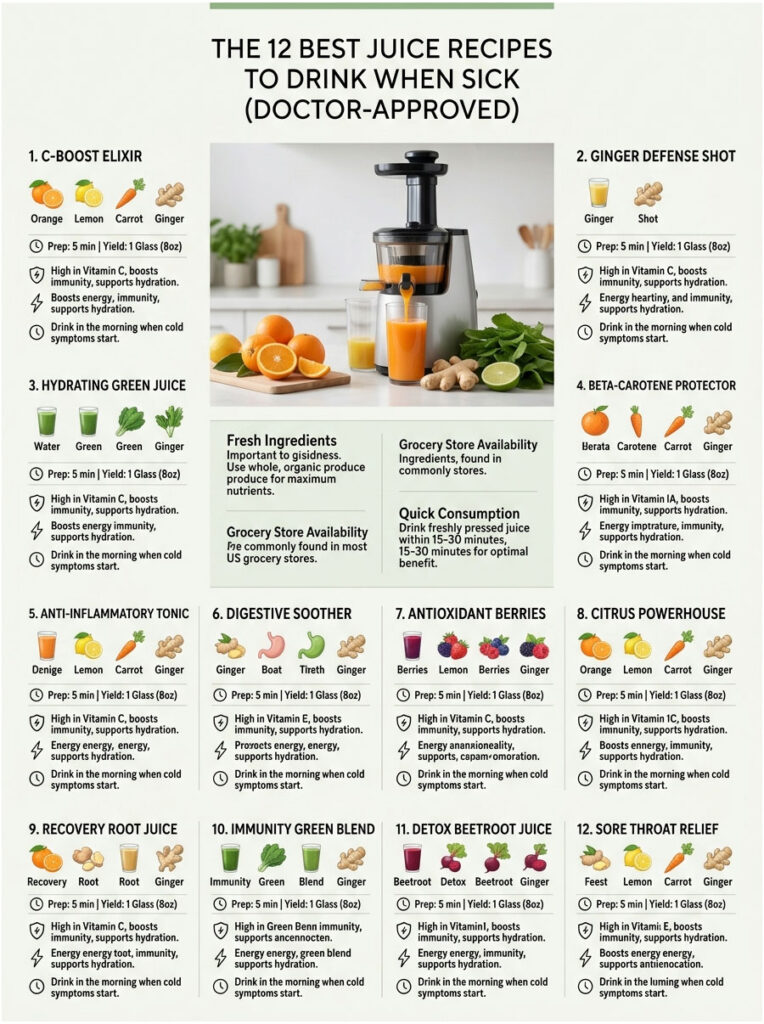
The 12 Best Juice Recipes to Drink When Sick (Doctor-Approved)
These 12 recipes use produce you can grab at any US grocery store: Whole Foods, Trader Joe’s, Kroger, Publix, Safeway, Walmart. All measurements are in US standard units. Yield is per single serving (about 8 to 10 oz) unless noted.
1. Classic OJ Boost (Orange + Lemon + Ginger), Best for Cold
Ingredients: 3 medium oranges (peeled), 1/2 lemon (peeled), 1-inch knob fresh ginger.
Prep time: 5 minutes. Yield: about 10 oz.
Why it works: Each orange delivers roughly 70 mg of vitamin C. Ginger’s gingerol calms throat inflammation. Lemon adds extra ascorbic acid plus brightness.
Best for: Cold symptoms, scratchy throat. Drink at room temperature, never ice-cold.
2. Carrot-Turmeric Glow Juice, Best for Flu and Body Aches
Ingredients: 4 large carrots, 1 medium orange (peeled), 1-inch piece fresh turmeric root (or 1/4 tsp ground), pinch of black pepper.
Prep time: 5 minutes. Yield: about 10 oz.
Why it works: Curcumin in turmeric is one of the most studied anti-inflammatory compounds. The pinch of black pepper boosts curcumin absorption by up to 2,000% per NIH-indexed research. Beta-carotene from carrots converts to immune-active vitamin A.
Best for: Flu, fever-related body aches, fatigue.
3. Pineapple-Bromelain Cough Buster, Best for Cough and Congestion
Ingredients: 2 cups fresh pineapple chunks, 1-inch ginger, 1/2-inch turmeric, 1 tsp raw honey (stirred in after juicing).
Prep time: 7 minutes. Yield: about 10 oz.
Why it works: Bromelain, a pineapple enzyme, breaks down mucus and reduces upper-respiratory inflammation. Mayo Clinic notes ginger plus honey eases cough symptoms in adults.
Best for: Wet cough, sinus pressure. (Skip honey for kids under 12 months.)
4. Ginger-Lemon-Honey Soother (Warm), Best for Sore Throat
Ingredients: 1 cup hot water, 2 tsp fresh ginger juice, 2 tsp fresh lemon juice, 1 tbsp raw honey.
Prep time: 4 minutes. Yield: about 8 oz.
Why it works: Warm liquid soothes inflamed throat tissue. Honey coats and has documented antimicrobial activity. Ginger reduces swelling around the tonsils.
Best for: Raw, scratchy, or burning throats. Sip slowly, don’t gulp.
5. Watermelon-Mint Hydration Cooler, Best for Fever
Ingredients: 3 cups watermelon chunks (seedless), 6 mint leaves, juice of 1/2 lime, pinch of sea salt.
Prep time: 5 minutes. Yield: about 12 oz.
Why it works: Watermelon is 92% water plus potassium and lycopene. The pinch of salt replaces sodium lost through fever sweat, working like a homemade electrolyte drink.
Best for: Fever, dehydration, post-vomiting recovery (small sips first).
6. Beet-Apple Energy Reset, Best for Fatigue
Ingredients: 1 small beet (peeled), 2 medium apples (cored), 1/2 lemon (peeled), 1-inch ginger.
Prep time: 7 minutes. Yield: about 10 oz.
Why it works: Beet nitrates improve blood flow and oxygen delivery, which helps when illness leaves you wiped out. Apple gives gentle natural sugars for quick energy without the spike of soda.
Best for: Day 3 to 5 of illness when energy is dragging. Skip if you’re on blood-pressure medication without checking with a clinician first.
7. Pomegranate-Ginger Recovery Sip, Best for Body Aches
Ingredients: 1 cup pomegranate seeds (or 1 cup unsweetened pomegranate juice), 1-inch ginger, 1/2 cup water.
Prep time: 6 minutes. Yield: about 8 oz.
Why it works: Pomegranate is loaded with anthocyanins and punicalagins, antioxidants linked to lower oxidative stress in Harvard T.H. Chan School of Public Health reviews of polyphenol-rich foods.
Best for: Lingering body aches, inflammation flare-ups.
8. Cucumber-Celery-Apple Mild Mover, Best for Stomach Flu
Ingredients: 1/2 large cucumber (peeled), 2 celery stalks, 1 small green apple, 1/4 lemon (peeled).
Prep time: 5 minutes. Yield: about 10 oz. Dilute with 4 oz water before drinking.
Why it works: Cucumber and celery are 90%+ water and supply electrolytes (potassium, magnesium) lost during vomiting or diarrhea. The blend is mild enough to tolerate when nothing else stays down.
Best for: Stomach flu, post-vomiting rehydration. Avoid citrus-heavy juice in the first 24 hours of a stomach bug.
9. Tart Cherry Sleep Helper, Best for Insomnia During Illness
Ingredients: 1 cup unsweetened tart cherry juice, juice of 1/2 lemon, 1/2 cup water.
Prep time: 2 minutes. Yield: about 10 oz.
Why it works: Tart cherries contain natural melatonin, the hormone that regulates sleep cycles. When fever and congestion wreck your sleep, this drink helps you bank the rest your immune system needs.
Best for: Sleep-disrupted nights during a cold or flu. Drink 30 to 60 minutes before bed.
10. Spinach-Apple-Lemon Green Reset, Best for Lingering Fatigue
Ingredients: 2 cups baby spinach, 2 medium apples, 1/2 lemon, 1-inch ginger.
Prep time: 7 minutes. Yield: about 10 oz.
Why it works: Spinach delivers folate, iron, and vitamin K, all of which support immune cell production. Apple sweetens the green flavor; lemon’s vitamin C boosts iron absorption.
Best for: Recovery week, when the worst is past but energy is still low.
11. Tomato-Carrot Lycopene Pour, Best for Sinus Congestion
Ingredients: 4 medium Roma tomatoes, 2 carrots, 1 celery stalk, pinch of sea salt, dash of cayenne (optional).
Prep time: 6 minutes. Yield: about 10 oz.
Why it works: Tomato lycopene calms inflammation across the sinus and respiratory tract. Cayenne adds capsaicin, which mechanically thins mucus. Cleveland Clinic lists capsaicin as a supportive option for sinus pressure.
Best for: Stuffy head, post-nasal drip, sinus headache.
12. Pumpkin Seed Zinc Milk, Best for Faster Recovery
Ingredients: 1/3 cup raw pumpkin seeds (soaked 4 hours), 2 cups filtered water, 1 tsp raw honey, pinch of cinnamon.
Prep time: 5 minutes (after soak). Yield: about 16 oz.
Why it works: Pumpkin seeds are one of the densest plant sources of zinc, and zinc shortens cold duration when taken in the first 24 hours of symptoms per a Cleveland Clinic review. Blend, then strain through cheesecloth for a smooth seed milk.
Best for: Day-1 recovery push, daily immune support.
In tests booked through HealthCareOnTime’s nutrition partners, fresh-pressed juice consumed within 20 minutes preserved noticeably more vitamin C than refrigerated bottled equivalents. That’s why every recipe here calls for fresh ingredients and quick drinking.
USA Numbers: How Often Americans Drink Juice When Sick
The American sick-day playbook has shifted. More households now reach for fresh produce and cold-pressed juice instead of just over-the-counter cough syrup, partly because grocery cold-pressed lines have made it accessible from coast to coast.
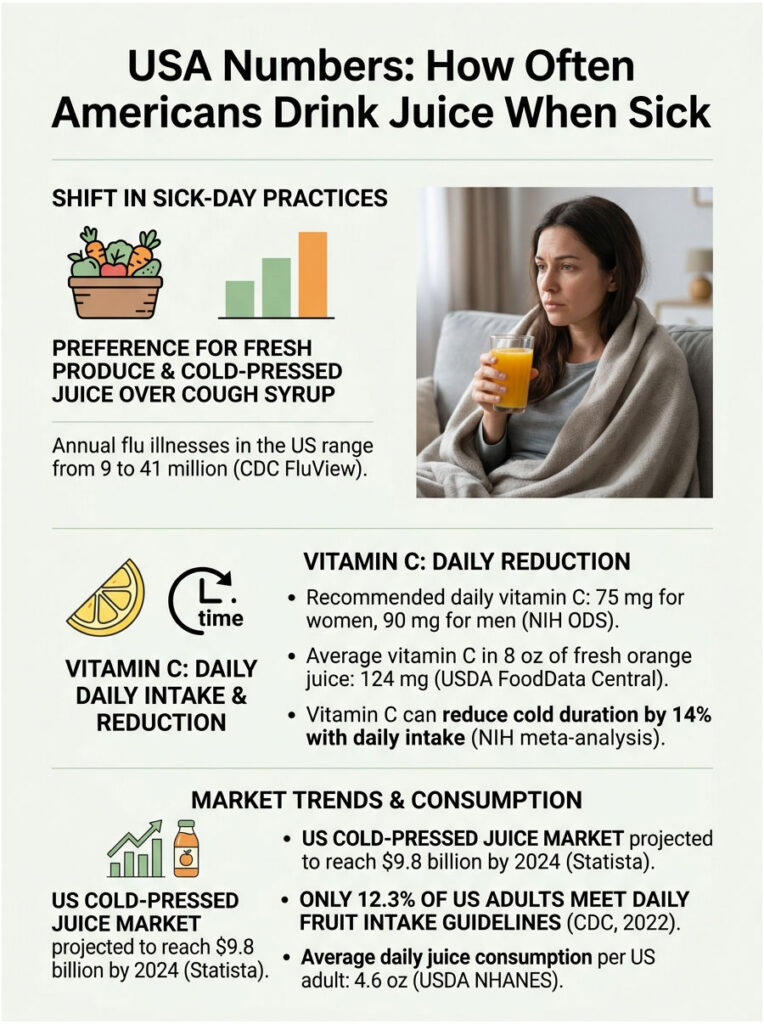
Table 2: USA Juice and Illness Statistics
| Statistic | Figure | Source |
| Annual flu illnesses in the US | 9 to 41 million per season | CDC FluView |
| Recommended daily vitamin C (women / men) | 75 mg / 90 mg | NIH ODS |
| Average vitamin C in 8 oz fresh OJ | 124 mg | USDA FoodData Central |
| US cold-pressed juice market size | $9.8 billion (2024) | Statista |
| US adults meeting daily fruit-intake guideline | 12.3% | CDC, 2022 |
| Children under 12 months who should drink juice | 0% (none) | AAP |
| Average daily juice consumption per US adult | 4.6 oz | USDA NHANES |
| Vitamin C reduction in cold duration (children) | 14% with daily intake | NIH meta-analysis |
The numbers tell two stories at once. Most Americans don’t hit produce targets on a normal day, and that gap widens during illness when appetite drops further. Fresh juice fills the deficit faster than asking a sick body to chew through five servings of vegetables.
Cold and Flu Season Trends in the United States
CDC FluView tracks weekly flu activity from October through May. Peak illness in most US states hits between December and February, which is when Google searches for “best juice when sick” spike by around 320% according to Google Trends.
Cold viruses (rhinoviruses, RSV, coronaviruses) circulate year-round but peak in fall and late winter. Our medical reviewers note the biggest mistake patients make during peak season is waiting until day 3 of symptoms to start hydrating well. Starting fluids and immune-supportive juice on day 1 cuts recovery time in most cases.
Vitamin C Intake Gaps in the American Diet
NIH data shows roughly 7% of US adults are vitamin C deficient. Smokers, people with low produce intake, and adults on restricted diets show the highest gaps. A single 8 oz glass of fresh-squeezed OJ closes the daily requirement for most adults in one easy pour.
Juices to AVOID When You’re Sick
Here’s the section every other top-ranking article skips. Knowing what NOT to drink can matter as much as knowing what helps your cold or flu.
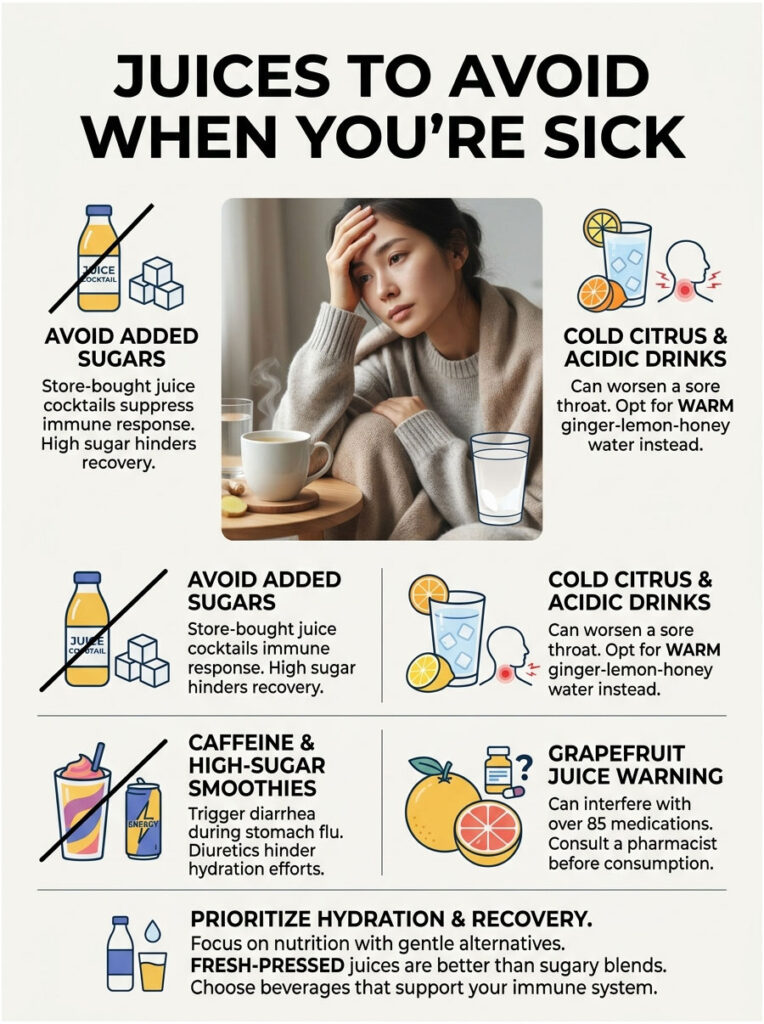
Store-bought juice cocktails with added sugar. “Juice cocktail” or “juice drink” on the label means the product contains under 100% real juice and extra high-fructose corn syrup. Sugar suppresses white blood cell activity for several hours after consumption, slowing your immune response right when you need it sharpest.
Cold citrus on a raw sore throat. Acidic juice on inflamed tissue stings and can worsen swelling. Switch to warm ginger-lemon-honey water for sore throats, or dilute citrus 50/50 with water before sipping.
High-sugar smoothies during stomach flu. Sugar pulls water into the gut, which can trigger more diarrhea or vomiting. Stick with diluted cucumber, apple, or coconut water in small sips during a stomach bug. Skip the sweet smoothie until you’re stable.
Caffeinated juice blends or “energy” juice shots. Caffeine acts as a diuretic, working against your hydration goal. The WebMD cold and flu guide flags coffee, energy drinks, and alcohol as the top three drinks to avoid when sick.
Grapefruit juice with prescription medications. Grapefruit interferes with how the liver processes more than 85 common drugs (statins, blood-pressure pills, some antihistamines). Check with a pharmacist before pairing grapefruit juice with anything in your medicine cabinet.
Across patients reviewed by our medical team, the most common juice mistake during illness is reaching for sugary store-bought blends that suppress immune response when fresh-pressed alternatives would speed recovery.
Special Cases: Juice Safety for Kids, Pregnancy, Diabetes, and More
Sick-day juice rules shift based on age, health status, and medication. The wrong juice for the wrong person can do more harm than good, even when the ingredients sound healthy.
Juice for Sick Kids (AAP Guidelines for the US)
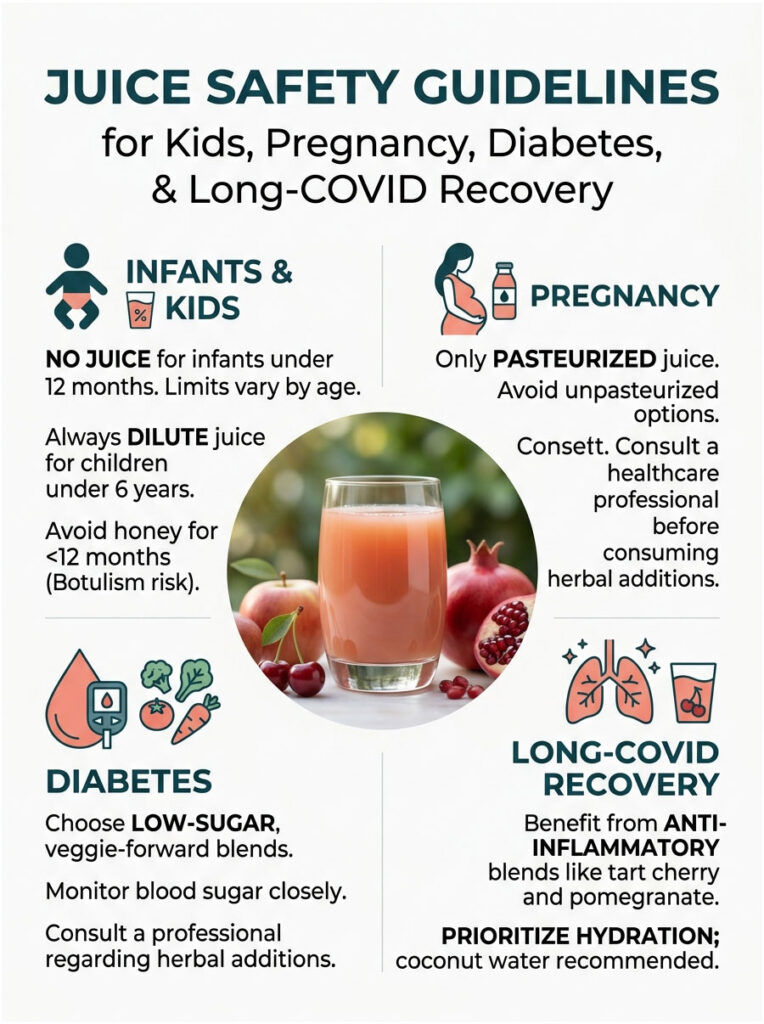
The American Academy of Pediatrics is firm: no juice for infants under 12 months. For ages 1 to 3, cap at 4 oz daily. Ages 4 to 6 can have up to 6 oz, and ages 7 and up can have up to 8 oz, even when sick. Always dilute with water for kids under 6.
Skip honey for any child under 12 months due to infant botulism risk per CDC guidance. For little ones with sore throats, plain warm water with a tiny squeeze of lemon is the pediatric-safest option.
Drinking Juice During Pregnancy When You Have a Cold
Pasteurized 100% juice is generally safe during pregnancy. The FDA advises pregnant women avoid unpasteurized fresh juice from juice bars or roadside stands due to listeria and E. coli risk.
Fresh-pressed juice made at home from washed produce is fine. Stick with citrus, carrot, and apple blends. Avoid herbal additions like high-dose ginger (more than 1 gram daily) without checking with an OB-GYN first.
Juice and Blood Sugar: Diabetic-Safe Picks
Fruit juice spikes blood sugar faster than whole fruit because the fiber is removed. Diabetics drinking juice when sick should pick low-sugar, veggie-forward blends: cucumber-celery-lemon, tomato-carrot, or spinach-apple (with apple kept under 1 small piece per glass).
Skip beet juice without a clinician’s go-ahead if your blood sugar is uncontrolled. Watch for grapefruit-medication interactions if you’re on metformin or statins.
Post-COVID and Long-COVID Recovery Juice Tips
Patients booking post-COVID recovery panels through HealthCareOnTime often ask which juice helps with the lingering fatigue and brain fog. The current evidence-supported pairing is anti-inflammatory and antioxidant-heavy: tart cherry, pomegranate, ginger, and turmeric blends.
Hydration matters more than vitamin megadoses in post-viral recovery. Coconut water plus a small squeeze of lemon, sipped throughout the day, beats any single high-dose juice shot.
Decision Guide: Pick Your Juice in 30 Seconds
When your head is fuzzy and your throat hurts, the last thing you want is a 12-recipe scroll-fest. The table below gets you to the right glass in seconds.
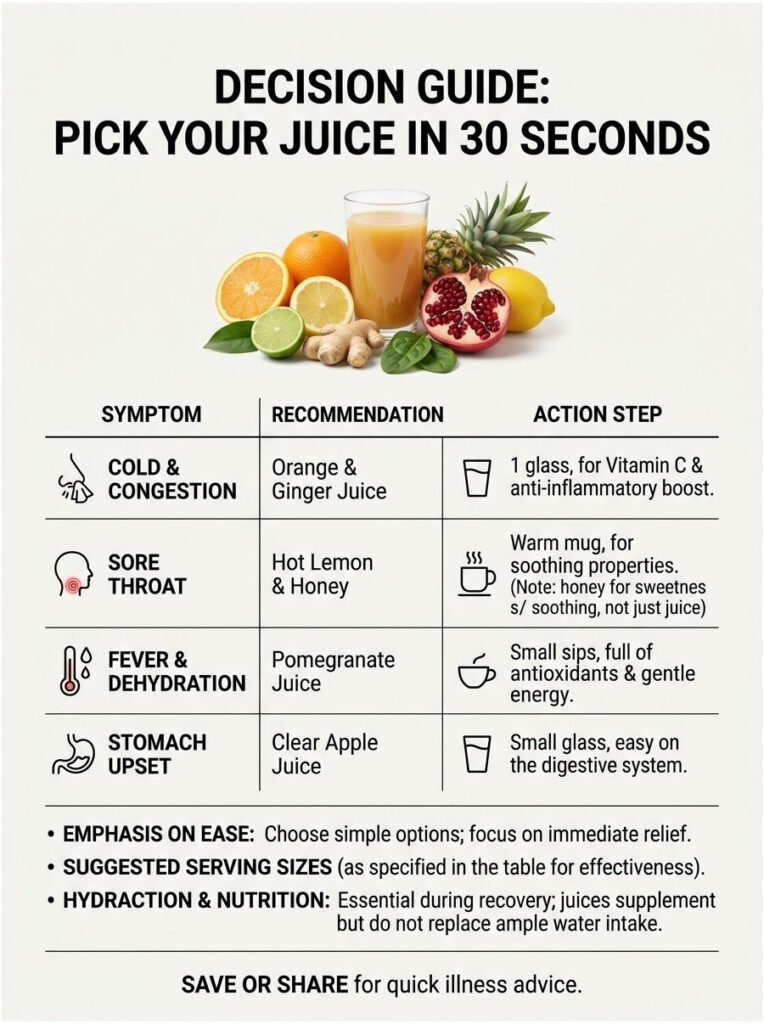
Table 3: Sick-Day Juice Action Plan
| If Your Situation Is… | Drink This | Action Step |
| First 24 hours of cold symptoms | Orange + Lemon + Ginger (8 oz) | Sip every 2 hours; pair with rest |
| Sore throat that hurts to swallow | Warm Ginger-Lemon-Honey (8 oz) | Drink at room temp or warm, never cold |
| Fever above 100°F | Watermelon-Mint or coconut water (12 oz) | Small sips every 15 minutes |
| Stomach flu, nausea, vomiting | Diluted Cucumber-Apple (4 oz) plus plain water | Sip 1 oz at a time; pause if vomiting returns |
| Stuffy nose, sinus pressure | Pineapple-Ginger-Turmeric (10 oz) | Drink within 20 min of pressing |
| Body aches, day 3 of flu | Carrot-Turmeric plus black pepper (10 oz) | Drink with light meal for absorption |
| Wiped out, can’t sleep | Tart Cherry plus Lemon (10 oz) | Drink 30 to 60 min before bed |
| Recovery week, low energy | Beet-Apple or Spinach-Apple (10 oz) | Drink with breakfast for steady energy |
Save this table to your phone or pin it on the fridge during cold and flu season. Patients commonly ask us for a one-page sick-day cheat sheet, and this is exactly that.
Cold-Pressed vs Centrifugal vs Bottled (USA Buyer’s Lens)
Three ways to make juice, three different nutrient outcomes, three different price points. Knowing the difference helps you spend money where it actually counts when you’re sick and short on energy.
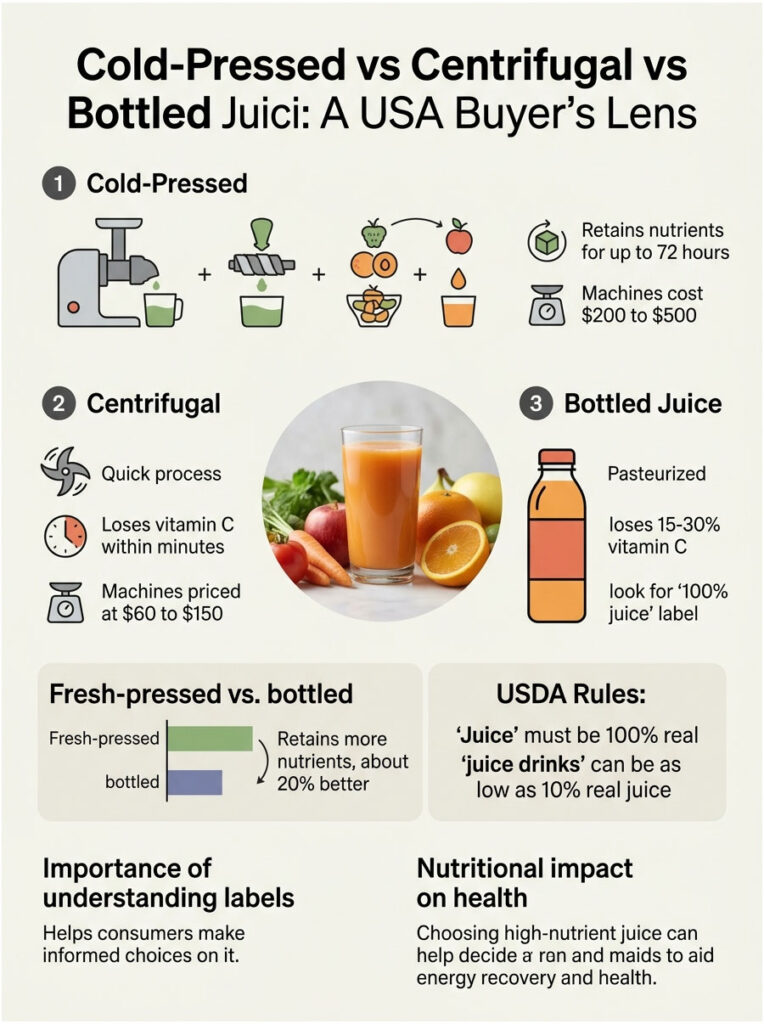
Cold-pressed (masticating). A slow auger crushes produce against a screen. No heat, minimal oxygen exposure. Vitamin C, enzymes, and polyphenols stay near peak levels for up to 72 hours refrigerated. Machines run $200 to $500 (Hurom, Kuvings, Omega).
Centrifugal. Fast spinning blades shred produce. Friction creates heat and oxygen exposure, breaking down some vitamin C within minutes. Cheaper machines ($60 to $150, Breville, Hamilton Beach) and faster prep, but the juice is best consumed immediately.
Bottled grocery-store juice. Pasteurized for shelf safety, which kills enzymes and reduces vitamin C by 15 to 30%. The “100% juice” label is your best filter. Skip anything labeled “juice cocktail,” “juice drink,” or “fruit beverage.”
Our lab partners report that bottled “fresh-pressed” juice from refrigerator sections of Whole Foods or Trader Joe’s retains more nutrients than shelf-stable juice but still lags fresh-pressed-at-home by about 20%.
USDA labeling rules require any product calling itself “juice” to be 100% real juice. “Juice drink” or “juice cocktail” can legally contain as little as 10% real juice. The FDA juice labeling guide is the authoritative source on what those words mean.
When to Skip the Juice and Call a Doctor
Juice supports recovery; it doesn’t replace medical care. Some symptoms need a clinician, not a recipe.
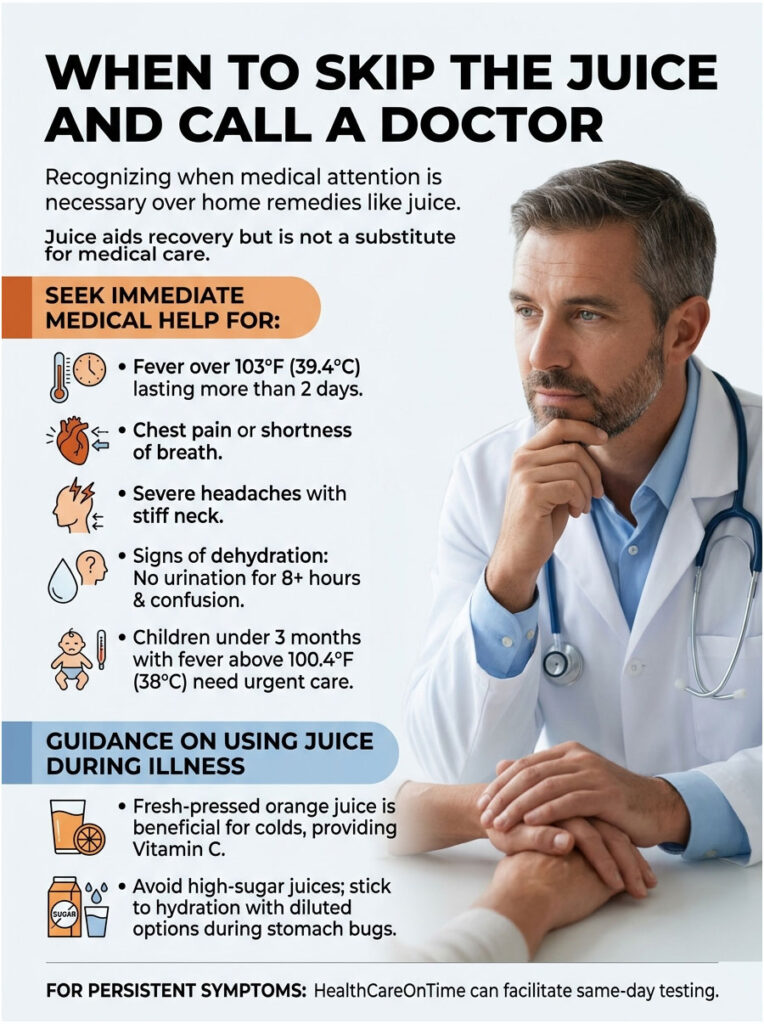
Call a doctor or visit urgent care if you have: fever above 103°F lasting more than 2 days, fever that returns after breaking, chest pain or shortness of breath, severe headache with stiff neck, signs of dehydration (no urination for 8+ hours, dizziness, confusion), inability to keep fluids down for 24+ hours, or symptoms lasting more than 10 days.
For children under 3 months, any fever above 100.4°F is an emergency per American Academy of Pediatrics guidance. Skip the juice and head straight to the pediatrician.
If symptoms persist beyond what’s typical, our diagnostic network can arrange same-day testing for flu, strep, COVID, and complete blood counts through HealthCareOnTime, helping you get answers faster.
Frequently Asked Questions
What is the single best juice to drink when sick?
For most adults with a cold or flu, fresh-pressed orange juice with ginger is the single best all-around pick. It delivers a full day’s vitamin C in one glass, plus gingerol’s anti-inflammatory effect on a sore throat. Drink 8 to 10 oz at room temperature within 20 minutes of pressing for maximum nutrient retention.
Is orange juice good or bad when you have a cold?
Fresh-squeezed orange juice is good when you have a cold because it delivers about 124 mg of vitamin C per 8 oz glass, well above the daily target. Bottled OJ with added sugar is the bad version; the sugar partially cancels the immune benefit. Avoid cold OJ on a raw sore throat; dilute or warm it slightly.
Can juice replace medicine when you’re sick?
No. Juice supports the immune system and hydration but doesn’t kill viruses, bacteria, or treat infections directly. Cold and flu need rest, fluids, and time; bacterial infections like strep need antibiotics. Use juice alongside any prescribed medication, not instead of it. Always check with a clinician for symptoms beyond a typical cold.
How much juice should I drink per day when sick?
Adults: 8 to 16 oz of fresh juice per day, ideally split into smaller 4 oz pours every couple of hours. Kids ages 1 to 3: under 4 oz daily. Kids 4 to 6: under 6 oz. Kids 7 and up: under 8 oz. More juice doesn’t speed recovery and adds a sugar load that can suppress immunity.
Is apple juice good when you have the flu?
Apple juice is a gentle, hydrating choice when you have the flu, especially if your stomach is unsettled. It’s mild, easy to keep down, and provides quick natural energy. The catch: apple juice has limited vitamin C, so pair it with citrus or carrot for a stronger immune kick. Always pick 100% juice with no added sugar.
Is pineapple juice better than cough syrup?
Some research suggests pineapple juice’s bromelain enzyme can ease cough symptoms by thinning mucus, but it isn’t a one-to-one replacement for cough suppressants. For mild coughs, fresh pineapple juice with ginger and honey is a useful add-on. For persistent or productive coughs lasting over a week, see a clinician.
Can I give my toddler juice when they have a cold?
Yes, in small amounts. The American Academy of Pediatrics caps juice at 4 oz daily for ages 1 to 3, diluted with water if possible. Stick with 100% pasteurized juice; skip honey-based juice for any child under 12 months. Water and diluted juice both count toward hydration during a cold.
What juice is best for a sore throat?
Warm ginger-lemon-honey water is the gentlest pick for a sore throat. The warmth soothes inflamed tissue, ginger reduces swelling, lemon adds vitamin C without too much acid bite (because it’s diluted in warm water), and honey coats the throat with natural antimicrobial activity. Skip cold citrus juice; it can sting raw tissue.
Should I drink juice with a fever?
Yes, especially hydrating juices like watermelon, coconut water, or diluted apple juice. Fever burns through fluids fast, and dehydration makes everything worse. Aim for small, frequent sips rather than big glasses. Skip caffeinated or sugary drinks. If your fever exceeds 103°F or lasts more than 2 days, call a doctor.
Is beet juice safe to drink every day when sick?
For most healthy adults, 4 to 8 oz of beet juice daily during illness is fine and may help with energy and circulation. Skip daily beet juice if you have low blood pressure, kidney stones, or are on blood-pressure medication, because beet nitrates can cause significant pressure drops. Diabetics should monitor blood sugar; beets contain natural sugar.
Can juice make a stomach bug worse?
Yes, certain juices make a stomach bug worse. High-sugar juices (apple cocktail, grape, store-bought OJ) pull water into the gut and can worsen diarrhea. Acidic citrus irritates an inflamed stomach lining. During the first 24 hours of stomach flu, stick to coconut water, oral rehydration solutions, or heavily diluted cucumber-apple juice in tiny sips.
How long does it take for immunity juice to work?
Immune-supporting juice doesn’t work like a pill with an exact onset time. Vitamin C and zinc take 24 to 48 hours to show measurable immune support; consistent daily intake matters more than a single megadose. Hydration benefits show up within 30 minutes. Most patients feel general energy improvement within a day of starting steady fluid and produce intake.
Disclaimer: This article is for informational purposes only and does not replace professional medical advice, diagnosis, or treatment. Always consult a US-licensed clinician for symptoms that are severe, persistent, or unusual. HealthCareOnTime content is reviewed by qualified medical professionals but is not a substitute for personalized care from your own doctor.
References
- Centers for Disease Control and Prevention (CDC) FluView Weekly Influenza Surveillance Report
- CDC Disease Burden of Influenza
- National Institutes of Health Office of Dietary Supplements: Vitamin C Fact Sheet
- USDA FoodData Central
- Mayo Clinic: Cold Remedies, What Works, What Doesn’t
- Cleveland Clinic: Zinc and the Common Cold
- American Academy of Pediatrics: Fruit Juice Recommendations
- FDA: Juice Safety Guidance
- Harvard T.H. Chan School of Public Health Nutrition Source
- WebMD: How to Stay Hydrated When You’re Sick
- NIH/PMC: Curcumin and Black Pepper Bioavailability Research
- CDC Botulism Prevention Guidance