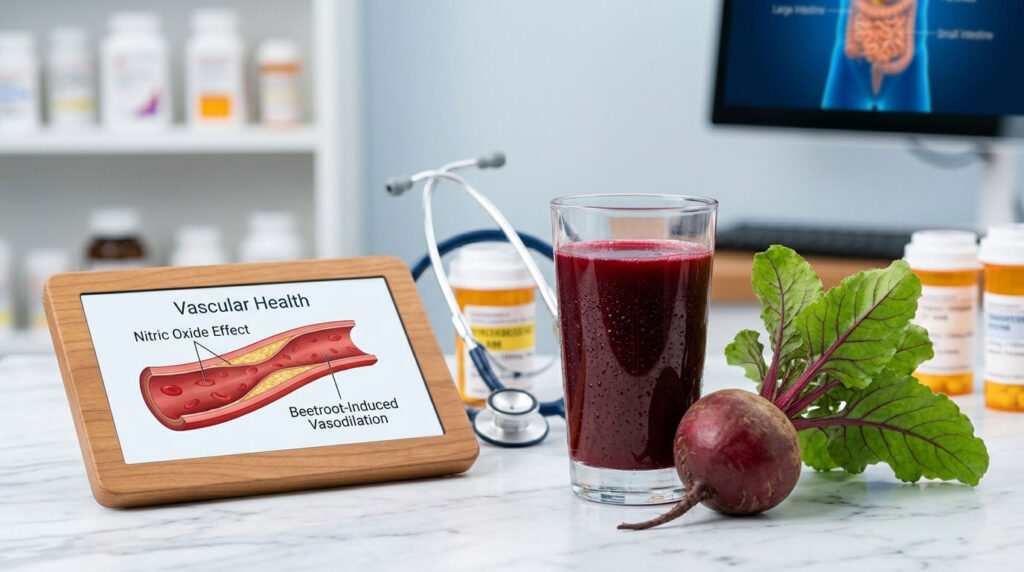
As a Registered Dietitian Nutritionist who works with patients on vascular health, I get the same question almost every week. Is beetroot good for sexual health? It’s a fair thing to ask, especially when so many people jump straight to pharmaceutical fixes without looking at what’s actually causing their symptoms.
Table of Contents
After more than a decade in clinical practice, I’ve noticed a pattern. Patients treat sexual dysfunction as something that only happens in the bedroom. In reality, it’s almost always a whole-body circulation issue that shows up there first.
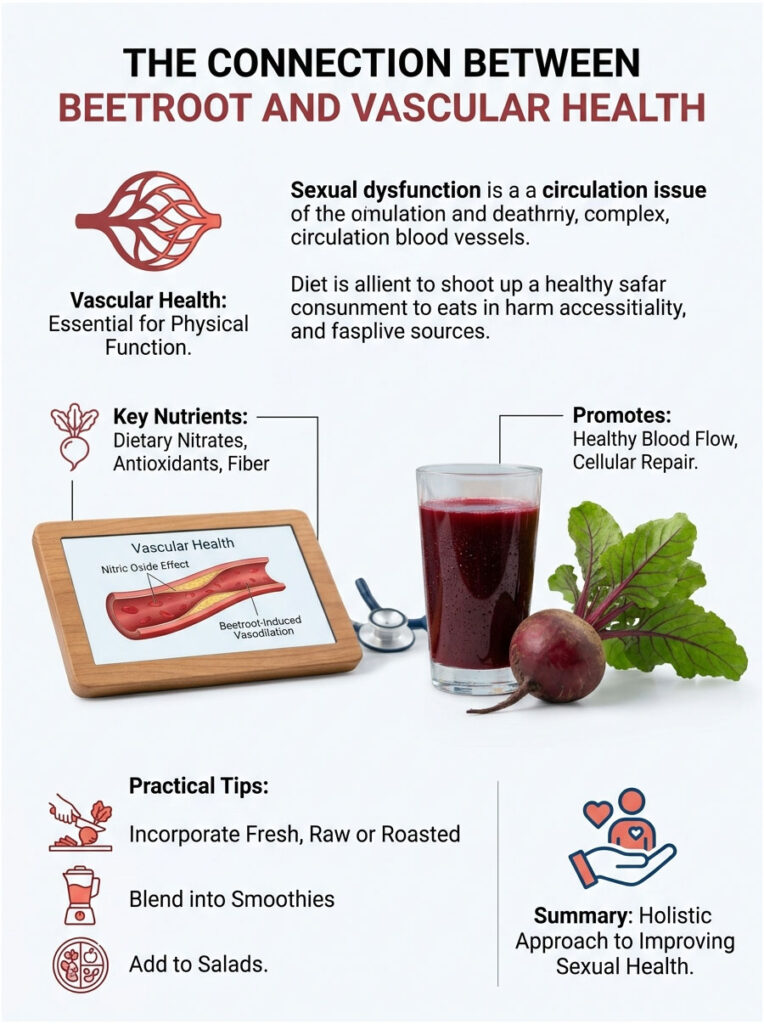
If your blood vessels can’t expand the way they should, every physical function takes a hit. This is where targeted nutrition becomes genuinely useful. You can use specific foods to repair cellular damage and bring normal vascular responses back online.
Quick Answer
Yes, beetroot is highly effective for supporting sexual health and vascular function. It’s loaded with dietary nitrates that your body converts into nitric oxide, a molecule that triggers vasodilation. This relaxes blood vessels and improves blood flow to the pelvic region for both men and women.
Key Statistics on Vascular Health and Nutrition
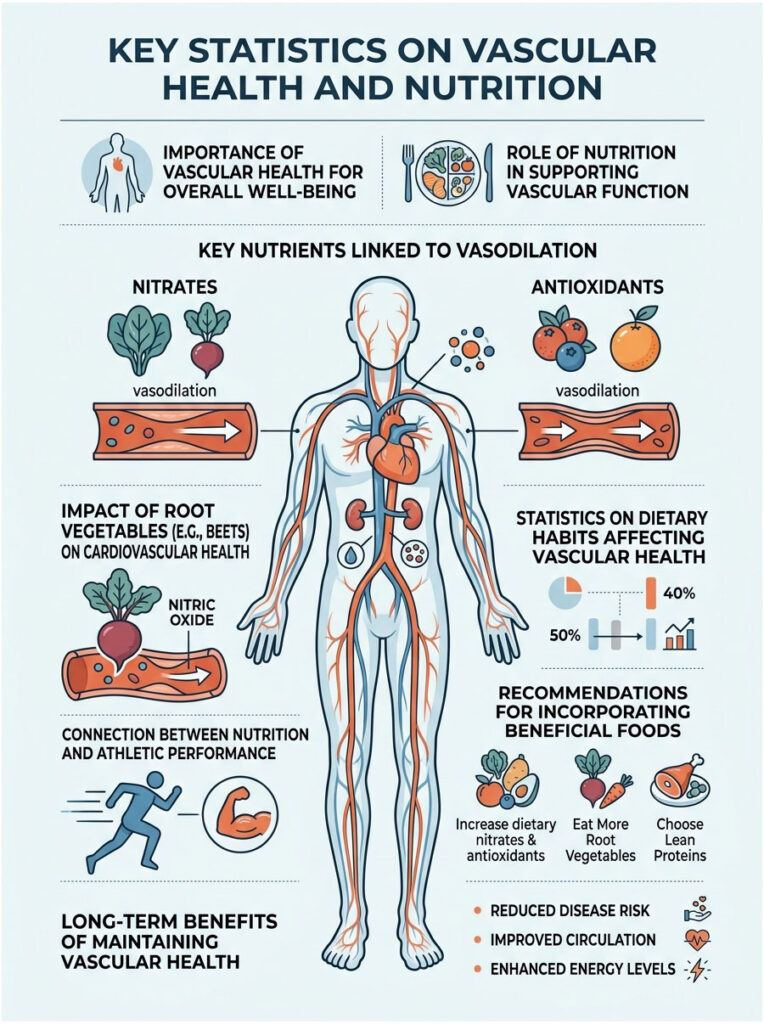
- Blood pressure drop: Clinical studies show dietary nitrates can lower systolic blood pressure by 4 to 10 mmHg within a few hours.
- Prevalence: Over 30 million men in the United States experience some form of vascular-related performance issue during their lifetime.
- Endurance boost: Beet juice consumption can increase physical stamina and time-to-exhaustion by roughly 16 percent.
- Nitric oxide decline: By age 40, the human body produces about 50 percent less nitric oxide than it did at age 20.
- Absorption rate: Liquid beet extracts reach peak plasma concentration about 2.5 hours after ingestion.
- Female impact: Up to 40 percent of postmenopausal women report sexual discomfort linked directly to reduced pelvic blood flow.
Let me walk you through exactly why this humble root vegetable is getting so much attention in medical circles right now. We’ll look at the real science behind vasodilation and human performance, and you’ll see why nutrition deserves to be your first line of defense.
How Dietary Nitrates Transform Your Blood Vessels
To understand why we use beets in clinical nutrition, you have to look at cellular biology. The magic lives in a specific biochemical pathway that operates inside you, converting the food you eat into signaling molecules that command your arteries.
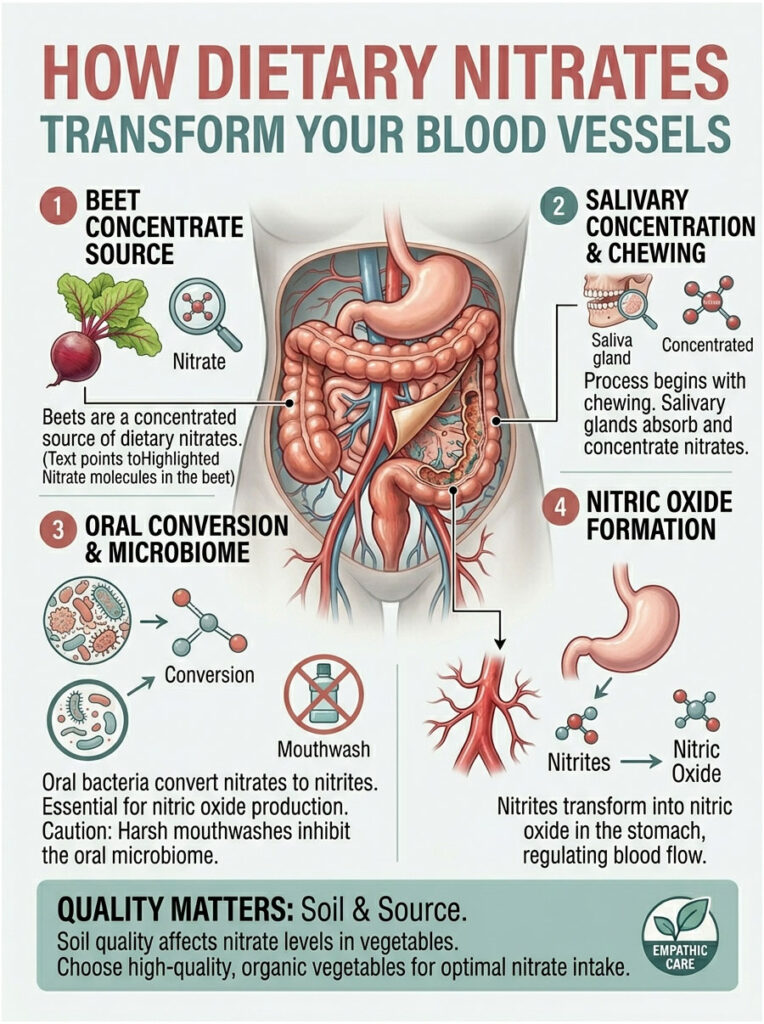
Beets are one of the most concentrated natural sources of inorganic nitrates you can find. When you eat them, a chain reaction kicks off instantly. That reaction is responsible for most of the documented benefits we see for both men and women.
Here’s the interesting part. The process doesn’t start where you’d expect. It actually begins the moment the food hits your mouth.
The Oral Microbiome Connection
When you chew beets or drink beet juice, your salivary glands absorb the dietary nitrates. They concentrate these compounds up to twenty times higher than what’s circulating in your blood, then release them back through your saliva.
This is where your oral bacteria take over. The friendly bacteria living on the back of your tongue convert those nitrates into nitrites, which is a critical step for producing nitric oxide precursors.
Without these bacterial strains, the entire process stalls out. And here’s something I see constantly in clinical settings: many people unknowingly destroy this process every morning with harsh, alcohol-based mouthwashes that wipe out their oral microbiome.
Expert Insight: If you want to maximize nitric oxide production, stop using antiseptic mouthwash right after eating nitrate-rich foods. Give your oral microbiome at least two to three hours to do its job.
Once you swallow the newly formed nitrites, they hit the acidic environment of your stomach. Here, they go through another chemical transformation and finally become nitric oxide, which is the master regulator of human blood flow.
Why Soil Quality Matters for Nitrate Levels
Not all vegetables are equal when it comes to their nutritional profile. How many nitrates end up in a beet depends almost entirely on the soil it grew in, and modern conventional farming has seriously depleted the mineral content of our agricultural lands.
Vegetables grown in nitrogen-poor soil simply won’t deliver the compounds you need. This is why eating a random supermarket salad might not give you the vascular boost you’re hoping for. You need vegetables grown in rich, properly managed, nutrient-dense soil.
In my practice, I steer patients toward high-quality organic sources whenever possible. Several reputable supplement companies now test their beet powders for exact nitrate percentages, which means you get a clinical dose instead of a nutritional gamble.
Understanding Vasodilation and the cGMP Pathway
So now you have active nitric oxide circulating in your bloodstream. What does it actually do? It targets the thin inner lining of your blood vessels, which we call the endothelium.
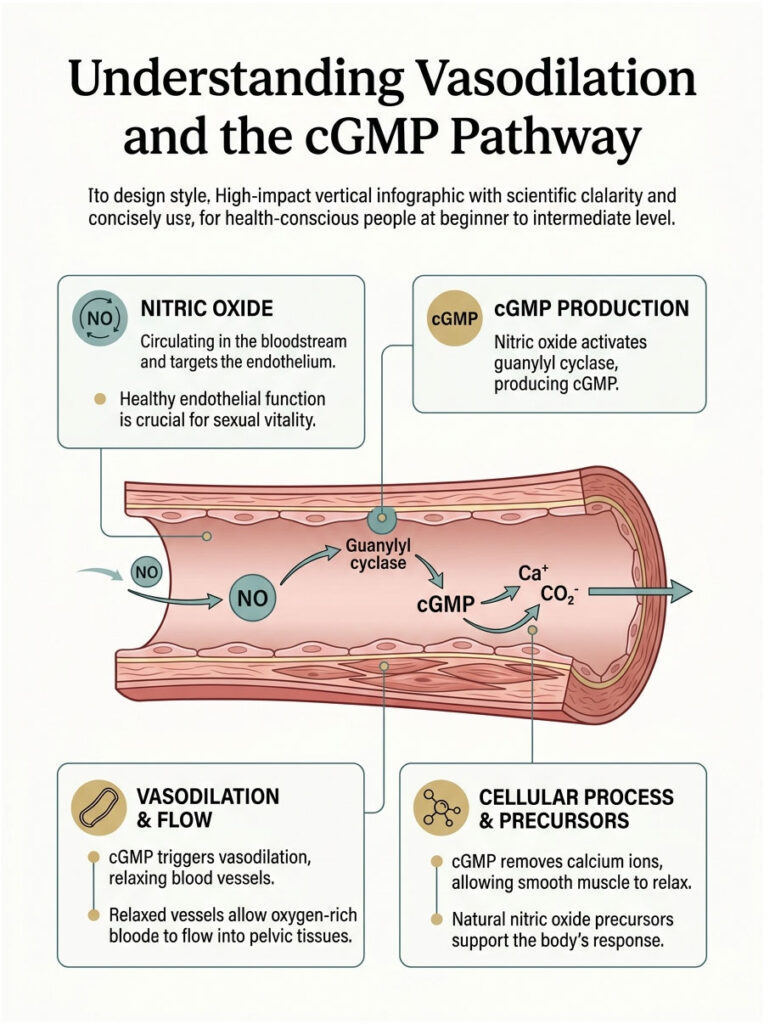
Healthy endothelial function is the foundation of all sexual vitality. When nitric oxide enters the smooth muscle cells of your arteries, it activates an enzyme called guanylyl cyclase, which produces cyclic guanosine monophosphate (cGMP).
That cGMP molecule is the chemical trigger that tells your blood vessels to relax. This relaxation and widening is called vasodilation. When vessels widen, oxygen-rich blood floods into the pelvic tissues.
The Cellular Activation Timeline
Understanding the timing matters if you want real results. Your body follows a strict biological clock when processing these nutrients. Here’s a step-by-step timeline of nitric oxide synthesis in a healthy adult:
- Minute 0: You consume a high-nitrate food or a concentrated juice shot.
- Minute 30: Your salivary glands concentrate the nitrates and release them into your mouth.
- Minute 45: Oral bacteria convert those nitrates into bioavailable nitrites.
- Minute 90: Stomach acid and digestive enzymes convert nitrites into active nitric oxide.
- Minute 120 to 150: Nitric oxide enters the bloodstream, triggers the cGMP pathway, and vasodilation peaks.
This is the exact mechanism modern pharmaceuticals try to mimic. The difference is that natural nitric oxide precursors let your body generate the response on its own. That’s why patients keep asking, is beetroot good for sexual health?
How cGMP Relaxes Smooth Muscle
Let’s go a little deeper into arterial mechanics. The walls of your blood vessels are lined with smooth muscle tissue. When these muscles contract, blood pressure rises and circulation drops.
When cGMP levels climb inside these cells, they force calcium ions out of the muscle tissue. Calcium is the mineral that causes muscles to tense and contract. Remove the calcium, and the muscle has no choice but to relax and expand.
It’s an efficient system designed by nature. By feeding your body the right raw materials, you make the calcium-clearing process possible. You’re essentially giving your arteries permission to open up.
Why Erections Are a Barometer for Heart Health
In clinical nutrition, we treat the body as one interconnected system. The arteries that supply the male pelvic region are incredibly narrow and fragile, much smaller than the main vessels leading to your heart or brain.
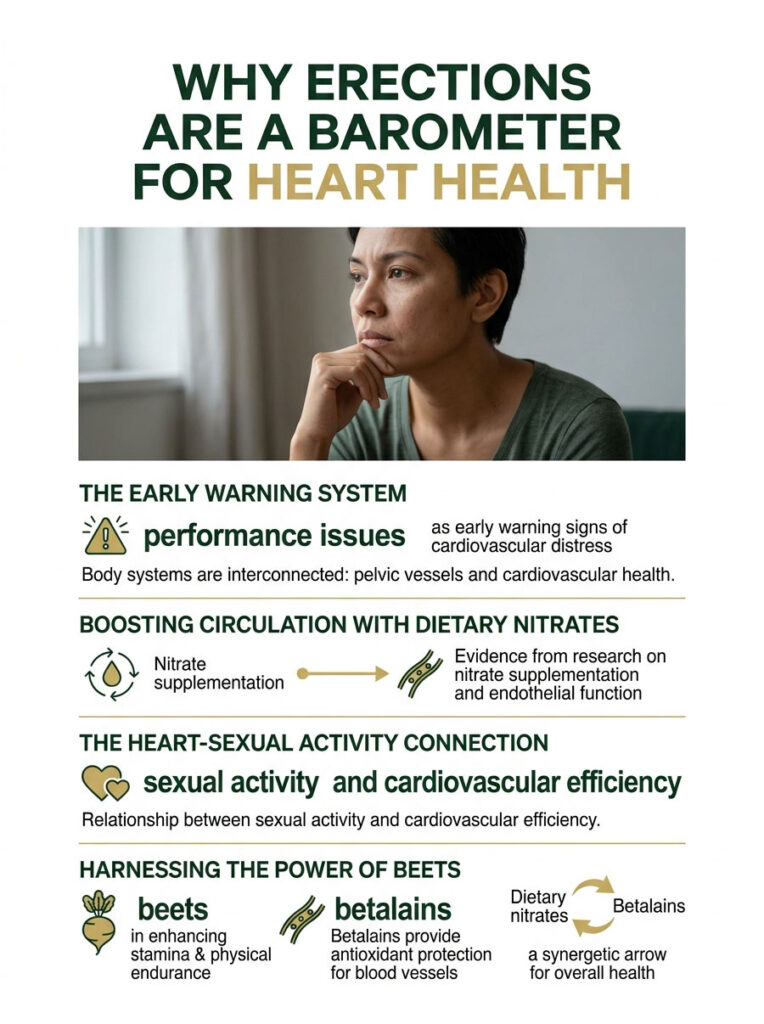
Because those pelvic vessels are so small, they’re usually the first to show damage. That means performance issues aren’t really about bedroom performance at all. They’re an early warning sign of cardiovascular distress.
This is exactly why cardiologists study the vascular benefits of beets so closely. By addressing the root cause of poor circulation, we improve overall metabolic health at the same time. The bedroom benefits are really just a pleasant side effect of a healing heart.
Enhancing Blood Flow and Erectile Quality
When men have poor circulation, the results are immediate and frustrating. Vascular tissues can’t engorge without adequate arterial pressure and blood volume. This is where targeted nutrition becomes effective.
Concentrated dietary nitrates flood your circulatory system with raw building materials. The high concentration lowers overall vascular resistance, taking pressure off your heart while pushing more blood to your extremities.
Research published in physiological journals confirms this effect repeatedly. Data shows that nitrate supplementation reduces the oxygen cost of physical exercise and improves endothelial function in otherwise healthy adults.
When you improve endothelial function, the biological mechanics of arousal start working the way they’re supposed to. You’re simply removing friction from the system.
Boosting Stamina and Physical Endurance
Sexual activity is a legitimate physical workout. It demands cardiovascular efficiency, muscular endurance, and sustained oxygen delivery. If your heart is struggling to pump blood, your stamina drops fast.
One of the most documented benefits of beets is a real jump in physical endurance. Widening your blood vessels means your heart doesn’t have to work as hard, and your muscles get fresh oxygen and nutrients faster.
Users consistently report feeling less fatigued during intense physical exertion. This happens because nitric oxide precursors delay the buildup of lactic acid in your muscles. You can keep going longer before you hit that wall of exhaustion.
This is why Olympic athletes routinely consume beet extracts before heavy competitions. The same biological principles apply directly to sexual stamina. Better oxygen delivery means better, longer-lasting performance.
Antioxidant Protection from Betalains
We can’t talk about beets without mentioning that distinctive color. The deep red pigment comes from antioxidants called betalains, and they do far more than make your plate look pretty.
Your blood vessels are under constant attack from free radicals and daily oxidative stress. Poor diet, pollution, and chronic stress all damage the delicate endothelial lining. When that lining is damaged, it stops producing its own nitric oxide.
Betalains act as a protective shield for your cardiovascular system. They neutralize free radicals before those molecules can damage your arterial walls, which preserves natural endothelial function over the long term.
By protecting the blood vessels, betalains make sure the dietary nitrates can actually do their job. It’s a synergistic relationship built right into the vegetable itself, and it’s one of the main reasons whole-food interventions work so well.
How Vasodilation Supports Female Arousal
There’s a big gap in online health literature when it comes to women’s vascular health. Most articles focus on men and ignore female physiology. But the female sexual response depends just as heavily on healthy circulation.
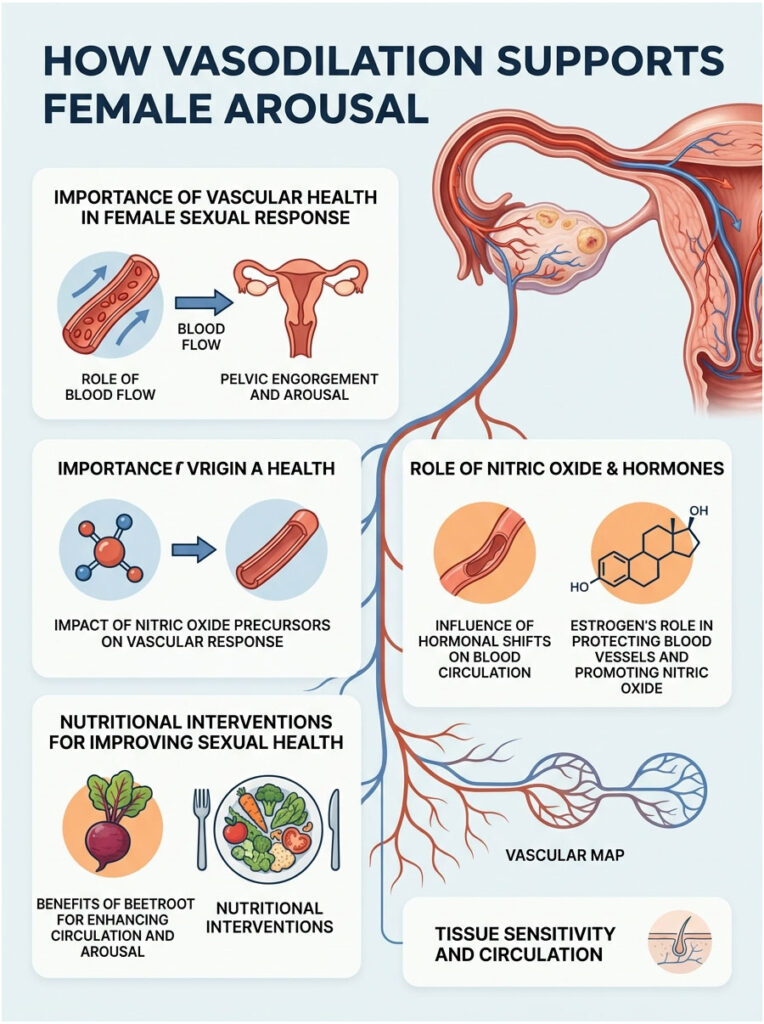
Is beetroot good for sexual health in women? Yes, without question. The biological need for rich blood flow doesn’t change based on gender. Female arousal requires significant pelvic engorgement to function properly.
When we talk about female sexual health and circulation, we’re really talking about tissue sensitivity. Without adequate blood flow, local nerve endings don’t respond to touch the way they should, and that shows up as a frustrating lack of sensation.
Improving Sensitivity and Natural Lubrication
The clitoral and vaginal tissues are packed with thousands of tiny blood vessels. When arousal begins, the brain sends a surge of blood to these areas. The rapid engorgement causes physical swelling and heightened nerve sensitivity.
That increased blood flow is also directly responsible for natural lubrication. Moisture is literally pushed through the vaginal walls by the pressure of the surrounding blood vessels. If circulation is poor, the entire process stalls out.
By consuming nitric oxide precursors, women can dramatically improve this vascular response. Dietary nitrates encourage the pelvic arteries to relax, open wide, and deliver volume, which brings oxygen and nutrients right where they’re needed.
In clinical practice, improving female sexual health and circulation leads to a much more comfortable, enjoyable experience. It removes the physical barriers that often cause discomfort or pain during intimacy.
Navigating Hormonal Shifts and Circulation
As women age, they go through significant hormonal shifts. The transition into menopause brings a sharp decline in estrogen, and that estrogen drop has a direct negative impact on vascular elasticity.
Estrogen naturally protects blood vessels and promotes baseline nitric oxide production. Once it disappears, many women suddenly face poor circulation and chronic vaginal dryness. This is a vascular issue, not a psychological one.
This is where nutritional interventions really shine. External nitric oxide precursors let women bypass the estrogen-dependent pathways. You’re giving the body the raw materials it needs to force vasodilation regardless of hormone levels.
Many of my female patients see remarkable results once they focus on vascular health. They come to realize that supporting female sexual health and circulation is the key to maintaining vitality through menopause, which is exactly why the answer to “is beetroot good for sexual health” is a clear yes for everyone.
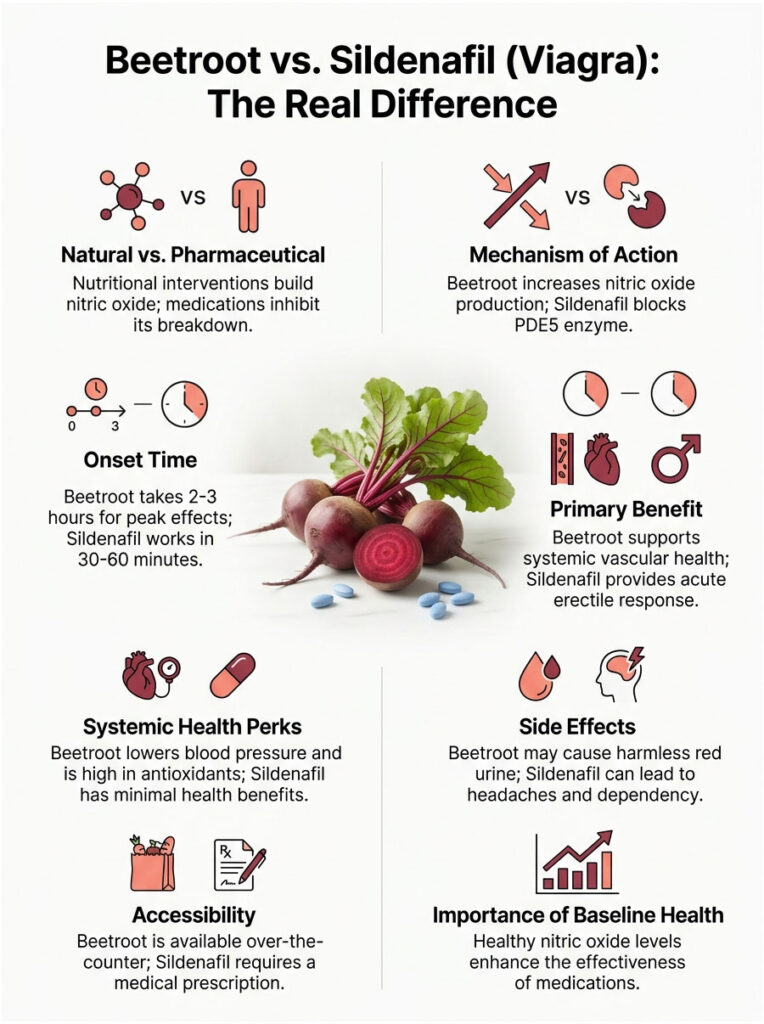
Beetroot vs. Sildenafil (Viagra): The Real Difference
Patients regularly ask me to explain the difference between natural foods and prescription medications. They want an honest comparison before making a decision. To understand it, you have to look at how each one interacts with your body.
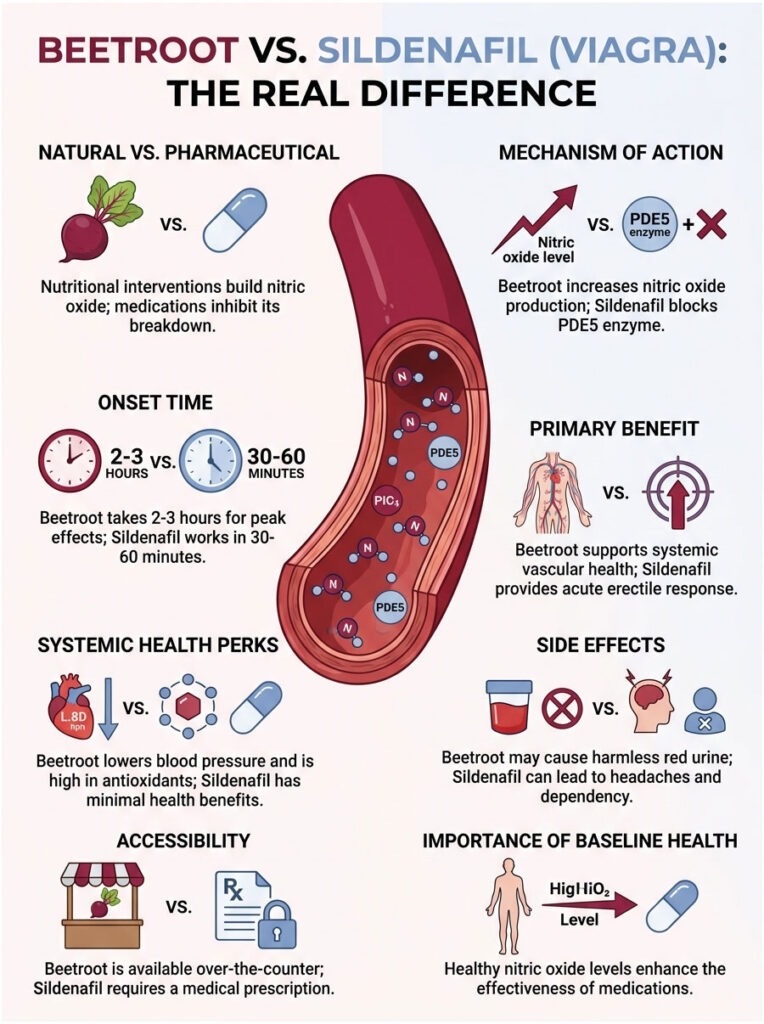
Both interventions target the same biological pathway. Both ultimately aim to increase cGMP in your smooth muscle tissue. But they get there from opposite directions.
Natural nutrition adds raw materials to a depleted system. You’re giving your body dietary nitrates to build new nitric oxide molecules. It’s a healthy, additive process that nourishes the entire cardiovascular system.
How Pharmaceuticals Work
Sildenafil operates differently. Your body naturally produces an enzyme called PDE5, which breaks down cGMP and ends erections. Sildenafil is a PDE5 inhibitor.
It blocks that breakdown enzyme, trapping the existing blood in the pelvic region. It doesn’t actually create new nitric oxide. It just stops your body from clearing out what’s already there.
Here’s the key truth: medications trap what you already have, while nutrition builds more of what you need. Let’s look at a detailed comparison.
| Feature | Dietary Beetroot (Nitrates) | Sildenafil (Pharmaceutical) |
|---|---|---|
| Mechanism of Action | Increases raw nitric oxide production naturally | Prevents breakdown of cGMP |
| Onset Time | 2 to 3 hours for peak NO levels | 30 to 60 minutes |
| Primary Benefit | Systemic vascular healing and endurance | Targeted, acute erectile response |
| Systemic Health Perks | Lowers blood pressure, high in antioxidants | Minimal systemic nutritional value |
| Side Effect Profile | Harmless red urine, possible low blood pressure | Headaches, flushing, vision changes, dependency |
| Accessibility | Over-the-counter food or supplement | Medical prescription required |
Both clearly have their place. Medications offer rapid, acute fixes for severe immediate issues. Nutritional interventions offer long-term, systemic healing and sustainable enhancement.
One more thing worth noting: if your endothelium is badly damaged from poor diet, Viagra won’t work well anyway. The medication needs a baseline level of natural nitric oxide to function. Fixing your foundation with vegetables actually makes prescription medications work better when they’re needed.
The Dietitian’s Protocol for Maximum Results
Knowing a food is healthy is only half the battle. You have to know how to use it to get measurable results. If you want beets to actually improve performance, timing and dosage are everything.
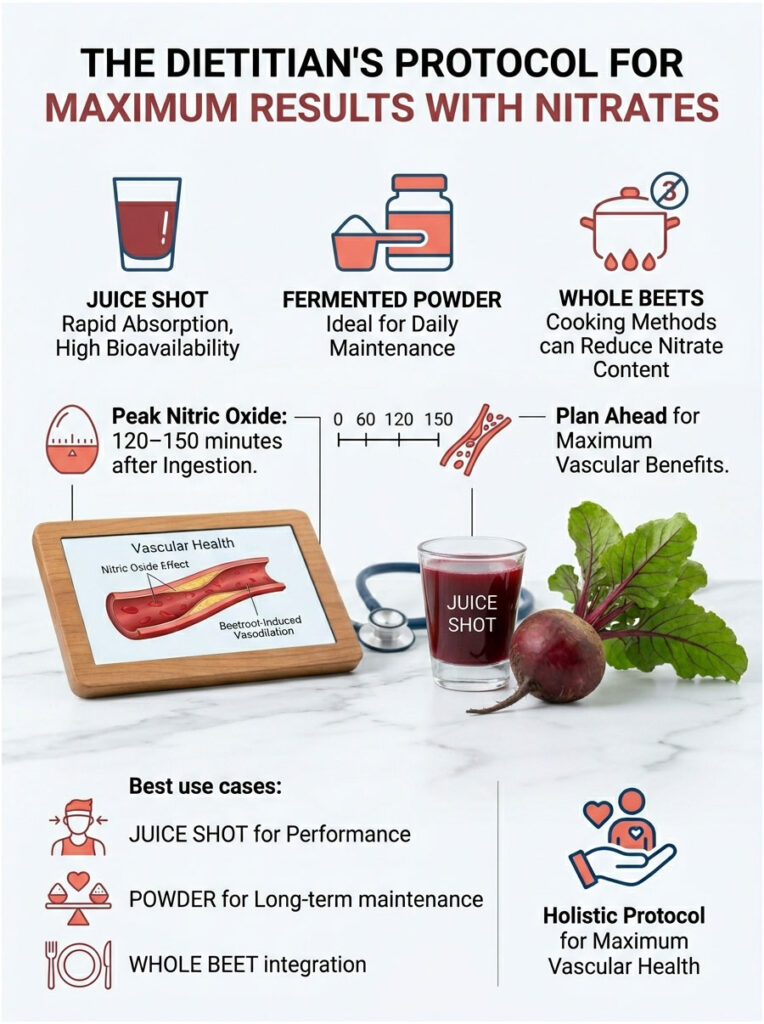
Plenty of people eat a small side salad and wonder why nothing happens. The truth is, dietary nitrate bioavailability varies wildly based on preparation and consumption. You need a real protocol to see real changes.
Here’s exactly how I advise my patients to use these nitric oxide precursors. This approach maximizes endothelial function and blood flow when you need it most.
The 2 to 3 Hour Window
One of the most common questions I get is about timing. People want the pharmacokinetics spelled out. The truth is, you can’t drink a glass of juice and expect instant results.
Clinical trials measuring blood plasma show that nitrates take time to convert. Remember the oral microbiome process we walked through earlier? That chain reaction needs a specific amount of time to complete.
For most healthy adults, peak nitric oxide levels show up roughly 120 to 150 minutes after ingestion. If you want maximum vascular benefit, you have to plan ahead. Drinking a beet shot right before intimacy means you’ll miss the window entirely.
Vasodilation will peak long after you’re already finished with your activities. Planning ahead is non-negotiable with natural interventions. Give your stomach the time it needs to release active molecules into your bloodstream.
Choosing the Right Format
Not all supplements are created equal. Grocery stores carry dozens of options, and they have wildly different absorption rates. Let’s look at powders, juices, and whole foods.
Fresh vegetables are great for general health. They come with fiber, vitamins, and minerals. But cooking them at high temperatures can destroy up to 30 percent of the delicate nitrate compounds.
For acute stamina, concentrated powders usually beat fresh produce. High-quality powders are dehydrated at low temperatures, which preserves the nitrates while removing water and bulky fiber.
Juice shots are another strong option for time-sensitive situations. They offer the highest dietary nitrate bioavailability because your body doesn’t have to break down solid food. The concentrated liquid absorbs quickly through your stomach lining.
| Format | Nitrate Density | Bioavailability | Sugar Content | Best Use Case |
|---|---|---|---|---|
| Concentrated Juice Shots | Very High | Rapid absorption | Moderate to High | Acute pre-performance boost |
| Fermented Beet Powder | High | Excellent | Very Low | Daily vascular maintenance |
| Whole Raw Beets | Moderate | Slow release | Natural matrix | General dietary health |
| Boiled Whole Beets | Lower | Slow release | Natural matrix | Culinary enjoyment |
Match the format to your goal. For a daily maintenance routine, fermented powders usually work best. For a targeted, powerful boost, go with concentrated liquid shots.
Lifestyle Factors That Destroy Your Natural Nitric Oxide
You can eat the highest-quality vegetables in the world, but none of it matters if your lifestyle is working against you. Your endothelium is incredibly sensitive to daily habits, and certain behaviors destroy nitric oxide faster than your body can make it.
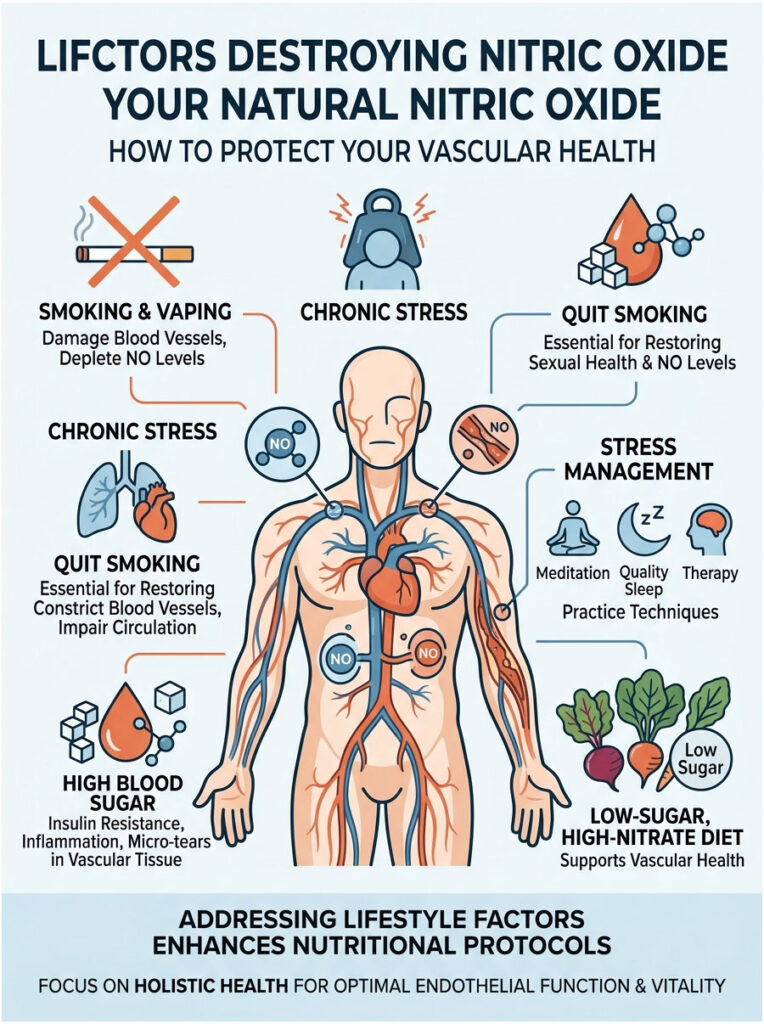
As a dietitian, I have to look at the whole picture. Prescribing a supplement without addressing daily habits doesn’t work. You have to stop the damage before the healing can start.
Here are the three biggest lifestyle factors sabotaging vascular health right now. Fix these, and your nutrition protocol will work ten times better.
Smoking and Vaping
Nicotine and the thousands of other chemicals in cigarette smoke are toxic to blood vessels. Smoking strips the endothelial lining and causes massive oxidative stress. It’s one of the fastest routes to severe erectile dysfunction.
Even vaping, which many people assume is safe, constricts blood vessels dramatically. Nicotine is a potent vasoconstrictor, meaning it forces arteries to shrink and tighten. That’s the opposite of what dietary nitrates are trying to do.
If you smoke, your nitric oxide levels are already severely depleted. Quitting is the single most important step you can take for sexual health. No amount of beetroot can outwork an active smoking habit.
Chronic Stress and Cortisol
Your mental state has a direct, measurable impact on physical circulation. When you’re constantly stressed, your adrenal glands pump out cortisol and adrenaline. These stress hormones are built for fight-or-flight survival, not intimacy.
Adrenaline forcefully constricts blood vessels to push blood toward major muscle groups. It literally pulls blood away from your digestive and reproductive organs. You simply can’t achieve proper pelvic engorgement when your body thinks it’s in danger.
Managing stress through meditation, quality sleep, or therapy is crucial. Lowering baseline cortisol lets your blood vessels relax naturally, which creates the right environment for dietary nitrates to work.
High Blood Sugar and Insulin Resistance
The modern diet is loaded with refined sugars and processed carbs. Eating these constantly keeps blood sugar and insulin chronically high, and that hyperinsulinemic state is incredibly damaging to vascular tissue.
Excess sugar in the bloodstream acts almost like shards of glass against the endothelial lining. It causes micro-tears and inflammation throughout your circulatory system, and that inflammation blunts your ability to synthesize nitric oxide.
Controlling blood sugar is a mandatory step for restoring sexual vitality. Combining a low-sugar diet with high-nitrate foods creates a powerful healing protocol. You stop the damage while providing the raw materials for repair.
Who Should Be Cautious with Beetroot?
Natural doesn’t automatically mean harmless. While the benefits for men and women are real, this protocol isn’t right for everyone. Powerful biological changes always come with specific risks.
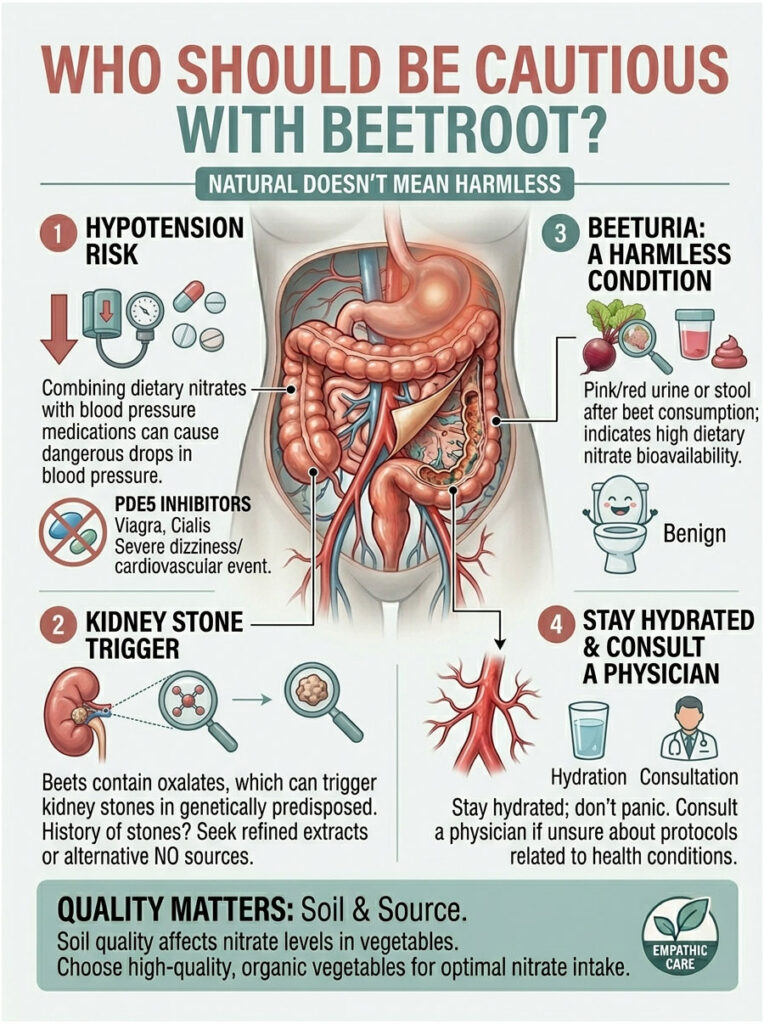
Because these foods physically change the diameter of your blood vessels, they alter your hemodynamics. If you have underlying health conditions, you need to pay attention to these cautions. Safety always comes before performance.
Here are the three main clinical considerations to know before starting a heavy nitrate protocol.
The Hypotension Risk
The biggest clinical risk involves resting blood pressure. Nitric oxide precursors are very effective at lowering both systolic and diastolic numbers. For most people with hypertension, that’s a real benefit.
But what if you’re already taking prescription blood pressure medication? Stacking natural vasodilators with pharmaceutical vasodilators is dangerous. The additive effect can drop your blood pressure too far, a condition called hypotension.
This is especially true if you’re taking PDE5 inhibitors like Viagra or Cialis. Combining these with high doses of dietary nitrates can cause severe dizziness, fainting, or even cardiovascular events. Talk to your prescribing physician before combining them.
Oxalates and Kidney Stones
Here’s a fact that supplement marketing usually skips. Beets are high in natural plant compounds called oxalates. Oxalates are harmless for most people, but they pose a real risk to a specific group.
If you’re genetically prone to calcium oxalate kidney stones, you need to be careful. Consuming large amounts of whole beets or unrefined powders can trigger rapid stone formation. Your kidneys end up working overtime to filter out the excess.
If you have a history of kidney stones, you can still get the vascular benefits safely. Look for specialized refined extracts that have the oxalates clinically removed, or focus on other nitric oxide precursors like watermelon and dark leafy greens.
The Phenomenon of Beeturia
This last one isn’t actually dangerous, but it causes a lot of unnecessary panic. After eating large amounts of beets, you might notice a startling change in the bathroom. Your urine or stool can turn pink or even bright red.
This harmless condition is called beeturia. It happens because your digestive system can’t fully break down the tough red betalain pigments, so the leftover color simply gets excreted.
It looks alarming and closely resembles blood, but it’s completely benign. It just means your dietary nitrate bioavailability is high and the compounds are moving through. Drink plenty of water and don’t panic.
Evidence-Based Results in Vascular Health
In modern clinical nutrition, we don’t rely on guesswork or folklore. The protocols we use are backed by decades of peer-reviewed research. The medical community has documented exactly how dietary interventions alter human biology.
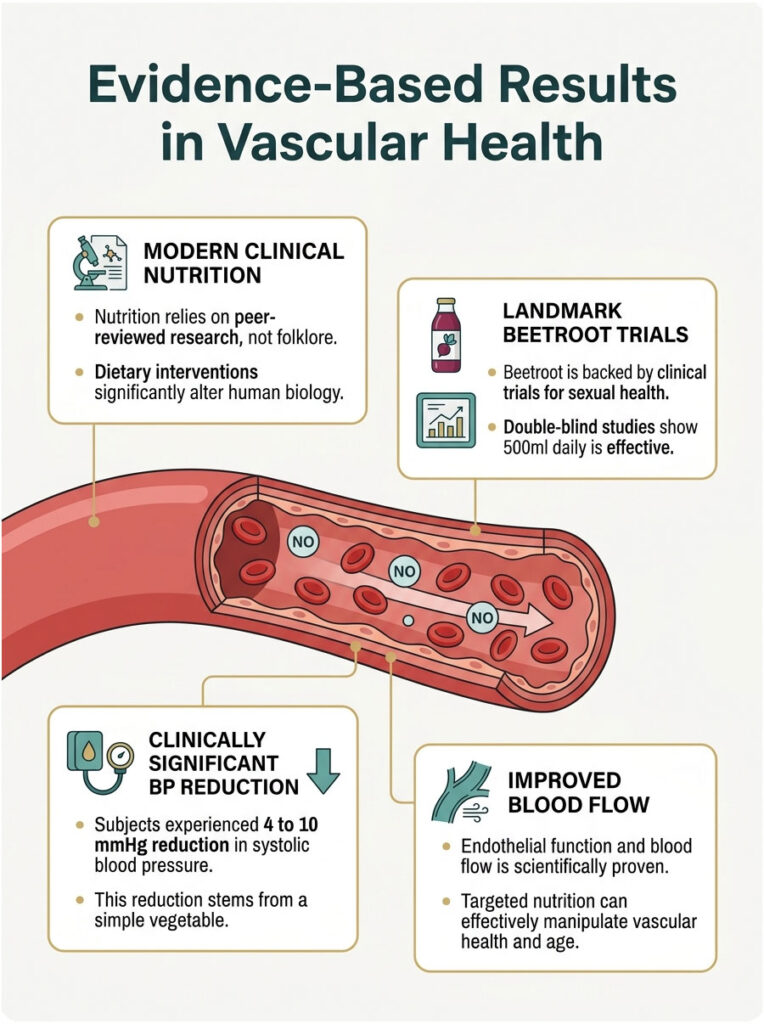
When skeptical patients ask, is beetroot good for sexual health, I point them to the data. Landmark clinical trials consistently show the efficacy of these compounds. The numbers speak for themselves.
Multiple double-blind, placebo-controlled studies show that consuming 500ml of beet juice daily works. Subjects experienced a 4 to 10 mmHg reduction in systolic blood pressure within hours. That’s a clinically significant drop from a simple vegetable.
This measurable improvement in endothelial function and blood flow is scientific fact. It proves that we can manipulate our vascular age through targeted nutrition. We’re literally feeding our arteries exactly what they need to heal.
Synergistic Nutrition Stacking
If you want elite-level results, don’t rely on a single ingredient. In clinical practice, we use an approach called nutrition stacking, which means intelligently combining nutrients that enhance each other.
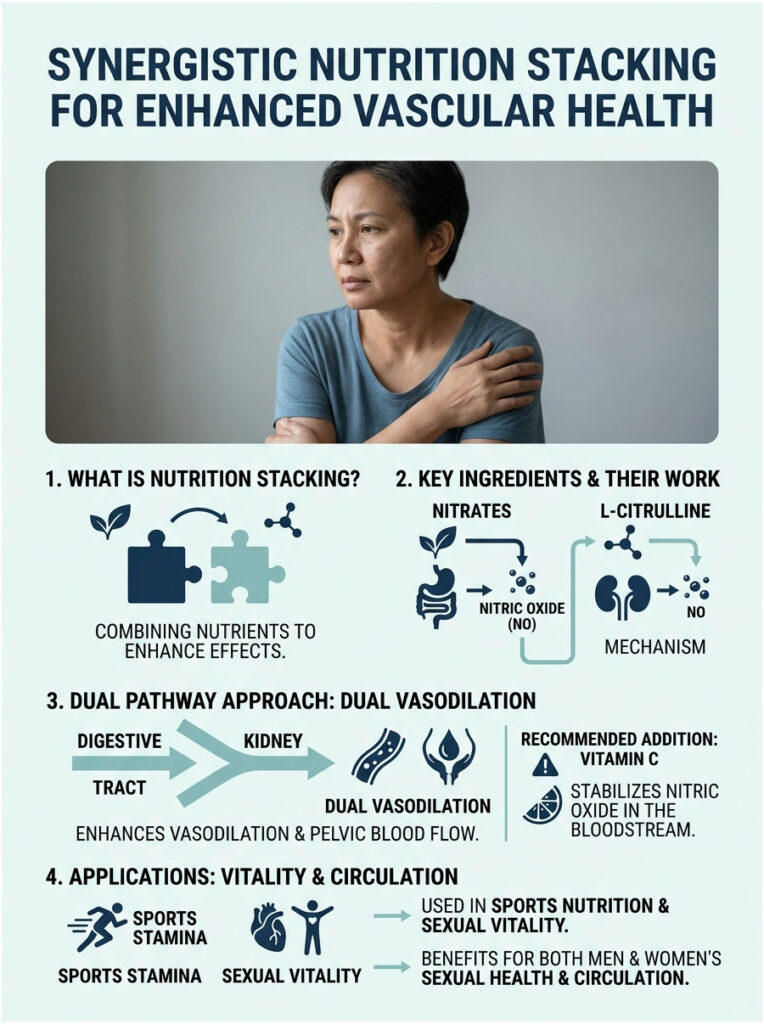
To maximize the vascular benefits for men and women, I recommend stacking nitrates with L-citrulline. L-citrulline is an amino acid found abundantly in watermelon rind. Nitrates convert to NO through the digestive tract, while L-citrulline converts to NO through the kidneys.
Taking both at once attacks the vasodilation process from two biological pathways. This creates a sustained surge in pelvic blood flow that lasts for hours. It’s a favorite strategy among top athletes and biohackers.
Expert Insight: Add a solid dose of Vitamin C to your nitrate and L-citrulline stack. Nitric oxide is unstable and degrades quickly in the blood. Vitamin C acts as a chemical anchor, stabilizing NO molecules and extending your results significantly.
This same combination is used heavily in sports nutrition for prolonged stamina. It translates directly to those seeking natural solutions for sexual vitality, and it works just as well for supporting female sexual health and circulation.
Clinical Observations: Real-World Vascular Healing
Science and statistics are great, but real-world application is what matters to patients. Over my years in practice, I’ve watched these protocols transform lives. Let me share a couple of generalized observations to show what’s possible.
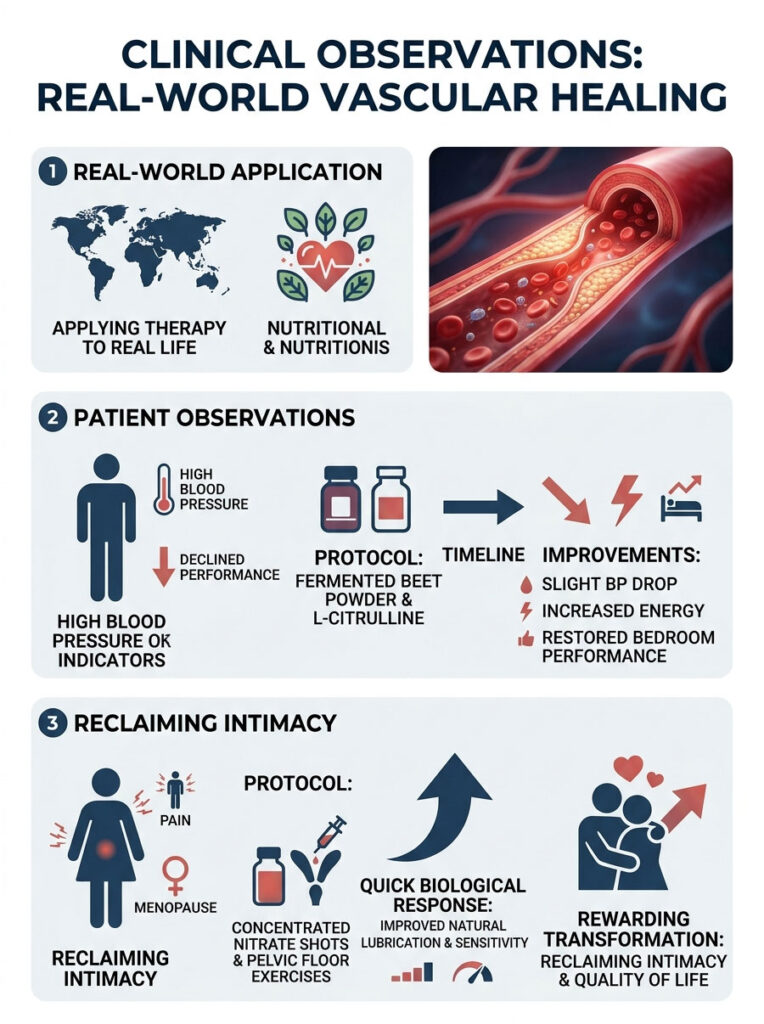
These aren’t overnight miracles. They’re the result of consistent nutritional therapy. When patients commit to healing their endothelium, results can be life-changing. It takes patience, but the payoff is significant.
The Male Experience: Restoring Confidence
I see men in their early 50s every month who are frustrated by declining performance. They typically have borderline high blood pressure and stressful corporate jobs. They’ve tried pharmaceuticals and hate the headaches and flushed feeling.
When we switch them to a daily protocol of fermented beet powder and L-citrulline, things start to shift. For the first two weeks, they usually just notice a slight drop in morning blood pressure. By week four, they report more energy during evening workouts.
By week eight, the endothelial healing hits a tipping point. They report that bedroom performance has returned to what it was a decade earlier. They got there naturally, just by giving their vascular system the respect and nutrients it needed.
The Female Experience: Overcoming Menopause
Stories from female patients are often even more powerful. I see women in their late 50s who have given up on intimacy due to severe pain. The estrogen drop of menopause left them with poor circulation and tissue atrophy.
We start a protocol of concentrated nitrate shots combined with pelvic floor exercises. We bypass the lack of estrogen by forcing vasodilation through the dietary nitrate pathway. The biological response tends to be quick.
Within six weeks, these women report a real increase in natural lubrication and physical sensitivity. The pain disappears because tissues are finally getting the oxygen-rich blood they were starving for. Watching patients reclaim this part of their lives is incredibly rewarding.
Is Beetroot Good for Sexual Health? The Final Verdict
We’ve covered a lot of clinical biology, cellular mechanics, and practical application. The science is clear and the real-world results are undeniable. Healing your vascular system is the key to lasting physical vitality.
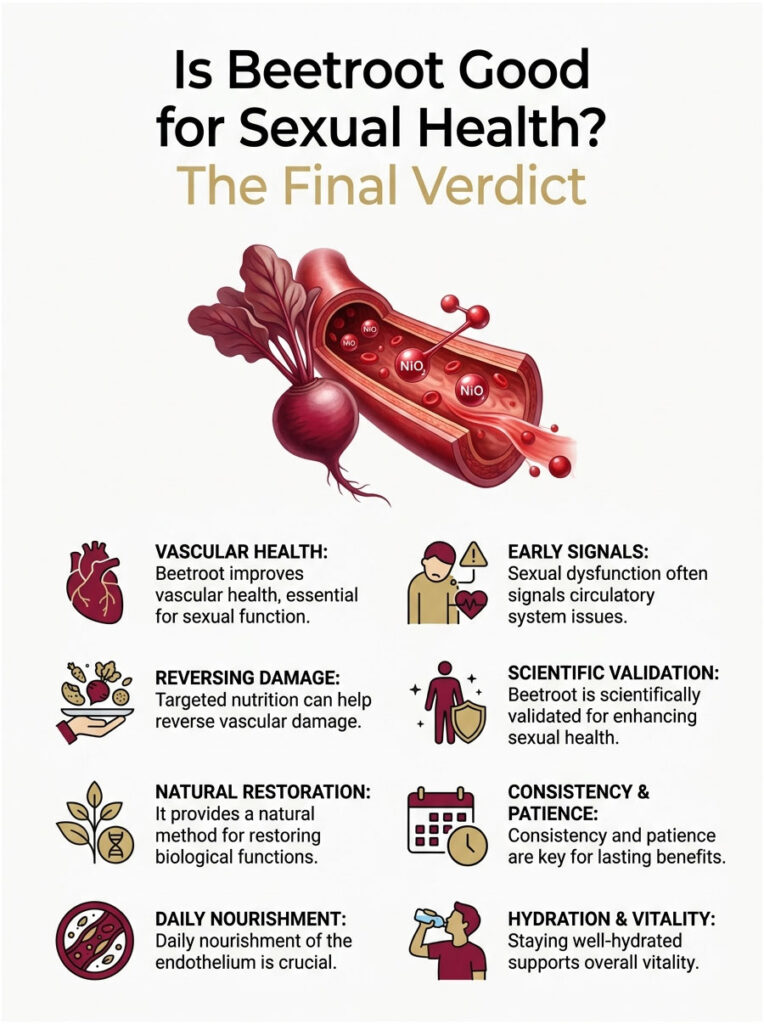
You now understand that sexual dysfunction is rarely an isolated problem. It’s an alarm bell ringing in your circulatory system, asking for raw materials. Answer that call with targeted nutrition and you can actually reverse the damage.
So, is beetroot good for sexual health? Yes. It’s one of the most scientifically validated foods on the planet for this exact purpose. It offers a natural, effective, holistic way to restore your body’s most important biological functions.
My final piece of advice as a dietitian is to be patient and consistent. You’re repairing microscopic vascular networks, not popping a quick-fix pill. Nourish your endothelium daily, stay well-hydrated, and your body will reward you with sustained energy and vitality.
Summary and Key Takeaways
- Systemic Healing: Sexual dysfunction is almost always a symptom of poor cardiovascular health. Fix your baseline blood flow, and localized performance issues often resolve on their own.
- The Power of Nitrates: Beets provide the exact raw materials your body needs to produce nitric oxide, the molecule that relaxes blood vessels and supports healthy circulation.
- Protect the Microbiome: Skip harsh alcohol-based mouthwashes right after eating nitrate-rich foods. You need your oral bacteria to convert the compounds properly.
- Timing Matters: Consume supplements 2 to 3 hours before physical activity. This matches your body’s digestive timeline to hit peak vasodilation at the right moment.
- Stack for Synergy: Combine dietary nitrates with L-citrulline and Vitamin C. This multi-pathway approach delivers the strongest, longest-lasting results for both men and women.
- Safety First: Talk to your doctor before starting a protocol if you take blood pressure medication. Combining natural vasodilators with pharmaceuticals can cause dangerous drops in blood pressure.
Frequently Asked Questions
How long before physical activity should I consume beetroot for maximum benefit?
Based on the pharmacokinetics of dietary nitrates, peak nitric oxide levels in the blood plasma occur roughly 120 to 150 minutes after ingestion. To maximize vasodilation and pelvic blood flow, you should consume your beetroot supplement or juice shot at least 2 to 3 hours before activity to allow the oral microbiome and digestive system to complete the chemical conversion.
Can using mouthwash really negate the sexual health benefits of beetroot?
Yes. The biological pathway begins in your mouth where salivary glands concentrate nitrates. Specific oral bacteria on the tongue then convert these into nitrites. Using harsh, alcohol-based antibacterial mouthwashes kills these essential microbes, stopping the production of nitric oxide precursors and preventing the vascular relaxation you’re seeking.
How does beetroot compare to prescription medications like Sildenafil?
While both target the cGMP pathway to relax smooth muscle, they function differently. Sildenafil is a PDE5 inhibitor that prevents the breakdown of existing cGMP to trap blood flow. Beetroot, however, is a natural vasodilator that provides the raw dietary nitrates necessary to generate new nitric oxide, building a healthier vascular baseline rather than just providing an acute, artificial fix.
Is beetroot effective for improving female sexual health and arousal?
Absolutely. Female arousal is a vascular event requiring significant pelvic engorgement and tissue sensitivity. By increasing nitric oxide production, beetroot facilitates the relaxation of pelvic arteries, which improves blood volume to clitoral and vaginal tissues. This can lead to heightened sensitivity and improved natural lubrication, especially in postmenopausal women.
What is the ‘cGMP pathway’ and why is it important for circulation?
The cGMP (cyclic guanosine monophosphate) pathway is the chemical trigger for vasodilation. When nitric oxide enters the smooth muscle cells of your blood vessels, it activates an enzyme that produces cGMP. This molecule signals the muscles to release calcium ions and relax, allowing the vessel to widen and accommodate a massive surge of oxygen-rich blood.
Are beet powders more effective than eating whole raw beets?
For targeted clinical results, concentrated powders or fermented extracts are often superior. They provide a standardized dose of nitrates with higher bioavailability and lower sugar content. While whole beets are nutritionally dense, cooking can destroy up to 30 percent of their nitrate content, making concentrated formats more reliable for achieving specific vascular outcomes.
Can I safely combine beetroot with blood pressure medications?
You must exercise caution. Because dietary nitrates are highly effective at lowering systolic blood pressure (by 4 to 10 mmHg), stacking them with prescription antihypertensives or PDE5 inhibitors can lead to hypotension—a dangerous drop in blood pressure. Always consult your healthcare provider before combining natural vasodilators with pharmaceutical treatments.
Why is erectile quality considered a barometer for overall heart health?
The arteries in the pelvic region are significantly narrower than the coronary arteries. Because they are so small, they are often the first to show signs of endothelial dysfunction or plaque buildup. If you are experiencing vascular-related performance issues, it is frequently a systemic warning sign that your entire cardiovascular system requires nutritional support.
What is ‘beeturia’ and should I be concerned if it happens?
Beeturia is the harmless discoloration of urine or stool, turning it pink or red after consuming beets. It occurs because your digestive system hasn’t fully broken down the betalain pigments. While it can be startling, it is a benign condition and does not indicate any underlying pathology or internal bleeding.
How does ‘nutrition stacking’ improve the efficacy of beetroot?
In clinical practice, we stack nitrates with L-citrulline and Vitamin C to maximize results. While nitrates convert to nitric oxide via the digestive tract, L-citrulline converts via the kidneys, attacking vasodilation from two different pathways. Vitamin C then acts as a stabilizer, preventing the nitric oxide from degrading too quickly in the bloodstream.
Can beetroot help with stamina and physical endurance in the bedroom?
Yes. Clinical studies show that beet juice can increase time-to-exhaustion by 16 percent. By reducing the oxygen cost of physical activity and improving the delivery of nutrients to the muscles, nitric oxide precursors allow for sustained physical performance and delayed fatigue during intense exertion.
Are there any risks for individuals prone to kidney stones?
Beets are high in oxalates, which are compounds that can contribute to the formation of calcium oxalate kidney stones in susceptible individuals. If you have a history of stones, you should avoid whole beets and unrefined powders, instead opting for highly refined nitrate extracts that have had the oxalates removed.
Disclaimer
This article is for informational purposes only and does not constitute medical advice. The nutritional protocols discussed, particularly those involving high-nitrate intake, can interact with blood pressure medications and PDE5 inhibitors. Always consult with a qualified healthcare professional or your primary physician before making significant changes to your diet or starting new supplements, especially if you have a history of kidney stones or cardiovascular conditions.
References
- National Institutes of Health (NIH) – Office of Dietary Supplements – Comprehensive data on dietary nitrates and their role in cardiovascular health and nitric oxide synthesis.
- American Heart Association (AHA) – Circulation Journal – Research regarding endothelial function, oxidative stress, and the impact of plant-based nitrates on blood pressure.
- The Menopause Society – Vascular Health Portal – Clinical insights into the decline of estrogen and its subsequent effect on female vascular elasticity and pelvic blood flow.
- Journal of Applied Physiology – Physiological Reports – Studies documenting the 16% increase in time-to-exhaustion and oxygen efficiency following beet juice consumption.
- National Center for Biotechnology Information (NCBI) – PubMed Central – Peer-reviewed studies on the cGMP pathway and the oral microbiome’s role in nitrate-to-nitrite conversion.
- Journal of the International Society of Sports Nutrition – JISSN – Evidence regarding the efficacy of nitrate supplementation for physical stamina and muscular endurance.