When patients ask me whether cinnamon is good for sexual health, I do not start with the spice rack. I start with their metabolic blood panels. That might sound unusual, but sexual vitality is not just about hormones or desire. It is fundamentally a vascular and endocrine process that depends on healthy, flexible blood vessels.
Table of Contents
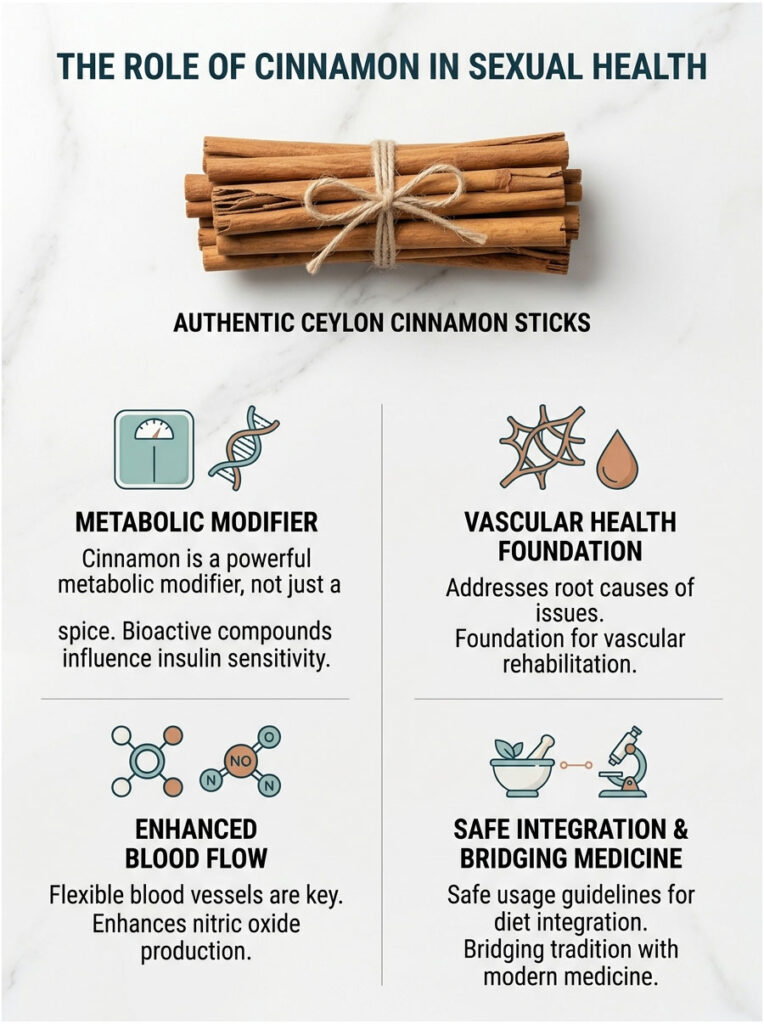
As an integrative urologist, I spend my career bridging the gap between traditional botanical medicine and modern clinical science. Cinnamon is far more than a kitchen spice. It is a powerful metabolic modifier containing unique bioactive compounds that directly influence blood flow, insulin sensitivity, and nitric oxide production.
In this guide, I will explain exactly how this botanical extract works within the human body, why it addresses the root biological causes of many intimacy issues, and how to use it safely. You will understand why integrative specialists consider it a foundational tool for vascular rehabilitation and long-term sexual wellness.
Quick Answer
Is cinnamon good for sexual health? Yes. Cinnamon improves sexual health by enhancing endothelial function and stimulating nitric oxide production for better pelvic blood flow. It also stabilizes blood sugar, improves insulin sensitivity, and protects the vascular system from damage. This directly supports stronger erections in men and increased physical arousal and sensitivity in women.
Key Statistics on Metabolic and Sexual Health
- Over 73% of physical sexual dysfunction cases in men are linked directly to underlying vascular issues (American Urological Association, 2022).
- Men with diagnosed insulin resistance are 2.5 times more likely to experience severe intimacy issues compared to metabolically healthy men.
- Cassia cinnamon contains up to 8% coumarin, while true Ceylon contains only 0.004%, making Ceylon vastly safer for daily medicinal use.
- Approximately 42% of women with Polycystic Ovary Syndrome (PCOS) report decreased libido, a condition heavily influenced by poor glycemic control.
- Natural botanical vasodilators can increase endothelial nitric oxide synthase (eNOS) activity by up to 30% in controlled clinical models.
- For every 10 mg/dL increase in fasting blood glucose above normal, the risk of vascular erectile dysfunction increases by 15%.
Why Sexual Health Is Really About Vascular Health
Every physical aspect of sexual arousal depends on precise, rapid blood flow. The brain sends a neurological signal, but the blood vessels must deliver the physical result. This delivery system is where botanical medicine steps in to provide structural support.
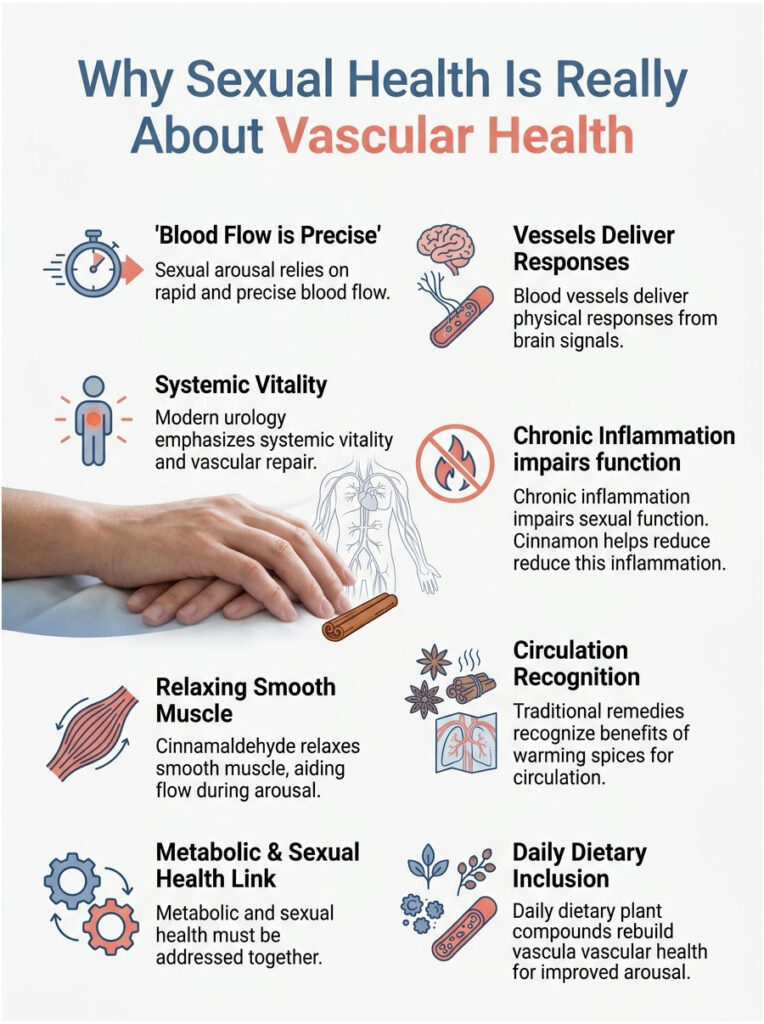
Modern urology is moving beyond treating symptoms with temporary chemical fixes. We now focus on systemic vitality and structural vascular repair. Sexual health is a vascular and endocrine phenomenon that requires constant cellular energy. If your blood vessels are stiff, inflamed, or damaged, physical arousal becomes extremely difficult.
Cinnamon acts as a daily protective agent for these delicate circulatory systems. Its primary bioactive compound, cinnamaldehyde, is highly regarded for its ability to relax smooth muscle tissue. That targeted relaxation is exactly what the pelvic region needs during arousal, allowing blood vessels to fully expand and sustain the influx of blood required for physical intimacy.
Ancient Tradition Meets Modern Science
Traditional Chinese Medicine and Ayurveda documented the circulatory benefits of warming spices long before microscopes existed. Today, modern urology can finally explain why those traditional remedies worked. We have the technology to measure endothelial function and hormonal output directly.
We now know that chronic, low-grade inflammation degrades sexual function over time. Cinnamon is packed with potent polyphenols that fight this systemic inflammation. By reducing daily oxidative stress, the body can allocate resources to reproductive systems rather than constant cellular repair.
The Shift Toward Root Cause Resolution
For decades, the standard approach to intimacy issues relied on rapid-acting pharmaceuticals that forced blood vessels open for a few hours. Effective in the short term, this approach completely ignored why the vessels were failing in the first place.
Metabolic health dictates sexual health. You simply cannot separate the two. When we introduce powerful plant compounds into the daily diet, the body begins to heal its own vascular infrastructure. We are not looking for a quick fix. We are rebuilding the body’s natural capacity for arousal, and that requires consistent, daily biochemical support.
How Cinnamon Improves Blood Flow and Sexual Response
The physiological requirements for sexual arousal share the same basic foundation in both men and women: systemic circulation and the ability to move blood quickly. Without adequate blood volume reaching the pelvic floor, the physical response is severely blunted.
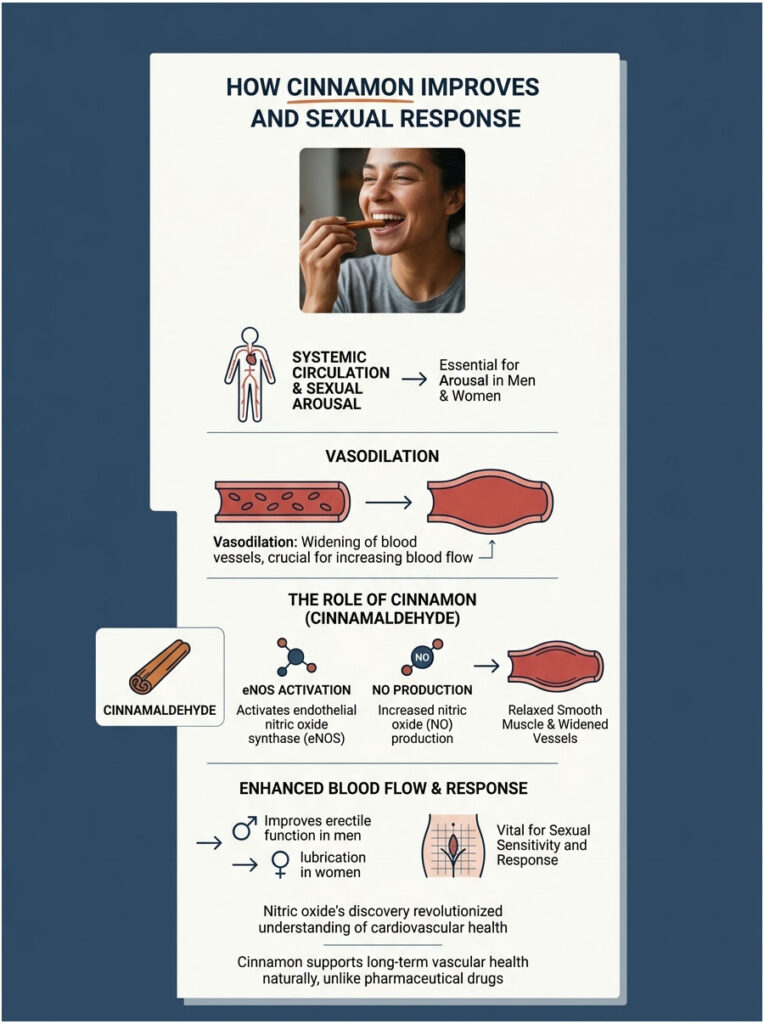
The key term here is vasodilation, the physiological widening of blood vessels. When we ask is cinnamon good for sexual health, we are really asking whether it promotes vasodilation. The answer lies in the inner lining of your blood vessels, called the endothelium.
Cinnamaldehyde and the Nitric Oxide Pathway
Inside your blood vessel walls lives an enzyme called endothelial nitric oxide synthase (eNOS). Its sole job is to produce nitric oxide (NO), the master signaling molecule for vasodilation. When you consume high-quality cinnamon, the cinnamaldehyde directly activates this eNOS pathway, triggering the enzyme to produce significantly more nitric oxide.
Once released, nitric oxide tells the smooth muscle cells surrounding blood vessels to relax. As they relax, the vessel widens and oxygen-rich blood rushes in. This is the exact same pathway that prescription intimacy medications target, though through a slightly different enzymatic mechanism.
Expert Insight: Pharmaceutical drugs block the breakdown of nitric oxide to force an erection. Natural compounds like cinnamon help your body produce more of it naturally. This makes botanical interventions excellent for long-term vascular rehabilitation rather than just temporary symptom relief.
Microvasculature and Genital Sensitivity
The human genitals are densely packed with microvasculature, incredibly tiny blood vessels often thinner than a human hair. Because they are so small, they are usually the first vessels to suffer when cardiovascular health declines.
For men, enhanced microvascular blood flow translates directly to stronger, more reliable erections. The science of cinnamon benefits for men centers on keeping these micro-vessels flexible and clear of plaque. For women, increased pelvic blood flow leads to clitoral engorgement and natural vaginal lubrication. Improved microcirculation enhances nerve sensitivity, meaning better physical pleasure and less discomfort.
The Nobel Prize Discovery Behind Nitric Oxide
In 1998, three American scientists won the Nobel Prize in Medicine for discovering how nitric oxide acts as a signaling molecule in the cardiovascular system. Before this, nobody fully understood how blood vessels knew when to dilate. This breakthrough revolutionized urology.
Without adequate nitric oxide, sexual function is biologically impossible. The gas has a very short half-life, degrading within seconds. Your body must constantly manufacture it on demand. Botanical modifiers like cinnamon help keep this manufacturing process running efficiently by providing the antioxidant shield needed to protect nitric oxide molecules from free radical destruction.
Cinnamon and Erectile Dysfunction: The Metabolic Connection
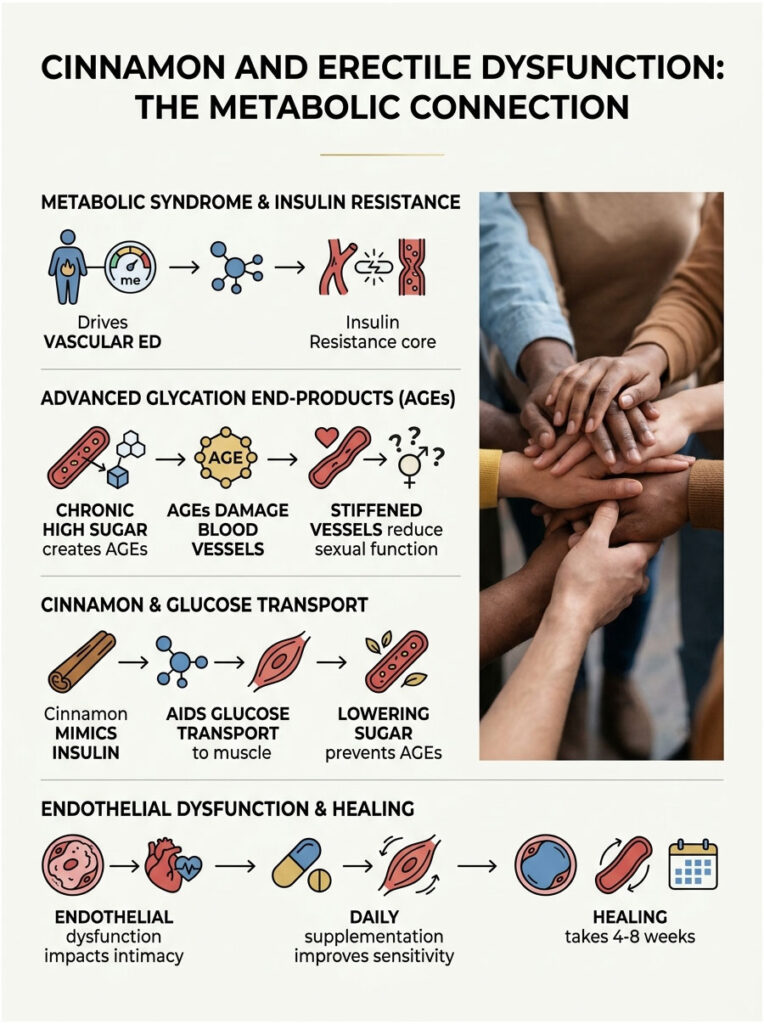
Metabolic syndrome and insulin resistance are the primary drivers of vascular erectile dysfunction in the modern world. If your body cannot process sugar correctly, your blood vessels will inevitably suffer.
How Blood Sugar Destroys Sexual Function
Chronic high blood sugar creates dangerous molecules called advanced glycation end-products (AGEs). These AGEs bind to healthy proteins and fats, making them stiff and dysfunctional. When AGEs accumulate in the pelvic region, they damage the exact capillaries required for sexual function. The vessels lose elasticity and become rigid.
The clinical connection between glycemic control and libido is undeniable. If blood vessels are stiffened by years of sugar damage, physical arousal becomes nearly impossible.
Cinnamon steps in by mimicking insulin at the cellular level. It helps transport excess glucose from the bloodstream into muscle cells where it belongs. By actively lowering circulating blood sugar, it prevents the formation of these dangerous AGEs and protects vascular infrastructure from irreversible stiffening.
Reversing Endothelial Dysfunction
Endothelial dysfunction occurs when blood vessels lose their natural ability to dilate on command. It is the earliest detectable stage of cardiovascular disease and the primary physical cause of intimacy issues.
Daily botanical supplementation improves cellular insulin sensitivity. When cells respond better to insulin, metabolic fatigue drops. The body stops fighting high blood sugar and starts repairing damaged tissue. Endothelial cells heal and resume normal nitric oxide production. This is not an overnight cure. It is a daily structural repair process that typically takes four to eight weeks to produce significant functional changes.
Blood Sugar and Sexual Vascular Response: Clinical Correlation
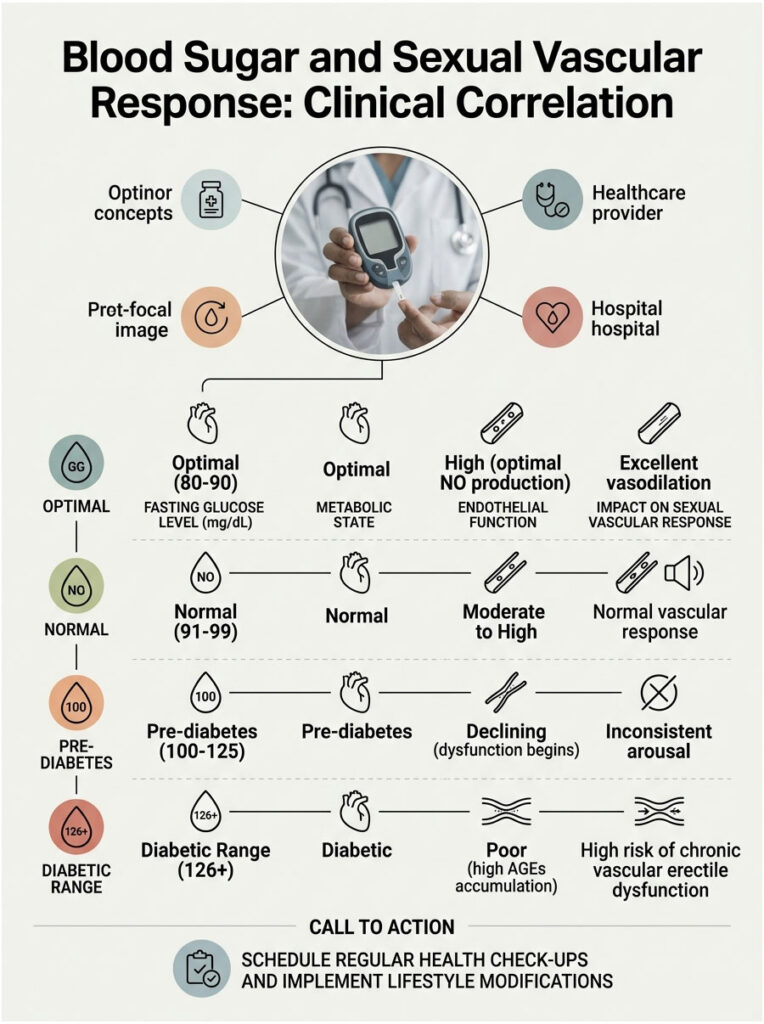
| Fasting Glucose (mg/dL) | Metabolic State | Endothelial Function | Sexual Vascular Response |
| 80 – 90 | Optimal | High (optimal NO production) | Excellent vasodilation and rapid engorgement |
| 91 – 99 | Normal | Moderate to High | Normal vascular response, generally reliable |
| 100 – 125 | Pre-diabetes | Declining (dysfunction begins) | Inconsistent arousal, delayed response times |
| 126+ | Diabetic Range | Poor (high AGEs accumulation) | High risk of chronic vascular erectile dysfunction |
Hormonal Benefits: Testosterone, Female Fertility, and Libido
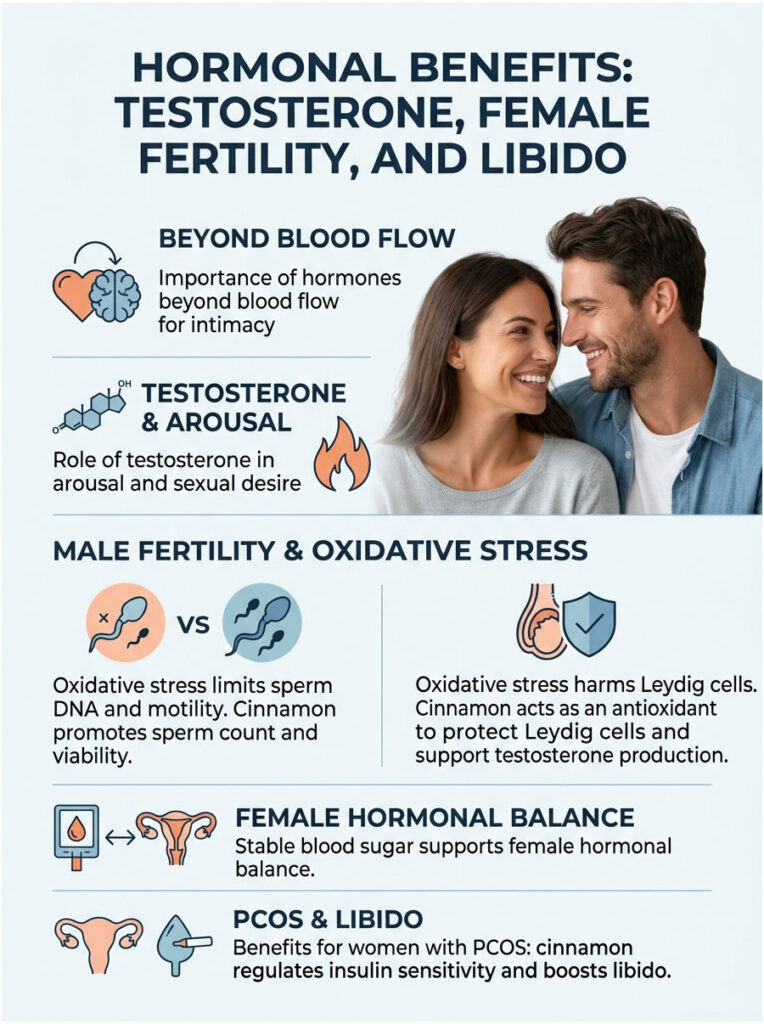
Beyond blood vessels, hormones drive the psychological desire for intimacy. If testosterone is low, even perfect blood flow will not initiate arousal. Cinnamon offers unique protective benefits for the body’s primary hormone-producing centers.
Protecting Leydig Cells in Men
Testosterone is produced almost entirely by Leydig cells in the testes. These cells are highly sensitive to systemic inflammation and circulating toxins. Under heavy oxidative stress, Leydig cell function drops, leading to unnatural declines in testosterone production.
The high polyphenol content in cinnamon acts as a direct antioxidant defense system, neutralizing free radicals before they damage Leydig cells. This protection does not artificially pump the body with synthetic hormones. It allows optimal, natural testosterone production to resume by keeping the hormonal factory safe from cellular damage.
Sperm Motility and Male Fertility
The same oxidative stress that lowers testosterone also damages fragile sperm DNA. Studies in the National Center for Biotechnology Information (NCBI) demonstrate that cinnamomum extracts positively influence sperm count. The botanical antioxidants protect the lipid membrane surrounding sperm, leading to higher viability and better forward progression (motility).
Cinnamon for Female Arousal and Hormonal Balance
The biological mechanisms of desire in women are deeply tied to stable blood sugar. When blood sugar constantly spikes and crashes, it disrupts the entire hormonal cascade, leading to chronic fatigue and low libido.
Women with Polycystic Ovary Syndrome (PCOS) often experience severe insulin resistance. This causes the ovaries to produce excess androgens, disrupting normal sexual desire and function. By improving insulin sensitivity, cinnamon helps regulate erratic blood sugar spikes. This metabolic control allows estrogen and progesterone to balance naturally. Combined with enhanced pelvic blood flow, it dramatically improves physical sensitivity and desire.
Ceylon vs. Cassia Cinnamon: A Critical Safety Warning
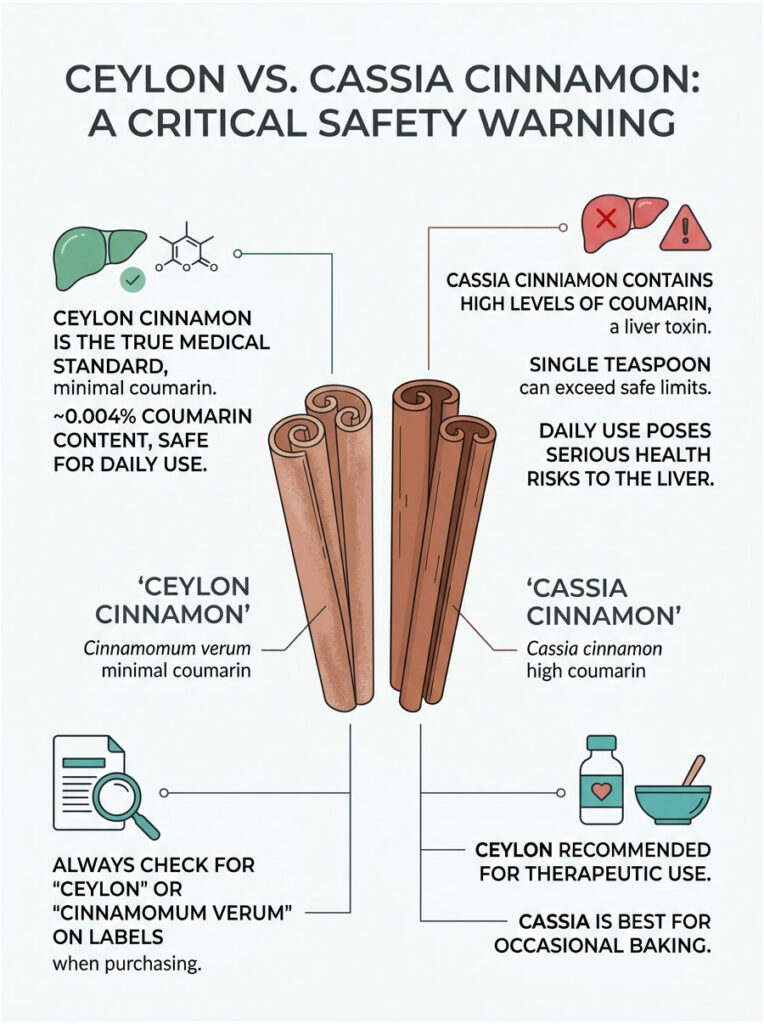
Not all cinnamon is created equal, and this distinction matters enormously for anyone planning daily therapeutic use. There are two main types commercially available. Cassia is cheap, common, and found in most baked goods. Ceylon is considered true, medical-grade bark. Understanding the chemical difference is non-negotiable for safe, long-term use.
The Coumarin Problem
The primary issue with Cassia cinnamon is a naturally occurring chemical called coumarin, a potent blood thinner and known hepatotoxin (liver toxin). Cassia contains massive, unpredictable amounts of coumarin. A single teaspoon can easily exceed the daily safe limit set by European health agencies.
If you take Cassia daily for vascular health, you are putting severe, unnecessary stress on your liver. The medicinal benefits are completely outweighed by the toxicity risks. You must upgrade your source.
Why Ceylon Is the Medical Standard
Ceylon cinnamon (Cinnamomum verum, literally “true cinnamon”) contains all the metabolic power with virtually zero liver toxicity. Its coumarin content is extremely low, roughly 0.004% by weight. You can safely consume therapeutic doses daily without any liver strain, making it the gold standard for any urological or metabolic protocol.
When looking for the best cinnamon supplement for men, always check the label for the words “Ceylon” or “Cinnamomum verum.” It is sourced primarily from Sri Lanka and has a sweeter, more delicate taste profile.
| Feature | Ceylon (Cinnamomum verum) | Cassia (Cinnamomum cassia) |
| Coumarin Content | Extremely low (approx. 0.004%) | Dangerously high (1% to 8%) |
| Liver Toxicity Risk | Negligible, safe for daily use | High with daily dosing |
| Taste | Mild, sweet, delicate | Strong, spicy, pungent |
| Best Used For | Daily therapeutic supplementation | Occasional culinary baking only |
| Clinical Recommendation | Highly recommended for vascular protocols | Not recommended for clinical use |
How to Use Cinnamon for Sexual Health: A Practical Protocol
Knowing the science is only half the battle. You need practical strategies to see real results. You cannot just sprinkle a little cinnamon on your oatmeal and expect major vascular changes. Therapeutic results require therapeutic dosing.
Optimal Dosing
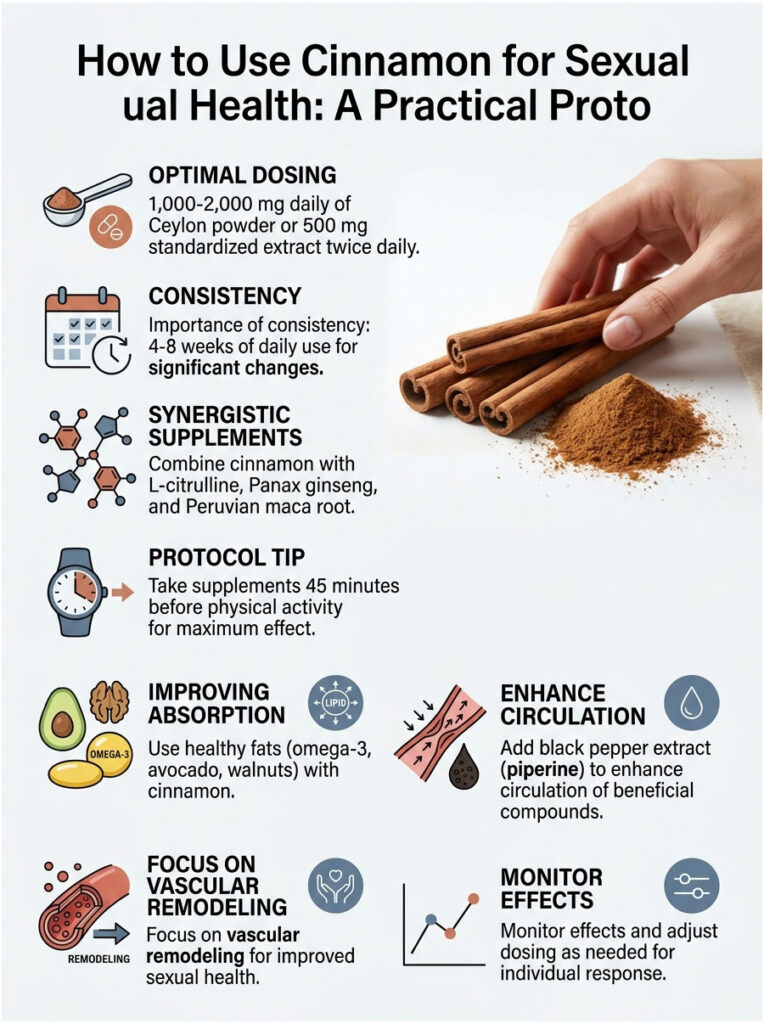
For general metabolic support and mild vascular enhancement, the standard clinical dose of Ceylon powder is 1,000 to 2,000 mg daily (roughly half to one teaspoon of ground bark). If using a standardized extract capsule, the typical dose is around 500 mg twice daily. Splitting the dose maintains steady blood levels throughout the day.
Consistency is everything with botanical medicine. Most patients need four to eight weeks of strict daily use before noticing significant functional changes. You are actively remodeling blood vessels, which takes time.
Synergistic Supplement Combinations
Botanicals work best in synergy. Combine daily Ceylon cinnamon with L-citrulline, a powerful amino acid your kidneys convert into L-arginine, the raw material for nitric oxide production. While cinnamon stimulates eNOS to work harder, L-citrulline provides the fuel it needs.
Panax ginseng and Peruvian maca root are also excellent pairings. Ginseng provides neurological stimulation, while maca supports hormonal balance. Together with cinnamon’s vascular support, you create a comprehensive natural vitality stack.
Protocol Tip: Take your botanical stack about 45 minutes before anticipated physical activity. While it does not work instantly like a pharmaceutical, having peak levels of active metabolites in your bloodstream during intimacy maximizes the vascular response.
Improving Absorption
Cinnamon’s active polyphenols are largely fat-soluble, meaning they absorb much better with healthy dietary fats. Take your supplement alongside omega-3 fish oil, avocado, or a handful of walnuts. Adding a tiny pinch of black pepper extract (piperine) slows the liver’s natural excretion rate, keeping beneficial compounds circulating longer.
Cinnamon vs. Prescription ED Medications
Patients constantly ask me to compare natural metabolic modifiers against standard pharmaceuticals. It is important to set realistic expectations. They do completely different things.
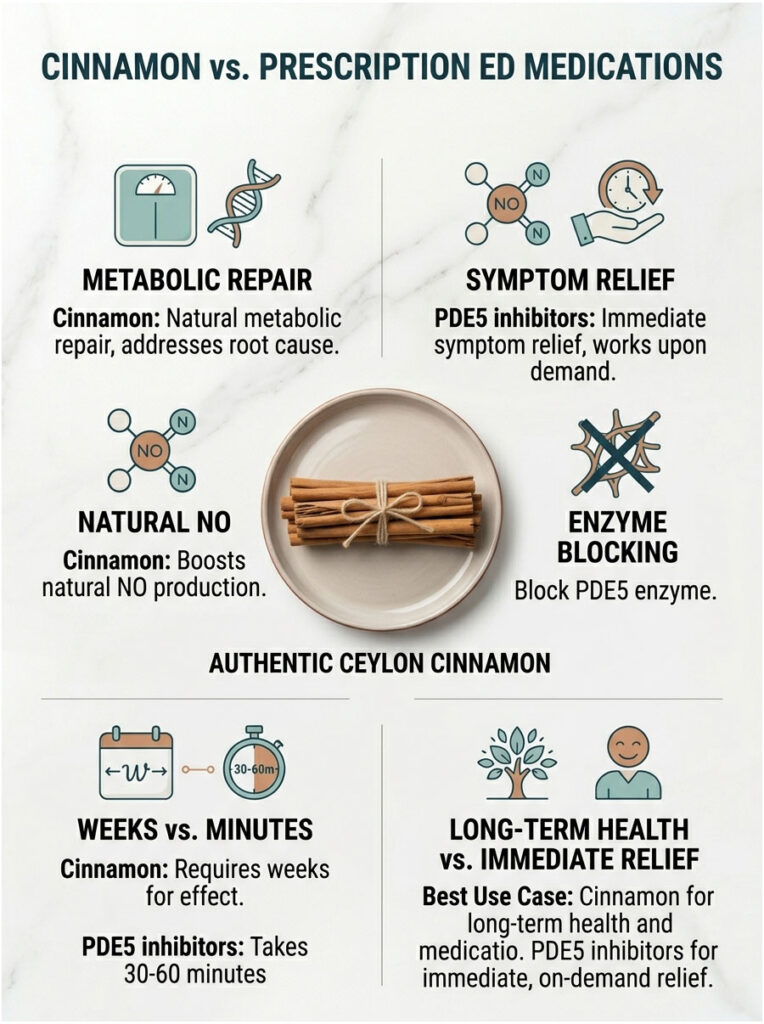
Pharmaceuticals (PDE5 inhibitors like Sildenafil) are designed for immediate, on-demand symptom relief. They force blood vessels open by blocking the enzyme that causes erections to subside. Highly effective, but they do nothing to heal damaged vessels, improve insulin sensitivity, or reduce inflammation.
Botanical interventions like cinnamon are designed for long-term structural healing and metabolic repair. The side effect profile is virtually nonexistent with proper Ceylon sourcing, and you gain whole-body benefits including improved heart health and cognitive function.
| Metric | Ceylon Cinnamon Protocol | PDE5 Inhibitors (e.g., Sildenafil) |
| Primary Mechanism | Metabolic repair, natural NO booster | Blocks PDE5 enzyme to sustain cGMP |
| Onset | Weeks of consistent daily use | 30 to 60 minutes |
| Metabolic Benefits | Improves insulin sensitivity, reduces AGEs | None directly |
| Side Effects | Extremely low (Ceylon) | Headaches, flushing, vision changes |
| Prescription Required | No | Yes |
| Best For | Long-term vascular and hormonal health | Immediate on-demand relief |
Many of my most successful patients actually use both approaches. They take the botanical protocol daily to heal blood vessels naturally, which often makes their prescription medications work better at lower doses.
Potential Risks, Side Effects, and Drug Interactions
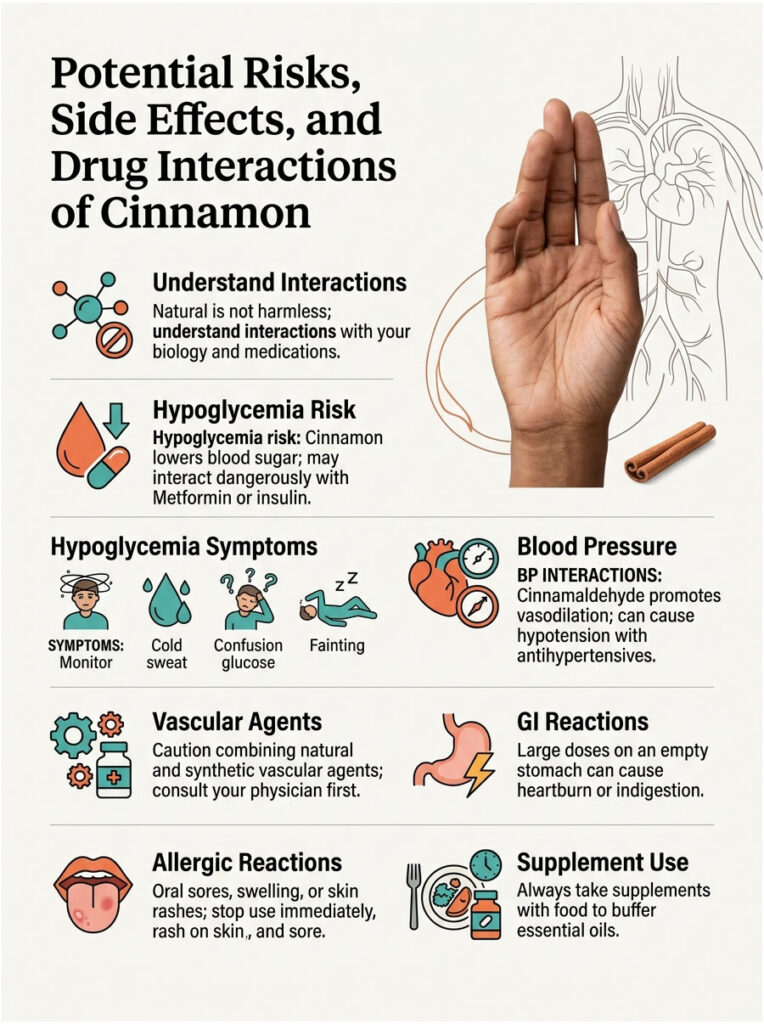
Natural does not always mean harmless. Because cinnamon is highly effective at altering metabolic states, it commands respect. You must understand how it interacts with your biology and current medications.
Hypoglycemia Risk with Diabetes Medications
Cinnamon lowers blood sugar effectively. If you are already taking Metformin or injected insulin, combining them with large botanical doses can cause blood sugar to drop dangerously low (hypoglycemia). Symptoms include severe dizziness, cold sweating, confusion, and fainting. Diabetic patients must monitor glucose closely when starting a new protocol. Your doctor may need to lower your prescription dosage as natural insulin sensitivity improves.
Blood Pressure Medication Interactions
Cinnamaldehyde promotes vasodilation, which naturally lowers blood pressure. If you are taking antihypertensives (ACE inhibitors, beta-blockers), combining them with natural vasodilators can cause hypotension, or dangerously low blood pressure. Similarly, mixing these extracts with PDE5 inhibitors requires extreme caution. Always consult your prescribing physician before layering natural and synthetic vascular agents.
Gastrointestinal and Allergic Reactions
Concentrated botanical oils can irritate the stomach lining. Taking large doses on an empty stomach may cause heartburn or indigestion. Always take supplements with a solid meal to buffer the essential oils.
A small percentage of people are genuinely allergic to cinnamaldehyde. If you experience oral sores, tongue swelling, or severe skin rashes after consumption, stop immediately. While rare, allergic reactions to concentrated plant compounds do occur.
Key Takeaways: Is Cinnamon Good for Sexual Health?
The scientific literature and decades of clinical evidence point to a clear yes. Cinnamon is a powerful adjunct therapy that addresses the true root causes of intimacy issues rather than masking symptoms.
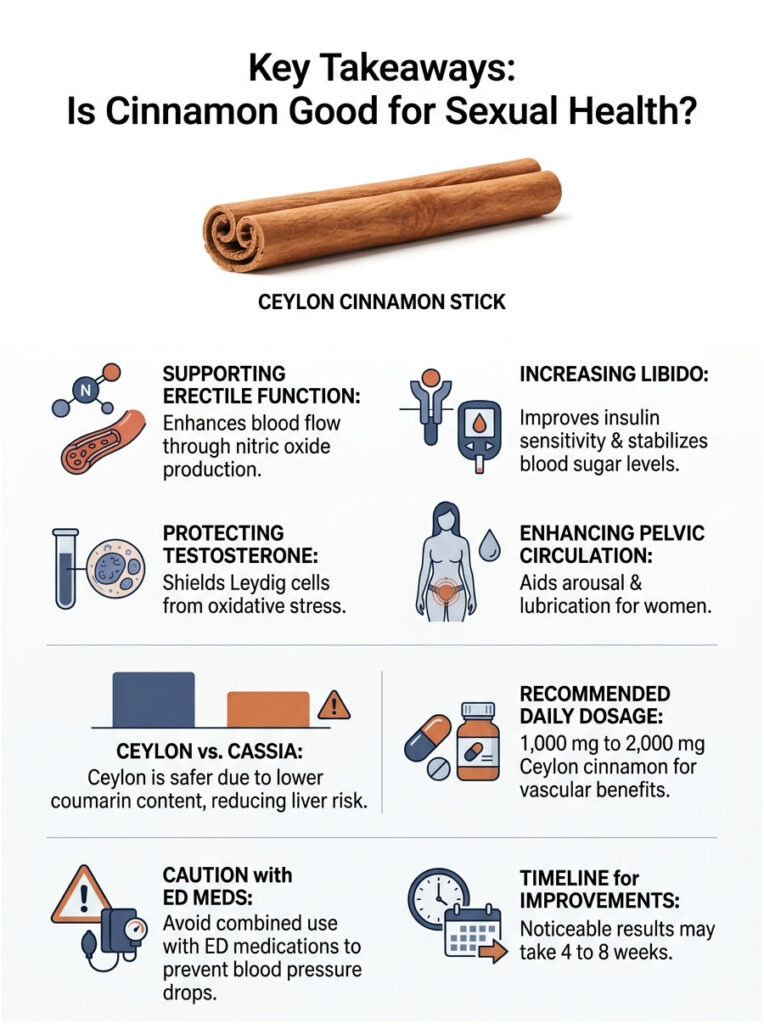
- It promotes vascular relaxation through the eNOS pathway, boosting natural nitric oxide production for better pelvic blood flow.
- It provides long-term metabolic protection by improving insulin sensitivity and preventing AGE formation that damages blood vessels.
- It protects Leydig cells in men, supporting natural testosterone production and sperm health.
- It helps balance female hormones by stabilizing blood sugar, which is especially beneficial for women with PCOS.
- You must always choose true Ceylon (Cinnamomum verum) over common Cassia to avoid liver toxicity from coumarin.
- Therapeutic doses range from 1,000 to 2,000 mg daily of Ceylon powder, or 500 mg twice daily of standardized extract.
- Always consult your doctor before combining cinnamon with diabetes medications, blood pressure drugs, or PDE5 inhibitors.
Fix your metabolism, protect your blood vessels, and your natural vitality will follow. Nature has provided an incredible healing tool. You just need to use it wisely.
Frequently Asked Questions
How does cinnamon specifically improve erectile function in men?
As an integrative urologist, I look at cinnamon as a vascular rehabilitator. Its primary bioactive compound, cinnamaldehyde, activates the endothelial nitric oxide synthase (eNOS) pathway. This triggers the production of nitric oxide, a gas that relaxes the smooth muscles in the pelvic blood vessels, allowing for the increased blood flow necessary for firm and sustained erections.
Why is Ceylon cinnamon preferred over Cassia for sexual health protocols?
The distinction is critical for patient safety. Common Cassia cinnamon contains high levels of coumarin (up to 8%), which is a known hepatotoxin that can cause liver damage with daily medicinal use. Ceylon cinnamon (Cinnamomum verum) contains negligible coumarin (0.004%), making it the only safe choice for the long-term, high-dose protocols required to improve vascular and metabolic health.
Can cinnamon help with low libido caused by insulin resistance?
Absolutely. Chronic high blood sugar creates advanced glycation end-products (AGEs) that stiffen blood vessels and dampen desire. Cinnamon acts as a metabolic modifier by mimicking insulin and improving cellular glucose uptake. By stabilizing blood sugar and reducing AGEs, it protects the vascular infrastructure and helps restore the hormonal balance necessary for a healthy libido.
Does cinnamon have a direct impact on testosterone levels?
Cinnamon doesn’t pump the body with synthetic hormones; instead, it protects the ‘factory.’ Its potent antioxidants shield the Leydig cells in the testes from oxidative stress and systemic inflammation. By maintaining a healthy environment for these cells, cinnamon allows for optimal, natural testosterone production, which is vital for both sexual drive and physical vitality.
How does cinnamon benefit female sexual arousal and sensitivity?
For women, sexual health is also a vascular process. Cinnamon enhances pelvic microcirculation, which supports clitoral engorgement and natural vaginal lubrication. Furthermore, for women with PCOS, cinnamon’s ability to improve insulin sensitivity can help regulate androgen levels, leading to more predictable hormonal cycles and increased sexual desire.
Is it safe to take cinnamon supplements while using ED medications like Sildenafil?
Caution is required. Both cinnamon and PDE5 inhibitors (like Sildenafil or Tadalafil) promote vasodilation. While many patients use them together to enhance the ‘blue pill’s’ efficacy, the combination can occasionally cause an additive effect, leading to a drop in blood pressure. You must consult your physician before layering these treatments to ensure your cardiovascular system can handle the dual vasodilation.
What is the recommended daily dosage of cinnamon for vascular benefits?
In a clinical setting, we typically recommend 1,000 mg to 2,000 mg of high-quality ground Ceylon cinnamon daily. If you prefer a standardized extract, a dose of 500 mg twice daily is usually sufficient. I recommend splitting the dose—once in the morning and once in the evening—to maintain consistent levels of active metabolites in your bloodstream.
How long does it take to see results from a cinnamon protocol for sexual health?
Unlike pharmaceutical interventions that work in 60 minutes, botanical medicine focus on structural repair. Because we are remodeling the endothelium and improving insulin sensitivity, most patients report measurable improvements in arousal and energy after 4 to 8 weeks of consistent, daily use.
Can cinnamon improve male fertility and sperm quality?
Yes, clinical data suggests that the antioxidant properties of cinnamon protect sperm DNA from oxidative damage. Studies have shown improvements in sperm count and motility (forward progression) because the active compounds protect the lipid membranes of the sperm cells, creating a more favorable environment for reproductive success.
Are there any risks of combining cinnamon with diabetes medications?
There is a significant risk of hypoglycemia. Because cinnamon is so effective at lowering blood glucose, taking it alongside medications like Metformin or insulin can cause blood sugar to drop too low. Symptoms include dizziness and confusion. If you are diabetic, you must monitor your glucose closely and work with your doctor to adjust your medication as your natural sensitivity improves.
What is the best way to take cinnamon to ensure maximum absorption?
Cinnamon’s active polyphenols are largely fat-soluble. To maximize bioavailability, I advise patients to take their supplement with a meal containing healthy fats, such as avocado, nuts, or omega-3 fish oil. Adding a small amount of black pepper (piperine) can also help slow the liver’s excretion of the beneficial compounds, keeping them in your system longer.
Can cinnamon help with the vascular causes of ‘performance anxiety’?
While performance anxiety is often psychological, it is exacerbated by poor vascular response. When the body fails to respond physically due to endothelial dysfunction, the anxiety worsens. By improving the reliability of the vascular response through the nitric oxide pathway, cinnamon can provide the physical confidence needed to break the cycle of performance-related stress.
Disclaimer
This article is for informational and educational purposes only and does not constitute professional medical advice, diagnosis, or treatment. Always seek the advice of your urologist, primary care physician, or other qualified health provider with any questions you may have regarding a medical condition or the introduction of new botanical supplements into your diet, especially if you are taking medications for blood pressure or diabetes.
References
- American Urological Association (AUA) – auanet.org – Clinical guidelines on the vascular origins of erectile dysfunction and metabolic health.
- National Center for Biotechnology Information (NCBI) – “Cinnamomum zeylanicum extracts on human sperm quality” – Research regarding antioxidant protection of Leydig cells and sperm motility.
- National Institutes of Health (NIH) – “The Role of Nitric Oxide in Sexual Function” – Detailed biological analysis of the eNOS pathway and vasodilation.
- Endocrine Society – endocrine.org – Clinical data regarding insulin resistance, AGEs, and their impact on reproductive hormones and PCOS.
- European Food Safety Authority (EFSA) – “Scientific Opinion on Coumarin in Cinnamon” – Authoritative data on the liver toxicity risks associated with Cassia cinnamon.
- Journal of Clinical Nutrition – “Glycemic Control and Endothelial Function” – Statistical links between fasting glucose levels and vascular responsiveness.