
The MyChart notification lands at 9:14 on a Tuesday night. One line on the complete blood count is flagged in red, the follow-up appointment is eight days out, and the search that follows is rarely a calm one.
Table of Contents
That red flag next to your white blood cell count is among the most common abnormal lab results in American primary care. It is also one of the most misread, because the number by itself answers almost nothing.
Quick Answer: A high WBC count, called leukocytosis, means your white blood cell count sits above the normal adult range of 4,500 to 11,000 cells per microliter. Infection and inflammation cause most cases. Stress, smoking, pregnancy, and medications like steroids also raise it. Counts above 100,000 cells/µL are called hyperleukocytosis and need urgent evaluation. Most elevations are temporary and resolve once the trigger clears.
At a Glance
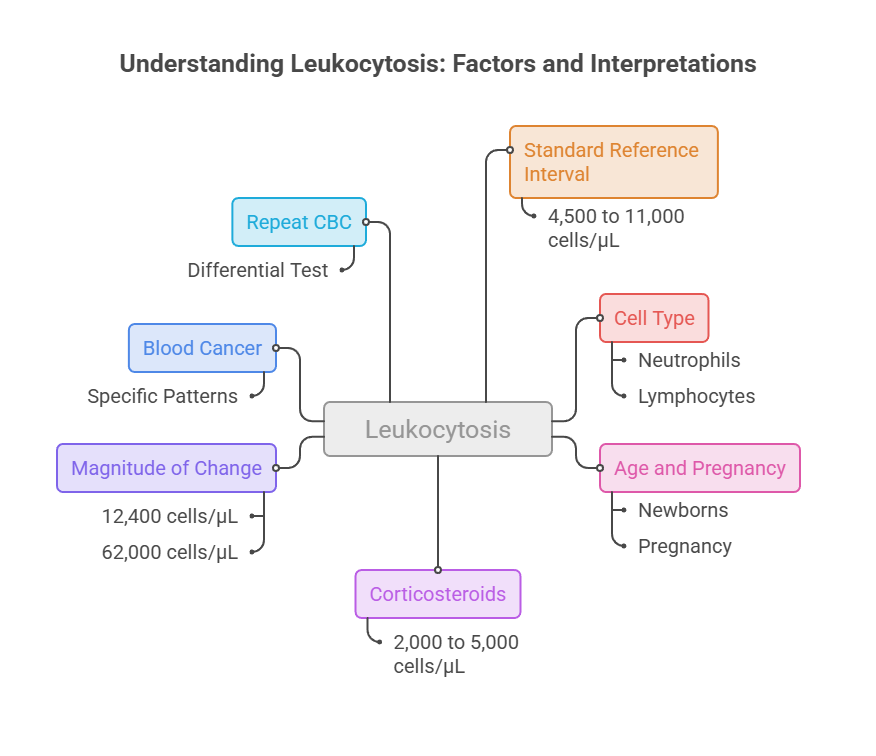
• The standard adult reference interval is 4,500 to 11,000 cells/µL, and anything above that upper bound is technically leukocytosis.
• Which cell type is elevated matters more than the total. A high neutrophil count and a high lymphocyte count point in different directions.
• Normal ranges shift with age and pregnancy. A newborn can sit near 30,000 cells/µL and be perfectly healthy.
• Corticosteroids can push your count up by 2,000 to 5,000 cells/µL within hours, with no infection involved.
• Magnitude changes the meaning. A result of 12,400 and a result of 62,000 sit in different diagnostic worlds.
• Blood cancer accounts for a small fraction of high counts, but specific patterns raise concern and deserve prompt review.
• A single elevated reading is rarely the end of the story. The repeat CBC with differential is the test that decides what happens next.
What a High WBC Count Actually Means
White blood cells, also called leukocytes, are your immune system’s field crew. Your bone marrow produces them continuously and releases them into circulation, where they hunt bacteria, clear damaged tissue, and respond to allergens.
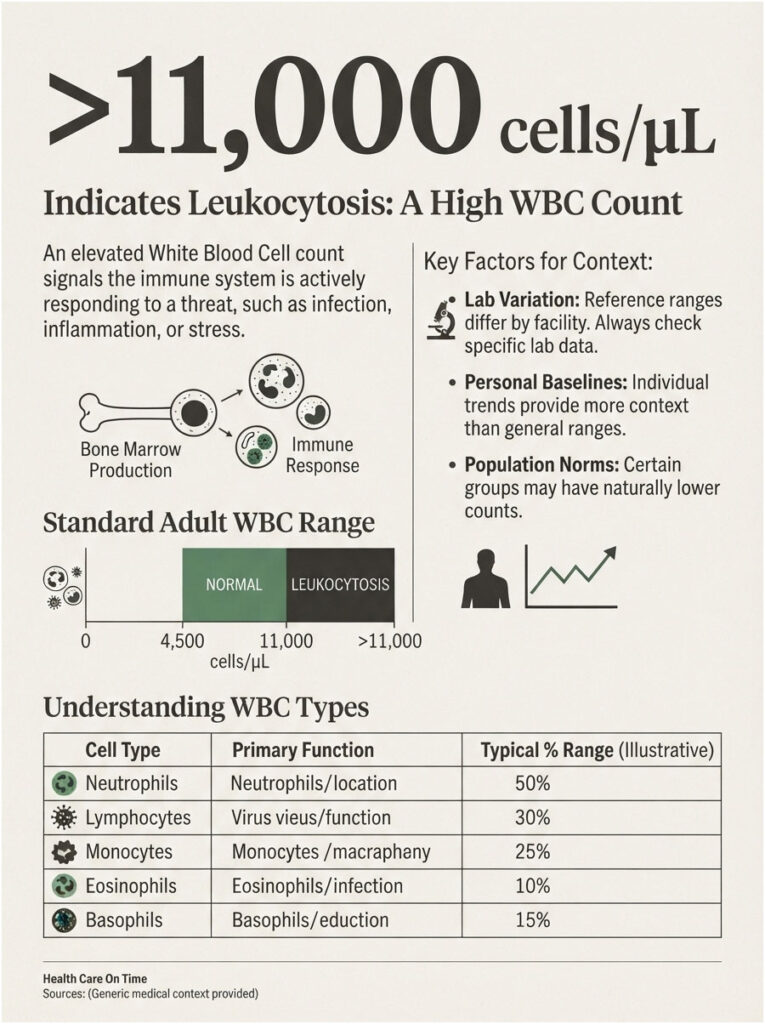
When your marrow senses a threat, it ramps up production and empties its storage reserves at the same time. The result shows up on your lab report as an elevated white blood cell count.
The Number on Your Lab Report, Explained
Your CBC reports WBC as cells per microliter of blood, written as cells/µL, or in the international format as ×10⁹/L. A count of 12,500 cells/µL is the same value as 12.5 ×10⁹/L, so do not read the two as different results.
According to StatPearls, hosted by the National Center for Biotechnology Information, the usual adult reference interval runs 4,500 to 11,000 cells/µL. Values above that upper limit are classified as leukocytosis.
Patients booking a CBC through HealthCareOnTime regularly ask whether 11,300 means something different from 10,900. Clinically, it usually does not. The threshold is a statistical boundary drawn around a healthy population, not a cliff edge with disease on one side.
The Five White Blood Cell Types and What Each One Does
Your total WBC is the sum of five distinct cell populations, and each tells a different story:
- Neutrophils attack bacteria and clear dead tissue. They are the most abundant type, typically 40 to 60 percent of your total.
- Lymphocytes handle viral defense and long-term immune memory, usually 20 to 40 percent.
- Monocytes mature into macrophages that clean up debris and manage chronic inflammation.
- Eosinophils respond to parasites and allergic reactions.
- Basophils are the rarest, involved in allergic responses and inflammation signaling.
A total of 14,000 driven by neutrophils suggests something quite different from a total of 14,000 driven by lymphocytes. Our medical reviewers consistently flag this as the most useful distinction on the report, and the one patients most often skip past.
Why “High” Is a Moving Target
Two people can carry identical WBC counts, and only one of them has anything to address.
Lab-to-Lab Reference Range Variation
Laboratories calibrate analyzers differently and validate reference intervals against their own local populations. One lab prints 4,500 to 11,000. Another prints 4,000 to 10,500, or 4,000 to 11,500.
Read your result against the range printed on your own report, not a number pulled from a search result. Across the panels our lab partners process, that mismatch is a frequent source of avoidable alarm.
Why Your Personal Baseline Beats the Printed Range
If your WBC has hovered near 5,200 for a decade and now reads 10,800, you sit inside the normal range while having nearly doubled your own baseline. That trend carries more information than the flag status.
Some healthy people also run naturally lower counts. Individuals of African, Middle Eastern, and West Indian descent may have lower baseline neutrophil counts with no underlying illness, a pattern documented in the StatPearls leukocytosis review. For those readers, a result inside the printed range can still represent a genuine rise worth investigating.
Normal WBC Ranges by Age, Sex, and Life Stage
The adult interval gets quoted everywhere. The age-specific ranges almost never do, which is why parents of newborns and pregnant readers so often panic over results that were expected all along.
Newborns Through Teenagers
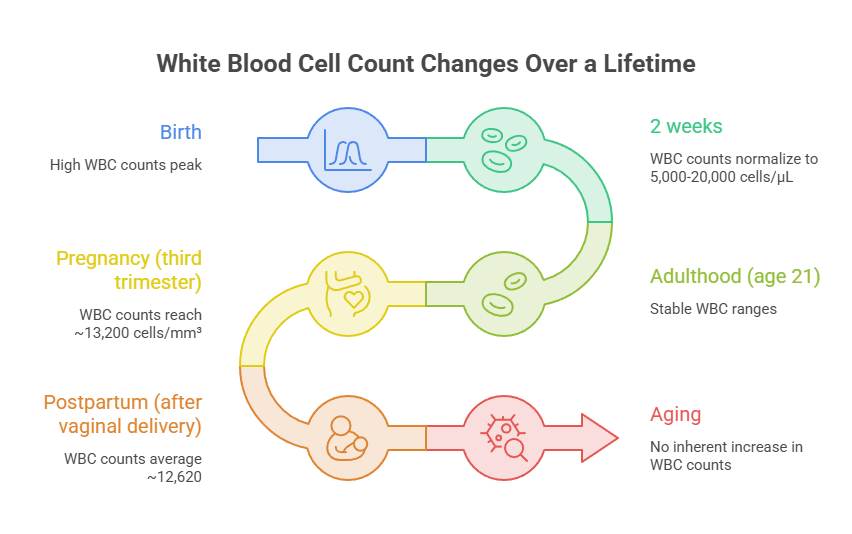
Newborns carry the highest counts of anyone. Levels peak in the first days of life, then decline steadily as the immune system matures.
Per the American Academy of Family Physicians, counts settle to roughly 5,000 to 20,000 cells/µL by two weeks of age, then drift downward through childhood, reaching adult levels by about age 21. Children also shift from lymphocyte predominance in early years toward neutrophil predominance by the teenage years.
That shift matters when reading a pediatric differential. A lymphocyte-heavy result in a four-year-old is developmentally normal and would look unusual in a forty-year-old.
Adults
Adult ranges hold steady across most of life. Sex differences are minimal, though smoking status shifts the whole distribution enough to matter.
Aging by itself does not raise WBC. When counts climb in older adults, the driver is usually accumulated chronic inflammation, medication burden, or untreated dental disease rather than the calendar.
Pregnancy and the Postpartum Window
Pregnancy raises WBC counts as ordinary physiology, not as a warning. The AAFP reports a third-trimester 95 percent upper limit near 13,200 per mm³ and a 99 percent upper limit near 15,900 per mm³.
Immediately after delivery the numbers climb further. Mean counts in afebrile postpartum patients ran about 12,620 after vaginal delivery and 12,710 after cesarean delivery. Medscape’s leukocyte reference data places the normal pregnancy upper limit for total leukocytes at 14.5 ×10⁹/L, with neutrophils allowed up to 11 ×10⁹/L.
Table 1: WBC Reference Ranges Across Life Stages
| Life Stage | Typical WBC Range (cells/µL) | Considered High Above | Common Normal Drivers | What It Usually Is Not |
| Newborn, days 0 to 3 | 9,000 to 30,000 | 30,000 | Birth stress, transient marrow surge | Sepsis, absent fever or feeding problems |
| 2 weeks to 12 months | 5,000 to 20,000 | 20,000 | Frequent viral exposure, immune maturation | Blood cancer |
| Child, 2 to 10 years | 5,000 to 15,000 | 15,000 | Colds, ear infections, physical stress | A marrow disorder, if the differential is normal |
| Adolescent to adult | 4,500 to 11,000 | 11,000 | Infection, exercise, smoking, stress | Leukemia, at mild elevations |
| Pregnancy, 3rd trimester | 6,000 to 13,200 | 15,900 (99th percentile) | Physiologic neutrophil rise | Infection, without fever or symptoms |
| Immediate postpartum | 9,000 to 15,000 | 15,000 | Labor stress, tissue healing | Endometritis, if afebrile and well |
| Older adult, 65+ | 4,500 to 11,000 | 11,000 | Chronic inflammation, medications, dental disease | Aging itself; age does not raise WBC |
Why Some Healthy People Run Naturally Lower
Baseline variation runs both directions, and not all of it is genetic. Regular endurance athletes often carry lower resting counts. People on the low end can develop a real, meaningful rise that never crosses the printed threshold.
In cases reviewed by our medical team, comparing a new result against prior CBCs resolves more questions in the first week than any additional test ordered.
What Causes a High WBC Count
The list of possible causes runs long, but the distribution is heavily lopsided. Most high counts trace back to a small handful of everyday triggers.
Infection, the Most Common Answer by Far
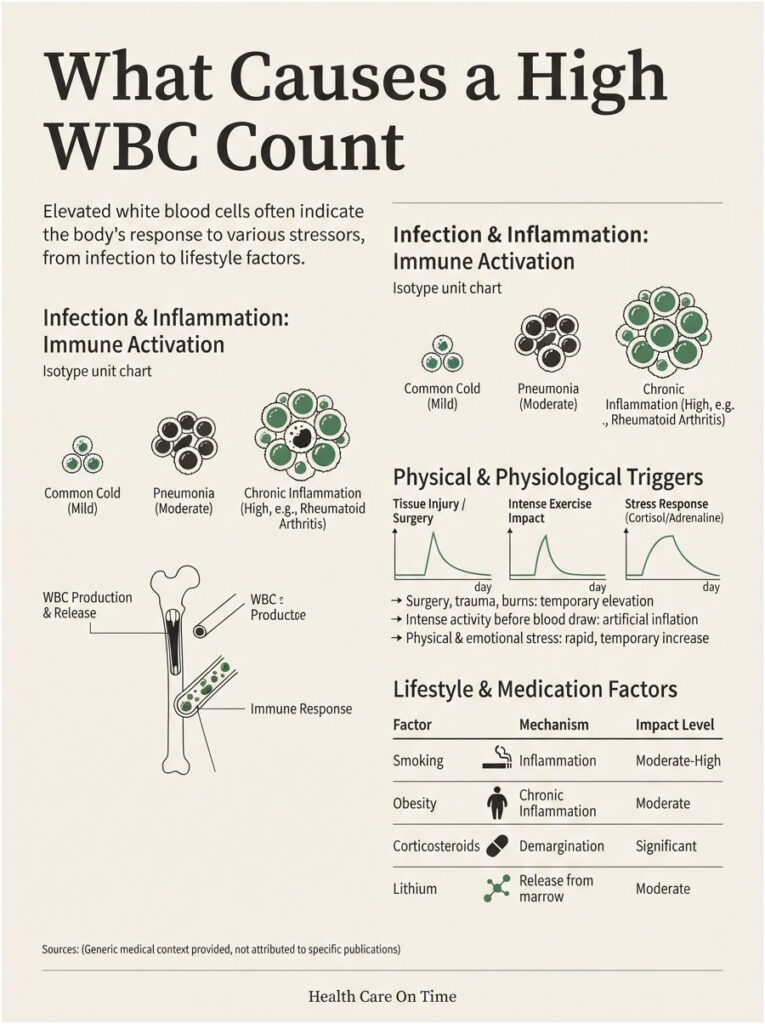
Bacterial infections drive the classic pattern: elevated total WBC with neutrophil predominance. Pneumonia, urinary tract infections, strep throat, cellulitis, and dental abscesses head the list.
Appendicitis shows how predictable this can be. Leukocytosis appears in 70 to 90 percent of cases, usually landing between 10,000 and 18,000, with counts above 18,000 to 20,000 raising suspicion for rupture or abscess.
Viral infections behave differently. They more often raise lymphocytes, and in some viral illnesses the total WBC stays flat or even falls.
Inflammation and Autoimmune Conditions
Chronic inflammatory conditions keep the immune system switched on for months or years. Rheumatoid arthritis, lupus, inflammatory bowel disease, and vasculitis all sustain modest elevations.
Chronic dental disease is an underrated contributor. So is untreated obstructive sleep apnea, working through the same inflammatory pathway.
Physical and Emotional Stress
Stress leukocytosis is real, fast, and frequently misinterpreted. Cortisol and adrenaline release white cells that were sitting along blood vessel walls back into free circulation, raising the measured count within minutes.
Surgery, Trauma, Burns, and Seizures
Any significant tissue injury raises WBC. Surgery, fractures, burns, heart attacks, and even a single seizure can produce elevations lasting several days.
A count drawn 48 hours after a knee replacement is measuring the surgery. Waiting several weeks gives a reading that reflects you rather than the operating room.
Exercise and the Pre-Draw Problem
A hard workout before your blood draw can raise the count measurably. So can sprinting into the lab because you are late for a fasting appointment.
Our phlebotomy teams routinely ask patients to sit quietly for ten minutes before the draw. It is a small step that strips real noise out of the result.
Medications That Raise Your Count
Medication history explains a large share of otherwise puzzling results, and it is the cheapest thing to check first.
Corticosteroids and Demargination
Prednisone, dexamethasone, and related steroids raise WBC through demargination, pulling neutrophils that were lining vessel walls back into the bloodstream. The rise can reach 2,000 to 5,000 cells/µL within hours of a dose.
This is redistribution, not new production, and not infection. A patient partway through a steroid taper showing 13,500 usually needs nothing beyond a note in the chart.
Lithium, Beta-Agonists, Epinephrine, and Growth Factors
Lithium raises neutrophil counts reliably and predictably. Albuterol and other beta-agonists produce short-term rises. Epinephrine causes an immediate spike.
Colony-stimulating factors such as filgrastim are prescribed specifically to raise counts, sometimes dramatically, in patients recovering from chemotherapy.
Smoking, Vaping, and Obesity
Smoking ranks among the strongest non-disease drivers of a chronically elevated count. Analysis of NHANES 2011 to 2018 data found smokers averaged 1.10 ×10⁹/L higher leukocyte counts than nonsmokers, with neutrophils contributing most of that gap.
That difference alone can carry someone from 9,800 to above 11,000 with no illness present. Recent NHANES work on adults aged 18 to 30 found exclusive combustible tobacco use associated with significantly elevated WBC, while exclusive e-cigarette use showed fewer deviations across the same biomarker panel.
Obesity produces a similar low-grade elevation through adipose-driven inflammation. Neither cause is harmless over a lifetime, but neither points toward blood cancer.
Spleen Removal and Other Structural Causes
The spleen filters and removes aging white cells. After a splenectomy, many patients carry a persistent mild leukocytosis for life, which is expected rather than concerning.
Asplenia from sickle cell disease produces the same picture. Knowing this history prevents years of repeated workups chasing a number that will never come down.
Blood and Bone Marrow Disorders
The smallest category by volume, and the one carrying the most weight. Leukemias, lymphomas, and myeloproliferative disorders such as polycythemia vera and myelofibrosis all raise WBC.
These conditions rarely present as an isolated mild elevation in an otherwise well person. They usually bring company: abnormal cells on the smear, shifts in red cells or platelets, or symptoms the patient has already noticed.
Reading Your Differential: Which Cell Type Is High
The differential is where interpretation actually happens. If your report shows only a total, request the differential before drawing any conclusion.
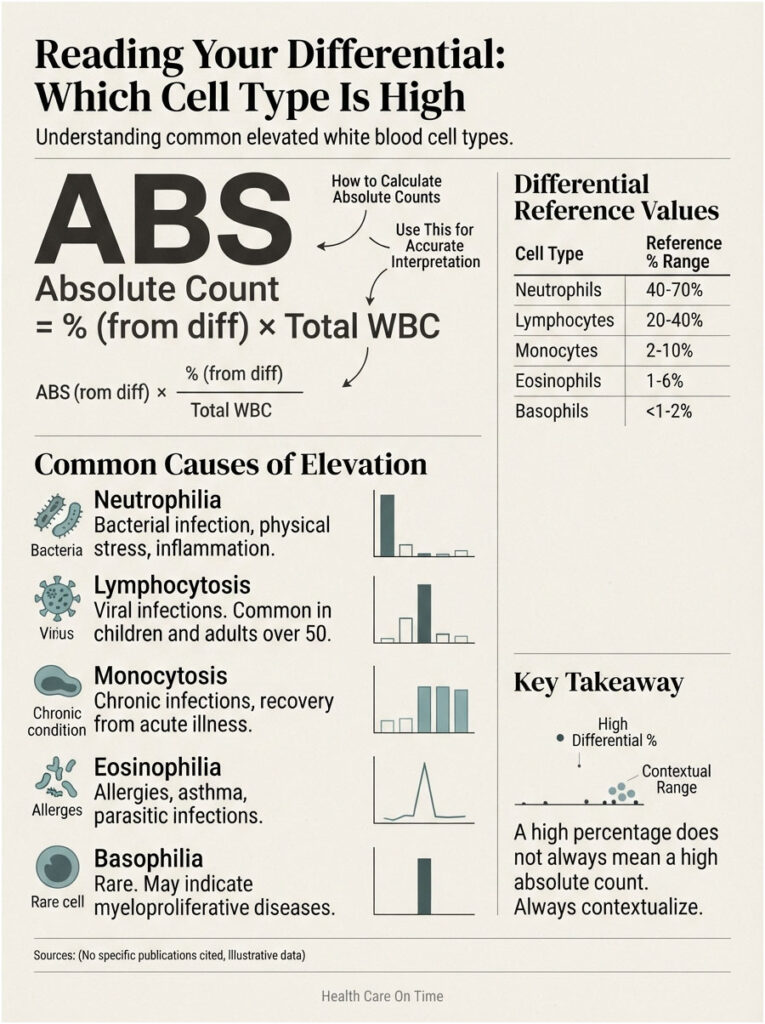
Neutrophilia
Elevated neutrophils, the most common pattern by a wide margin. Bacterial infection, tissue damage, physical stress, smoking, steroids, chronic inflammatory disease, pregnancy, and obesity all produce it.
A “left shift” on your report means immature neutrophils, called bands, have appeared in circulation. That signals a marrow working hard, most often against bacterial infection.
Lymphocytosis
Elevated lymphocytes point toward viral infection in most cases, particularly in children. Mononucleosis, pertussis, and viral hepatitis are classic triggers.
In adults over 50, a persistent isolated lymphocytosis carries more weight and warrants a smear plus flow cytometry, since chronic lymphocytic leukemia commonly presents in exactly this quiet way.
Monocytosis
Elevated monocytes suggest chronic infection, recovery from an acute infection, autoimmune disease, or certain marrow disorders. Tuberculosis and infective endocarditis belong on the list.
Eosinophilia
Elevated eosinophils point to allergy, asthma, drug reactions, or parasitic infection. Persistent unexplained eosinophilia deserves evaluation, since sustained elevation can damage heart and lung tissue over time.
Basophilia
The rarest pattern of the five. Isolated basophilia is uncommon enough that it prompts a specific look for myeloproliferative disease, including chronic myeloid leukemia.
How to Calculate an Absolute Count From a Percentage
Percentages mislead constantly. A “high” neutrophil percentage sitting on a low total WBC may represent a perfectly normal absolute number.
Multiply your total WBC by the percentage. Using the AAFP’s worked example, a WBC of 10,000 with monocytes at 12 percent gives an absolute monocyte count of 1,200 cells/µL, which is elevated even though the total sits comfortably in range.
Table 2: WBC Differential Reference Values and Common USA Causes
| Cell Type | Normal Absolute Range (cells/µL) | Elevated Above | Most Common USA Causes | Source |
| Neutrophils | 1,500 to 8,000 | 7,500 | Bacterial infection, steroids, smoking, trauma, stress | StatPearls NBK604207 |
| Lymphocytes | 1,000 to 4,000 | 4,000 | Viral illness, pertussis, CLL in adults over 50 | StatPearls NBK604207 |
| Monocytes | 200 to 950 | 1,000 | Chronic infection, autoimmune disease, TB, endocarditis | AAFP, Riley and Rupert |
| Eosinophils | 15 to 500 | 400 | Allergy, asthma, drug reaction, parasites | Medscape reference range |
| Basophils | 0 to 200 | 200 | Allergic reaction, myeloproliferative disease, CML | Cleveland Clinic Health Library |
| Total WBC, adult | 4,500 to 11,000 | 11,000 | Infection, inflammation, stress, medications | StatPearls NBK560882 |
| Total WBC, pregnancy | 6,000 to 14,500 | 14,500 | Physiologic neutrophil rise | Medscape reference range |
How High Is Too High: Your Number, Interpreted
This is where most articles stop short. Readers are not searching for the definition of leukocytosis. They are searching for what their specific number means, and magnitude genuinely changes the answer.
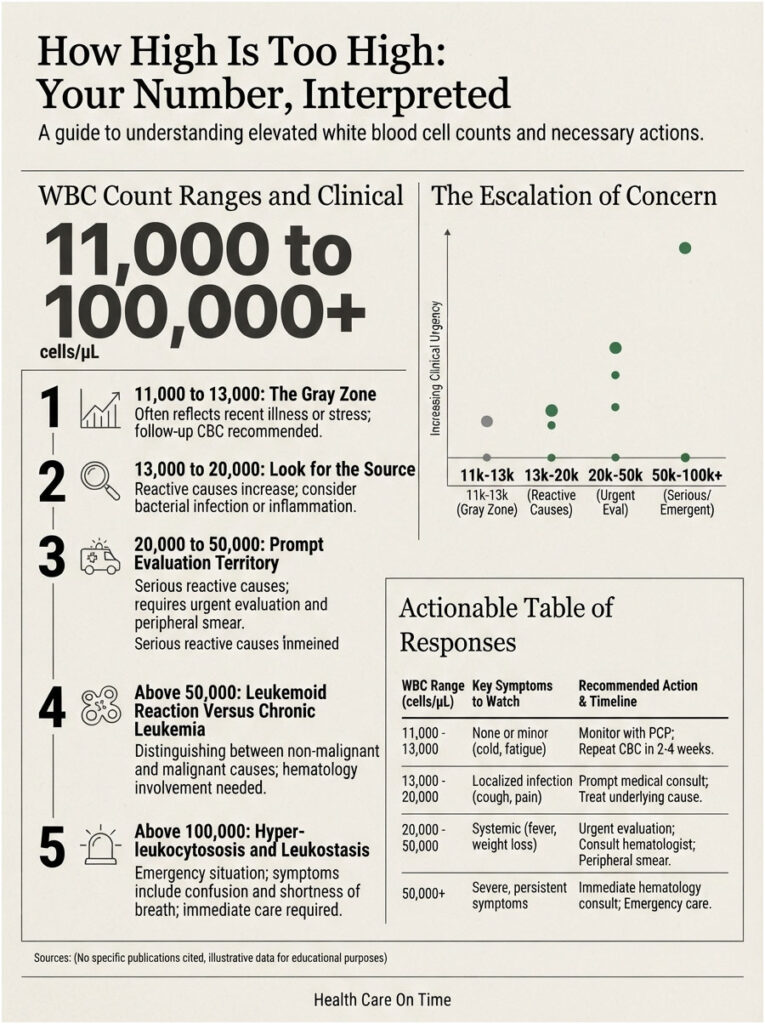
11,000 to 13,000: The Gray Zone
The most common band, and the least alarming. A result here often reflects nothing more than a cold two weeks ago, a stressful morning, a cigarette habit, or a lab that runs slightly tight reference intervals.
Providers typically look for an obvious trigger, note it, and repeat the CBC in one to two weeks. If the repeat lands in range, the file closes there.
Patients commonly ask us whether a result of 12,400 warrants an urgent call. If you feel well and have no red flag symptoms, the scheduled follow-up is generally the right venue.
13,000 to 20,000: Look for the Source
Still overwhelmingly reactive, but the odds of an identifiable cause rise sharply. Active bacterial infection sits at the top of the list, followed by significant inflammation, recent surgery, or steroid use.
The practical difference at this level is urgency of the search rather than urgency of the diagnosis. A provider will want a symptom review, a physical exam, and often a peripheral smear.
If you have fever, a productive cough, burning with urination, or a red and warm area of skin, the number and the symptom together point to a treatable infection. Contact your provider the same week.
20,000 to 50,000: Prompt Evaluation Territory
Reactive causes still dominate, but the reactive causes at this level tend to be serious ones. Severe pneumonia, abscess, extensive cellulitis, and major tissue injury all live here.
A peripheral smear becomes standard rather than optional. So does an organized hunt for the source, which may include cultures, imaging, and inflammatory markers.
Across the CBC panels processed through our diagnostic network, counts in this range almost always arrive attached to a symptomatic patient rather than a routine screening.
Above 50,000: Leukemoid Reaction Versus Chronic Leukemia
A leukemoid reaction is an extreme but non-malignant response, most often to severe infection such as Clostridioides difficile colitis. Counts can exceed 50,000 with no cancer present at all.
Separating a leukemoid reaction from chronic myeloid leukemia is the central question at this level. CML typically disturbs other cell lines as well, bringing basophilia, eosinophilia, anemia, or elevated platelets, while a leukemoid reaction generally leaves them alone.
Hematology involvement is standard at this point, and it is not a verdict. It is the fastest available route to a definitive answer.
Above 100,000: Hyperleukocytosis and Leukostasis
StatPearls defines hyperleukocytosis as a WBC above 100,000 cells/µL. At that concentration blood viscosity rises and cells can physically obstruct small vessels, a condition called leukostasis.
Symptoms include shortness of breath, confusion, visual changes, and chest pain. This is an emergency requiring same-day hospital evaluation, sometimes including leukapheresis to remove white cells from circulation directly.
Table 3: What to Do Based on Your WBC Result
| Your Result (cells/µL) | Likely Scenario | Recommended Action | Typical Timeline |
| 11,000 to 15,000, feeling well, no symptoms | Reactive: recent illness, stress, smoking, medication | Review medications and recent illness with your provider; repeat CBC with differential | Repeat in 1 to 2 weeks |
| 11,000 to 20,000 with fever, cough, urinary burning, or wound redness | Active bacterial infection | Contact your provider for evaluation and possible treatment | Same week, sooner with high fever |
| 11,000 to 20,000 persisting across three or more tests | Chronic driver: smoking, obesity, inflammatory disease | Provider visit plus peripheral smear; address the modifiable driver | Within 2 to 4 weeks |
| 20,000 to 50,000, any symptoms | Significant infection or inflammatory process | Prompt evaluation with smear and source workup | Within 24 to 72 hours |
| Above 50,000 | Leukemoid reaction or possible chronic leukemia | Urgent evaluation; hematology referral expected | Same day or next day |
| Above 100,000, or any count with confusion, breathlessness, or vision change | Hyperleukocytosis with possible leukostasis | Emergency room; call 911 if severe | Immediately |
| Any count with unexplained bruising, bleeding, night sweats, or weight loss | Pattern warranting marrow evaluation | Contact your provider the same day regardless of the number | Within 24 hours |
Does a High WBC Count Mean Leukemia
This is the question sitting underneath almost every search on this topic, so it deserves a direct answer rather than a vague reassurance that something is “rarely serious.”
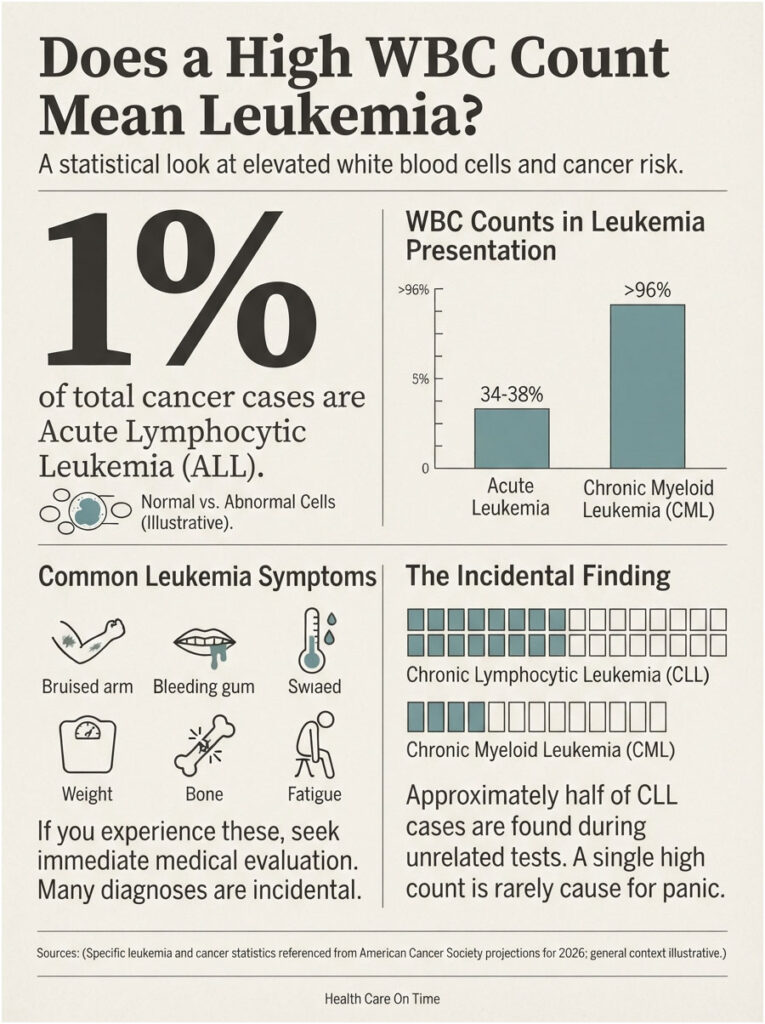
The Honest Numbers
The American Cancer Society projects approximately 2,114,850 new cancer cases in the United States in 2026. Of those, SEER estimates 22,720 new cases of acute myeloid leukemia, with a lifetime risk of roughly 0.5 percent.
Acute lymphocytic leukemia is rarer still. The ACS estimates about 6,250 new ALL cases in 2026, representing under half of one percent of all US cancers.
Set that against how routinely elevated counts appear. Millions of Americans have a CBC each year, and a large share show some elevation at some point. The arithmetic favors a reactive cause by an enormous margin.
What Patterns Actually Point Toward Blood Cancer
Pattern carries the signal, not the flag. AAFP data on leukemia in primary care shows more than 96 percent of CML patients present with counts above 20,000, compared with only 34 to 38 percent of patients with acute leukemias.
Roughly 50 percent of CLL diagnoses and 20 percent of CML diagnoses are made incidentally on a CBC ordered for an unrelated reason. Chronic leukemias genuinely do surface this way, which is why a persistent unexplained elevation should never simply be filed and forgotten.
Features that shift concern upward:
- Blast cells appearing on the peripheral smear
- Abnormal red cells or platelets alongside the high WBC
- Persistent elevation across months with no identifiable trigger
- Enlarged lymph nodes or spleen on physical exam
- Isolated lymphocytosis in an adult over 50
- Basophilia paired with high neutrophils
Why an Isolated High WBC With a Normal Smear Is Reassuring
If the smear shows mature, normal-looking cells with no blasts, and hemoglobin and platelets sit in range, the odds of acute leukemia drop sharply.
Acute leukemia usually disrupts more than one cell line. It frequently presents with anemia or low platelets, and it can present with a low WBC rather than a high one. A single isolated elevation in a well person is not the shape acute leukemia typically takes.
Our medical reviewers make this point often, because the reassurance is specific and evidence-based rather than generic.
Red Flag Symptoms That Change the Calculation
Unexplained bruising, bleeding gums, drenching night sweats, unintentional weight loss, persistent bone pain, and profound fatigue all warrant same-day contact with your provider, whatever the number reads.
Patients sometimes ask whether to wait for a scheduled follow-up when symptoms like these are present. The answer is no.
What Happens Next: The Standard Workup
The pathway from abnormal result to answer is well established, and for most people it is short and inexpensive.
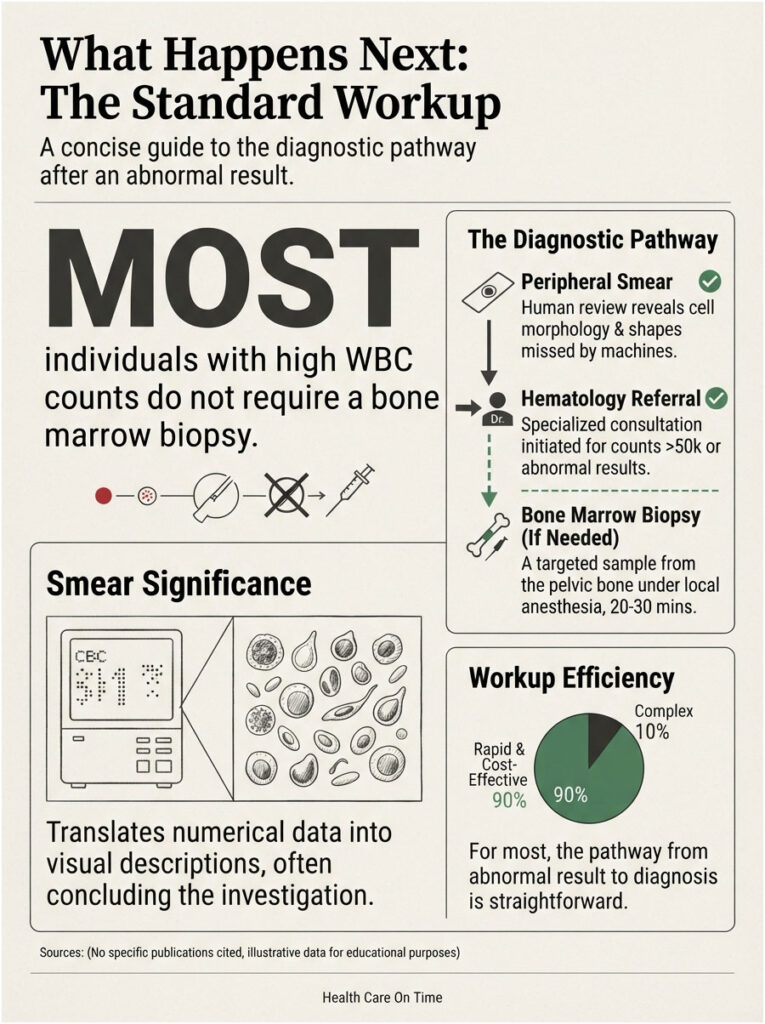
- Repeat the CBC with differential. Confirming the elevation is standard first practice, since transient causes are common and analyzer artifacts happen. Clumped platelets or nucleated red blood cells can produce a falsely high reading that disappears on retest.
- Review the peripheral blood smear. A technologist or pathologist examines the cells directly, assessing maturity, uniformity, toxic granulation, and the presence of any blasts. This one test resolves a large share of cases outright.
- Run targeted testing based on the pattern. Depending on findings, that may include CRP and ESR, urinalysis and cultures, chest imaging, autoimmune panels, viral serology, or thyroid testing.
- Refer to hematology when indicated. Standard triggers include persistent unexplained leukocytosis, counts above 30,000 without a reactive cause, concurrent low red cells or platelets, an abnormal smear, or clinical suspicion of malignancy.
- Consider bone marrow biopsy only where the smear and history point there. A marrow aspirate or core biopsy confirms diagnosis when blood testing suggests a primary marrow disorder.
What the Peripheral Smear Actually Adds
Automated analyzers count cells quickly but classify them imperfectly. A human reviewing the slide can see cell shape, nuclear detail, and immature forms that no automated count reports.
That is why a smear so often ends the investigation. It converts a bare number into a description of what those cells actually look like.
When Hematology Referral Makes Sense
A referral is not a diagnosis. It is often the shortest route to definitive reassurance, since a hematologist can order flow cytometry and molecular testing such as BCR-ABL1 without a second round of gatekeeping.
For counts above 50,000, or where the smear shows anything abnormal, referral is standard practice rather than escalation.
What a Bone Marrow Biopsy Involves
The procedure samples marrow from the back of the pelvic bone under local anesthetic and takes roughly 20 to 30 minutes. It is uncomfortable but brief, and most people go home the same day.
The overwhelming majority of people with a high WBC never need one.
Why Lab Results Sometimes Mislead
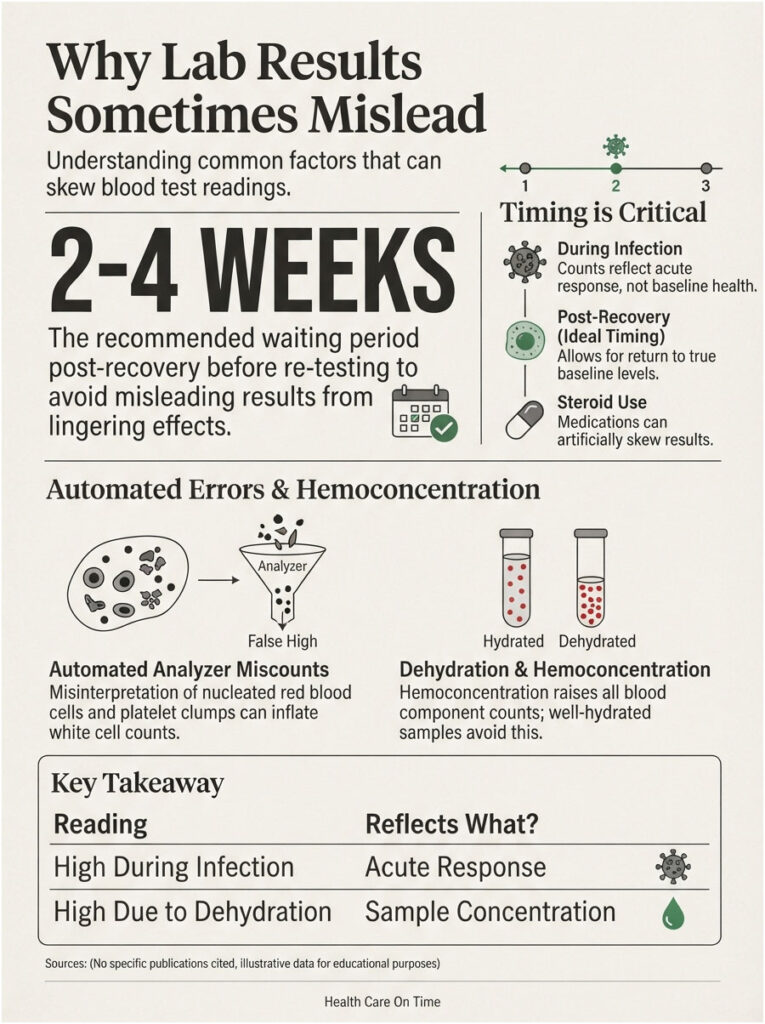
Not every high number reflects a high count. A handful of technical and physiological artifacts inflate results without any change in your immune system.
Falsely High Readings
Nucleated red blood cells can be miscounted as white cells by automated analyzers. So can clumped platelets. Both produce a spurious leukocytosis that resolves the moment a human reviews the slide.
Dehydration and Hemoconcentration
Dehydration concentrates every component of blood, nudging all counts upward. The effect is modest and rarely explains a large elevation on its own, but arriving well hydrated removes it as a variable.
Timing Relative to Illness and Medication
A count drawn during a chest infection measures the infection. A count drawn during a steroid course measures the steroid. Neither represents your baseline.
In samples our diagnostic network handles, timing accounts for more unnecessary repeat testing than any other single factor. Scheduling the draw two to four weeks after recovery, and noting the medication list on the requisition, prevents most of it.
Common Mistakes That Make a High WBC Look Worse Than It Is
Testing During or Right After an Illness
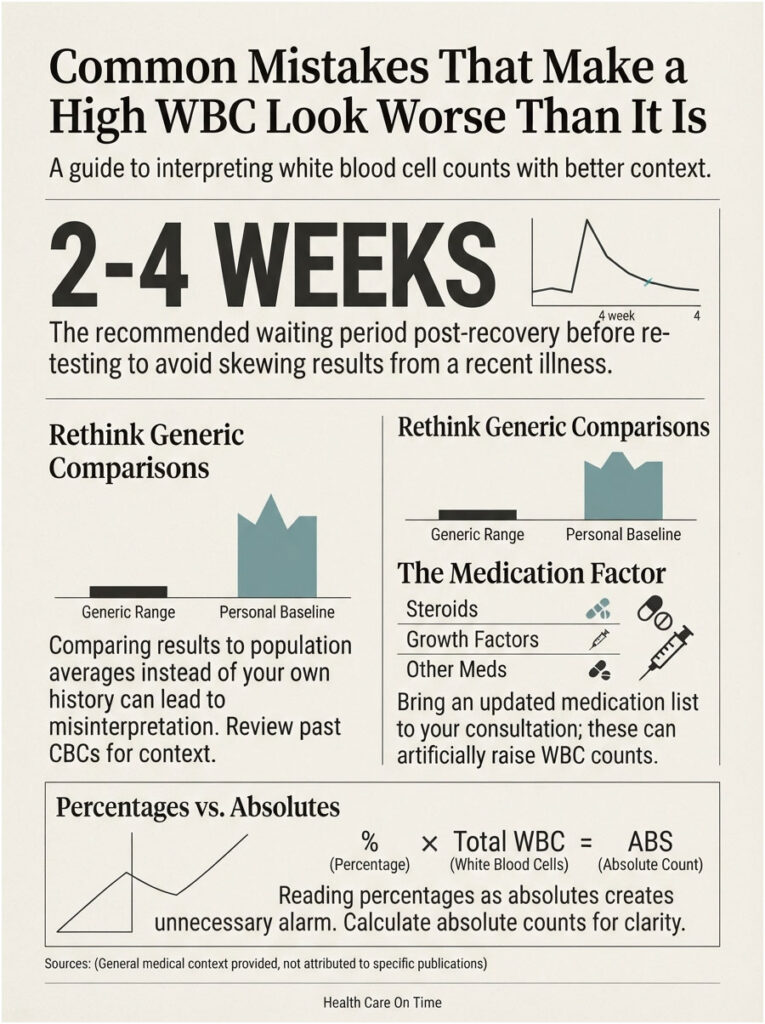
A CBC drawn three days into bronchitis is documenting bronchitis. Wait two to four weeks after recovery for a result that represents you.
Comparing to a Generic Range Instead of Your Own History
Pull your last two or three CBCs before drawing conclusions. Trend beats snapshot every single time, and most patient portals make the history easy to retrieve.
Ignoring the Medication List
Steroids, lithium, beta-agonists, and growth factors are all common, and any one of them can fully explain the result. Bring a current list, including anything started in the past month.
Reading Percentages as Absolute Numbers
A neutrophil percentage of 78 sounds alarming until the absolute count works out to 6,100, which is normal. Do the multiplication before you worry.
Skipping the Repeat Test
The repeat CBC is the highest-value next step available and one of the least expensive tests in medicine. Skipping it turns a two-week question into months of low-grade worry.
Practical Steps to Take This Week
- Locate your actual lab report and note both the total WBC and the full differential, alongside the lab’s own printed reference range.
- Pull your previous CBC results, if you have them, and lay the trend out in order.
- Write down every medication and supplement taken in the past 30 days, prescription and over the counter.
- Note any illness, injury, dental work, vaccination, or surgery in the past six weeks.
- Book a repeat CBC with differential for one to two weeks out, unless your provider advises a different interval.
- If you smoke, understand that counts typically fall over the months following a quit attempt.
- Flag any red flag symptom immediately rather than waiting for the scheduled visit.
What to Bring to Your Appointment
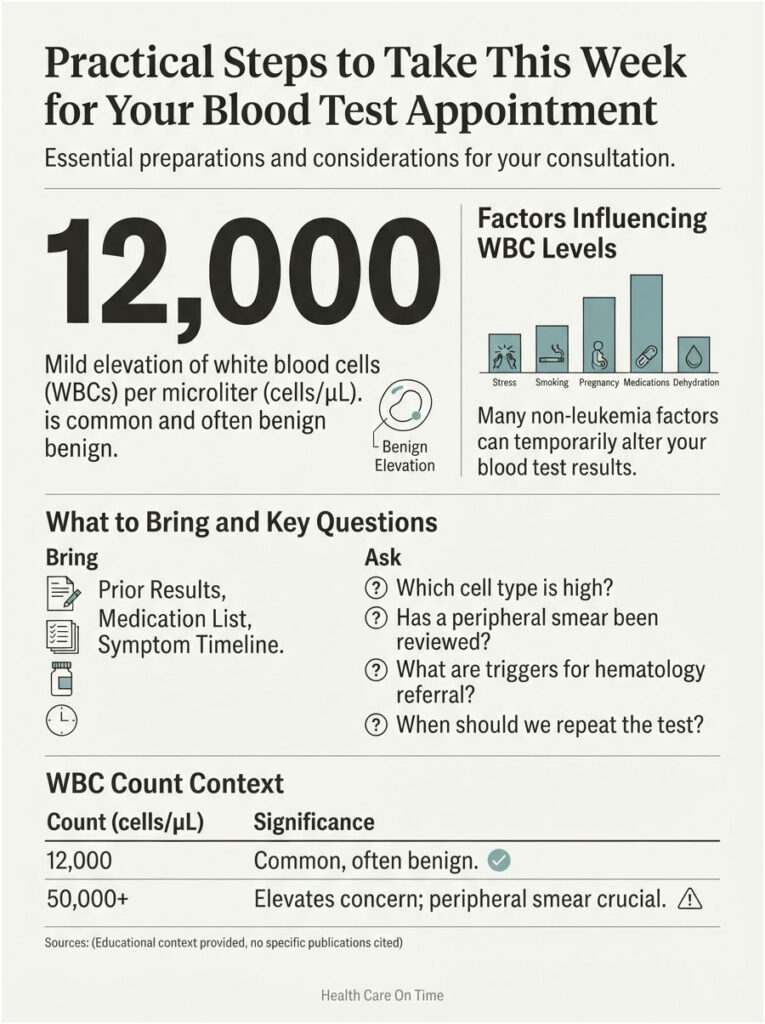
Bring the printed report, your prior results, the medication list, and a short symptom timeline. Providers move considerably faster with the trend already in front of them.
Questions Worth Asking Your Provider
Ask which cell type is driving the elevation, whether a peripheral smear has been reviewed, what finding would trigger a hematology referral, and when the repeat test should happen. Those four questions cover nearly everything that matters at this stage.
Frequently Asked Questions
Is a WBC count of 12,000 dangerous?
A count of 12,000 cells/µL is a mild elevation and rarely dangerous by itself. It commonly reflects a recent infection, physical stress, smoking, or a medication such as prednisone. Standard practice is to identify the likely trigger and repeat the CBC with differential in one to two weeks.
What WBC level indicates leukemia?
No single level confirms leukemia. Counts above 50,000 raise concern, and more than 96 percent of chronic myeloid leukemia patients present above 20,000. What matters most is the peripheral smear, whether blast cells are present, and whether red cells and platelets are also abnormal.
Can stress or anxiety raise your white blood cell count?
Yes. Cortisol and adrenaline release white cells lining blood vessel walls back into circulation, raising the measured count within minutes. Acute emotional stress, pain, and physical exertion all produce this effect. The elevation is temporary and usually resolves within hours to a day.
Why is my WBC high with no signs of infection?
Common explanations include smoking, obesity, corticosteroids, chronic inflammatory conditions, recent surgery or injury, spleen removal, and pregnancy. Chronic leukemias are also frequently discovered this way, which is why persistent unexplained elevation deserves a peripheral smear rather than dismissal.
Is a high WBC count normal during pregnancy?
Yes. WBC rises progressively through pregnancy as normal physiology. The third-trimester 95 percent upper limit sits near 13,200 per mm³, with a 99 percent upper limit near 15,900. Postpartum means run around 12,600 to 12,700. Counts in these ranges without fever or symptoms are expected.
How long does it take for a high WBC to come back down?
It depends on the cause. Stress-related elevations resolve within hours. Infection-driven counts usually normalize within one to two weeks of effective treatment. Steroid-related rises fall days after the medication stops. Smoking-related elevations take months to decline after quitting.
Does smoking or vaping raise white blood cell count?
Smoking does, substantially. NHANES data shows smokers average about 1.10 ×10⁹/L higher leukocyte counts than nonsmokers, driven largely by neutrophils. That gap alone can push a normal count over the threshold. Exclusive e-cigarette use shows fewer deviations in the same datasets, though the evidence base remains limited.
Can dehydration cause a falsely high WBC count?
Dehydration concentrates blood and modestly raises all cell counts, including WBC. The effect is generally small and rarely accounts for a significant elevation on its own. Drinking normally before a blood draw removes it as a confounding variable.
Is 13,000 WBC high for a child?
Not necessarily. Children run higher ranges than adults. A child aged two to ten can normally sit between 5,000 and 15,000 cells/µL, and infants run higher still. Pediatric results should always be read against age-specific ranges rather than the adult interval.
How much does prednisone raise your WBC?
Corticosteroids can raise WBC by 2,000 to 5,000 cells/µL within hours through demargination, which releases neutrophils already present in the body back into circulation. This is redistribution, not new production, and it does not indicate infection. The count falls once the medication stops.
Do I need a bone marrow biopsy for a high WBC?
Almost certainly not. Biopsy is reserved for cases where the peripheral smear shows blast cells or other abnormalities, where multiple cell lines are affected, or where a primary marrow disorder is suspected. Most high counts are resolved with a repeat CBC and a smear.
Can exercise before a blood draw affect the result?
Yes. Intense physical activity temporarily raises WBC through the same demargination mechanism as stress. Even rushing to the appointment can nudge the number upward. Sitting quietly for about ten minutes before the draw produces a more representative result.
Medical Disclaimer: This article provides general health information and does not replace evaluation by a licensed healthcare professional. A high WBC count cannot be interpreted safely without your full lab report, medical history, medication list, and physical examination. Never delay seeking medical care because of information read here. If you experience confusion, severe shortness of breath, chest pain, uncontrolled bleeding, or vision changes, call 911 or go to the nearest emergency room.
References
- Normal and Abnormal Complete Blood Count With Differential, StatPearls, NCBI Bookshelf
- Leukocytosis, StatPearls, NCBI Bookshelf
- Riley LK, Rupert J. Evaluation of Patients with Leukocytosis, American Family Physician
- Leukemia: An Overview for Primary Care, American Family Physician
- SEER Cancer Stat Facts: Acute Myeloid Leukemia, National Cancer Institute
- Siegel RL et al. Cancer Statistics 2026, CA: A Cancer Journal for Clinicians
- Key Statistics for Acute Lymphocytic Leukemia, American Cancer Society
- Prevalence of neutropenia in US residents: NHANES 2011 to 2018 analysis, PMC
- Leukocyte Count (WBC): Reference Range and Interpretation, Medscape
- High White Blood Cell Count, Cleveland Clinic Health Library
- High white blood cell count causes, Mayo Clinic