Roughly 6.7 million US adults are living with heart failure per the American College of Cardiology’s 2026 Cardiovascular Statistics report, and a large share of them will hear the same line at some point during a cardiology visit: “We’re going to start you on furosemide.” If you just got that prescription, or if you’ve been taking it for a while and want to actually understand what’s happening inside your body, you’re in the right place.
Table of Contents
Furosemide is one of the oldest, most-prescribed water pills in American medicine. The drug works fast, costs almost nothing in its generic form, and saves lives every day. It also carries real warnings worth knowing before your first dose, especially around fluid loss, low potassium, and dizziness.
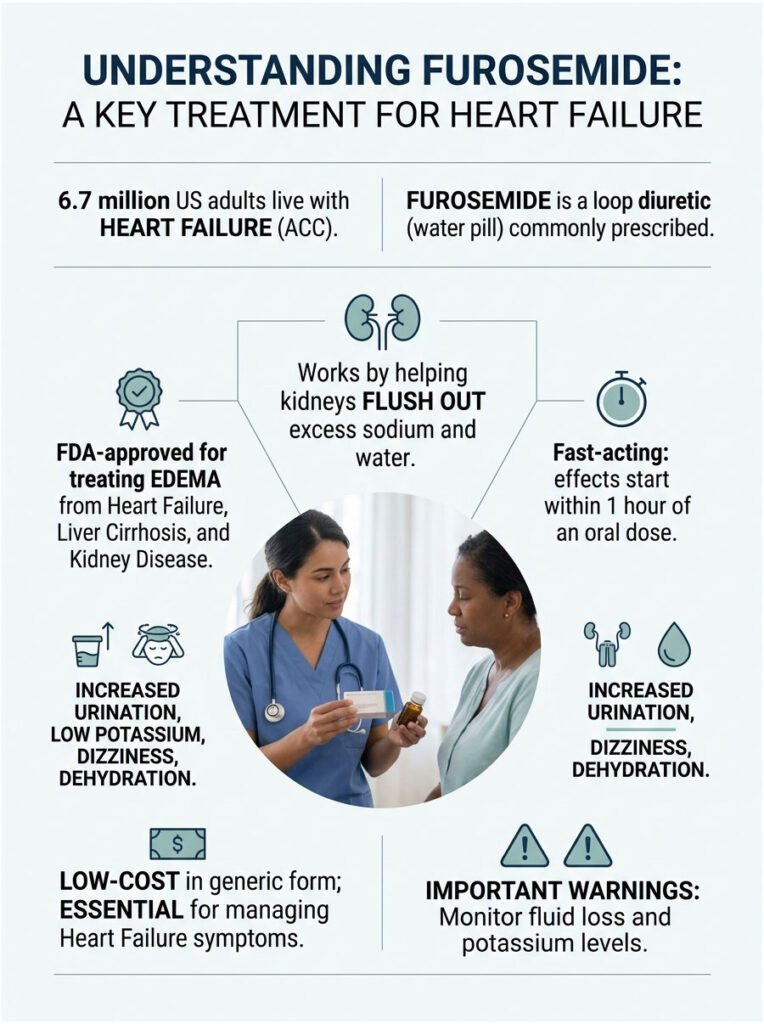
Quick Answer: Furosemide is a loop diuretic (water pill) sold under the brand name Lasix in the USA. The FDA has approved it for treating edema (fluid buildup) caused by congestive heart failure, liver cirrhosis, and kidney disease, and for managing high blood pressure. It works by making your kidneys flush out extra sodium and water, usually starting within 1 hour of an oral dose. Common side effects include increased urination, low potassium, dizziness, and dehydration.
At a Glance
- Furosemide is a loop diuretic, sold as Lasix, Furoscix (subcutaneous), and Lasix ONYU in the USA
- FDA-approved for edema from heart failure, liver cirrhosis, kidney disease, and for high blood pressure
- Available as 20 mg, 40 mg, and 80 mg oral tablets, oral solution, and IV/SC injection
- Starts working within 1 hour orally, peaks at 1 to 2 hours, lasts 6 to 8 hours
- Common side effects: frequent urination, low potassium, dizziness, dehydration, low blood pressure
- Requires regular blood tests for electrolytes, kidney function, and glucose
- Roughly 6.7 million US adults have heart failure, the largest patient group taking furosemide
What Is Furosemide?
Furosemide is the generic name for a prescription medication used to remove extra fluid from the body. It’s been on the US market since the FDA approved Lasix in 1966, and it remains one of the most widely prescribed drugs in American medicine. Generic furosemide is also one of the cheapest, often costing under $10 for a month’s supply at major US pharmacies.
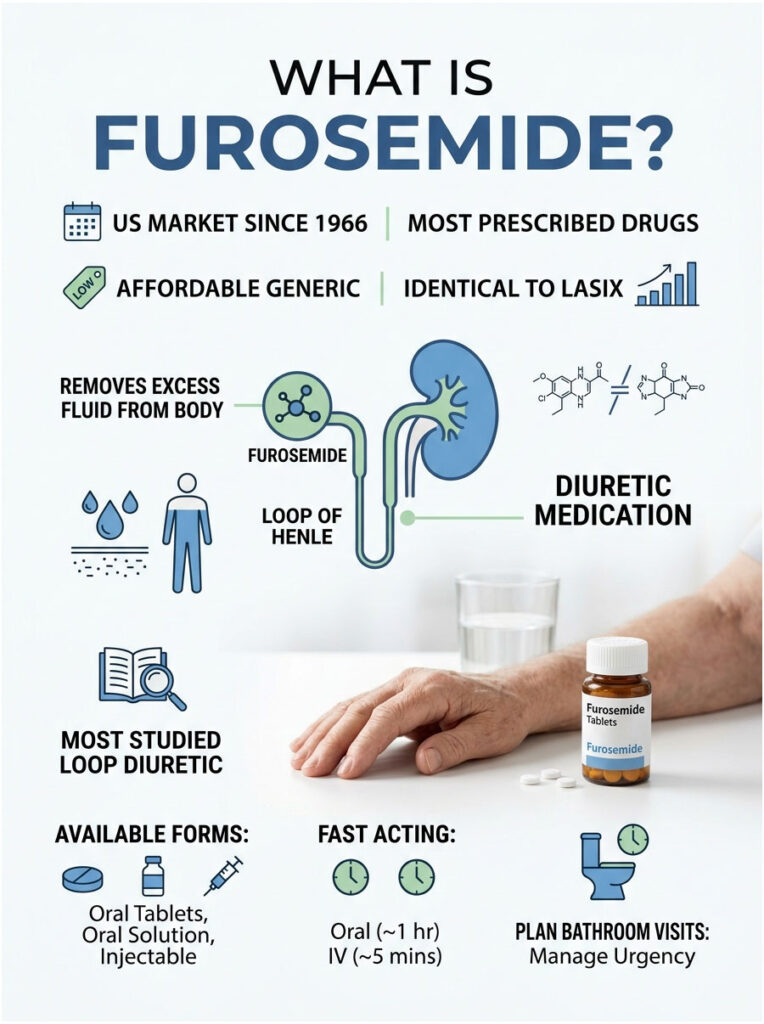
Patients picking up a new furosemide prescription often ask us the same first question: is this the same as Lasix? Yes, Lasix is the original brand name, and generic furosemide is therapeutically identical.
Drug Class: Loop Diuretic
Furosemide belongs to a drug class called loop diuretics, named for the part of the kidney where they work (the Loop of Henle). Other US-marketed loop diuretics include torsemide (Demadex), bumetanide (Bumex), and ethacrynic acid (Edecrin).
Among them, furosemide is the most prescribed and the most studied, with decades of FDA-supervised use backing its safety profile.
Brand Names in the USA (Lasix, Furoscix, Lasix ONYU)
Lasix is the original Sanofi-Aventis brand, available as oral tablets, oral solution, and an injectable form. Furoscix (scPharmaceuticals) is a newer subcutaneous on-body infusor approved for outpatient treatment of fluid overload in chronic heart failure or chronic kidney disease.
Lasix ONYU is another on-body infusor option for adult chronic heart failure patients seeking to avoid hospital admission.
Available Forms and Strengths
Oral tablets come in 20 mg, 40 mg, and 80 mg strengths in the US. Oral solution is dosed as 10 mg/mL or 40 mg/5 mL. Injectable forms are reserved for hospital use or the specific subcutaneous infusor systems.
Most US patients start on oral tablets, which deliver about 64% of the active dose into the bloodstream compared to the IV form.
How Quickly It Works
Oral furosemide starts producing urine within 1 hour, peaks at 1 to 2 hours, and the diuretic effect lasts 6 to 8 hours per the FDA-approved Lasix label. IV furosemide acts within 5 minutes and peaks at 30 minutes, which is why hospitals reach for it during acute fluid overload.
Plan ahead the first few days: knowing when the medication will hit lets you stay near a bathroom and avoid the embarrassment many new patients describe.
How Furosemide Works in the Body
The reason furosemide drains fluid so effectively comes down to one specific stretch of plumbing inside each kidney. Our medical reviewers note that understanding the mechanism, even at a high level, makes the medication’s behavior much easier to predict.
The Loop of Henle Mechanism
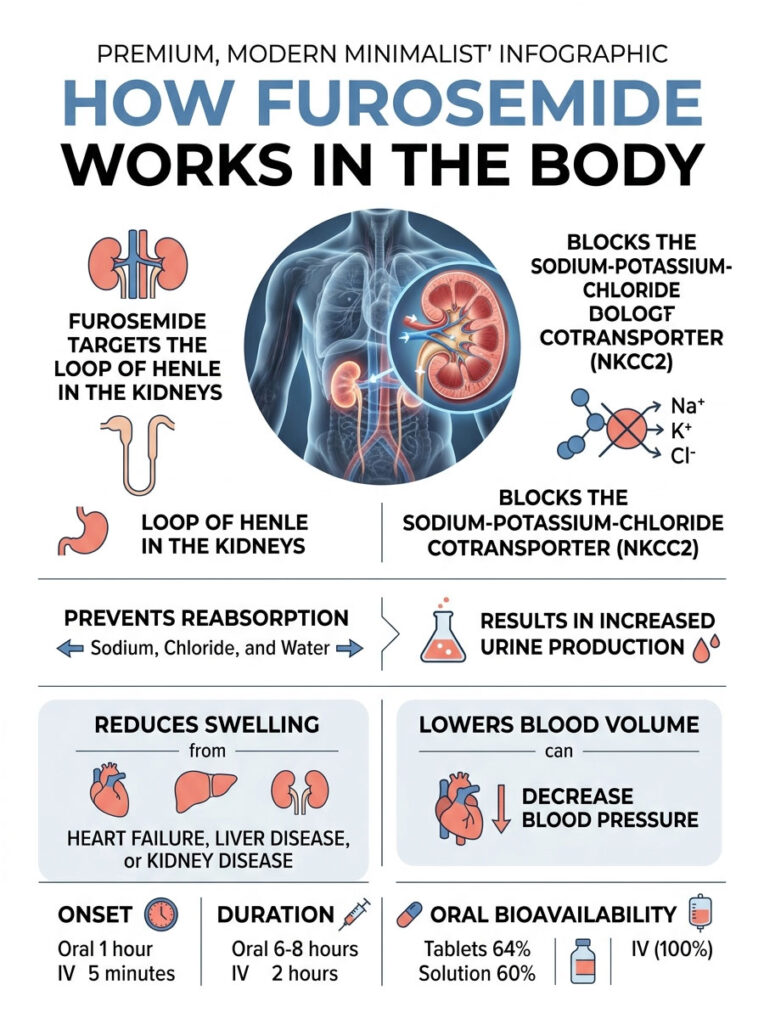
Furosemide blocks a transporter called the sodium-potassium-chloride cotransporter (NKCC2) in the ascending limb of the Loop of Henle. By blocking it, the drug prevents your kidneys from reabsorbing sodium, chloride, and water back into the bloodstream.
That sodium and water then get flushed out as urine, taking potassium, magnesium, and calcium along for the ride.
Why It’s Called a “Water Pill”
The “water pill” nickname is plain English for what the drug does. By removing extra fluid, furosemide reduces the swelling in your ankles, legs, abdomen, or lungs that comes with heart failure, liver disease, or kidney disease.
The same fluid reduction also lowers blood volume, which is why furosemide can also lower blood pressure as a secondary effect.
Onset, Peak, and Duration
Oral onset: 1 hour. Oral peak: 1 to 2 hours. Oral duration: 6 to 8 hours. IV onset: 5 minutes. IV duration: 2 hours.
This is why most US doctors prescribe furosemide for the morning, sometimes with a second dose around 2 p.m. Nighttime dosing leads to repeated bathroom trips that wreck sleep.
Oral Bioavailability vs IV
Oral tablets deliver about 64% of the dose into systemic circulation; oral solution delivers about 60%. IV delivers 100%, which is why hospital dosing looks lower than the equivalent oral dose.
A common rule of thumb in US cardiology practice: 40 mg IV equals roughly 80 mg oral in effect.
What Furosemide Is Used For (FDA-Approved + Off-Label)
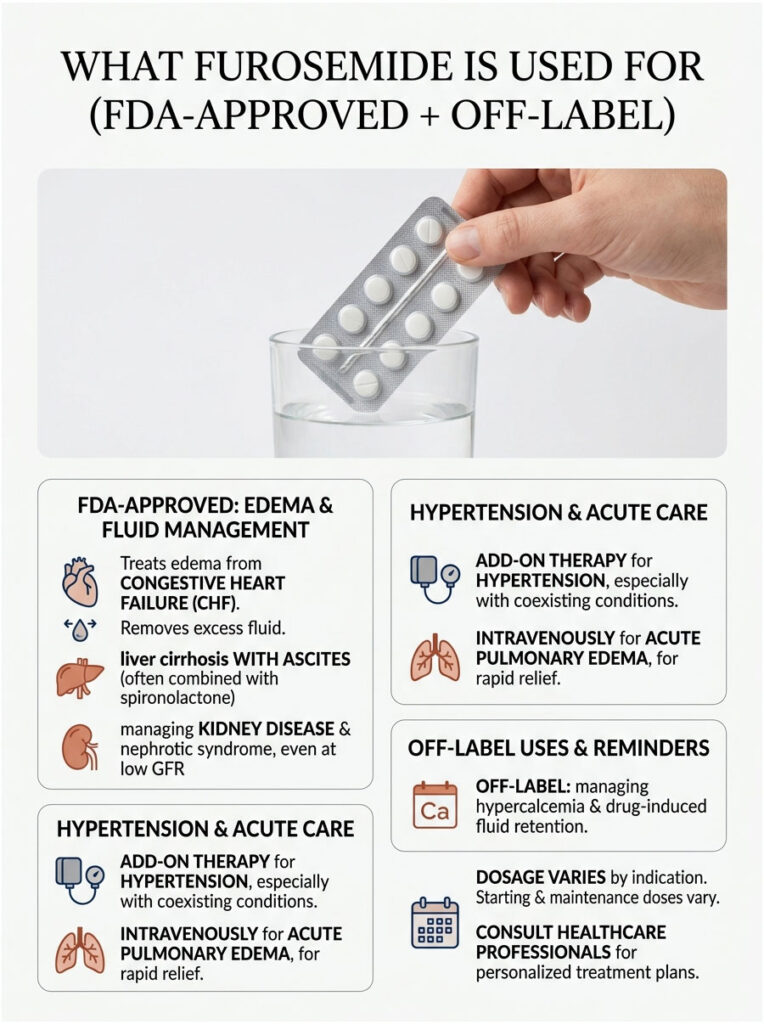
The FDA has approved furosemide for treating edema from several underlying conditions and for managing high blood pressure. Across patients we serve, the heart failure use case dominates by volume, but the drug’s reach goes well beyond cardiology.
Edema From Congestive Heart Failure
Congestive heart failure (CHF) is the single most common reason US clinicians prescribe furosemide. When the heart can’t pump efficiently, fluid backs up into the lungs, ankles, and abdomen.
Furosemide pulls that fluid back into the bloodstream and out through the kidneys, easing shortness of breath and swelling within hours.
Liver Cirrhosis With Ascites
Patients with advanced liver disease develop ascites, the buildup of fluid in the abdominal cavity. Furosemide is part of the standard combination (usually paired with spironolactone) used to manage cirrhotic ascites per American Association for the Study of Liver Diseases guidelines.
In hepatic coma or severe electrolyte depletion, furosemide is delayed until those baseline issues stabilize, since rapid diuresis can precipitate further decompensation.
Kidney Disease and Nephrotic Syndrome
Chronic kidney disease and nephrotic syndrome both cause sodium and water retention. Furosemide is one of the few diuretics that still works at low glomerular filtration rates, sometimes requiring higher doses (1 to 3 grams per day in severe cases) to overcome reduced kidney delivery.
It’s also used to treat protein-losing kidney disease in pediatric patients under specialist supervision.
Hypertension (Often Add-On Therapy)
Furosemide can lower blood pressure, but it’s not typically a first-line choice for hypertension in the US (thiazides like hydrochlorothiazide are preferred). It becomes useful when patients have hypertension plus heart failure, plus kidney disease, or resistant high blood pressure that hasn’t responded to other agents.
Acute Pulmonary Edema (Hospital Use)
In emergency rooms across the country, IV furosemide is a frontline treatment for acute pulmonary edema, the dangerous fluid buildup in the lungs that can cause sudden, severe shortness of breath. IV dosing of 40 to 80 mg typically delivers relief within 30 minutes.
Off-Label Uses (Hypercalcemia, Drug-Induced Edema)
Off-label, furosemide is sometimes used to manage hypercalcemia (high blood calcium) in cancer patients, drug-induced fluid retention (corticosteroids, NSAIDs), and certain pediatric conditions. These uses fall under physician discretion and don’t appear on the official FDA label.
Table 1: Furosemide Dosage by Indication (Adult, per FDA Label and US Practice)
| Indication | Starting Dose | Typical Maintenance | Max Daily Dose | Route | Notes |
| Edema (CHF, cirrhosis, kidney disease) | 20 to 80 mg PO once | 20 to 80 mg PO daily | 600 mg/day in severe cases | Oral | Titrate by 20 to 40 mg every 6 to 8 hours |
| Hypertension | 40 mg PO twice daily | 40 to 80 mg PO daily | 320 mg/day | Oral | Paired with another antihypertensive |
| Acute pulmonary edema | 40 mg IV over 1 to 2 min | Repeat 80 mg if needed | 200 mg per dose | IV | Onset within 5 minutes |
| Acutely decompensated HF | 20 to 40 mg IV | Titrate to response | 200 mg per dose | IV | Per AHA/ACC guidelines |
| Pediatric edema | 1 to 2 mg/kg PO once | 1 to 2 mg/kg every 6 to 8 hrs | 6 mg/kg/day | Oral | Specialist supervision |
| Chronic HF outpatient (Furoscix) | 30 mg SC × 1 hr | 12.5 mg/hr × 4 hrs (total 80 mg) | One cartridge per episode | SC | Not for chronic daily use |
Furosemide Dosage and How to Take It
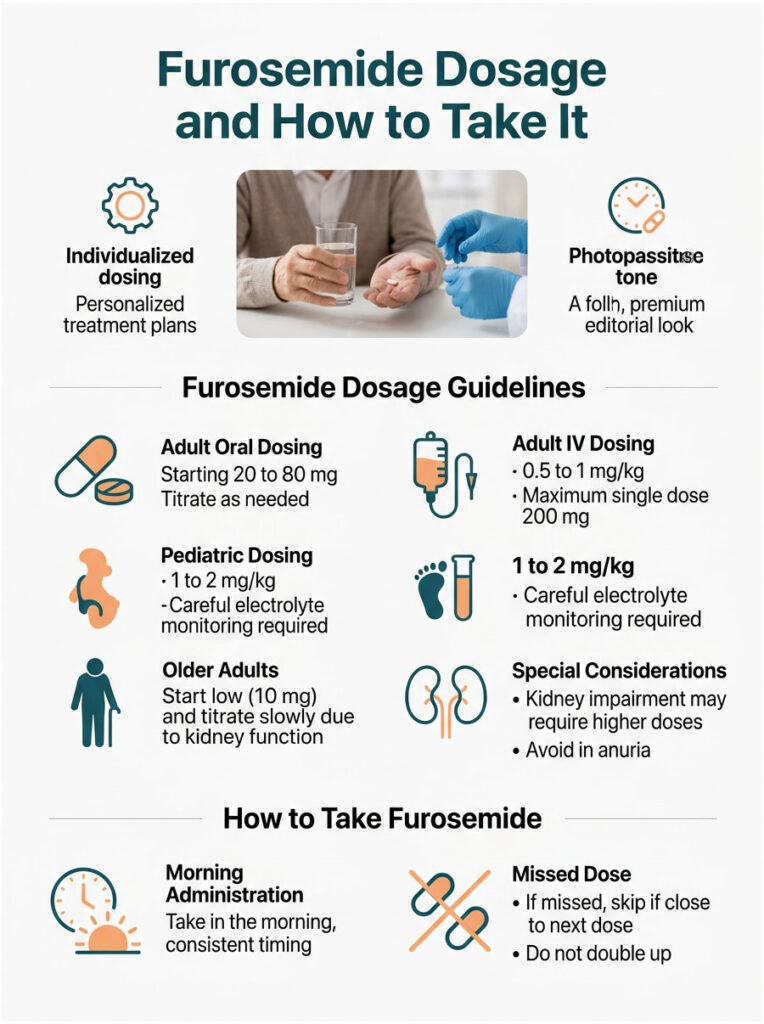
Furosemide dosing is heavily individualized. The same starting dose that works for a 65-year-old with mild ankle swelling may be useless for a 45-year-old hospitalized with severe heart failure. Your doctor titrates based on weight change, urine output, and lab results.
Adult Oral Dosing
For edema, the usual starting dose is 20 to 80 mg as a single morning dose. If needed, the same dose can be repeated 6 to 8 hours later. The dose can be raised by 20 to 40 mg every 6 to 8 hours until the desired fluid removal is achieved.
In severely edematous patients, the FDA label permits titration up to 600 mg per day.
Adult IV Dosing
IV dosing typically starts at 0.5 to 1 mg/kg (or 40 mg) given over 1 to 2 minutes. If response is inadequate within an hour, the dose can be doubled to 80 mg, with a single-dose ceiling of 160 to 200 mg.
IV furosemide should never be pushed rapidly because of the ototoxicity risk (potential hearing loss) at high doses.
Pediatric Dosing (Weight-Based)
Pediatric dosing is weight-based at 1 to 2 mg/kg per dose, not to exceed 6 mg/kg per day. Pediatric IV doses follow the same weight-based logic with closer monitoring.
Children require especially careful electrolyte monitoring; potassium and magnesium drop quickly in small bodies.
Dosing in Older Adults (Start Low, Go Slow)
Patients aged 65 and older often need lower starting doses (10 mg per day) and slower upward titration. Aging kidneys clear furosemide more slowly, so the drug accumulates and effects last longer.
Across follow-up panels we order on furosemide patients, the over-75 group shows the highest rates of dehydration, falls, and acute kidney injury within the first month of treatment.
Dosing in Kidney Impairment
In acute renal failure, doses up to 1 to 3 grams per day may be needed because so little of the drug reaches the kidney tubules. Furosemide should be avoided in anuric states (no urine production at all).
When and How to Take It
Take furosemide in the morning, usually with breakfast. Patients who need twice-daily dosing usually take the second dose around 2 p.m. to avoid nighttime urination.
Food slightly slows absorption but does not reduce total drug effect. Consistency from day to day matters more than fasting.
What to Do If You Miss a Dose
Take the missed dose as soon as you remember, unless it’s almost time for your next dose. In that case, skip the missed dose entirely. Never double up to “catch up,” since doubling raises the risk of dangerous fluid and electrolyte loss.
If you miss multiple doses, contact your prescriber rather than guessing at how to restart.
Side Effects of Furosemide
Furosemide is generally well tolerated when dosed appropriately and monitored with regular labs. Most side effects come from the drug doing its job too aggressively: pulling out more fluid and electrolytes than the body can comfortably afford to lose.
Common Side Effects
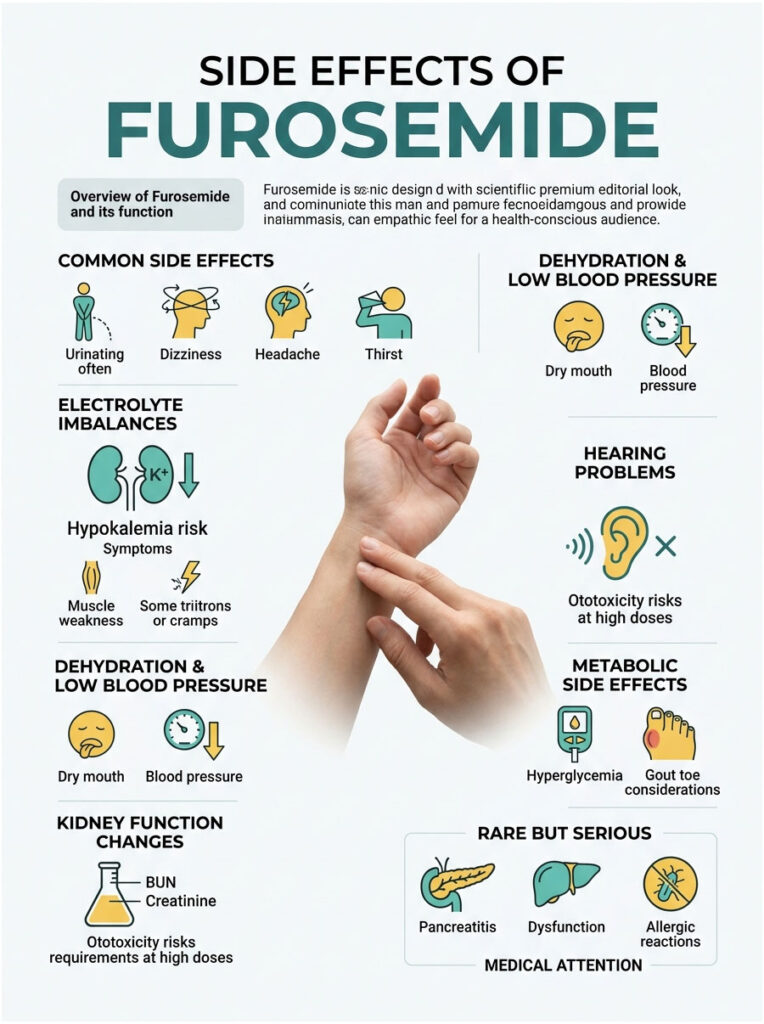
The most predictable side effect is increased urination, especially within 1 to 4 hours of an oral dose. Other common effects include dizziness or lightheadedness on standing, mild headache, blurred vision, muscle cramps, and a feeling of being unusually thirsty.
Most of these are dose-dependent and improve with dose adjustment.
Electrolyte Imbalances (Hypokalemia, Hyponatremia, Hypomagnesemia)
Furosemide flushes potassium, sodium, magnesium, and calcium out along with water. Low potassium (hypokalemia) is the most common and most dangerous of these.
Watch for fatigue, muscle weakness, leg cramps, irregular heartbeat, or palpitations. In electrolyte panels reviewed by our lab partners, hypokalemia shows up in roughly 1 in 5 patients on chronic furosemide without potassium supplementation.
Dehydration and Low Blood Pressure
Removing fluid lowers blood volume, which lowers blood pressure. Orthostatic hypotension (dizziness when standing) is common, especially in the first few weeks of treatment and in older adults.
Severe dehydration can cause dry mouth, sunken eyes, dark urine, confusion, and rapid heartbeat. These require prompt medical attention.
Kidney Function Changes (Elevated BUN/Creatinine)
Aggressive diuresis can temporarily reduce blood flow to the kidneys, raising BUN and creatinine on blood tests. This is usually reversible by reducing the furosemide dose, but persistent elevations warrant a workup.
Patients with pre-existing kidney disease need especially close monitoring through routine kidney panels.
Hearing Problems (Ototoxicity at High Doses)
High-dose furosemide, especially over 80 mg IV given rapidly, can cause tinnitus (ringing in the ears) and, rarely, permanent hearing loss. The risk rises with concurrent use of aminoglycoside antibiotics like gentamicin.
Hospital protocols limit the IV push rate to 4 mg per minute or slower.
Metabolic Side Effects (Hyperglycemia, Hyperuricemia, Gout)
Furosemide can raise blood glucose, which matters for diabetics and prediabetics. It can also raise uric acid, occasionally triggering acute gout flares in susceptible patients.
People with a gout history should mention it to their prescriber so it can factor into the decision.
Photosensitivity
The skin becomes more sensitive to ultraviolet light. Sunscreen, hats, and long sleeves are smart additions during the first months on therapy, especially for outdoor workers.
Gastrointestinal Side Effects
Furosemide can cause nausea, mild stomach upset, diarrhea, or constipation in a smaller share of users. Taking the dose with breakfast usually settles these.
Severe upper abdominal pain that radiates to the back is a different matter and warrants same-day evaluation, since it can rarely signal pancreatitis.
Rare But Serious Side Effects
Less common but serious side effects include pancreatitis (severe upper abdominal pain), liver dysfunction (jaundice), severe allergic reactions, blood disorders (low white cell or platelet counts), and Stevens-Johnson syndrome (severe skin reaction). Any of these warrants same-day medical evaluation.
Table 2: Furosemide Side Effect Frequency and Severity
| Side Effect | Frequency | Severity | Action |
| Increased urination | Very common (most patients) | Mild, expected | Adjust dose timing |
| Hypokalemia (low potassium) | Common (~20% chronic users) | Moderate to serious | Potassium supplement, monitor labs |
| Orthostatic hypotension (dizziness on standing) | Common | Mild to moderate | Rise slowly, hydrate appropriately |
| Dehydration | Common in over-65 | Moderate to serious | Dose adjustment, fluid intake review |
| Hyperglycemia | Uncommon (~5 to 10%) | Mild to moderate | Glucose monitoring for diabetics |
| Hyperuricemia / gout flare | Uncommon | Moderate | Allopurinol or dose reduction |
| Hearing loss / tinnitus | Rare (high IV doses) | Serious, sometimes permanent | Avoid rapid IV push, limit dose |
| Pancreatitis | Rare | Serious | Stop drug, ER evaluation |
Furosemide Warnings, Contraindications, and Black Box Considerations
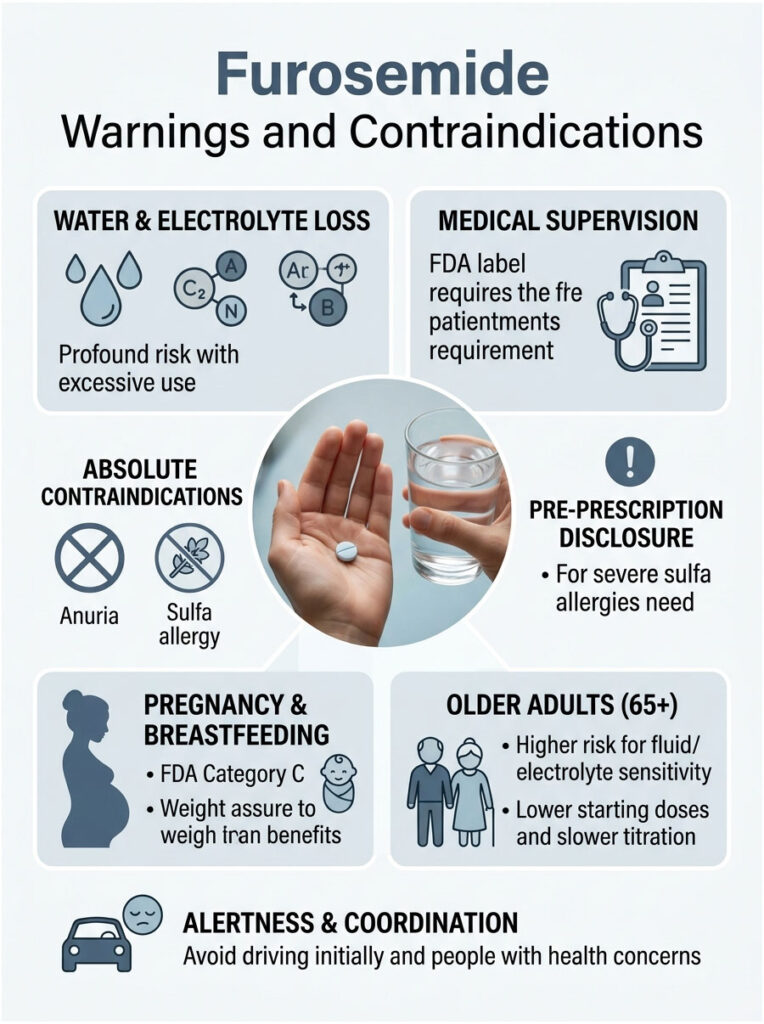
Furosemide carries an FDA-required warning at the top of its prescribing information about the risk of profound water and electrolyte loss when used in excessive amounts. This isn’t a formal “black box” warning, but it functions similarly in clinical practice.
The FDA Boxed Warning Equivalent (Profound Diuresis Risk)
The official Lasix label opens with: “Lasix is a potent diuretic which, if given in excessive amounts, can lead to a profound diuresis with water and electrolyte depletion. Therefore, careful medical supervision is required.”
This is the single most important warning to internalize. Furosemide is not a “more is better” drug.
When Not to Take Furosemide (Anuria, Sulfa Allergy History)
Absolute contraindications include anuria (complete lack of urine production) and a documented hypersensitivity to furosemide or to sulfonamides (“sulfa” drugs).
People with a history of severe sulfa allergy should mention it before any new prescription, since furosemide is structurally a sulfonamide derivative.
Pregnancy and Breastfeeding
Furosemide is FDA Pregnancy Category C (older classification): used only when potential benefits clearly outweigh risks. It crosses the placenta and is excreted in breast milk in small amounts.
The Mayo Clinic advises pregnant or breastfeeding patients to discuss alternatives whenever possible.
Older Adults: Special Caution
Adults 65 and older are more sensitive to fluid and electrolyte changes, more prone to falls from low blood pressure, and clear furosemide more slowly. Lower starting doses (10 mg per day) and slower titration are standard.
Driving and Alertness
Furosemide can affect alertness and coordination, especially after the first few doses or after a dose increase. Avoid driving until you know how the medication affects you personally.
Drug Interactions to Know
Furosemide has documented interactions with hundreds of other medications and over-the-counter products. Most are manageable with dose timing or monitoring, but a few are worth knowing in advance.
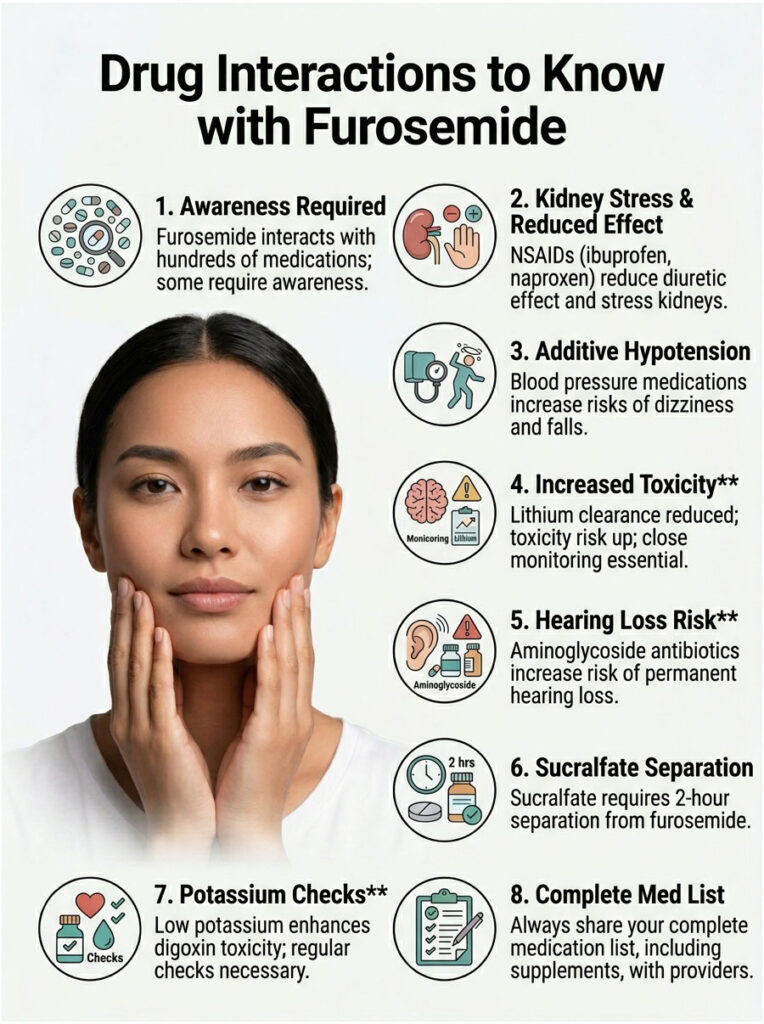
NSAIDs (Reduce Diuretic Effect, Kidney Stress)
Ibuprofen, naproxen, aspirin, and other NSAIDs reduce furosemide’s effect and add kidney stress. People with heart failure or kidney disease often need acetaminophen instead for everyday pain.
Other Blood Pressure Medications (Additive Hypotension)
Combining furosemide with ACE inhibitors, ARBs, beta-blockers, or other antihypertensives raises the risk of dizziness, falls, and dangerously low blood pressure. Doses are often adjusted in tandem.
Lithium (Toxicity Risk)
Furosemide reduces lithium clearance by the kidneys, raising blood lithium levels and toxicity risk. Patients on both drugs need close lithium-level monitoring.
Aminoglycoside Antibiotics (Hearing Loss Risk)
Aminoglycoside antibiotics like gentamicin, tobramycin, and amikacin combined with furosemide increase the risk of permanent hearing loss. Hospital teams avoid this pairing whenever possible.
Sucralfate (Spacing Required by 2 Hours)
Sucralfate (an ulcer medication) blocks furosemide absorption. Doses must be separated by at least 2 hours.
Digoxin (Hypokalemia Worsens Toxicity)
Low potassium from furosemide makes digoxin more toxic, raising the risk of dangerous heart rhythms. Patients on both drugs need regular potassium and digoxin level checks.
According to the Drugs.com interaction checker, furosemide has at least 161 documented moderate interactions and 142 mild ones. Always show your full medication list, including supplements, to your prescriber and pharmacist.
Monitoring While on Furosemide: A Practical Action Guide
Furosemide is one of those drugs where good monitoring separates a smooth, safe course of treatment from an avoidable hospitalization. The good news: most monitoring is simple, cheap, and routine.
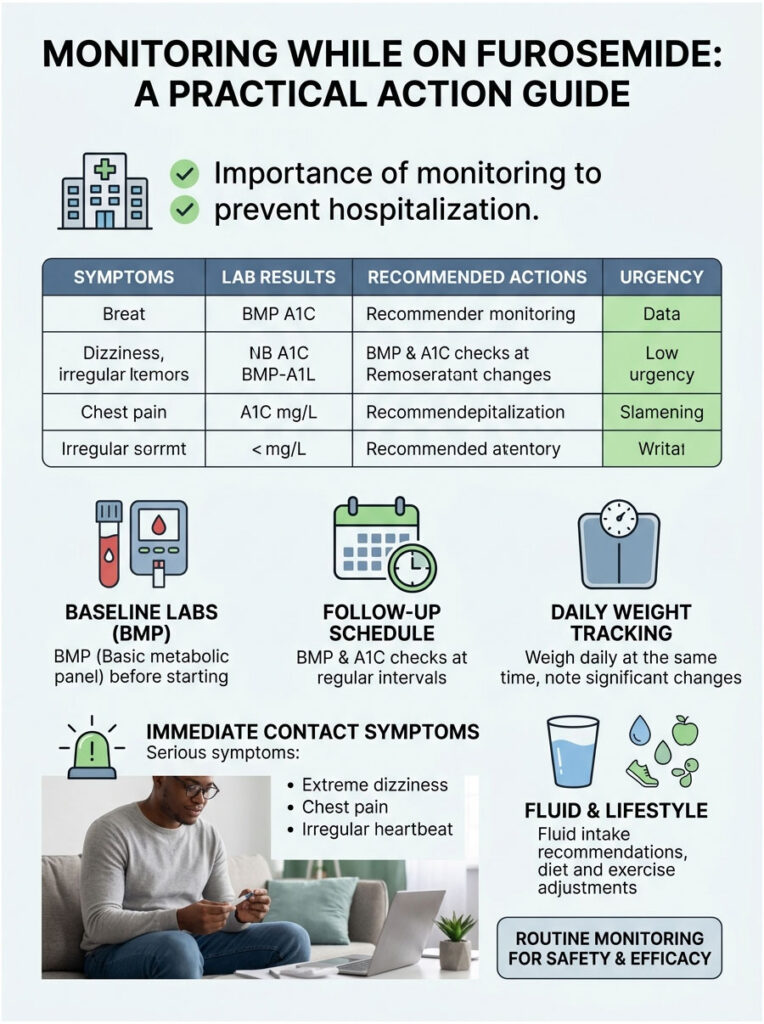
Table 3: Furosemide Symptom + Lab Result Decision Matrix
| Your Situation | Recommended Action | Urgency |
| Mild dizziness on standing in first 1 to 2 weeks | Hydrate, rise slowly, call doctor if persistent | Routine |
| Muscle cramps or fatigue, potassium 3.0 to 3.4 mEq/L | Potassium supplement, recheck labs in 2 weeks | Within 1 week |
| Potassium below 3.0 mEq/L on labs | Same-week doctor visit, potassium replacement | Within 3 days |
| Sudden weight loss of more than 3 lb in 24 hours | Call doctor about dose, hydrate | Same day |
| Persistent ringing in ears, hearing changes | Stop drug, contact doctor, ENT referral | Within 1 to 2 days |
| Severe dizziness, fainting, very dark urine | Emergency department evaluation | Same day |
| Chest pain, severe shortness of breath, or irregular heartbeat | Call 911 | Immediate |
Baseline Labs Before Starting
Most US prescribers order a basic metabolic panel (BMP) before starting furosemide. The BMP captures sodium, potassium, chloride, BUN, creatinine, glucose, and bicarbonate.
This baseline lets your doctor spot any changes that develop after starting therapy. Across patients we serve, the baseline BMP is also where pre-existing low potassium or kidney issues first surface.
Follow-Up Lab Schedule
A typical schedule is a follow-up BMP at 1 to 2 weeks, then 1 month, then every 3 to 6 months for stable patients. Patients on higher doses, with kidney disease, or with diabetes need more frequent monitoring.
Diabetics also need periodic A1C checks since furosemide can raise blood glucose.
Daily Weight Tracking at Home
Step on the scale at the same time every morning, before breakfast, after using the bathroom. A gain of more than 2 to 3 pounds in 24 hours, or 5 pounds in a week, usually signals fluid retention and needs reporting to your cardiology team.
When to Call Your Doctor Immediately
Call your doctor without delay for severe dizziness, fainting, very rapid heartbeat, sudden weight loss, severe muscle cramps, dark urine that doesn’t clear with fluids, hearing changes, or any sudden swelling that gets worse. Call 911 for chest pain or severe shortness of breath.
Furosemide vs Other Diuretics: How They Compare
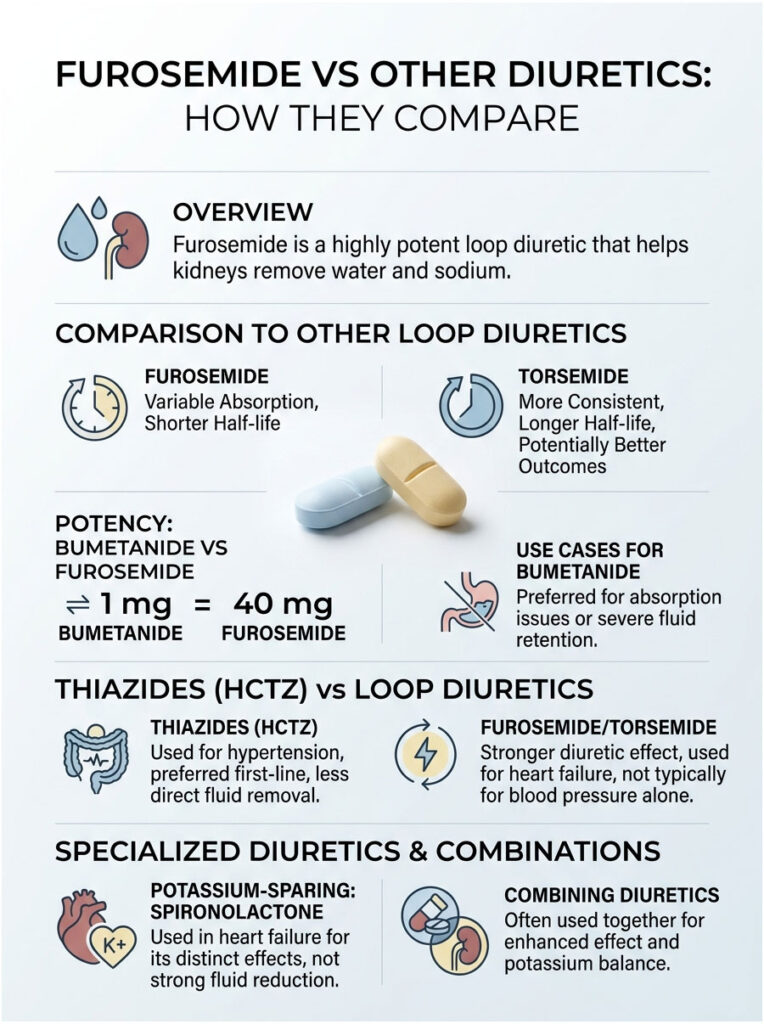
Furosemide isn’t the only diuretic on the menu. Several alternatives exist, each with their own strengths, and your prescriber’s choice often depends on absorption reliability, kidney function, and how aggressively fluid needs to come off.
Furosemide vs Torsemide
Torsemide (Demadex) has a longer half-life, more predictable oral absorption, and may produce smoother diuresis with fewer peaks and valleys. Some heart failure trials suggest torsemide reduces hospital readmissions vs furosemide, though the evidence is still debated.
Cost difference is small at US pharmacies, so the choice usually comes down to clinician preference.
Furosemide vs Bumetanide
Bumetanide (Bumex) is roughly 40 times more potent per milligram than furosemide. A 1 mg dose of bumetanide equals approximately 40 mg of furosemide.
Bumetanide is sometimes preferred when furosemide absorption is unreliable, often in patients with gut edema from severe heart failure.
Loop Diuretics vs Thiazides (HCTZ)
Thiazide diuretics like hydrochlorothiazide (HCTZ) and chlorthalidone work in a different part of the kidney and produce milder, longer-lasting diuresis. They’re preferred for simple hypertension; loop diuretics dominate heart failure and severe edema.
The two classes are sometimes combined for “sequential nephron blockade” in resistant cases.
Loop Diuretics vs Potassium-Sparing Diuretics
Potassium-sparing diuretics like spironolactone (Aldactone) and eplerenone (Inspra) cause less potassium loss and have additional cardiac benefits in heart failure. They’re often combined with furosemide for both extra diuresis and built-in potassium protection.
Cost and Access in the USA
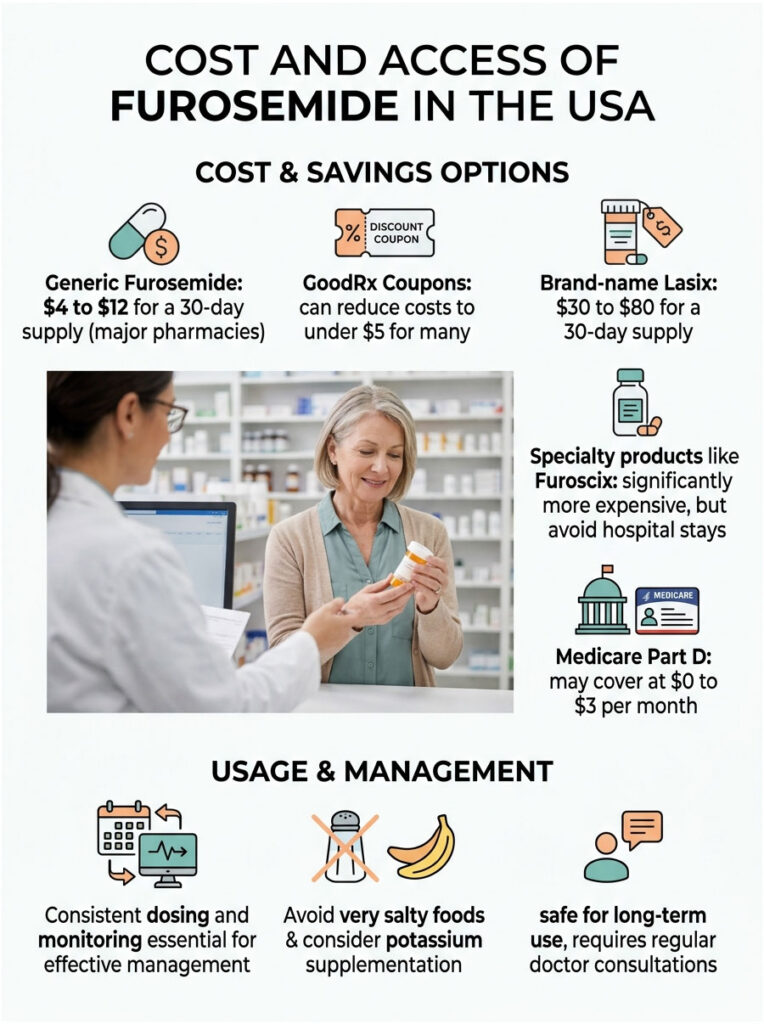
Generic furosemide is one of the cheapest prescription drugs in America, which has helped keep it as a first-line therapy for decades. Patients commonly ask us how to lower their out-of-pocket cost; the answers are usually simple.
Generic Furosemide Price
A 30-day supply of generic furosemide 40 mg typically costs $4 to $12 at major US pharmacies (Walmart, Costco, Kroger, CVS), often less than $5 with a GoodRx coupon. Many Medicare Part D plans cover it at $0 to $3 per month.
Brand-Name Lasix Cost
Brand Lasix runs significantly higher, typically $30 to $80 for a 30-day supply, but most insurers default patients to the generic equivalent unless your doctor checks “dispense as written.”
Furoscix Subcutaneous Infusor (Specialty Pricing)
Furoscix and Lasix ONYU are specialty products designed for outpatient management of heart failure fluid overload without hospitalization. Pricing is far higher (often hundreds of dollars per cartridge), but the comparison is against the cost of a hospital admission, not a generic oral tablet.
GoodRx, Medicare Part D, and Manufacturer Coupons
GoodRx coupons regularly bring generic furosemide under $5 for 30 days. Sanofi and the manufacturers of Furoscix offer patient-assistance programs for eligible patients with documented financial need.
Frequently Asked Questions
What is the main purpose of furosemide?
Furosemide’s main purpose is to remove extra fluid (edema) from the body, mainly in people with congestive heart failure, liver cirrhosis, or kidney disease. It also helps lower high blood pressure. By making the kidneys flush out sodium and water, it relieves swelling in the ankles, legs, abdomen, and lungs and reduces blood volume.
How quickly does furosemide work?
Oral furosemide starts producing urine within 1 hour, peaks at 1 to 2 hours, and the diuretic effect lasts 6 to 8 hours. IV furosemide acts within 5 minutes and peaks at 30 minutes. Patients with severe fluid overload may notice rapid improvement in shortness of breath; ankle and leg swelling typically take a few days to fully resolve.
What time of day should I take furosemide?
Take furosemide in the morning, usually with breakfast. Patients on twice-daily dosing typically take the second dose around 2 p.m. Avoid evening or bedtime doses since the medication causes frequent urination for several hours, which will wreck your sleep and increase fall risk for older adults getting up at night.
Should I take furosemide before or after breakfast?
Either works, but with breakfast is the most common recommendation in US practice. Food slows absorption slightly but does not reduce the total effect. Taking it with breakfast also cuts down on the mild stomach upset some patients feel. Consistency from one day to the next matters more than the exact timing relative to food.
What foods should I avoid while taking furosemide?
There are no strictly forbidden foods, but limit very salty foods like processed meats, canned soups, and fast food, since high sodium counteracts the drug’s effect. Eat potassium-rich foods (bananas, oranges, potatoes, spinach) to help replace what furosemide flushes out. Avoid licorice supplements, which can worsen potassium loss.
Can furosemide cause kidney damage?
Furosemide can temporarily raise BUN and creatinine, especially with aggressive dosing or in dehydrated patients. This is usually reversible when the dose is reduced. Long-term, well-monitored use rarely causes lasting kidney damage. The risk rises with high doses, concurrent NSAID use, dehydration, or pre-existing chronic kidney disease.
How long can you stay on furosemide safely?
Many patients with chronic heart failure or kidney disease take furosemide safely for years, even decades. The key is regular monitoring with periodic blood tests, dose adjustments based on weight and symptoms, and prompt attention to side effects like low potassium or dehydration. Never stop or change the dose without consulting your doctor.
What is the difference between Lasix and furosemide?
There is no clinical difference. Lasix is the brand name (originally made by Sanofi-Aventis); furosemide is the generic name. Both contain identical active ingredients and produce identical effects. Generic furosemide costs significantly less (often under $10 for 30 days vs $30 to $80 for brand Lasix) and is the default at almost every US pharmacy.
Can I drink alcohol while taking furosemide?
Light, occasional alcohol is generally tolerated but isn’t ideal. Alcohol is a diuretic itself, adds to dehydration, can worsen dizziness, and can drop blood pressure further. Patients with heart failure, liver disease, or cirrhosis (common reasons for furosemide) usually need to avoid alcohol entirely. Discuss your specific situation with your prescriber.
Why does furosemide cause low potassium?
Furosemide blocks sodium reabsorption in the kidney, which forces the kidney to swap out potassium for sodium in a different segment of the tubule. The net effect is extra potassium loss in urine. Roughly 1 in 5 chronic users develop hypokalemia without potassium supplementation, which is why doctors often prescribe potassium chloride or a potassium-sparing diuretic alongside furosemide.
Can furosemide be used for weight loss?
No. Furosemide should never be used for weight loss. The “weight loss” is purely water, returns quickly when the drug stops, and unauthorized use causes dangerous electrolyte imbalances, dehydration, kidney injury, and heart rhythm problems. The FDA has not approved furosemide for weight loss, and using it that way is medically dangerous and illegal without a prescription for an approved indication.
What happens if I stop furosemide suddenly?
For mild fluid retention, stopping abruptly may simply lead to swelling returning within a few days. For congestive heart failure or severe edema, sudden discontinuation can cause rapid fluid buildup, worsening shortness of breath, weight gain, and possibly hospitalization. Never stop furosemide on your own. Work with your doctor to taper or switch medications safely.
Is furosemide safe for elderly patients?
Furosemide is widely used in older adults but requires lower starting doses (often 10 to 20 mg per day), slower titration, and closer monitoring. Aging kidneys clear the drug more slowly, raising the risk of dehydration, falls, electrolyte problems, and acute kidney injury. Patients over 65 should have basic metabolic panels checked more frequently, often every 1 to 3 months.
Disclaimer: This article is for general health information only and is not a substitute for professional medical advice, diagnosis, or treatment. Always discuss furosemide dosing, side effects, and interactions with your healthcare provider or pharmacist. Never start, stop, or adjust the dose of any medication on your own. HealthCareOnTime offers diagnostic testing and health information; we do not provide individual treatment plans or replace your physician’s clinical judgment.
References
- FDA Lasix (Furosemide) Tablets Approved Label: https://www.accessdata.fda.gov/drugsatfda_docs/label/2016/016273s068lbl.pdf
- JACC, Cardiovascular Statistics in the United States 2026: https://www.jacc.org/doi/10.1016/j.jacc.2025.12.027
- NCBI StatPearls, Furosemide Monograph: https://www.ncbi.nlm.nih.gov/books/NBK499921/
- Drugs.com, Furosemide Patient Information: https://www.drugs.com/furosemide.html
- WebMD, Furosemide (Lasix) Overview: https://www.webmd.com/drugs/2/drug-5512-8043/furosemide-oral/furosemide-oral/details
- Medscape Reference, Lasix/Furoscix Drug Profile: https://reference.medscape.com/drug/lasix-furoscix-furosemide-342423
- Mayo Clinic, Furosemide Patient Education: https://www.mayoclinic.org/
- CDC NCHS, Heart Disease Prevalence: https://www.cdc.gov/nchs/hus/topics/heart-disease-prevalence.htm
- Heart Failure Society of America Statistics: https://hfstats.org/
- American Association for the Study of Liver Diseases (AASLD): https://www.aasld.org/
- GoodRx Furosemide Pricing: https://www.goodrx.com/