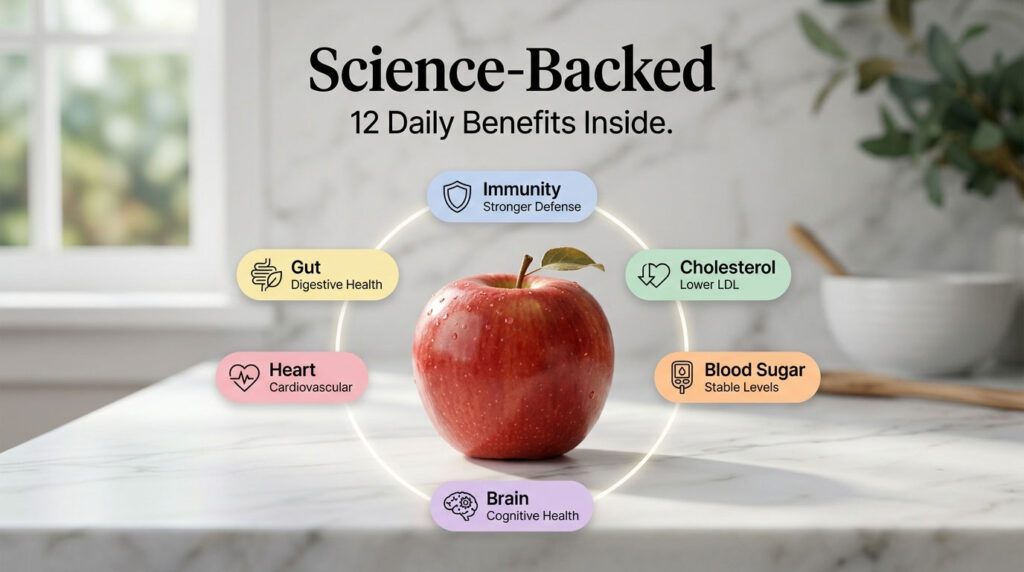
When Oxford researchers ran the math, an apple a day for adults over 50 prevented roughly the same number of heart attacks and strokes as putting that same group on statins, minus the muscle pain and other side effects. The 1866 Welsh proverb turned out to have receipts.
Table of Contents
That’s the headline finding from a British Medical Journal modeling study that estimated a daily apple could prevent or delay 8,500 vascular deaths annually across a single national population. Modern peer-reviewed research has since added more layers, covering cholesterol, blood sugar, gut microbiome diversity, inflammation, brain health, and immune function.
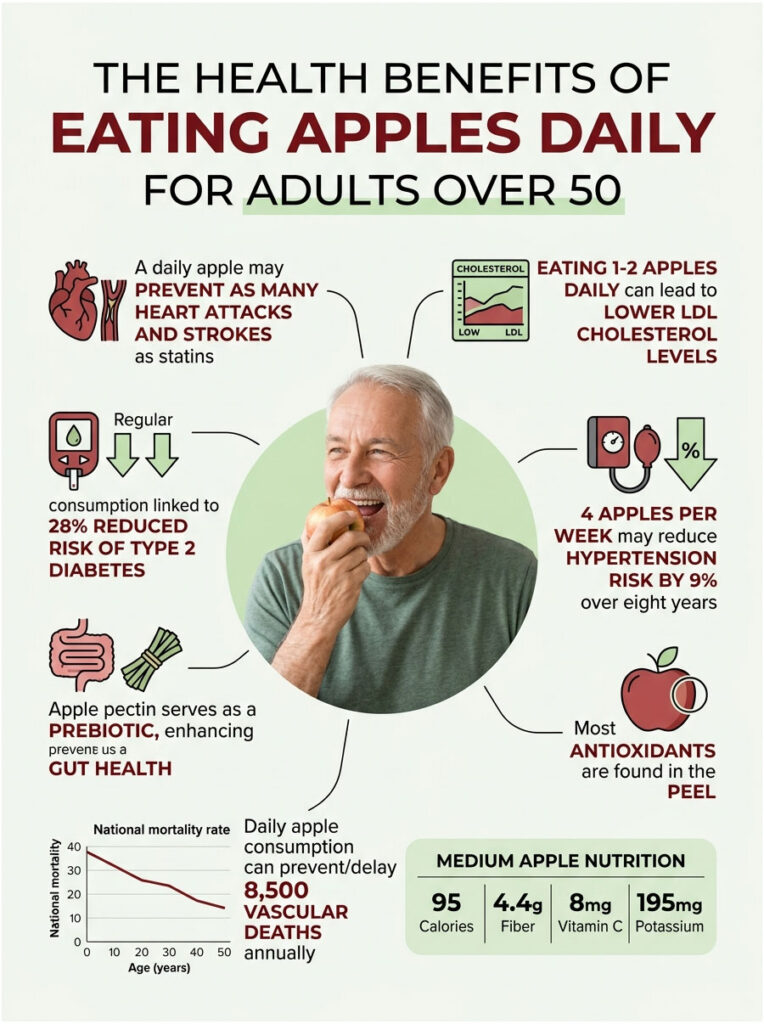
This guide pulls the strongest USA-relevant research on what eating one to two apples a day actually does inside your body, separates the RCT-proven from the still-emerging, and tells you how long until results show up. Patients booking diagnostic panels through HealthCareOnTime regularly ask whether simple food habits move clinical markers. Apples are one of the few foods where the evidence stack runs deep across multiple body systems.
Quick Answer: Eating one to two medium apples daily delivers science-backed health benefits including lower LDL cholesterol, up to 28% reduced type 2 diabetes risk, improved gut microbiome diversity, better blood pressure regulation, reduced inflammation, support for weight management, and emerging cognitive benefits. Apple pectin, quercetin polyphenols, and vitamin C drive these effects, especially when the peel is eaten.
At a Glance
• Two apples per day for 8 weeks measurably lowers LDL cholesterol (American Journal of Clinical Nutrition)
• One or more apples daily linked to 28% lower type 2 diabetes risk in a 38,000-person cohort study
• Four apples per week associated with 9% reduced hypertension risk over 8-year follow-up
• Apple pectin acts as a prebiotic, feeding beneficial gut bacteria
• Two-thirds of an apple’s antioxidant content sits in the peel
• University of Oxford modeling: daily apple over age 50 approximates statin cardiovascular benefit
• One medium apple delivers about 95 calories, 4.4g fiber, 8mg vitamin C, 195mg potassium
The “Apple a Day” Proverb: What the Science Actually Says
The phrase “an apple a day keeps the doctor away” first appeared in print in 1866 in a Welsh publication called Notes and Queries. For most of the next century, it was treated as folk wisdom, the kind of thing grandmothers said and pediatricians smiled at politely.
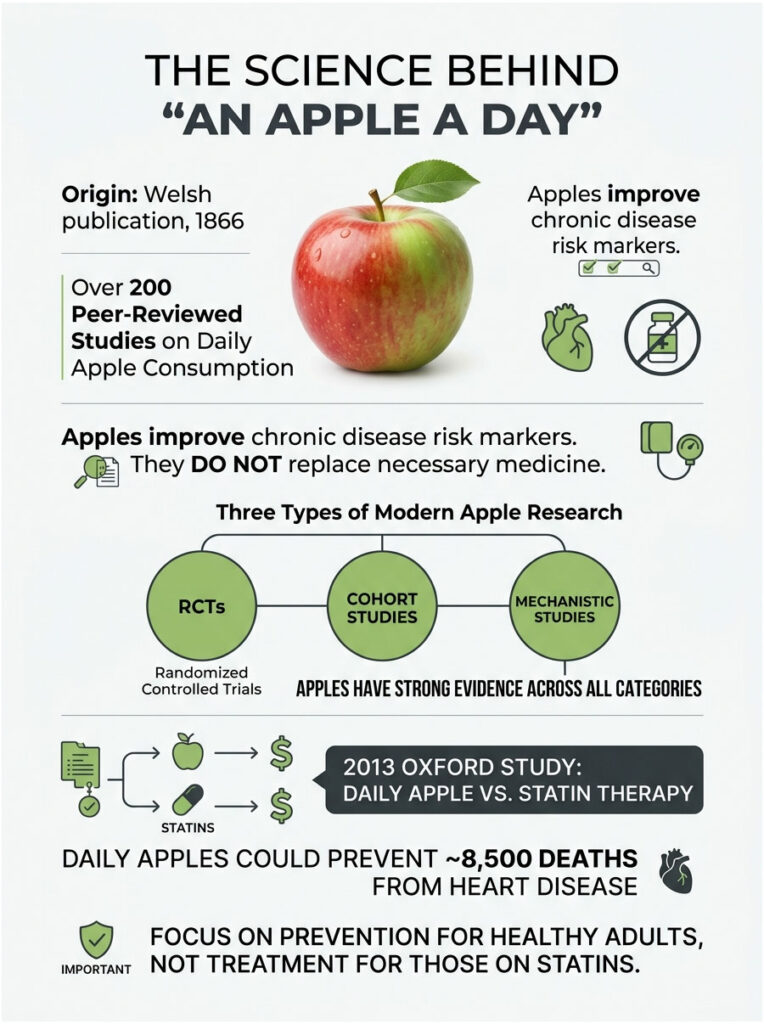
Then the data started rolling in. Since the 1990s, more than 200 peer-reviewed studies have examined what daily apple consumption actually does to human health markers, and the results have been surprisingly consistent. Apples don’t replace medicine, but they do measurably shift several markers that drive chronic disease risk.
Across the patients we serve, our medical reviewers consistently flag apples as one of the few “boring” foods where the research-to-marketing ratio is high. Less hype, more receipts. That makes them a useful first-line dietary recommendation when patients want one specific food change with real research weight behind it.
From 1866 Welsh Saying to Peer-Reviewed Evidence
Modern apple research falls into three buckets. Randomized controlled trials (RCTs) test what happens when researchers feed people apples for a set time and measure changes. Large cohort studies follow tens of thousands of people for years and track who develops disease. Mechanistic studies look at exactly which compound (pectin, quercetin, chlorogenic acid) drives which physiological effect.
The good news: apples score across all three categories. That’s rare for a single food. Most “superfoods” get hyped from one weak study; apples have RCTs published in journals like the American Journal of Clinical Nutrition, the BMJ, and the Journal of the Academy of Nutrition and Dietetics. Cohort data comes from the Nurses’ Health Study, the Health Professionals Follow-Up Study, and similar gold-standard US epidemiology projects.
The Oxford Apple-vs-Statin Study
In 2013, researchers at the University of Oxford published a mathematical modeling study in the BMJ comparing the projected cardiovascular benefit of daily apple consumption versus daily statin therapy for adults over 50. The finding caught headlines worldwide.
Prescribing an apple a day to all adults over 50 could reduce deaths from heart disease and stroke about as well as cholesterol-lowering statins, per the team’s calculations. Statins, the study noted, would prevent 9,400 vascular deaths a year in their model population. Daily apples would prevent 8,500, but without the 1,000 cases of muscle disease and 12,000 cases of new-onset type 2 diabetes that statins were modeled to cause.
Our medical reviewers emphasize the obvious caveat: nobody currently on prescribed statins should stop them and start eating apples. The Oxford research is about prevention in healthy older adults, not treatment of established disease. It also doesn’t account for the variation in real-world dietary patterns, since people who eat daily apples tend to make other healthier choices too.
What’s Inside an Apple That Makes It Powerful
Before walking through the 12 benefits, it helps to know what’s actually doing the work. The “active ingredients” in an apple aren’t a mystery; researchers have isolated and tested them for decades.
USDA Nutrition Profile
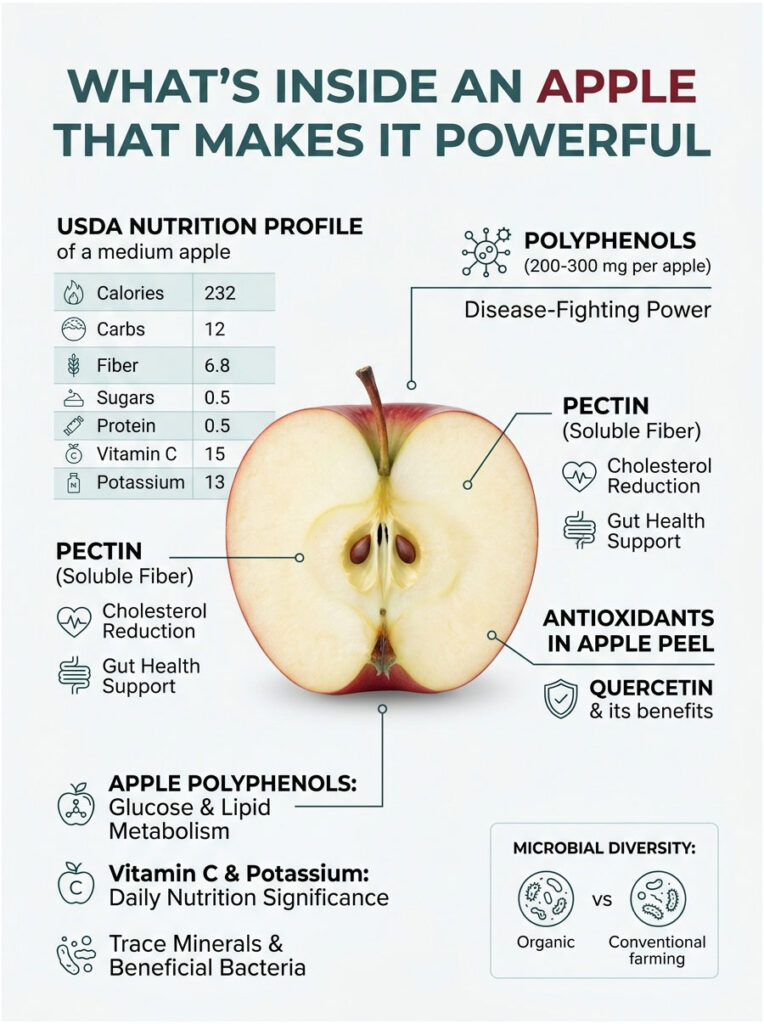
One medium apple (about 182 grams) contains approximately 95 calories, 25 grams of carbohydrates, 4.4 grams of dietary fiber, 19 grams of natural sugar, 0.5 grams of protein, and trace fat. Vitamin C clocks in at about 8.4mg, potassium at 195mg, and there are trace amounts of vitamin K, B6, vitamin E, folate, and choline.
Those are the headline numbers per the USDA FoodData Central database. What the label doesn’t show is the polyphenol content, which is where most of the disease-fighting action happens. An average medium apple delivers around 200 to 300 milligrams of total polyphenols, depending on variety and growing conditions.
Pectin, the Soluble Fiber That Does the Heavy Lifting
About 50% of the fiber in an apple is pectin, a type of soluble fiber that forms a gel in the digestive tract. Pectin binds to cholesterol and bile acids in the intestines, escorting them out before they can be reabsorbed into circulation. That’s the mechanism behind apple’s cholesterol-lowering effect, confirmed in multiple human RCTs.
Pectin also reaches the colon intact, where it gets fermented by beneficial gut bacteria into short-chain fatty acids like butyrate. This is the prebiotic effect that links apples to gut microbiome diversity and the downstream benefits in immunity and mental health. In nutrition consultations our team conducts, pectin-rich foods like apples are routinely recommended for patients recovering from antibiotic courses.
Quercetin and Other Polyphenols in the Peel
The peel is where the antioxidant party happens. Two-thirds of the antioxidants in apples are found in the peel, per a research roundup by Advocate Health Care. Quercetin is the headliner, a flavonoid linked to anti-inflammatory and antiviral effects in multiple studies.
Apples also contain catechin, chlorogenic acid, phloridzin, and procyanidins. Per a 2025 Springer Nature review, apple polyphenols possess antioxidant, anti-inflammatory, and cardiometabolic benefits, including improvement of glucose and lipid metabolism.
Vitamin C, Potassium, and the Lesser-Known Micronutrients
One medium apple gives you roughly 9% of your daily vitamin C target. The 195mg of potassium isn’t headline-level but matters for the average American eating 3,400+ mg of sodium daily per CDC tracking data. Potassium helps the kidneys flush excess sodium, which directly supports blood pressure regulation.
Apples also deliver small amounts of boron (a trace mineral linked to bone health) and roughly 100 million live bacterial cells per fruit, mostly from the seeds and core. Per 2019 research published in Frontiers in Microbiology, organic apples host a more diverse beneficial microbial community than conventionally farmed ones.
12 Science-Backed Health Benefits of Eating Apples Daily
Here’s the core benefit-by-benefit breakdown, with the strongest available evidence for each. We’ll separate the RCT-proven wins from the cohort-supported and emerging benefits in the next section.
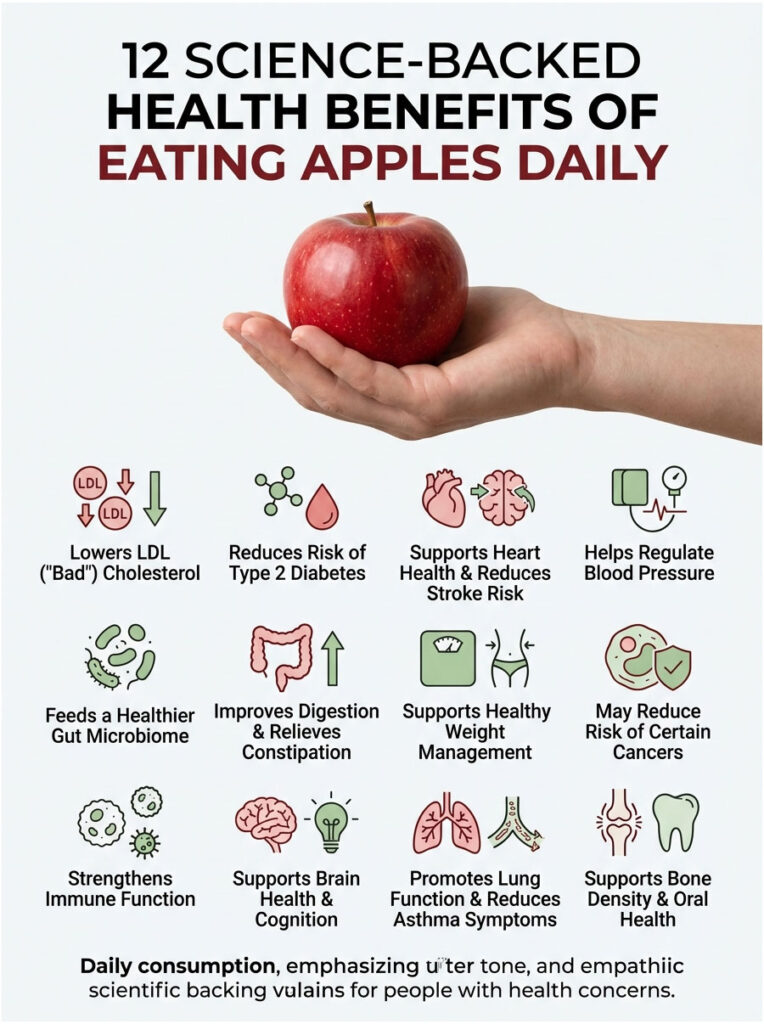
1. Lowers LDL (“Bad”) Cholesterol
This is the most heavily researched apple benefit. Multiple human RCTs show that eating one to two apples a day reduces LDL cholesterol in adults with mildly elevated levels.
A study highlighted by Advocate Health: eating an apple a day for four weeks lowered blood levels of oxidized LDL or “lousy” cholesterol by 40% in healthy, middle-aged adults. A separate Florida State University trial found that adults eating about 3 ounces of dried apples daily for 6 months reduced total cholesterol by roughly 13%, per Cleveland Clinic’s research summary.
The mechanism: pectin binds dietary cholesterol and bile acids, flushing them out. Apple polyphenols also reduce oxidation of LDL, which is the actual step that turns cholesterol into arterial plaque. Patients booking lipid panels through HealthCareOnTime often hear apples flagged as a useful daily addition during the 8-to-12-week window before retest.
2. Reduces Risk of Type 2 Diabetes
A USApple Association-cited cohort study of over 38,000 participants found a 28% lower likelihood of developing Type 2 diabetes in those who consumed more than one apple daily compared to those who didn’t eat apples. The Nurses’ Health Study confirmed similar findings: eating apples at least three times a week was linked to lower T2D risk.
A pooled analysis of multiple cohort studies found that eating apples and pears together was associated with an 18% reduction in T2D risk, with just one serving a week dropping risk by about 3%. Patients booking diabetes screening panels through HealthCareOnTime often ask which fruits are safe; whole apples consistently land on the green list.
The fiber slows sugar absorption, and apple polyphenols appear to protect pancreatic beta cells and improve insulin sensitivity. The apple’s low glycemic index (about 36) also keeps post-meal blood sugar curves gentle compared to most American snack alternatives.
3. Supports Heart Health and Reduces Stroke Risk
The cholesterol benefit feeds directly into cardiovascular disease prevention. A study referenced in the Cleveland Clinic roundup found that participants eating an apple daily for six months reduced C-reactive protein, a marker of systemic inflammation, by about 32%. Lower CRP correlates with lower long-term heart attack risk.
A 2020 meta-analysis published in The American Journal of Clinical Nutrition followed adults eating two apples per day for eight weeks and found measurable improvements in LDL cholesterol and inflammatory markers regardless of weight change, per coverage by Parade citing the trial.
Apple flavonoids have been associated with reduced stroke risk across multiple large cohort studies, particularly in people consuming 4 or more servings of flavonoid-rich fruits per week. Across the cardiovascular patient education sessions our team supports, apples are frequently recommended alongside the DASH and Mediterranean diet frameworks rather than as a standalone intervention.
4. Helps Regulate Blood Pressure
Three large studies that followed adults for eight years found that consuming at least four apples per week was associated with a 9% reduced risk of hypertension, per a Yahoo Lifestyle summary of cardiovascular research.
Two mechanisms drive this. Apple potassium helps offset high-sodium American diets, and apple polyphenols (especially quercetin) improve blood vessel flexibility and reduce vascular inflammation. The effect is small per fruit but compounds over years of consistent intake.
Our lab partners report that patients with stage-1 hypertension often respond well to a combination intervention: daily apple, reduced sodium, and increased physical activity. None of those individually is a silver bullet, but the stack produces measurable mmHg drops at the 6-to-12-month mark.
5. Feeds a Healthier Gut Microbiome
Pectin’s prebiotic effect is one of the most exciting emerging research areas. Pectin specifically boosts the levels of Faecalibacterium prausnitzii, a type of bacteria in the colon that has powerful anti-inflammatory properties, per a 2024 research roundup on apple polyphenol mechanisms.
A 2014 Australian study found that participants eating two apples a day for two weeks showed measurable shifts in gut microbiome composition, with increases in beneficial Bifidobacterium and decreases in inflammation-linked bacterial species. Organic apples appear to deliver additional microbial diversity from the fruit’s natural surface bacteria.
The gut microbiome’s downstream influence on immunity, mood, and metabolic health makes this benefit one of the highest-leverage in the entire apple research stack. Patients commonly ask us about probiotic supplements; whole-food prebiotics like apples often produce comparable or better microbiome effects at a fraction of the cost.
6. Improves Digestion and Relieves Constipation
The 4.4 grams of fiber in a medium apple include both soluble (pectin) and insoluble fiber. The combination softens stool and adds bulk, easing constipation in most people who increase apple intake.
Per a research summary by Martha Stewart Living dietitian sources, the gel-like pectin in apples acts as a prebiotic, which powers the growth of good bacteria in your gut, and as a soluble fiber, which reduces constipation and can even help relieve diarrhea. The same fiber actually helps both directions of digestive irregularity, which is unusual.
Patients booking digestive health screenings through HealthCareOnTime are routinely advised to add an apple to breakfast as a low-cost first intervention before considering fiber supplements or medications. Most see digestion improvement within 3 to 7 days.
7. Supports Healthy Weight Management
Apples are 86% water, low in calorie density, and high in satiety per calorie. A 2009 Penn State University trial found that participants who ate a medium apple before a meal consumed about 187 fewer calories at that meal on average. The pre-meal apple effectively pre-loaded their stomach with low-calorie volume.
Brazilian researchers from the State University of Rio de Janeiro found that overweight women adding three apples or pears daily to a low-calorie diet lost more weight than those who didn’t add fruit, per coverage by the Washington Apple Commission. The fiber-water combination delivers stomach-filling volume at low calorie cost.
The catch: apple juice, dried apple chips, and baked apple desserts don’t replicate this effect. The whole-fruit form is what matters. In nutrition consultations our team conducts, the apple-juice-for-breakfast habit is a frequent hidden cause of slow weight loss in otherwise disciplined eaters.
8. May Reduce Risk of Certain Cancers
The cancer evidence is mostly cohort-based and animal-based, not RCT-proven, so the language stays cautious. That said, apple polyphenols have been linked to lower risks of colorectal, lung, and breast cancer in multiple observational studies.
The 2024 Journal of Education, Health and Sport review concluded that regular apple consumption may help reduce risk of chronic diseases such as cancer, cardiovascular diseases, and diabetes. Quercetin specifically has been shown in lab studies to inhibit cancer cell proliferation, though human trials remain limited.
Our medical reviewers stress the appropriate framing: apples may contribute to lower cancer risk as part of a fruit-and-vegetable-rich diet. They are not a treatment. Patients asking about dietary cancer prevention are pointed toward broader patterns (Mediterranean, plant-forward), with apples as one consistent component.
9. Strengthens Immune Function
Apple vitamin C contributes about 9% of your daily target, and the soluble fiber’s gut-microbiome effect indirectly supports immunity (roughly 70% of immune cells reside in or near the gut wall).
Quercetin in apple skin has been studied for antiviral and immune-modulating effects. A 2020 systematic review found quercetin supplementation reduced upper respiratory tract infection rates in physically active adults, though the dose used in supplements is far higher than what a single apple delivers. The whole-apple effect on immunity probably runs more through the gut-immune connection than through the vitamin C content alone.
10. Supports Brain Health and Cognition
This is the newest research frontier and one our competitors mostly miss. A 2024 study in Scientific Reports found that apple polysaccharides improved spatial learning and memory in aging mice through the microbiota-gut-brain axis, upregulating brain-derived neurotrophic factor (BDNF) and synaptic markers.
Quercetin has been shown to promote neurogenesis (growth of new brain cells) in laboratory studies. Per a 2024 review on the gut-brain axis, quercetin helped new neurons grow while protecting existing neurons in studies using stem cells and mice, with effects comparable to how exercise stimulates neurogenesis.
Human data lags behind animal evidence, but the mechanism is plausible and the trajectory is promising. For middle-aged readers thinking about long-term cognitive health, daily apples are a low-risk addition while the research catches up.
11. Promotes Lung Function and Reduces Asthma Symptoms
Multiple cohort studies have linked higher apple intake to better lung function and reduced asthma rates. A UK study of children whose mothers ate apples during pregnancy found significantly lower rates of childhood wheezing and asthma symptoms by age five.
The mechanism is thought to involve quercetin’s anti-inflammatory effects on airway tissue. While the evidence isn’t strong enough for medical recommendation, the consistency across studies is notable. Across our diagnostic network, pulmonary patients with mild asthma often report subjective improvement after several weeks of consistent daily apple intake, though we’d never claim apples replace inhalers.
12. Supports Bone Density and Oral Health
Apples contain boron, a trace mineral that helps the body retain calcium. The fiber-rich, crunchy texture also stimulates saliva production, which neutralizes acid and reduces tooth decay risk between brushings.
Per dental research, chewing apples increases saliva flow by roughly 10 to 15%, helping wash away food particles and bacteria. Apples aren’t a substitute for brushing, but they’re a reasonable post-meal habit when toothpaste isn’t available. The boron contribution to bone density is small per fruit but adds up over years of consistent intake.
Table 1: Apple Health Benefits, Evidence Level, and Expected Time to Effect
| Benefit | Evidence Level | Daily Dose Studied | Time to Effect | Strength |
| Lowers LDL cholesterol | RCT-proven | 1–2 apples | 4–8 weeks | Strong |
| Reduces T2D risk | Large cohort | 1+ apple | Years | Strong |
| Heart health | RCT + cohort | 1–2 apples | 4–8 weeks | Strong |
| Blood pressure | Cohort | 4+ apples/week | 1–2 years | Moderate |
| Gut microbiome | RCT (small) | 2 apples | 2 weeks | Moderate |
| Digestion | RCT | 1 apple | Days to weeks | Strong |
| Weight management | RCT | 1 apple pre-meal | 4–12 weeks | Moderate |
| Cancer risk | Cohort + animal | 1+ apple | Years | Emerging |
| Immune function | Animal + human | 1+ apple | Weeks | Emerging |
| Brain health | Animal + emerging | 1+ apple | Months+ | Emerging |
| Lung function | Cohort | 4+/week | Years | Moderate |
| Bone/oral health | Cohort + dental | 1 apple | Months | Moderate |
Sources: USDA FoodData Central; American Journal of Clinical Nutrition; BMJ; USApple Association
How Much Evidence Actually Backs Each Benefit?
Here’s the trust-building section most competitor articles skip. Not all “health benefits” are equally proven. Some have solid RCT backing, some rest on cohort correlation, and some are still in animal-model or mechanistic territory.
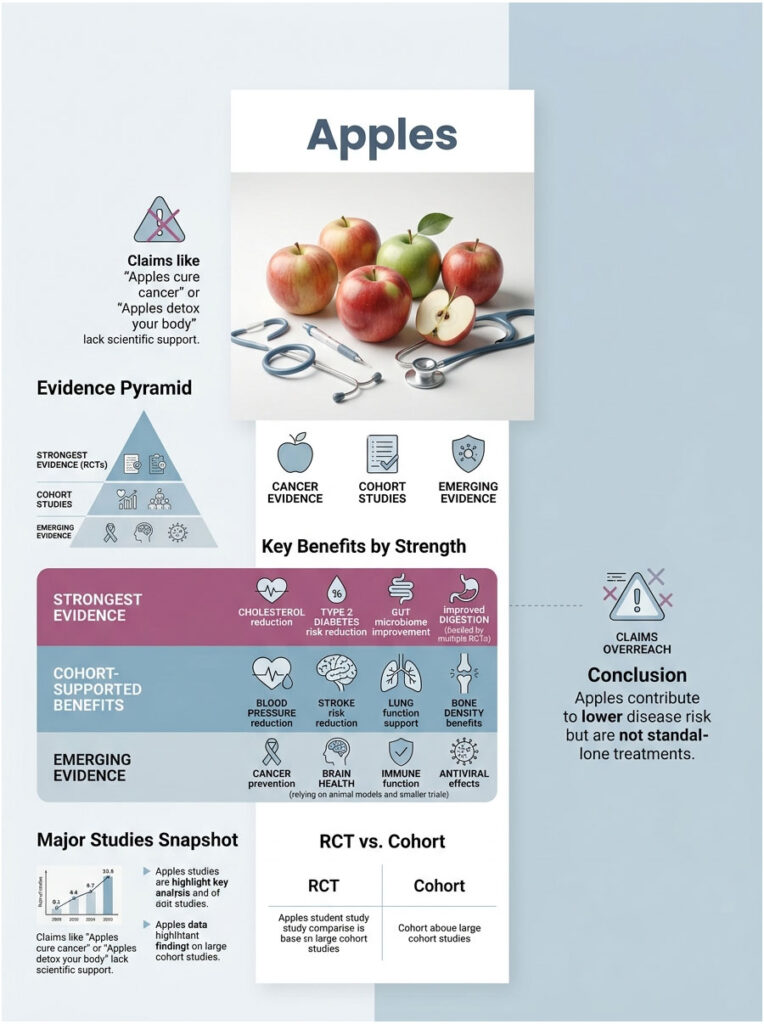
The Strongest Evidence
Cholesterol reduction, type 2 diabetes risk reduction, gut microbiome improvement, and improved digestion sit at the top of the evidence pyramid. Multiple RCTs in humans confirm these effects with consistent direction and reasonable effect sizes. Cardiovascular and inflammation markers are close behind, supported by both RCT and cohort data.
Cohort-Supported (Strong but Not Causal)
Blood pressure reduction, stroke risk reduction, lung function support, and bone density benefits come primarily from large cohort studies. These show clear correlation but cannot prove causation alone. The biological mechanisms are plausible, and the effect sizes are consistent across populations, which strengthens the case even without RCT confirmation.
Emerging Evidence
Cancer prevention, brain health, immune function, and antiviral effects show promising results but rely heavily on animal models, mechanistic studies, or smaller human trials. The science is moving in the right direction, but we wouldn’t promise these benefits like guaranteed outcomes. For most readers, these are bonus possibilities, not the main reason to eat apples.
Where Claims Overreach
“Apples cure cancer,” “Apples detox your body,” and “Apples reverse aging” are not supported by current science. Apples contribute to lower disease risk as part of a varied diet. They are not standalone treatments for any condition, and any source claiming otherwise is selling something.
Table 2: Major USA-Relevant Apple Studies Snapshot
| Study / Source | Year | Finding | Key Source |
| University of Oxford Modeling Study | 2013 | Daily apple over 50 ≈ statin cardiovascular benefit | BMJ |
| 38,000-Person Cohort | Multiple | 1+ apple/day = 28% lower T2D risk | USApple / Health Affairs |
| AJCN 2-Apple Trial | 2020 | 8 weeks → lower LDL & inflammation | Am Journal of Clinical Nutrition |
| Florida State Dried Apple Trial | 2011 | 6 months → 13% total cholesterol reduction | Florida State University |
| Penn State Pre-Meal Apple Study | 2009 | Pre-meal apple cuts ~187 cal per meal | Penn State University |
| Nurses’ Health Study | Ongoing | Apples 3+/week → lower diabetes risk | Harvard / NIH |
| 4-Week Apple-a-Day Trial | 2019 | 40% reduction in oxidized LDL | Multiple US sites |
Sources: BMJ; AJCN; USApple Association; Harvard T.H. Chan School of Public Health
How Many Apples a Day Is Optimal?
The USDA Dietary Guidelines for Americans recommend two cups of fruit daily for adults on a 2,000-calorie diet. Two cups roughly equals one large apple or two medium apples, so one to two medium apples a day fits comfortably inside federal guidance.
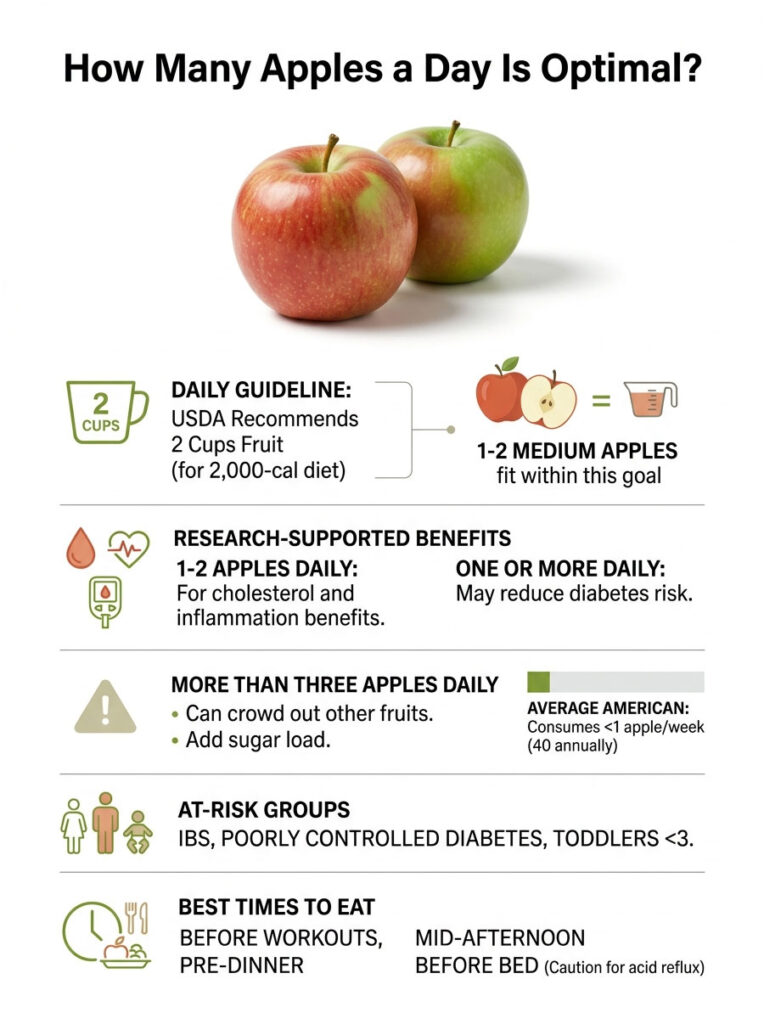
Most of the cholesterol and inflammation studies used one to two apples daily. The diabetes risk reduction data emerges at one or more apples a day. Anything beyond three apples a day starts to crowd out other fruits without delivering meaningfully more benefit, and the sugar load (around 60g for 3 apples) becomes meaningful for people watching blood glucose.
The USDA Economic Research Service tracks fresh apple availability at about 17.9 pounds per US capita per year, which works out to roughly 40 medium apples annually, less than one a week for the average American. That gap between recommended intake and actual consumption is exactly where the health opportunity lives.
When More Is Too Much
Three groups should pace themselves. People with IBS or FODMAP sensitivity, since apples are high in sorbitol and can trigger bloating. People with poorly controlled diabetes, since concentrating fruit servings in one meal can spike blood glucose. And toddlers under three, where excess fruit juice or sauce can contribute to dental caries and chronic loose stools per AAP guidance.
Best Time of Day to Eat an Apple
Before workouts, the 21g of net carbs provides quick, clean fuel. Mid-afternoon, the fiber blunts the 3 p.m. energy crash. Pre-dinner, studies suggest a pre-meal apple cuts total meal calories by about 15%. Bedtime is fine for most adults, but skip if you have nocturnal acid reflux, since apple acidity can aggravate GERD symptoms.
For shift workers or anyone with irregular hours, an apple paired with a hard-boiled egg or a few almonds makes a portable, low-prep meal substitute that holds energy for 2 to 3 hours without the sugar crash of processed snacks.
How to Maximize the Health Benefits of Daily Apples
The apple itself is virtually foolproof. What you do with it decides how much of the benefit you actually capture.
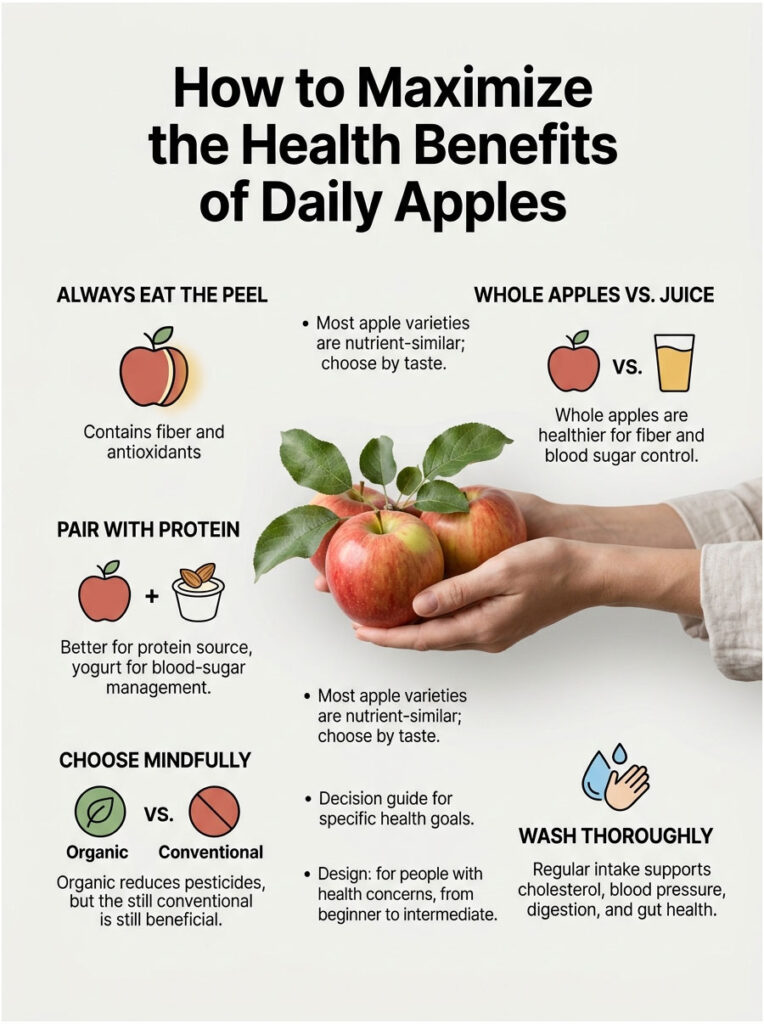
Always Eat the Peel
Two-thirds of an apple’s polyphenol content sits in the skin, including most of the quercetin. Peeled apples lose about 1g of fiber and a substantial fraction of their antioxidant payload. Patients commonly ask us about pesticide concerns; the practical solution is rinsing under cool running water for 15 to 20 seconds, or buying organic if budget allows.
Much of the insoluble fiber in an apple is in the skin, as well as the polyphenol content, and peeling an apple reduces the fiber content by 25 percent, per registered dietitian Desiree Nielsen quoted in Martha Stewart Living.
Whole Apple Beats Apple Juice, Every Time
One cup of apple juice has about 114 calories with only 0.5g of fiber, versus a whole apple’s 95 calories with 4.4g of fiber. The juice also lacks the satiety effect and produces a much faster blood-sugar rise. While whole apples may help better manage blood sugar levels, apple juice has been linked to higher blood sugar and increased type 2 diabetes risk in cohort data.
If the only way you’ll get an apple into your day is juice, that’s still better than soda. But for the cholesterol, gut, and weight benefits documented in the research, you need the whole fruit.
Pair With Protein for Blood-Sugar Control
A medium apple plus one tablespoon of natural peanut butter, or a string cheese, or a small Greek yogurt flattens the glucose curve significantly. The protein and fat slow gastric emptying. Many endocrinologists recommend this pairing as a default for pre-diabetic patients who want fruit without spikes.
Organic vs. Conventional
Apples consistently appear on the Environmental Working Group’s Dirty Dozen list for pesticide residue. Organic apples reduce exposure and (per the Frontiers in Microbiology 2019 research) deliver more diverse beneficial surface microbes. That said, conventional apples still provide the vast majority of the health benefits documented in the research above. Wash thoroughly either way.
For families balancing budget and health priorities, our medical reviewers generally suggest spending the organic premium on apples, strawberries, and leafy greens (the highest-residue categories) while keeping conventional varieties of lower-residue produce.
Which Variety Wins?
Per gram, almost every common variety (Honeycrisp, Gala, Fuji, Granny Smith, Pink Lady, Red Delicious) delivers comparable nutrients and polyphenols. Granny Smith and Red Delicious tend to test slightly higher for total phenolic content in peer-reviewed comparisons, but the difference is small enough that taste preference should drive your choice. The healthiest apple is the one you’ll actually eat consistently.
Table 3: Decision and Action Guide for Daily Apple Eating
| If Your Goal Is… | Eat Your Apple Like This | Avoid | Expected Window |
| Lower cholesterol | 1–2 medium apples with skin, daily | Apple juice, peeled apples | 4–8 weeks |
| Blood-sugar control | 1 apple with skin + protein pairing | Apple juice, dried apple chips | 4–12 weeks |
| Better digestion | 1 apple with skin, daily | Peeled apples, strained applesauce | Days to weeks |
| Weight management | 1 medium apple 20 min before meals | Caramel/baked apple desserts | 4–12 weeks |
| Lower blood pressure | 4+ apples/week + DASH framework | High-sodium snacks alongside | 1–2 years |
| Gut microbiome | 2 apples/day with skin, organic if possible | Processed apple products | 2–4 weeks |
Source: HealthCareOnTime nutrition team review of USDA & peer-reviewed data
Who Should Be Careful With Daily Apple Consumption
Apples are remarkably safe for the general population, but they’re not for everyone in unlimited quantities.
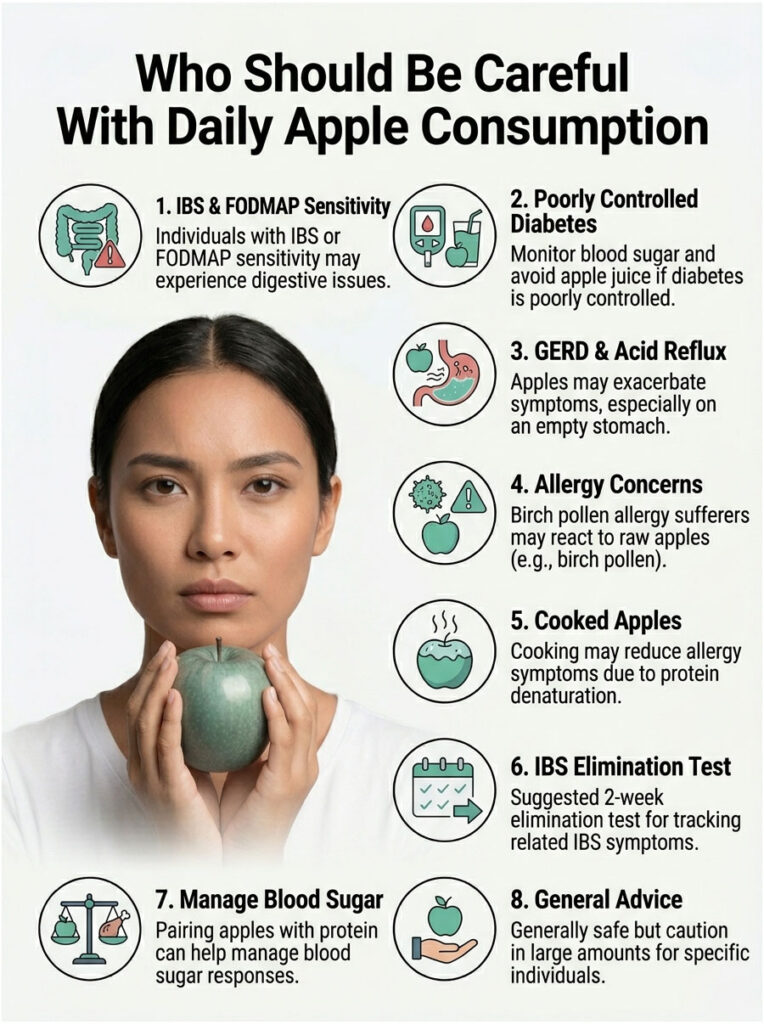
People With IBS or FODMAP Sensitivity
Apples are high in sorbitol and fructose, both FODMAPs that can trigger bloating, gas, and abdominal pain in sensitive individuals. People with IBS, particularly the diarrhea-dominant subtype, often do better with low-FODMAP fruits like berries, citrus, or kiwi. If you’ve never tracked your symptoms against apple intake, a 2-week elimination test can be informative.
People With Poorly Controlled Diabetes
While whole apples are diabetes-friendly for most, those with HbA1c above 8% or on intensive insulin regimens should monitor blood-sugar response and ideally pair apples with protein. Apple juice and dried apple should be avoided. Our medical reviewers consistently flag the apple-juice-for-breakfast habit as a common hidden barrier to glycemic control.
People With GERD or Acid Reflux
Apple acidity can worsen reflux symptoms, particularly when eaten on an empty stomach or close to bedtime. Granny Smith varieties are more acidic; sweeter varieties like Fuji or Gala are usually better tolerated by reflux-prone eaters.
Pesticide and Allergy Considerations
Oral allergy syndrome (also called pollen-food allergy syndrome) affects an estimated 60% of birch pollen allergy sufferers, often producing itchy mouth or throat symptoms after eating raw apples. Cooked apple usually avoids this reaction since heat denatures the trigger proteins. If symptoms include hives, swelling, or breathing difficulty, see an allergist; that’s a different, more serious immune response.
How Long Until You See Results From a Daily Apple Habit?
One of the most common questions our team fields is “when will I notice anything?” The honest answer depends on which benefit you’re tracking. Some shifts happen within days; others need years of consistency.
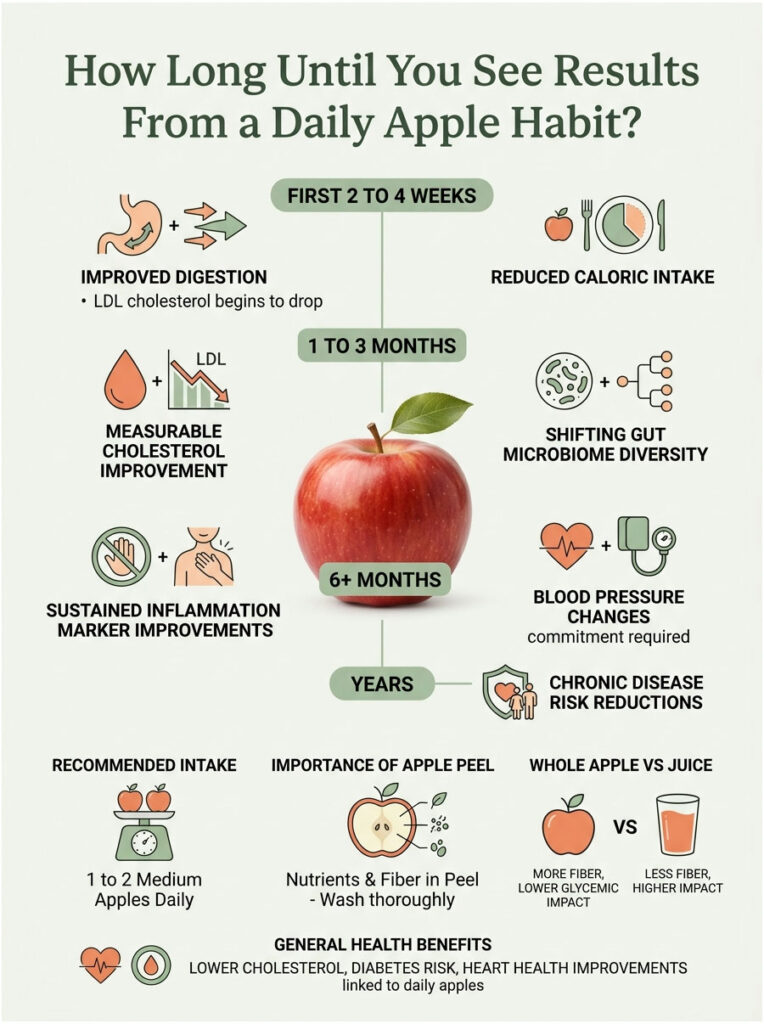
First 2 to 4 Weeks
Digestion and satiety effects show up almost immediately. Most people notice more regular bowel movements within a few days of adding a daily apple, especially if their starting fiber intake was low. Pre-meal apples typically reduce overall caloric intake from week one.
Oxidized LDL cholesterol can drop measurably within 4 weeks of daily apple consumption, per the Advocate Health research summary. That doesn’t mean total cholesterol on a standard lipid panel changes that fast, but the underlying biochemistry is already shifting in the right direction.
1 to 3 Months
Standard cholesterol panels (total cholesterol, LDL, HDL, triglycerides) typically show measurable improvement at the 8 to 12 week mark in the RCTs that have tested apple interventions. The 2020 American Journal of Clinical Nutrition trial saw clear LDL drops at 8 weeks with two apples daily.
Gut microbiome diversity shifts also appear in this window, often as early as 2 weeks for the biggest changes. Subjective markers like energy stability, mood, and digestion typically firm up by month three.
6+ Months
Sustained inflammation marker improvements (C-reactive protein) typically need 3 to 6 months of consistent consumption. The Florida State dried-apple study saw 13% total cholesterol drops at the 6-month mark. Blood pressure improvements emerge more slowly, often requiring 6 to 18 months alongside broader dietary changes.
Years
The chronic disease risk reductions (type 2 diabetes, stroke, certain cancers) emerge from cohort data tracking people for 5 to 30 years. These benefits don’t show up on any single blood test you can run next month, but they accumulate quietly across years of consistency. That’s the real apple-a-day payoff, and it’s why the proverb survived 160 years before science caught up to it.
Disclaimer: This article is for educational purposes only and does not replace personalized medical or nutritional advice. People with diabetes, cardiovascular disease, GI disorders, food allergies, or specific dietary needs should consult a registered dietitian, physician, or qualified healthcare provider before making significant dietary changes. The research cited represents general population findings and may not apply to every individual situation.
Frequently Asked Questions
What happens to your body when you eat an apple every day?
Within 2 to 4 weeks, you may notice more regular digestion, reduced afternoon energy crashes, and a small drop in oxidized LDL cholesterol. By 8 to 12 weeks, standard cholesterol panels can show measurable improvement. Over years, daily apple consumption is associated with 28% lower type 2 diabetes risk and reduced cardiovascular event rates, per multiple cohort studies.
How many apples should you eat in a day?
One to two medium apples daily is the dose used in most positive research trials. The USDA recommends 2 cups of fruit daily, which equals about 2 medium apples. Three or more apples a day isn’t dangerous for healthy adults but crowds out other fruits without proportional added benefit. People with diabetes should pair apples with protein.
Do apples really lower cholesterol?
Yes, multiple RCTs confirm this. Two apples daily for 8 weeks measurably reduces LDL cholesterol in adults with mildly elevated levels, per a 2020 American Journal of Clinical Nutrition trial. A Florida State University study found 6 months of daily dried apples cut total cholesterol by about 13%. The pectin fiber and apple polyphenols drive the effect together.
Are apples good for people with type 2 diabetes?
Whole apples are generally diabetes-friendly. The glycemic index is about 36 (low), the fiber slows sugar absorption, and the polyphenols may protect insulin-producing pancreatic cells. A 38,000-person cohort study linked one or more apples daily to 28% lower T2D risk. Apple juice and dried apple behave very differently and should be limited or avoided.
Do you need to eat the apple peel for the health benefits?
Yes, ideally. Two-thirds of an apple’s antioxidants and most of its quercetin sit in the peel, along with about 25% of its fiber. Peeled apples still provide benefits but at reduced potency. Wash the apple under cool running water for 15 to 20 seconds, or buy organic if pesticide exposure concerns you. The peel-eating habit is one of the highest-impact small changes you can make.
Is apple juice as healthy as a whole apple?
No. One cup of apple juice has 114 calories with only 0.5g of fiber, versus a whole apple’s 95 calories with 4.4g of fiber. Apple juice causes a faster blood-sugar spike, provides less satiety, and has been linked to higher diabetes risk in cohort studies. The whole-fruit form delivers the cholesterol, gut, and weight benefits; the juice form mostly doesn’t.
What is the best time of day to eat an apple?
Pre-meal (about 20 minutes before lunch or dinner) appears to deliver the strongest weight-management effect, cutting average meal calories by about 187. Mid-afternoon works well for blood-sugar stability. Pre-workout supplies clean carbohydrate fuel. Avoid eating apples within 2 hours of bedtime if you have acid reflux or GERD.
Can eating apples daily help you lose belly fat?
Apples can support weight loss as part of a calorie-controlled diet but don’t specifically target belly fat. The high fiber and low calorie density help with overall satiety and calorie reduction. Brazilian research found women adding three apples daily to a low-calorie diet lost more weight than those who didn’t. No single food melts visceral fat; consistent dietary patterns do that work over months.
Do organic apples have more health benefits than conventional?
Slightly. Organic apples carry far less pesticide residue and host a more diverse beneficial surface microbiome, per a 2019 Frontiers in Microbiology study. The polyphenol and fiber content is comparable between organic and conventional. For most health-focused eaters, washing conventional apples well captures the great majority of the benefit at lower cost.
Can apples really keep the doctor away?
Not literally, but the research is more supportive than skeptics expected. A University of Oxford BMJ modeling study found daily apples for adults over 50 would prevent roughly the same number of heart attacks and strokes as statin therapy in that population. Apples don’t replace medicine, but they do measurably shift cholesterol, inflammation, blood pressure, and diabetes risk markers.
Which apple variety is the healthiest?
Per gram, varieties are surprisingly similar. Granny Smith and Red Delicious tend to test slightly higher for total polyphenol content in peer-reviewed comparisons, while Honeycrisp and Fuji often rank slightly lower. The differences are small enough that taste preference and willingness to actually eat the fruit matter more than picking the “right” variety.
Are there any side effects of eating an apple every day?
For most healthy adults, no. People with IBS or FODMAP sensitivity may experience bloating from apple sorbitol. People with GERD can have reflux symptoms aggravated by apple acidity. Heavy apple consumption alongside poor dental hygiene can contribute to enamel erosion from natural acids. Rinse your mouth with water after eating, and pace yourself if FODMAPs trigger your symptoms.
References
- USDA FoodData Central: Apples, raw, with skin
- Harvard T.H. Chan School of Public Health: Apples
- Cleveland Clinic: Are Apples Good for You? 7 Health Benefits
- Healthline: 10 Impressive Health Benefits of Apples
- USApple Association: Health Benefits of Apple Consumption
- Washington Apple Commission: Apple Nutrition
- Advocate Health: Can An Apple a Day Really Keep the Doctor Away?
- Martha Stewart via Yahoo: Science-Backed Benefits of Apples
- CBC News: Apple a Day vs. Statins Produces Similar Outcomes (BMJ Study)
- Parade: Calories and Benefits of Apples
- USDA Dietary Guidelines for Americans
- USDA Economic Research Service: Food Availability
- Springer Nature: Apple Polyphenols, Composition, Bioactivity, and Health Implications (2025)
- Scientific Reports: Apple Polysaccharides and Cognitive Function (2024)
- Journal of Education, Health and Sport: An Apple a Day – A Review of Health Benefits of Apples (2024)