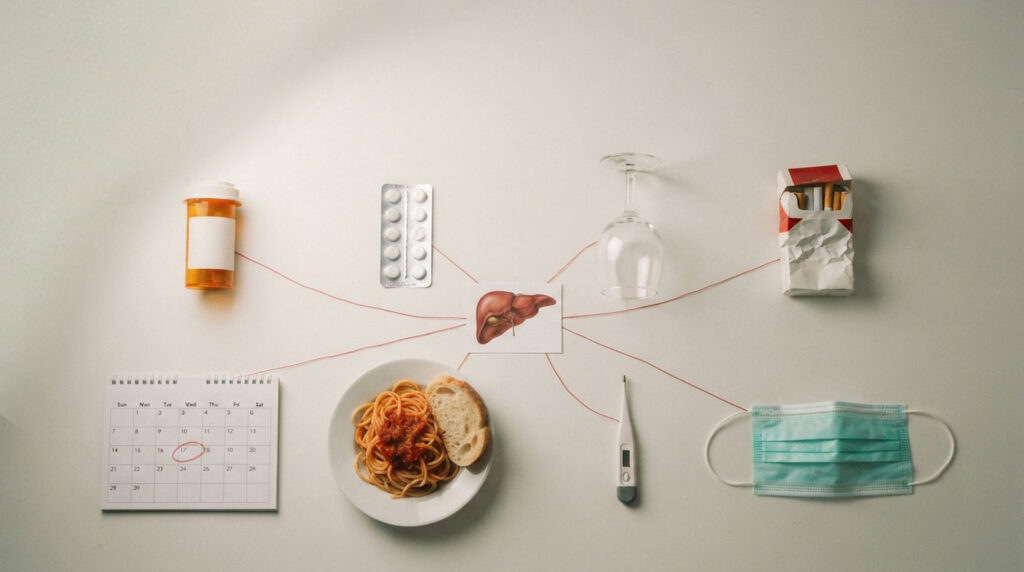
A 29-year-old walks into a US emergency room for the fourth time in two years, doubled over with abdominal pain that no scan explains. She has already lost an appendix and a gallbladder to the search for an answer.
What finally cracks the case is not another CT. It is one question about what she took, ate, or skipped in the 48 hours before the pain started.
Table of Contents
That question is the whole subject of this article.
Quick Answer
Acute hepatic porphyria attacks are set off by anything that pushes the liver enzyme ALAS1 into overdrive. The nine main triggers are porphyrinogenic medications, fasting or low-carbohydrate eating, hormonal shifts (especially luteal-phase progesterone), alcohol, smoking, recreational drugs, infections, surgery and anesthesia, and psychological stress. Most attacks involve several of these at once, and nearly all are preventable once the personal pattern is identified.
At a Glance
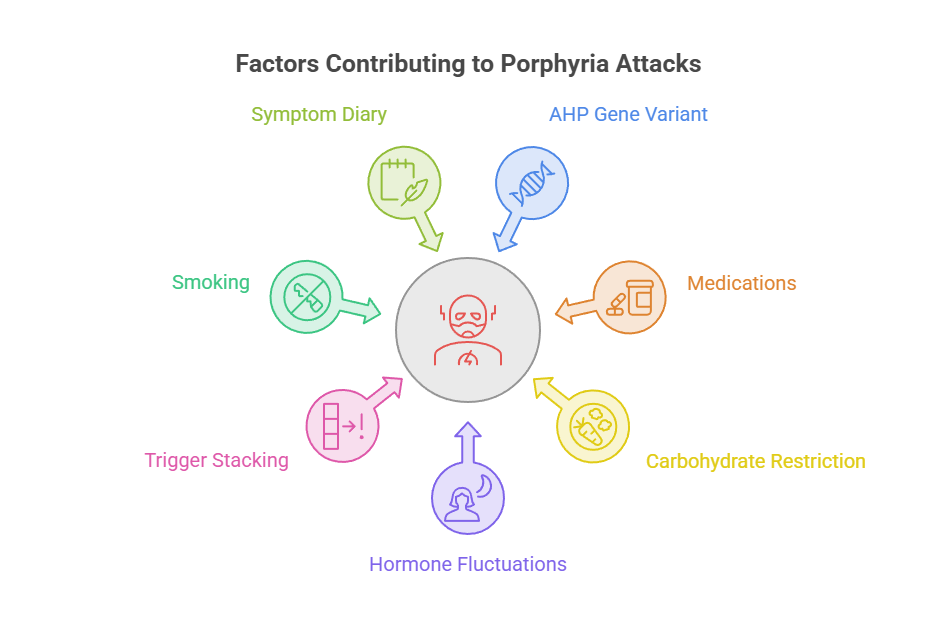
Carrying an AHP gene variant does not mean attacks are coming. Fewer than 1% of carriers in the general population ever have one.
Medications are the most common avoidable trigger, and many are ordinary prescriptions written by doctors who have never seen a porphyria case.
Carbohydrate restriction is a genuine medical risk. Patient guidance points to roughly 300 grams a day, more than double the general RDA.
Hormone-linked attacks cluster in the two weeks before menstruation, which is why cyclic patterns are so common in women aged 20 to 45.
Triggers stack. A skipped lunch plus a head cold plus a new antibiotic is far more dangerous than any one alone.
The May 2026 international guidelines added the first formal recommendation on smoking for this population.
A three-month symptom and food diary often tells a specialist more than another round of imaging.
The 9 Acute Hepatic Porphyria Triggers
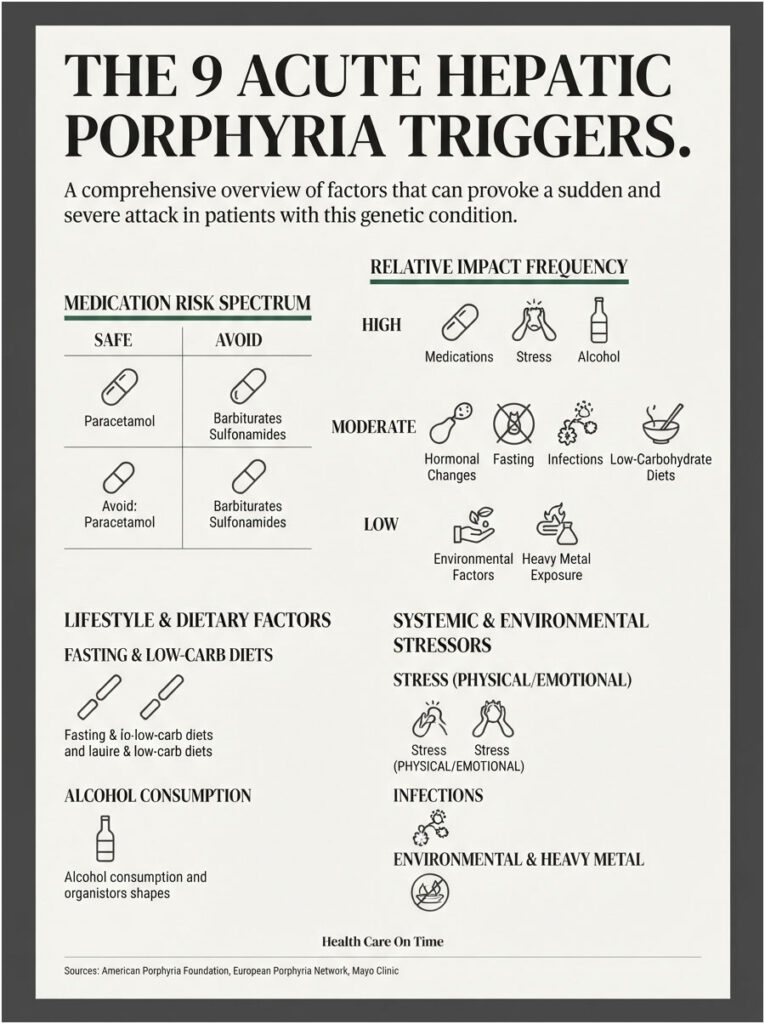
- Porphyrinogenic medications that induce cytochrome P450 enzymes
- Fasting and low-carbohydrate eating, including keto and extended fasting windows
- Hormonal shifts, especially rising progesterone in the luteal phase
- Alcohol, particularly binge patterns
- Smoking and nicotine
- Recreational drugs, including cocaine and amphetamines
- Infections, including influenza and COVID-19
- Surgery and anesthesia, combining preoperative fasting with unsafe agents
- Psychological stress and sleep loss
Every one of them works through the same biological switch. Understanding that switch makes the rest of the list make sense.
What a “Trigger” Actually Means in Acute Hepatic Porphyria
Acute hepatic porphyria (AHP) is a family of four inherited disorders of heme production in the liver. The four are acute intermittent porphyria (AIP), variegate porphyria (VP), hereditary coproporphyria (HCP), and ALAD-deficiency porphyria (ADP).
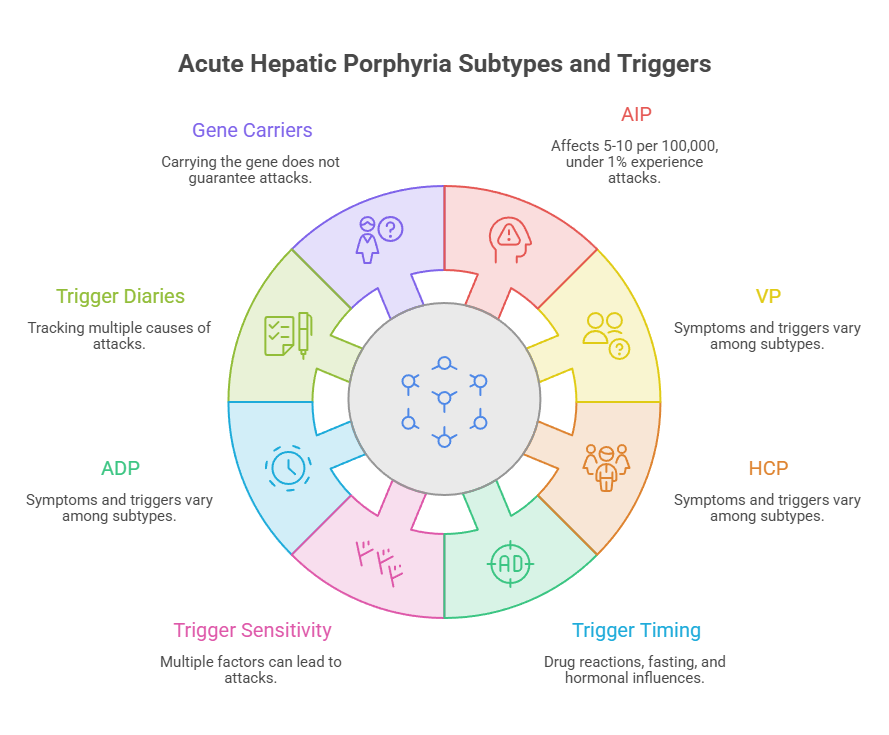
In each one, a single enzyme in the heme assembly line runs at reduced capacity. The pathway still works most of the time. It only breaks down when demand suddenly spikes.
The ALAS1 Switch, Explained Simply
Picture heme production as a factory with eight stations. In AHP, one station is permanently understaffed.
The first station, controlled by an enzyme called ALAS1, sets the pace for the entire line. When the liver senses it needs more heme, it turns ALAS1 up and pushes more raw material downstream.
In a healthy pathway, that extra material moves through and becomes heme. In AHP, the understaffed station cannot keep up, so two intermediates accumulate: delta-aminolevulinic acid (ALA) and porphobilinogen (PBG).
Those two compounds are what current evidence points to as the cause of nerve damage during an attack. Every trigger on this page reaches the same endpoint by a different route.
Our medical reviewers point out that this single mechanism explains something patients find genuinely confusing: why a prescription, a diet change, and a menstrual cycle can all produce identical symptoms.
Carrying the Gene Is Not the Same as Getting Attacks
This is the part that reassures most newly diagnosed families, and it deserves to come early.
Research published in Frontiers in Genetics puts AIP prevalence at 5 to 10 cases per 100,000 people, with acute attacks appearing in under 1% of the at-risk population. Within families that already have a diagnosed case, penetrance climbs to roughly 20%.
The American Porphyria Foundation estimates that 80% to 90% of people carrying an AIP, VP, or HCP variant stay symptom-free for life. Many of the remainder have only one or two attacks across decades.
That gap between genetics and symptoms is precisely where triggers live. Genes set the ceiling. Triggers decide whether anyone reaches it.
The Four Subtypes and How Trigger Sensitivity Differs
AIP is by far the most common acute form, accounting for roughly 80% of AHP cases. It produces neurovisceral attacks with no skin involvement at all.
VP and HCP can produce the same attacks plus blistering skin lesions on sun-exposed areas. VP has notably high prevalence in South Africa due to a founder effect, and HCP is the least common of the three.
ADP is extraordinarily rare, with fewer than a dozen documented cases worldwide. It is the only subtype inherited recessively.
Trigger avoidance is essentially identical across all four. The drug lists, carbohydrate guidance, and hormone precautions apply the same way regardless of which enzyme is affected.
How Fast a Trigger Becomes an Attack
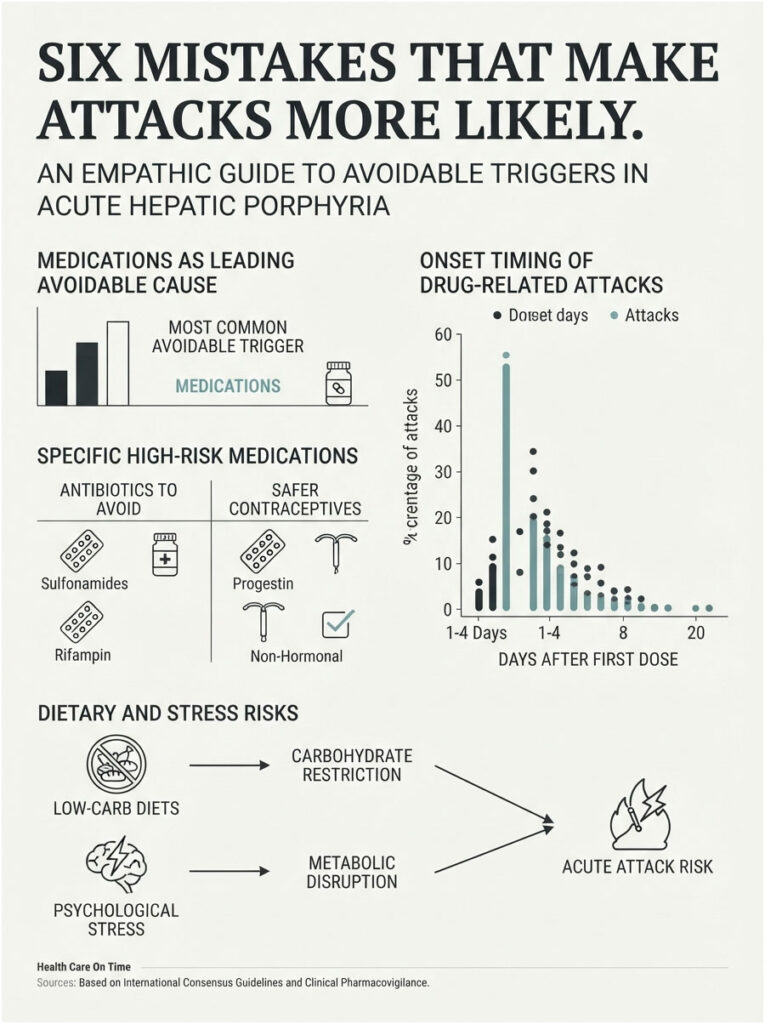
Timing varies, which is part of what makes self-tracking difficult. Drug reactions usually surface within a few days of the first dose.
Fasting effects can appear within 24 to 48 hours. Hormonal attacks follow the cycle and tend to land in the same week each month.
Reactions are also inconsistent between people and even between separate exposures in the same person. Taking an unsafe drug once without incident proves nothing about the next time.
Triggers Stack, and That Is the Part People Miss
In cases reviewed by our medical team, the single most common reporting error is naming one cause for an attack that had three.
A patient starts a new antibiotic on Monday, skips lunch Tuesday because of a work deadline, and is fighting a cold the whole week. Any one of those might have been survivable. Together they are not.
This is why trigger diaries beat memory. A single-cause story feels satisfying and is usually wrong.
Trigger 1: Medications, the Biggest Modifiable Risk
Prescription drugs cause more preventable attacks than any other category. The reason is chemical, not careless.
The liver uses cytochrome P450 (CYP450) enzymes to break down most medications, and those enzymes are built from heme. A drug that induces CYP450 activity forces the liver to consume its regulatory heme pool, which signals ALAS1 to accelerate.
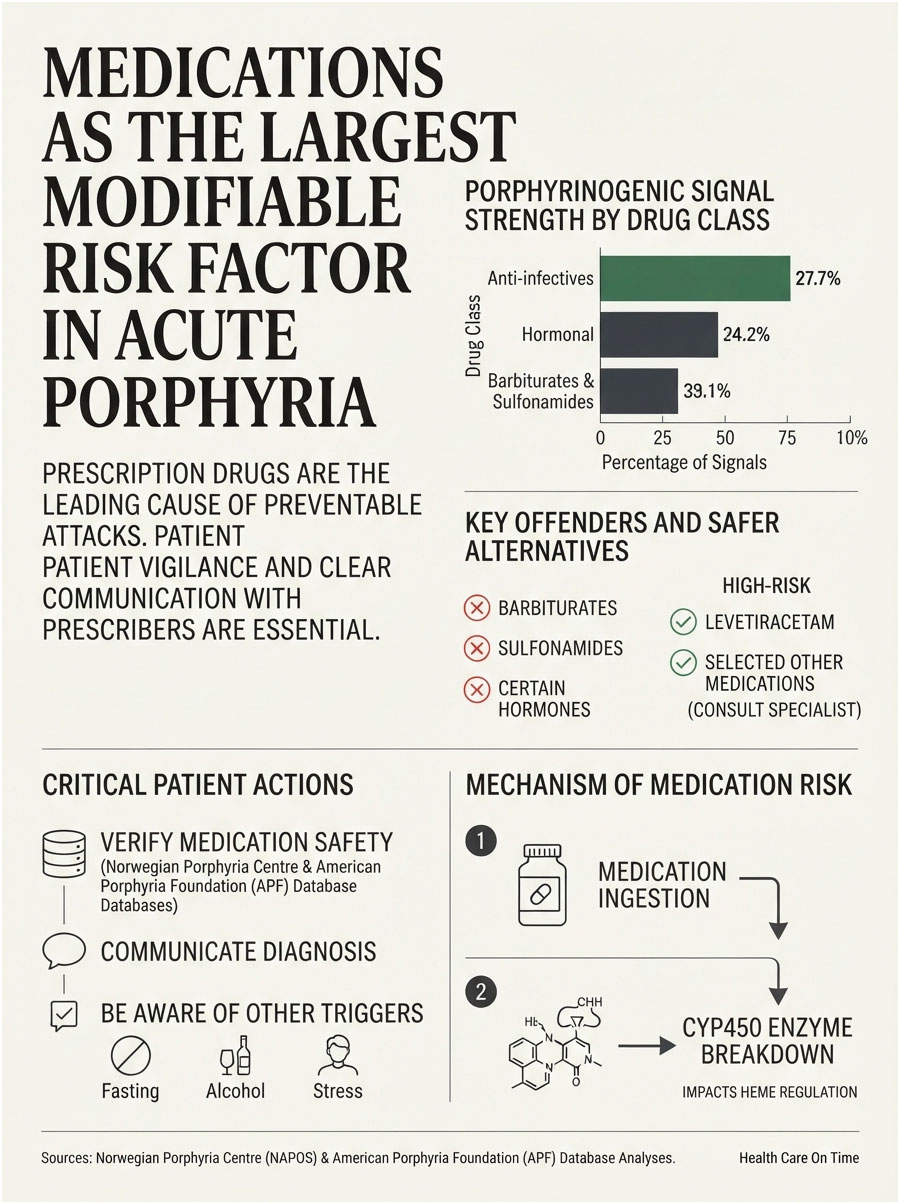
A pharmacovigilance analysis of the FDA Adverse Event Reporting System published in the Orphanet Journal of Rare Diseases screened more than 400 medications and flagged 52 with measurable porphyrinogenic signal. Anti-infectives accounted for the largest share of reports at 27.7%.
Anticonvulsants and Barbiturates
Barbiturates such as phenobarbital are the textbook example and among the strongest enzyme inducers known to medicine. Phenytoin, carbamazepine, and valproic acid also appear on avoid lists maintained by porphyria centers.
Safer alternatives exist for most patients. Levetiracetam and gabapentin are generally classified as acceptable, though every case still needs a specialist’s sign-off.
Seizures are themselves a documented feature of severe attacks, which makes this drug class uniquely awkward to manage.
Antibiotics and Antifungals
Sulfonamide antibiotics, including sulfamethoxazole-trimethoprim, are a well-recognized precipitant. Rifampin, used in tuberculosis treatment, is a potent CYP450 inducer.
Griseofulvin, an older antifungal, is another classic offender. Nitrofurantoin, commonly prescribed for urinary tract infections, appears on caution lists as well.
This matters more than it might seem. Urinary symptoms and abdominal pain often occur together in AHP, and the reflex prescription can worsen the exact episode it was meant to treat.
Hormonal Medications
Progestins and synthetic estrogens are frequent triggers. That covers many oral contraceptives, injected and implanted contraceptives, and some menopause hormone therapy.
Danazol and certain fertility stimulation protocols also carry risk. Patients booking hormone panels through HealthCareOnTime raise this question often, and the answer never changes: the decision belongs to a porphyria specialist, not to a general prescriber working from memory.
Over-the-Counter Products and Supplements People Overlook
The word “natural” carries no safety guarantee here. Herbal remedies, high-dose botanical extracts, and combination cold products are poorly studied and unpredictable.
St. John’s wort is a documented CYP450 inducer. Many multi-ingredient cough and cold formulas contain sedating antihistamines that appear on caution lists.
Metoclopramide, widely used for nausea and vomiting, is worth flagging separately. Nausea is itself an attack symptom, so this drug tends to be reached for at exactly the wrong moment.
Anesthetics and Procedural Drugs
Barbiturate-based induction agents are the historical concern in surgery. Some local anesthetics used in dentistry also appear on caution lists.
Safe protocols exist and are well documented. They simply have to be arranged in advance rather than improvised in a pre-op bay.
How to Check Any Drug in Under Two Minutes
Two free databases are the accepted standard, and both are open to patients as well as clinicians.
The Norwegian Porphyria Centre database classifies well over a thousand medications by risk grade and is the reference cited across current clinical literature. The American Porphyria Foundation drug database is the US-facing equivalent.
Check before the first dose, never after symptoms start. Bookmark one on your phone so it is available in a pharmacy line or an exam room.
What to Tell a New Prescriber
Most US clinicians will never see a porphyria patient in their careers. Assume the burden of information falls on you.
Say the diagnosis by name at the start of the visit, not at checkout. Ask for the drug name and dose in writing so it can be verified before the prescription is filled.
If a prescriber pushes back, asking them to check the database with you takes about ninety seconds and usually ends the disagreement.
Table 1: Acute Hepatic Porphyria Triggers Compared
| Trigger Category | How It Provokes an Attack | Typical Onset After Exposure | Risk Level | Safer Alternative or Workaround |
| Porphyrinogenic medications | Induce CYP450, depleting the regulatory heme pool and driving ALAS1 upward | 1 to 7 days after first dose | High | Verify every drug in the NAPOS or APF database before dosing; request a documented alternative |
| Fasting and low-carbohydrate eating | Removes the glucose signal that suppresses ALAS1 | 24 to 48 hours | High | Keep intake near 300 g carbohydrate daily; never go beyond 3 to 4 waking hours without food |
| Luteal-phase progesterone | Endogenous progesterone rises and induces ALAS1 | Predictable monthly, 1 to 2 weeks pre-period | High in cyclic patients | Track the cycle; discuss GnRH analog or prophylactic options with a specialist |
| Alcohol | Induces hepatic enzymes and adds metabolic load; binge pattern is worse than volume | Hours to 2 days | Moderate to high | Abstain during high-risk windows; avoid binge episodes entirely |
| Smoking and nicotine | Tobacco smoke contains compounds that induce CYP enzymes | Cumulative rather than acute | Moderate | Full cessation, now a formal recommendation in the 2026 IPNET guidelines |
| Infection | Inflammatory stress plus reduced oral intake and vomiting | 1 to 3 days into illness | Moderate to high | Early aggressive carbohydrate and fluid intake; verify any new antibiotic first |
| Surgery and anesthesia | NPO fasting orders combined with unsafe anesthetic agents | Perioperative, 24 to 72 hours | High | Written pre-op plan; IV dextrose during fasting; porphyria-safe anesthetic protocol |
| Psychological stress | Raises stress hormones and reliably disrupts eating and sleeping | Variable, days to weeks | Moderate | Protect meal timing and sleep first; treat stress management as clinical care |
Trigger 2: Fasting and Low-Carbohydrate Eating
Glucose does something in this condition that it does almost nowhere else in medicine. It directly suppresses the pathway that causes attacks.
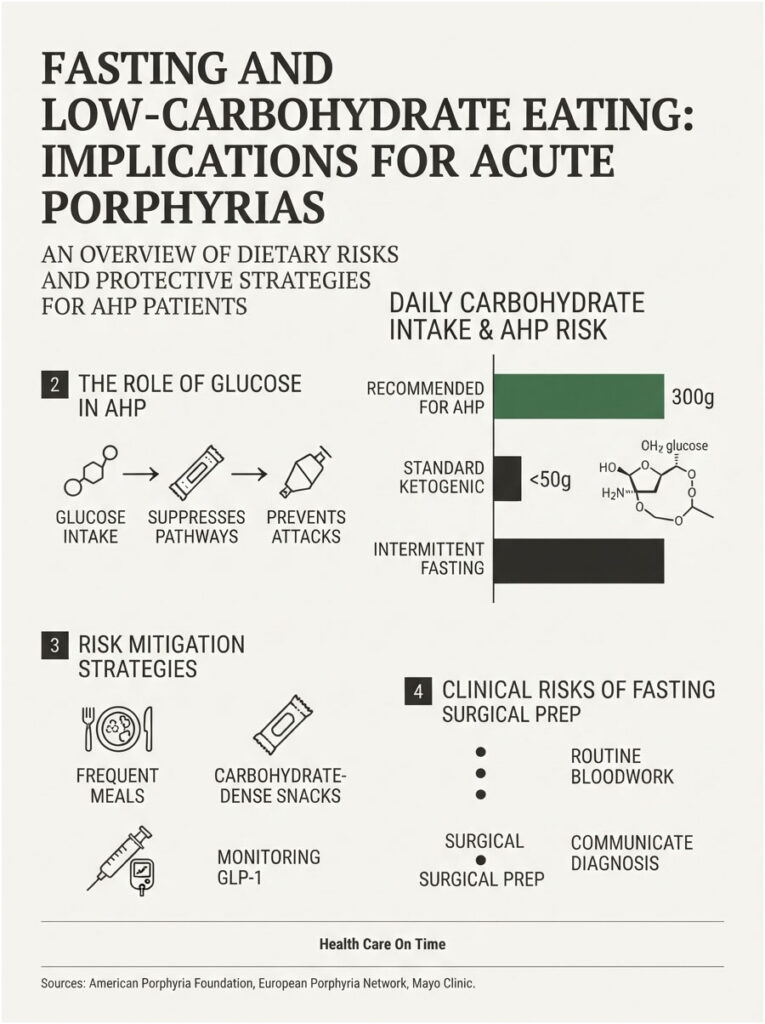
When carbohydrate intake drops, that suppression lifts and ALAS1 climbs. Crash diets, extended fasts, and ketogenic plans are therefore medical risks here, not lifestyle choices.
The 300-Gram Carbohydrate Floor
The number that matters is far higher than most people expect.
The American Porphyria Foundation points to roughly 300 grams of metabolizable carbohydrate per day for people with acute porphyrias.
For comparison, the general recommended dietary allowance for carbohydrate is 130 grams a day for adults and children over one year, according to guidance summarized by UCSF. The porphyria target is more than double the population baseline.
A standard ketogenic plan sits under 50 grams. The distance between those two figures is the entire problem in one line.
Keto, Intermittent Fasting, and Crash Diets
A Norwegian case-control study of 50 AIP patients found carbohydrate intake averaging just 40% of total energy, below what the condition calls for even without deliberate restriction.
Intermittent fasting deserves specific caution. A 16-hour eating window is popular and harmless for most people, but in AHP it means 16 hours without the glucose signal keeping the pathway quiet.
Weight loss is still achievable and sometimes medically necessary. It has to be gradual, clinician-supervised, and built on reduced fat and portion size rather than carbohydrate elimination.
Weight Loss Drugs and Bariatric Surgery
GLP-1 medications such as semaglutide and tirzepatide are not classified as porphyrinogenic. The risk they carry here is indirect and easy to overlook.
They work by suppressing appetite, and sharply reduced intake reproduces the fasting state. Nausea and vomiting, common in the first weeks of titration, compound it further.
Anyone with AHP starting one needs a deliberate carbohydrate plan and close monitoring from the first injection. Bariatric surgery raises the same concern permanently and belongs in a specialist conversation long before scheduling.
Fasting for Bloodwork, Colonoscopy, or Surgery
This is among the most preventable trigger scenarios in the entire condition. A routine instruction to fast overnight can be enough to start an attack.
Patients scheduling fasting lipid or glucose panels with HealthCareOnTime ask about this regularly, and the guidance is consistent: tell the ordering physician about the diagnosis in advance so the fasting window can be shortened or covered with IV dextrose.
Colonoscopy prep deserves the same planning conversation, since it combines a clear-liquid day with active fluid loss.
What a Protective Eating Pattern Looks Like
Consistency matters more than any particular food. Three meals plus two or three snacks, spaced so no waking gap exceeds three to four hours, is the practical shape most patients settle into.
Complex carbohydrates, fruit, dairy, and starchy vegetables all count toward the daily total. Keeping a carbohydrate-dense snack in a bag or car handles the unplanned delays that cause most accidental fasting.
A registered dietitian who has seen a porphyria case before is worth finding. Many have not, so ask directly.
Trigger 3: Hormones and the Menstrual Cycle
Hormonal triggers explain the most striking pattern in AHP epidemiology. According to Orphanet, roughly 80% of patients are women between the ages of 20 and 45.
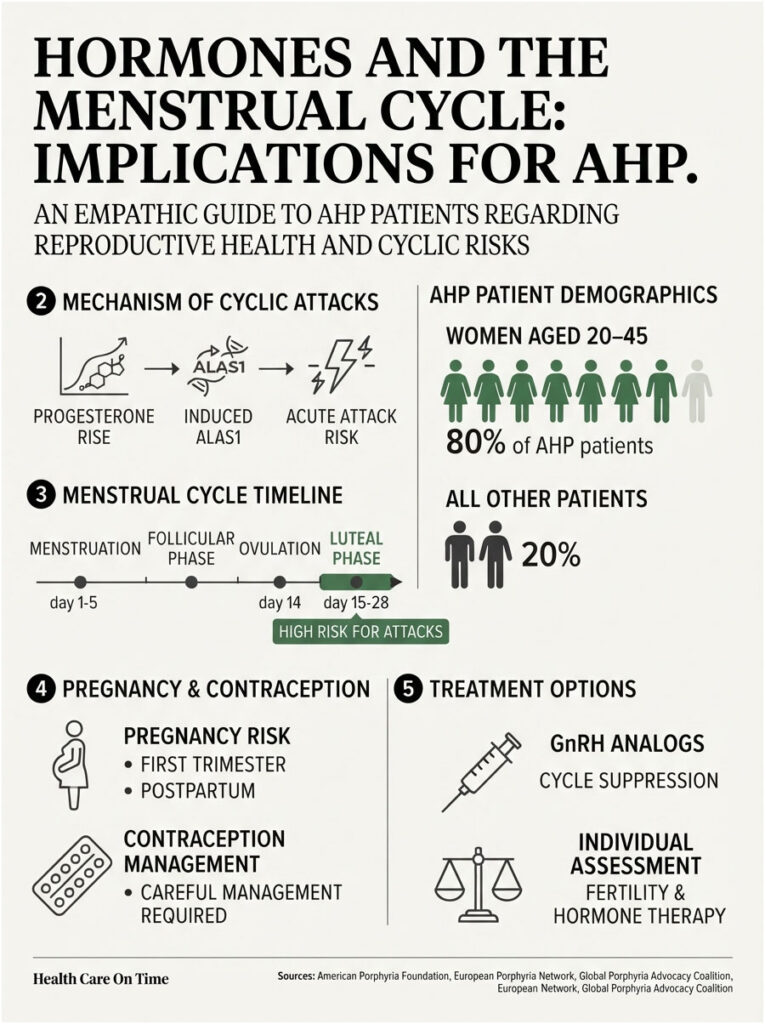
That is not a screening artifact. It maps directly onto the reproductive years.
Why Progesterone Is the Problem Hormone
Progesterone and its metabolites induce ALAS1. Estrogen has effects too, but progesterone carries the stronger association with acute attacks.
Progesterone rises during the luteal phase, the roughly two-week stretch between ovulation and menstruation. Attacks landing in that same window every month are described as cyclic attacks.
For some women the pattern is so reliable the calendar predicts the attack better than any lab result. Across the patients we serve, a documented three-month symptom calendar is often more useful to a specialist than another round of imaging.
Contraception, Fertility Treatment, and Menopause Therapy
Progestin-containing contraceptives, including implants and injections, appear on caution lists. Combined oral contraceptives are handled case by case.
Women with severe cyclic attacks are sometimes managed with GnRH analogs, which suppress the cycle entirely. That approach is specialist territory and carries its own trade-offs around bone density.
Menopause hormone therapy needs the same individual review. So does any fertility protocol involving hormonal stimulation.
Pregnancy and the Postpartum Window
Pregnancy raises attack risk, though most pregnancies in AHP proceed without serious complications when managed by a team that knows the diagnosis.
The higher-risk periods tend to be the first trimester, when nausea limits intake, and the postpartum stretch, when sleep loss and irregular eating collide. Hyperemesis gravidarum is a specific concern because it pairs vomiting with carbohydrate loss.
Triggers 4, 5, and 6: Alcohol, Tobacco, and Recreational Drugs
Alcohol
Alcohol induces hepatic enzymes and adds metabolic load to a liver already working around a bottleneck. It also tends to displace food, layering a fasting effect underneath.
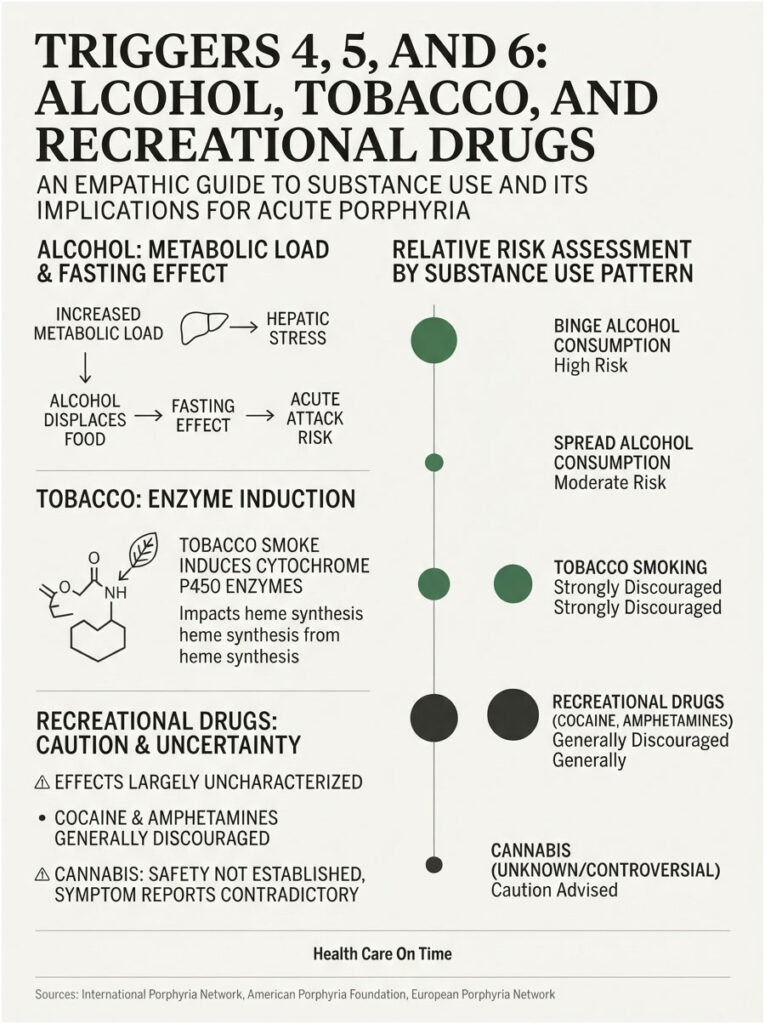
Binge pattern appears to matter more than total volume. A single heavy night carries more risk than the same quantity spread across a week.
Individual tolerance varies widely, and past tolerance predicts nothing about the next exposure. Most specialists recommend abstinence for anyone with a history of attacks.
Smoking and Nicotine
This is the newest formal guidance in the field. The International Porphyria Network guidelines, published in The Lancet Haematology in May 2026 by a panel of 34 specialists from 17 countries, issued a strong recommendation that all individuals with acute porphyria avoid smoking.
The panel was transparent about the evidence base. No clinical trial has tested smoking effects in this population directly, and the recommendation rests partly on the general health case for cessation.
The biological rationale is straightforward: tobacco smoke contains compounds that induce CYP enzymes, the same route porphyrinogenic drugs take.
Recreational Drugs
Recreational substances are largely uncharacterized in AHP, and unknown risk is not low risk. Cocaine and amphetamines are generally advised against.
Cannabis occupies an unresolved position. Case reports describe patients using it for symptom relief, and clinicians have noted openly that whether it induces ALAS1 is not known. The safest reading is that it has not been cleared.
Triggers 7, 8, and 9: Infection, Surgery, and Stress
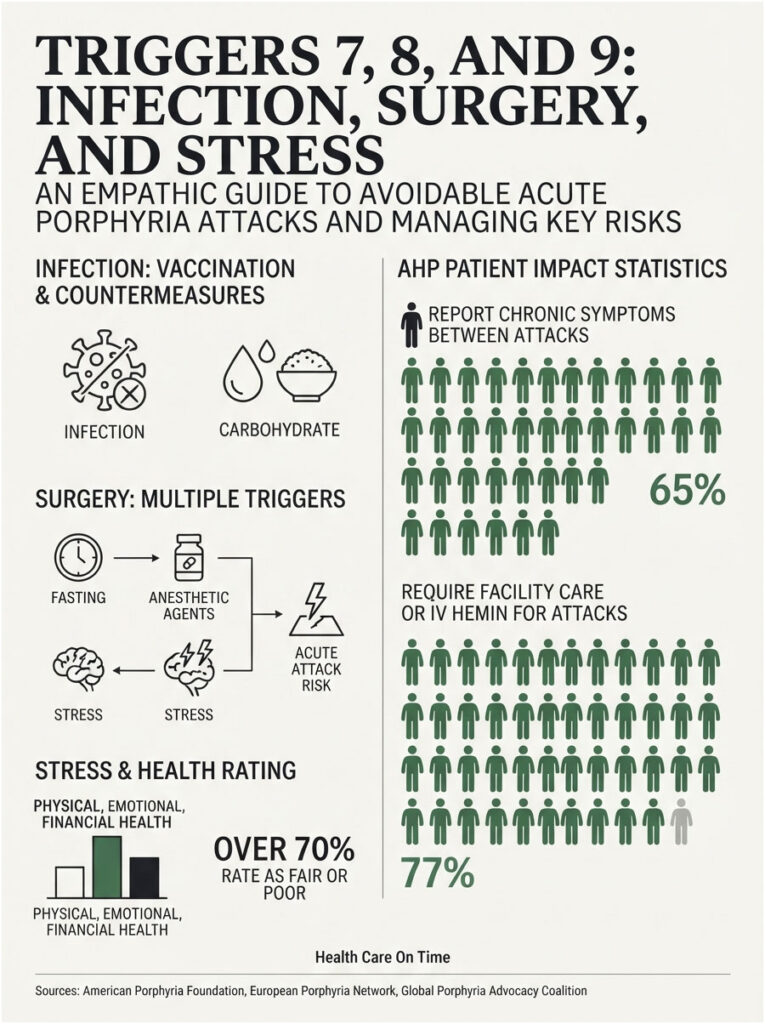
Infections, Including Flu and COVID-19
Infection is a double hit. The inflammatory response raises metabolic demand while illness suppresses appetite and, with gastrointestinal bugs, causes outright calorie and fluid loss.
Documented cases exist of acute intermittent porphyria attacks precipitated by COVID-19 infection. Seasonal influenza and stomach viruses follow the same logic.
The countermeasure is unglamorous and effective: increase carbohydrate and fluid intake at the first sign of illness instead of waiting to feel worse. Any prescribed antibiotic gets verified first.
Vaccination is a separate question with a reassuring answer. Licensed vaccines are generally considered safe in acute porphyria, and preventing the infection removes the trigger entirely.
Surgery and Anesthesia
Surgery stacks several triggers at once: preoperative fasting, anesthetic agents, surgical stress, and postoperative pain medication.
Tell the surgeon and the anesthesiologist at the consultation, not on the morning of the procedure. Ask specifically about IV dextrose coverage during the NPO period and about which anesthetic agents will be used.
The same applies to dental work. Local anesthetics and post-procedure pain medication both need checking, and dental offices are less likely than hospitals to have encountered the condition.
Psychological Stress and Sleep Loss
Stress is the trigger patients most often dismiss, partly because it feels unavoidable and partly because it resists measurement.
The mechanism is likely indirect. Stress raises cortisol and related hormones that influence hepatic metabolism, and it reliably disrupts eating and sleeping.
Heavy exercise loads and rotating shift work belong in the same category. Both interfere with meal timing more than most people notice until they track it.
A Note on Dehydration
Dehydration alone is not a classic trigger, but it travels with the ones that are: vomiting, heat exposure, extended exercise, and skipped meals.
Low blood sodium is also a recognized complication during attacks, which makes fluid strategy something to plan with a clinician rather than improvise.
Table 2: Acute Hepatic Porphyria by the Numbers
| Statistic | Figure | Population or Setting | Source |
| Share of diagnosed acute porphyria patients who are female | 81% (88 of 108) | US Porphyrias Consortium observational cohort | American Journal of Medicine, 2014 |
| Mean delay from first symptoms to diagnosis | 15 years | Same US cohort | American Journal of Medicine, 2014 |
| Attacks requiring facility care or IV hemin | 77% of 483 attacks | EXPLORE, 112 patients with recurrent attacks | Hepatology, EXPLORE study |
| Patients reporting chronic symptoms between attacks | 65%, with 46% daily | EXPLORE natural history study | Hepatology, EXPLORE study |
| Medications flagged with porphyrinogenic signal | 52 of 400+ screened | FDA Adverse Event Reporting System analysis | Orphanet Journal of Rare Diseases, 2024 |
| Estimated AIP prevalence | 5 to 10 per 100,000 | General population estimates | Frontiers in Genetics, 2024 |
| Patients rating physical, emotional, or financial health as fair or poor | Over 70% | POWER study, 92 patients across 6 countries including the US | Hepatology Communications |
How to Find Your Own Trigger Pattern
Published lists tell you what is possible. Only tracking tells you what is actually happening to you.
Sensitivity is deeply individual. One person reacts to a single missed meal; another rides through a stomach flu without incident.
Building a Trigger Diary That Works
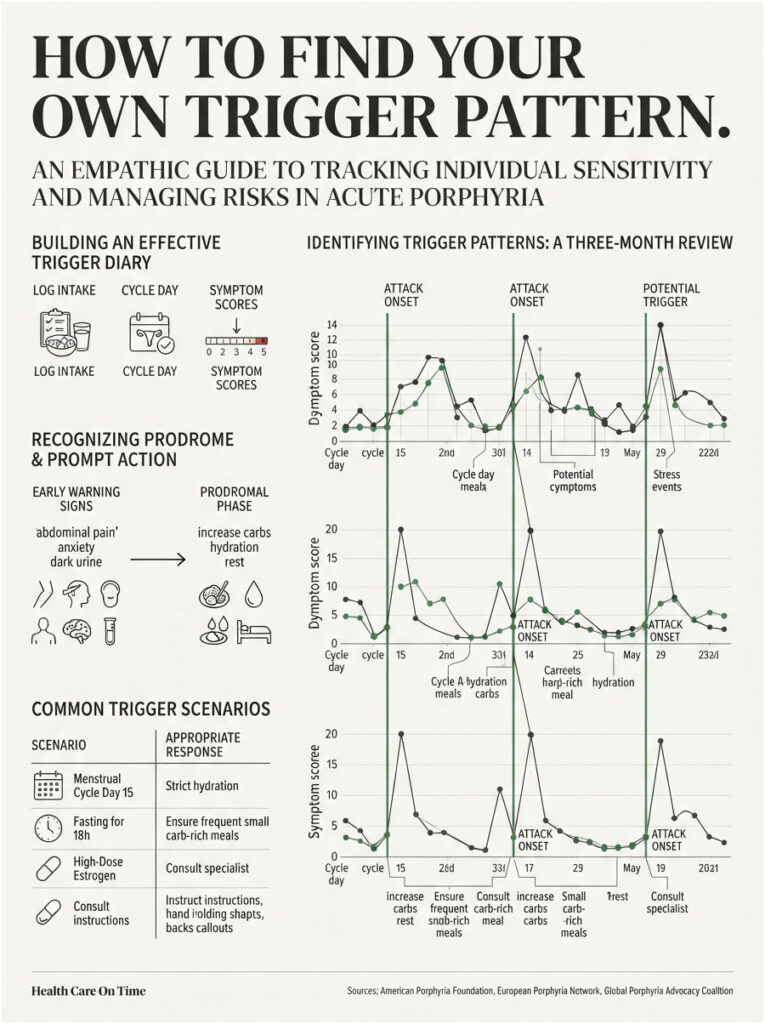
Keep it simple enough to sustain. Complexity is why most symptom diaries die in week two.
Log four things daily: everything taken by mouth including supplements, approximate carbohydrate intake, cycle day for menstruating patients, and a symptom score from zero to ten. Add a line for illness, alcohol, and unusual stress.
Review three months at a time, not three days. Associations that are invisible weekly become obvious quarterly.
Bring the log to appointments. A specialist reads a three-month calendar faster than a verbal history and will spot patterns the patient missed.
Early Warning Signs an Attack Is Building
Attacks rarely start at full intensity. Most patients eventually learn a personal prodrome.
Common early signals include restlessness or anxiety with no obvious cause, insomnia, mild abdominal discomfort, constipation, nausea, and darkened urine. Some people describe an unmistakable sense that something is wrong before pain arrives.
Acting during the prodrome is the highest-leverage move available. Increasing carbohydrate intake, hydrating, resting, and contacting the care team at this stage can shorten or abort an episode outright.
When Home Management Ends
Some presentations are not for home management under any circumstances. New muscle weakness, particularly in the arms or legs, is a red flag because it can progress toward respiratory involvement.
Seizures, confusion, hallucinations, inability to keep fluids down, and severe pain that is not responding all warrant emergency care immediately.
Table 3: What to Do in Common Trigger Scenarios
| Scenario | Risk Level | What to Do Next |
| A doctor unfamiliar with porphyria writes a new prescription | High | Do not take the first dose. Check NAPOS or the APF database, then call the prescriber with the finding and request an alternative in writing |
| Dentist proposes local anesthetic and post-op pain medication | Moderate | State the diagnosis before the appointment. Ask for both agents by name and verify them in advance |
| Considering keto, intermittent fasting, or a GLP-1 weight loss drug | High | Do not start unsupervised. Build a written carbohydrate plan near 300 g daily with a clinician before beginning |
| Surgery scheduled with overnight NPO orders | High | Notify surgeon and anesthesiologist at consultation. Request IV dextrose coverage during fasting and a porphyria-safe anesthetic protocol |
| Flu or stomach bug with vomiting and poor intake | Moderate to high | Increase carbohydrate and fluids immediately. Contact the care team if intake cannot be maintained beyond 12 hours |
| Dark or reddish urine plus abdominal pain | High | Contact the porphyria specialist same day. This combination suggests an attack in progress and warrants urine PBG testing |
| Abdominal pain with new weakness in arms or legs | Emergency | Go to the ER now. Carry the diagnosis card. Neurological involvement can progress to respiratory compromise |
| Abdominal pain recurring in the same week each month | Moderate | Log three full cycles, then bring the calendar to a specialist to discuss cyclic-attack management |
Preventing Attacks: What the Evidence Supports
Trigger Avoidance as First-Line Management
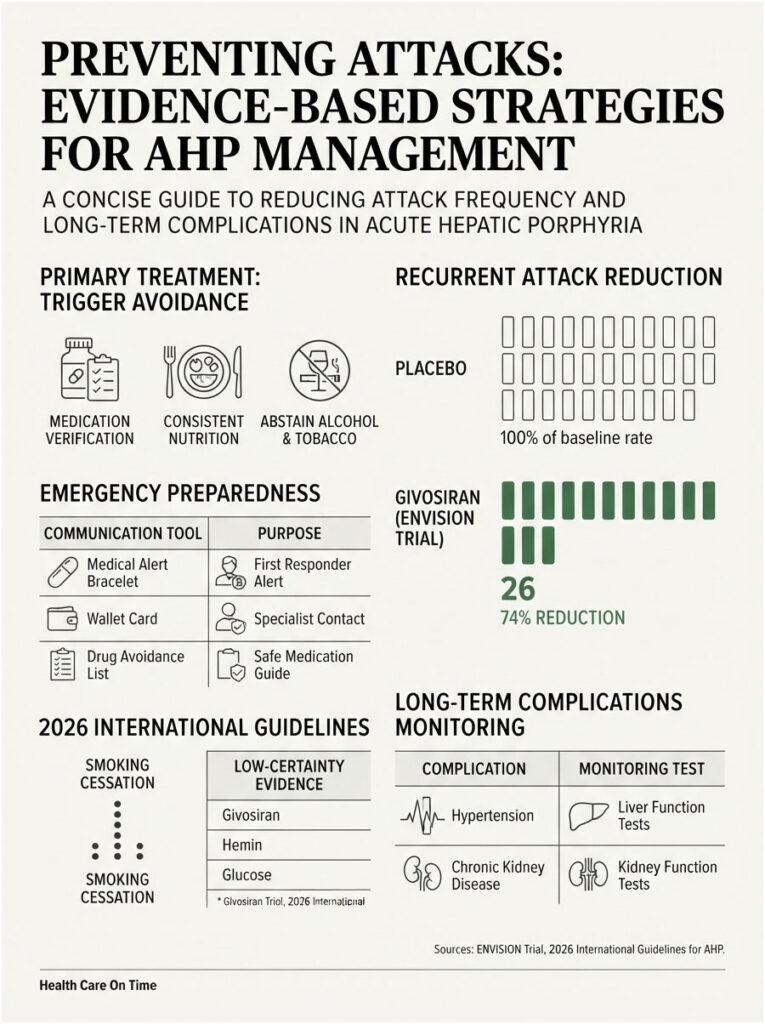
For most people with AHP, careful avoidance is the entire treatment plan and it works. Attacks are uncommon among patients who verify every medication, eat consistently, and stay off alcohol and tobacco.
That deserves stating plainly, because the clinical literature is written largely about the minority with recurrent attacks and reads as more alarming than the typical experience.
Medical Alert ID and a Written Emergency Plan
Attacks impair thinking. Confusion and altered mental status are documented features, which means the plan has to function without the patient explaining it.
Wear a medical alert bracelet or necklace naming the diagnosis. Carry a wallet card listing the specialist’s contact details, the subtype, and a short list of drugs to avoid.
Give a copy to whoever is most likely to be present during an attack. Emergency departments unfamiliar with porphyria move far faster with a document in hand than with a story.
Hemin, IV Glucose, and Givosiran
Acute attacks are treated with IV hemin, which restores the liver’s regulatory heme pool and shuts ALAS1 back down. Glucose loading is used for milder episodes.
For patients with recurrent attacks, givosiran (marketed as Givlaari) was approved by the FDA in 2019. It is an RNA interference therapy that silences hepatic ALAS1 directly, and the phase 3 ENVISION trial reported a 74% lower annualized attack rate versus placebo at six months.
Long-term ENVISION data published in the Journal of Hepatology showed a median annualized attack rate of 0.4 through 36 months.
Starting givosiran does not end trigger avoidance. It lowers baseline risk; it does not make unsafe drugs safe.
What the 2026 International Guidelines Changed
The IPNET recommendations published in The Lancet Haematology in May 2026 are the first global evidence-graded guidance for this condition. The panel produced 15 recommendations spanning attack prevention, sporadic and recurrent attack management, and long-term care.
Two points stand out for patients. The smoking recommendation is now formal and strong. And the panel was candid that much of the guidance rests on low-certainty evidence, which is an honest reflection of how thin the trial base is in a disease this rare.
For US patients, the AGA Clinical Practice Update remains the domestic reference point. It flags that AHP should be considered in any patient, especially women aged 15 to 50, with recurrent severe abdominal pain not explained by common causes.
Monitoring and Testing
Long-term complications of AHP include hypertension, chronic kidney disease, liver disease, and hepatocellular carcinoma. Periodic monitoring is standard care even during symptom-free stretches.
That typically means liver function testing, kidney function testing, and blood pressure checks on a schedule set by the specialist. Random urine PBG and ALA corrected to creatinine are the screening tests of choice when an attack is suspected.
Our lab partners note that PBG samples must be protected from light between collection and analysis, which is a small handling detail that invalidates results more often than most patients realize.
Six Mistakes That Make Attacks More Likely
- Assuming over-the-counter means safe. Pharmacy shelf products and herbal supplements are not screened for porphyria risk. Check them the same way as prescriptions.
- Relying on memory instead of the database. Drug classifications get revised. A two-minute lookup costs less than an ER visit.
- Letting a busy day eat a meal. Skipping lunch is the most common trigger nobody reports, because it never feels like a medical event.
- Treating stress as a personality problem. Sleep debt and chronic stress are physiological triggers here, not character flaws.
- Telling only one doctor. The dentist, the urgent care clinician, and the specialist who prescribed something two years ago all need to know.
- Relaxing avoidance after starting preventive therapy. Givosiran reduces attack frequency substantially. It does not remove the need to verify drugs or eat consistently.
Frequently Asked Questions
What is the most common trigger of an acute porphyria attack?
Medications are the most common avoidable trigger. Drugs that induce cytochrome P450 enzymes, including barbiturates, sulfonamide antibiotics, rifampin, and certain anticonvulsants, force the liver to consume heme and push ALAS1 upward. Fasting and hormonal shifts follow closely, and most real-world attacks involve more than one trigger acting together.
How long after a trigger does an attack usually start?
Drug-related attacks typically begin within a few days of the first dose. Fasting effects can appear within 24 to 48 hours. Hormonal attacks follow the menstrual cycle and cluster in the one to two weeks before a period. Response varies between individuals and between separate exposures in the same person.
Can a keto or low-carb diet trigger acute hepatic porphyria?
Yes, and this is one of the clearest dietary risks in the condition. Glucose suppresses ALAS1, so carbohydrate restriction removes that brake. Patient guidance points toward roughly 300 grams of carbohydrate daily, while a standard ketogenic plan sits below 50 grams. Weight loss should be gradual and clinically supervised.
Which antibiotics should people with acute porphyria avoid?
Sulfonamide antibiotics such as sulfamethoxazole-trimethoprim, rifampin, and nitrofurantoin appear on caution or avoid lists at porphyria centers. Griseofulvin, an antifungal, is another recognized precipitant. Safe alternatives exist for nearly every infection. Verify any antibiotic in the NAPOS or American Porphyria Foundation database before the first dose.
Can birth control pills cause a porphyria attack?
Progestin-containing contraceptives, including pills, implants, and injections, are associated with attacks because progesterone induces ALAS1. Combined estrogen-progestin products are handled case by case. Non-hormonal options such as copper IUDs and barrier methods sidestep the issue. This decision belongs with a porphyria specialist rather than a general prescriber.
Does alcohol always trigger an attack?
No, and that unpredictability is part of the danger. Alcohol induces hepatic enzymes and displaces food intake, but tolerance varies widely between people and between occasions. Binge drinking carries more risk than the same volume spread over time. Most specialists recommend abstinence for anyone with a history of attacks.
Is smoking dangerous with acute hepatic porphyria?
The International Porphyria Network’s May 2026 guidelines issued a strong recommendation that everyone with acute porphyria avoid smoking. Tobacco smoke contains compounds that induce CYP enzymes, the same pathway porphyrinogenic drugs use. The panel noted the direct evidence is limited and based the recommendation partly on the general health benefits of cessation.
Can stress alone cause a porphyria attack?
Psychological stress is a recognized trigger, though it rarely acts alone. It raises hormones affecting liver metabolism and reliably disrupts eating and sleeping, which introduces fasting as a second trigger. Protecting meal timing and sleep during high-stress periods is often more protective than stress reduction techniques by themselves.
Are GLP-1 weight loss drugs safe with acute hepatic porphyria?
Semaglutide and tirzepatide are not classified as porphyrinogenic, but they carry indirect risk. They suppress appetite sharply and commonly cause nausea, which can reproduce a fasting state. Anyone with AHP considering one needs a written carbohydrate plan and close clinical monitoring before starting, not after symptoms appear.
Can an infection like flu or COVID-19 trigger an attack?
Yes. Documented cases exist of acute intermittent porphyria attacks precipitated by COVID-19. Infection raises metabolic demand while illness reduces food intake, combining two triggers at once. Increasing carbohydrate and fluid intake at the first sign of illness helps. Vaccines are generally considered safe and prevent the infection driving the risk.
Is it safe to fast before surgery or a blood test?
Standard fasting instructions need adjusting. Overnight NPO orders before surgery can precipitate an attack, and colonoscopy prep combines fasting with fluid loss. Tell the ordering physician about the diagnosis in advance so the window can be shortened or covered with IV dextrose. The same applies to fasting lab panels.
If I carry the gene but have never had an attack, do I still need to avoid triggers?
Most carriers never develop symptoms, and trigger avoidance is what keeps many of them in that group. Latent carriers are generally advised to avoid porphyrinogenic drugs, maintain steady carbohydrate intake, and skip alcohol excess and smoking. Full lifestyle restriction is usually unnecessary. Discuss the appropriate level with a specialist.
Medical Disclaimer
This article is for general information and does not replace advice from a licensed physician. Acute hepatic porphyria is a rare condition requiring specialist management, and trigger sensitivity varies substantially between individuals. Never start, stop, or change any medication, diet, or hormonal therapy based on this content alone. Always verify drug safety in a recognized porphyria database and consult your care team. If you are experiencing severe abdominal pain, muscle weakness, seizures, or confusion, seek emergency care immediately.
References
- Guidelines for the management of acute porphyria: recommendations from the International Porphyria Network, The Lancet Haematology, May 2026
- AGA Clinical Practice Update on Diagnosis and Management of Acute Hepatic Porphyrias: Expert Review
- Acute Porphyrias in the USA: Features of 108 Subjects from Porphyrias Consortium, American Journal of Medicine
- EXPLORE: A Prospective, Multinational, Natural History Study of Patients with Acute Hepatic Porphyria with Recurrent Attacks, Hepatology
- Drug-associated porphyria: a pharmacovigilance study, Orphanet Journal of Rare Diseases
- Phase 3 Trial of RNAi Therapeutic Givosiran for Acute Intermittent Porphyria, New England Journal of Medicine
- Efficacy and safety of givosiran for acute hepatic porphyria: final results of the ENVISION trial, Journal of Hepatology
- Acute intermittent porphyria: a disease with low penetrance and high heterogeneity, Frontiers in Genetics
- Acute Intermittent Porphyria, GeneReviews, NCBI Bookshelf
- Diet Information for All Porphyrias, American Porphyria Foundation
- About Porphyria, American Porphyria Foundation
- NAPOS Drug Database for Acute Porphyria, Norwegian Porphyria Centre
- Acute Hepatic Porphyria, Cleveland Clinic
- Porphyria, UCSF Department of Surgery
- Lifestyle factors including diet and biochemical biomarkers in acute intermittent porphyria, Molecular Genetics and Metabolism
- Quantifying the impact of symptomatic acute hepatic porphyria on well-being (POWER study), Hepatology Communications
- Acute hepatic porphyria, Orphanet
- Not So Benign: Acute Hepatic Porphyria, The Hematologist, American Society of Hematology