There’s a number printed on nearly every sweet potato article online: one cup delivers more than 200% of your daily vitamin A. That number is accurate. It’s also close to useless if you eat your sweet potato plain.
Table of Contents
The gap between what a sweet potato contains and what your body absorbs from it is the most important thing on this page, and almost nobody covers it. So let’s go through what actually holds up in human research, then get to the preparation detail that changes the math.
Quick Answer
Sweet potatoes have benefits proven in human trials for vitamin A status, blood sugar and HbA1c, insulin sensitivity, blood pressure, triglycerides, body weight, gut regularity, liver enzyme markers, and iron absorption. A 2022 systematic review identified 22 human intervention trials supporting these outcomes. One condition applies to most of them: beta-carotene needs roughly 3 to 5 grams of dietary fat in the same meal to convert into usable vitamin A.
At a Glance
- Twenty-two human intervention trials have tested sweet potato, covering vitamin A, glycemic control, liver markers, blood pressure, iron, and constipation.
- Pooled randomized data shows an HbA1c reduction of 0.3 percentage points, with genuine caveats about study quality.
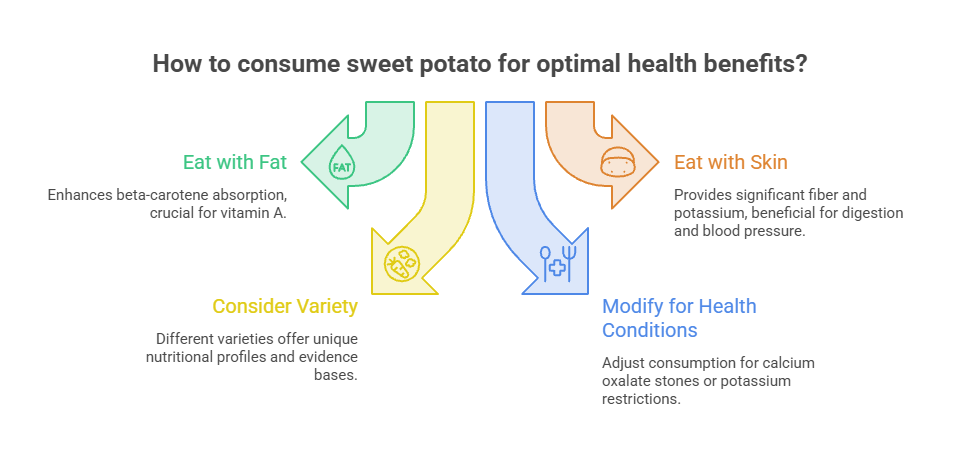
- Eating sweet potato with no fat can cut beta-carotene absorption more than tenfold.
- One cup of baked sweet potato with skin supplies about 6.6 g fiber, 950 mg potassium, and roughly 1,920 mcg RAE of vitamin A.
- Orange, purple, and white varieties have different evidence bases. They are not interchangeable.
- People with calcium oxalate stone history or a potassium restriction need a modified plan, not avoidance.
The nine proven benefits in order:
- Improved vitamin A intake and status
- Lower HbA1c and fasting glucose
- Better insulin sensitivity with favorable shifts in adiponectin and fibrinogen
- Reduced systolic blood pressure from anthocyanin-rich varieties
- Lower triglycerides
- Greater body weight, body fat, and BMI reduction during calorie restriction
- Prebiotic and resistant starch support for gut bacteria
- Improved bowel regularity
- Better non-heme iron absorption
What Sweet Potatoes Actually Are (and Why the Label Misleads)
Sweet potatoes sit next to russets in the produce aisle and in most people’s mental filing system. Botanically, that grouping is wrong in ways that change the nutrition.
Not a potato, and definitely not a yam
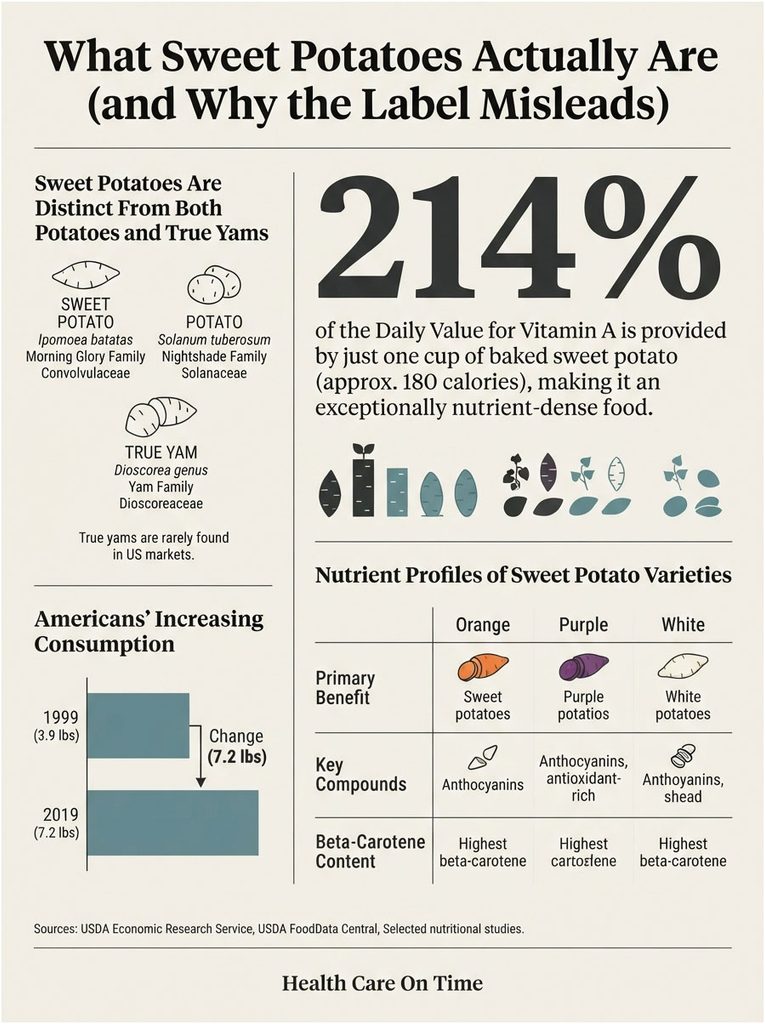
Sweet potato belongs to the morning glory family, Convolvulaceae. White potato belongs to the nightshade family. USDA Agricultural Research Service explains that sweet potatoes are true storage roots while potatoes are tubers, which are modified stems, and that sweet potato leaves are non-toxic and nutrient dense while potato leaves are toxic.
The “yam” signage in American supermarkets is a mid-century marketing holdover. True yams belong to a different genus, run drier and starchier, and rarely reach mainstream US retail.
Americans are eating far more of them than they used to
This is a food that moved from a once-a-year casserole into weekly rotation inside a single generation. USDA Economic Research Service food availability data shows supplies averaged 7.2 pounds per person per year in 2017-19, up from 3.9 pounds in 1997-99.
The retail channel tells the same story more slowly. Sweet potato retail per capita availability rose from 3.78 pounds in 2000 to 5.71 pounds in 2010 and 6.02 pounds in 2020.
Production followed demand. North Carolina growers harvested 86,500 acres in 2024, producing more than $254.5 million worth of sweetpotatoes across roughly 350 commercial farms.
What one cup actually delivers
Using USDA FoodData Central values for sweet potato baked in the skin, one cup of about 200 grams supplies roughly 180 calories, 41 g of carbohydrate, 4 g of protein, and 6.6 g of fiber.
The micronutrient column is where it separates from other starches. Around 1,920 mcg RAE of vitamin A (about 214% of the Daily Value), 950 mg of potassium, and close to 44% of the DV for vitamin C. Manganese, copper, pantothenic acid, and vitamin B6 each clear 30% DV.
Patients booking metabolic panels through HealthCareOnTime often ask which starchy foods carry real micronutrient density rather than empty carbohydrate. Sweet potato is one of the few that clears that bar on paper.
Why “214% Daily Value” is a ceiling, not a delivery
That vitamin A figure describes beta-carotene locked inside plant cell walls. Your body has to release it, package it into fat droplets, absorb it, and enzymatically convert it into retinol.
Every one of those steps loses material. How much you actually get depends on which variety you bought, how you cooked it, and what else was on the plate.
Table 1. Orange vs. Purple vs. White Sweet Potato: What Each One Actually Delivers
| Variety | Signature Compound | Vitamin A (mcg RAE/cup) | Anthocyanin Level | Best-Evidenced Benefit | Human Trial Support |
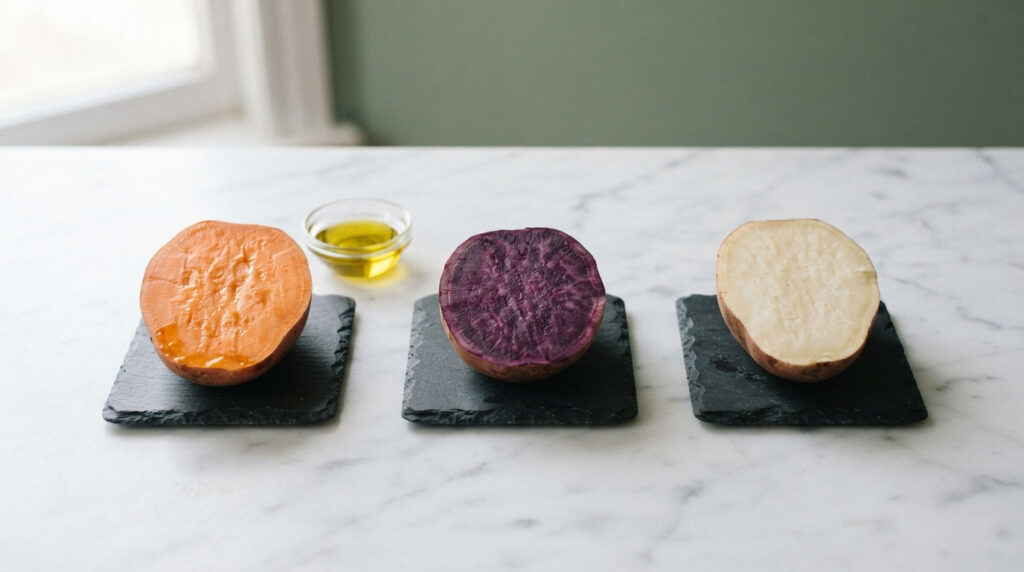
| Orange-fleshed (Beauregard, Covington) | Beta-carotene | ~1,920 | Trace | Vitamin A intake and status | Yes, 8 human trials |
| Purple-fleshed (Stokes Purple, Okinawan) | Peonidin and cyanidin anthocyanins | Under 100 | High, roughly 3x an average blueberry | Systolic blood pressure, liver enzymes | Limited, small open-label and pilot trials |
| White-fleshed (Caiapo source cultivar) | Glycoprotein and phenolic fraction | Near zero | None | HbA1c, insulin sensitivity, body weight | Yes, 4 randomized double-blind extract trials |
| Japanese (purple skin, cream flesh) | Phenolic acids | Low | Low | General antioxidant contribution | None variety-specific |
| Sweet potato leaves | Polyphenols, flavonoids, lutein | High per gram | Moderate | Preclinical antioxidant and anticancer activity | None in humans |
| Canned in syrup or candied | Added sugar dominates | Variable | Trace | None; energy density roughly doubles to ~164 kcal per 100 g | Not applicable |
For the full calorie and macro breakdown by preparation method, see our sweet potato calories guide. The direct comparison against russets sits in our sweet potato vs white potato article.
Benefit 1: Improved Vitamin A Intake and Status
Of all the human research on sweet potato, vitamin A is by far the best-populated category.
What the trials found
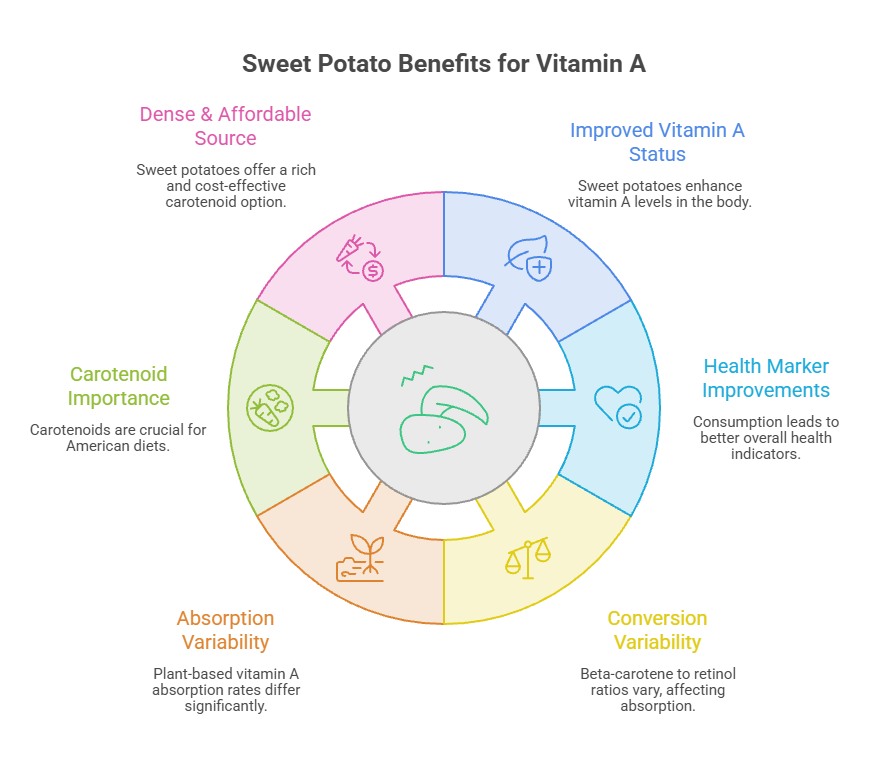
A 2022 systematic review in the Journal of Functional Foods screened human intervention studies and reported that 22 articles met inclusion criteria, with vitamin A intake and status accounting for 8, glycemic and anthropometric markers for 6, hepatic biomarkers for 3, and one study each for blood pressure, iron absorption, constipation, nitrogen balance, and sex hormones.
The pooled conclusion was direct. Sweet potato consumption appears to improve vitamin A status, blood glucose levels, blood pressure, iron absorption, constipation, liver function, and nitrogen balance, alongside a plain statement that the evidence base remains limited and needs longer randomized trials.
The 13-to-1 conversion problem
Here’s what reframes that 214% figure. Beta-carotene does not convert to retinol one for one, and the ratio shifts with the food it arrives in.
A review of human bioconversion studies in the American Journal of Clinical Nutrition reported vitamin A equivalency factors of 6:1 for beta-carotene delivered in oil, 10:1 for beta-carotene in Indian spinach, and 13:1 for beta-carotene in sweet potato.
The variability across studies is wide. Absorption of beta-carotene from plant sources ranges from 5% to 65% in humans, and vitamin A equivalency ratios run from 3.8:1 to 28:1 by weight.
Why US readers should still care
Frank vitamin A deficiency is rare in the United States. That isn’t the reason to eat sweet potatoes.
The reason is carotenoid status, which tracks dietary quality and sits low across most American eating patterns. Orange-fleshed sweet potato is one of the densest, cheapest, most widely stocked carotenoid sources in the US food supply, and it delivers that load in a form people will eat repeatedly without being told to.
The Mistake Almost Everyone Makes: Eating Them Fat-Free
This is the highest-value correction on the whole topic, and it takes two minutes to fix.
The absorption numbers
Researchers put heat-processed orange-fleshed sweet potato through simulated digestion and measured how much beta-carotene reached the micellar phase, the fraction the intestine can take up.
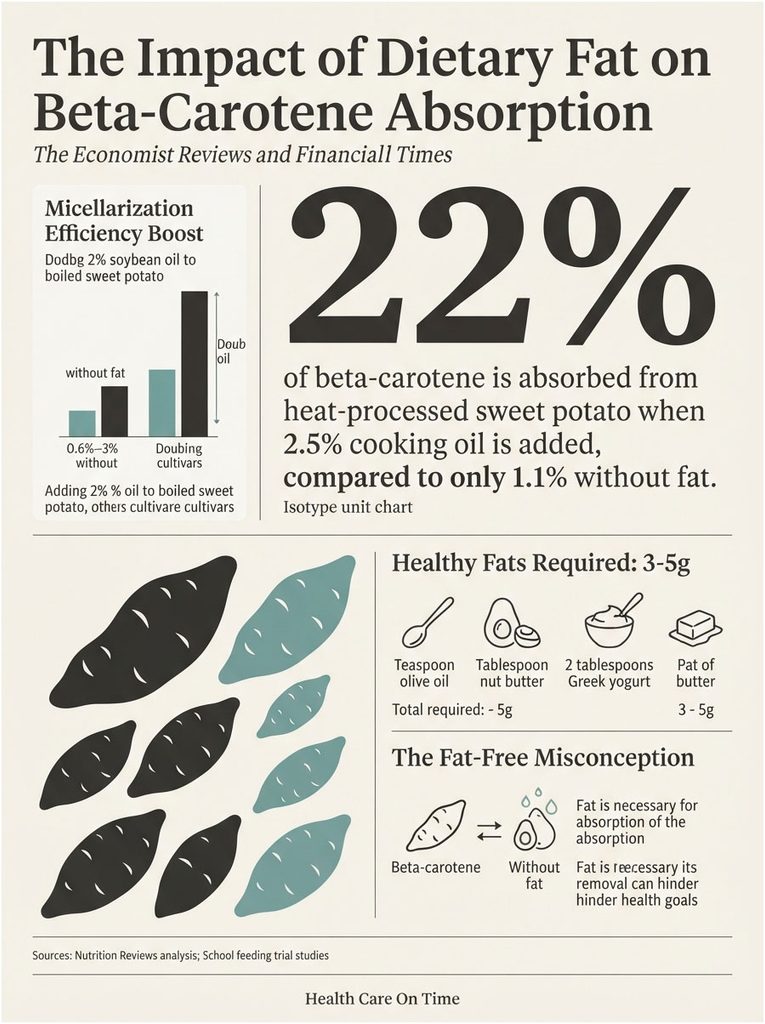
The contrast was stark. Accessible all-trans-beta-carotene in the micellar phase ranged from 0.5% to 1.1% in heat-processed sweet potato without fat, and from 11% to 22% once 2.5% cooking oil was added.
Separate work on eight boiled cultivars pointed the same way. Micellarization efficiency for boiled orange-fleshed sweet potato was only 0.6% to 3%, and adding 2% soybean oil more than doubled the partitioning of all-trans-beta-carotene into the micelle fraction across every cultivar tested.
How much fat is enough
Less than most people assume. A Nutrition Reviews analysis of serum beta-carotene and retinol responses concluded that the amount of fat required in a meal may be minimal, roughly 3 to 5 grams, while flagging that long-term dose-response data in humans is still missing.
Field research supports that low threshold. In a school feeding trial, sunflower seed oil added to orange-fleshed sweet potato, together with the fat already present in the school meal, provided at least 3 g of fat, around the level identified as needed for maximum carotenoid absorption.
What that looks like on a plate
Three to five grams of fat is one teaspoon of olive oil. A quarter of an avocado. A tablespoon of nut butter. Two tablespoons of full-fat Greek yogurt. One pat of butter.
Our medical reviewers note this comes up constantly with people who stripped all visible fat from their vegetable sides after a lipid panel result. Removing fat from a carotenoid-dense meal is one of the few places where a well-meant change works against you.
Benefit 2: Lower HbA1c and Fasting Glucose
This is the claim repeated most often and sourced least often. Real trial evidence exists, and it comes with limitations that honest coverage has to state up front.
What the Caiapo trials measured
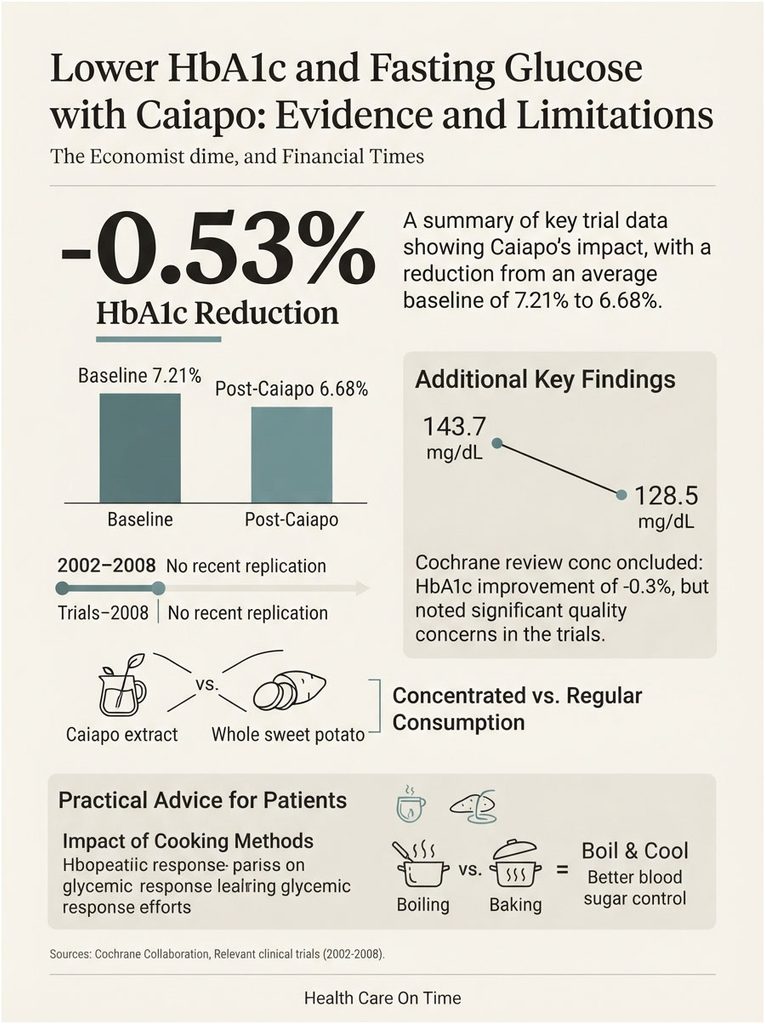
Caiapo is a standardized extract of white-skinned sweet potato. In a randomized trial published in Diabetes Care, 61 diet-treated patients with type 2 diabetes received 4 g of Caiapo or placebo once daily for 12 weeks, and HbA1c fell significantly from 7.21% to 6.68% in the treatment group while remaining unchanged in the placebo group.
Glucose measures moved with it. Fasting blood glucose dropped from 143.7 mg/dL to 128.5 mg/dL in the Caiapo group with no significant change in placebo, and two-hour glucose fell from 193.3 mg/dL to 162.8 mg/dL against a much smaller placebo shift.
What Cochrane concluded, caveats included
A Cochrane review pooled the randomized evidence and found a statistically significant HbA1c improvement at three to five months with 4 g/day of sweet potato preparation versus placebo, a mean difference of -0.3% (95% CI -0.6 to -0.04, P = 0.02) across 122 participants in 2 trials.
The same review was blunt about quality. Three RCTs covering 140 participants ran from six weeks to five months, all three were performed by the same trialist, and overall risk of bias was rated unclear or high.
A 0.3 percentage point drop is meaningful but modest, a fraction of what a first-line medication delivers. Anyone reading this as a substitute for diabetes treatment has read it wrong.
Why the evidence stops in 2008
You’ll notice these trials are old. That’s worth naming rather than hiding.
The Caiapo series ran from 2002 to 2008 under a single research group, and no larger independent replication has followed. Nutraceutical research without a patent behind it rarely attracts phase 3 funding, which is why the field stalled rather than progressed.
That doesn’t invalidate the findings. It does mean they should be read as promising early evidence, not as settled science.
The extract-versus-vegetable distinction nobody makes
This gets skipped on every page currently ranking. The trials did not feed people baked sweet potatoes.
Drug monograph data records the studied protocol as 4 g/day of Caiapo tablets for three to five months, with each tablet containing either 168 mg or 336 mg of powdered white-skinned sweet potato. That is a concentrated preparation of a specific white cultivar, not the orange root in your cart.
Cooking method beats variety for glycemic response
The glycemic index of sweet potato is not a fixed number. Boiling produces the lowest values, while baking and roasting push it far higher, because dry heat gelatinizes starch more completely.
Published cultivar data puts boiled sweet potato in the 40s to low 50s and baked or roasted preparations in the 80s to low 90s. A 2021 research review summarized sweet potato as having a moderately high glycemic index of around 65, an average that conceals how much spread sits inside it.
If blood sugar is your reason for eating them, boil and cool rather than bake. Patients tracking postprandial glucose with us often find that single swap does more than changing the vegetable.
Benefit 3: Better Insulin Sensitivity and Inflammatory Markers
A five-month follow-up trial went past glucose numbers and into mechanism, which is where the more interesting findings sit.
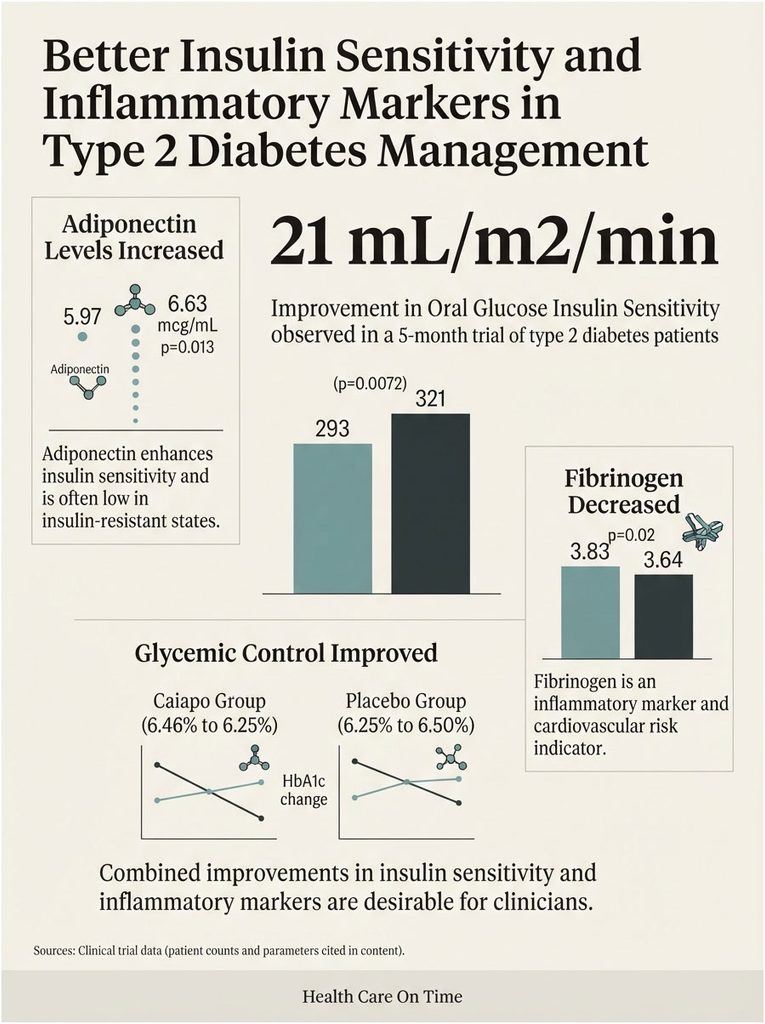
Twenty-seven patients with type 2 diabetes on 4 g of Caiapo daily for five months, against 34 on placebo, showed oral glucose insulin sensitivity rising from 293 to 321 mL/m2/min (p = 0.0072), adiponectin rising from 5.97 to 6.63 mcg/mL (p = 0.013), fibrinogen falling from 3.83 to 3.64 mg/mL (p = 0.02), and HbA1c improving from 6.46% to 6.25% (p = 0.008), while the placebo group’s HbA1c rose from 6.25% to 6.50%.
Adiponectin is a hormone secreted by fat tissue that improves insulin sensitivity and generally runs low in insulin-resistant states. Fibrinogen is a clotting protein that doubles as an inflammatory marker and a cardiovascular risk indicator.
Moving both in the favorable direction at once is what the authors described as behavior consistent with a natural insulin sensitizer with potential antiatherogenic properties. Across the metabolic panels reviewed by our team, that pairing of improved insulin sensitivity with lower inflammatory markers is the combination clinicians actually want to see.
Benefit 4: Reduced Systolic Blood Pressure
Potassium against the American sodium load
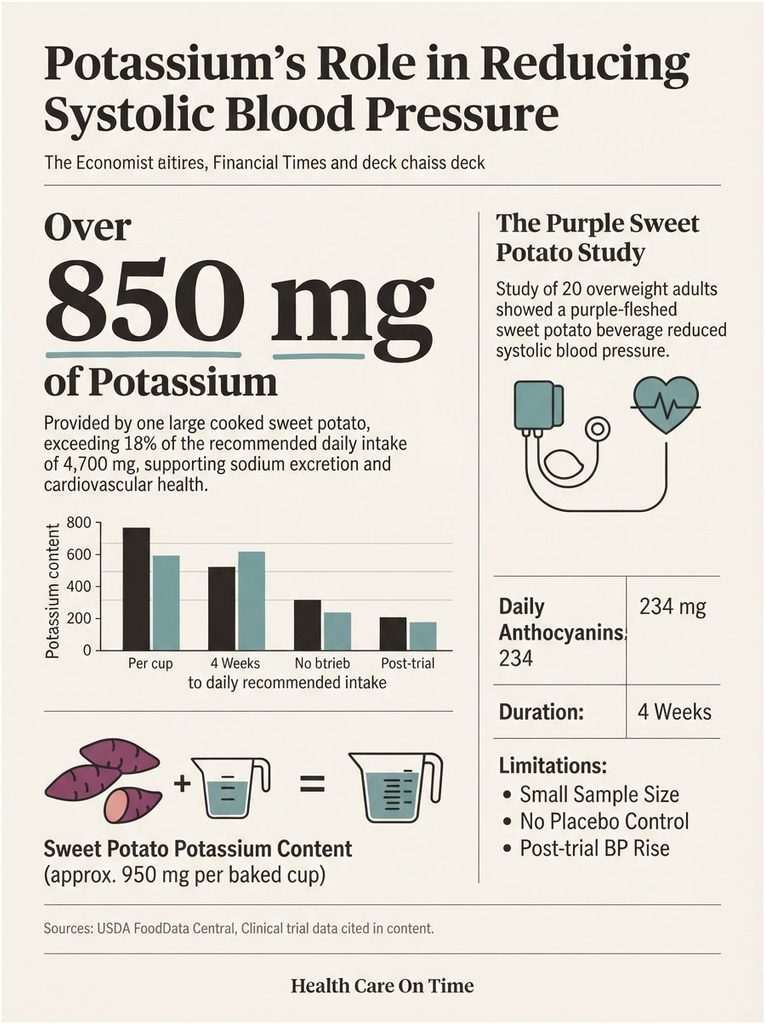
At roughly 950 mg per baked cup, sweet potato ranks among the better potassium sources in the produce aisle, against an adequate intake of 4,700 mg for adults. One large cooked sweet potato with skin carries more than 850 mg of potassium, over 18% of the recommended daily amount.
Potassium supports sodium excretion and vascular tone. For most American adults, whose sodium runs high and potassium runs low, correcting that ratio is where the cardiovascular value sits.
What the one blood pressure trial actually showed
Purple-fleshed varieties have exactly one human blood pressure study, and it deserves careful reporting. In an open-label four-week study of 20 overweight adults, daily intake of a 250 mL purple-fleshed sweet potato beverage supplying 234 mg of anthocyanins significantly reduced systolic blood pressure without affecting safety parameters.
Now the limitations, which enthusiastic coverage tends to drop. A sample of only 20 people is hard to generalize from, the study had no placebo control group, and blood pressure measured two weeks after the trial ended was significantly higher than during the intervention.
Read that as a signal worth watching, not a proven antihypertensive effect. Across the wider anthocyanin literature, a review of 66 human intervention trials found blood pressure effects less consistent than the antioxidant and lipid-lowering effects, with mixed results across studies.
Benefit 5: Lower Triglycerides
The soluble fiber mechanism is well established. Viscous fiber binds bile acids in the gut, the liver pulls circulating cholesterol to replace them, and LDL drifts down over time.
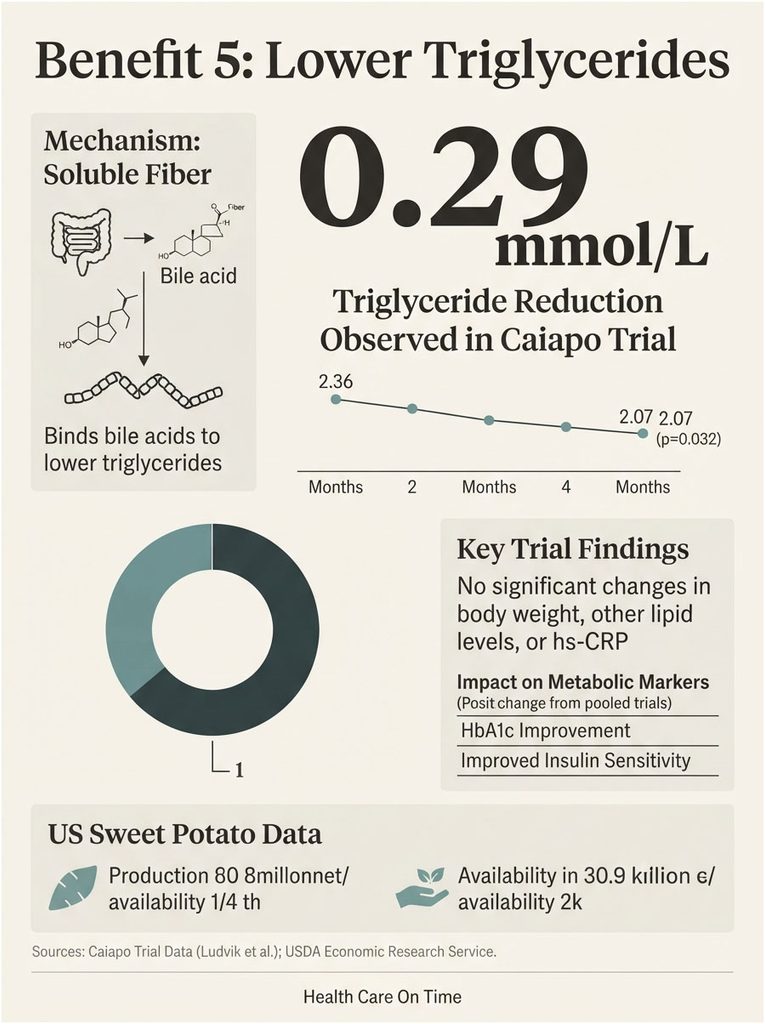
The trial data adds a specific triglyceride signal. In the five-month Caiapo trial, triglycerides fell from 2.36 to 2.07 mmol/L (p = 0.032), while body weight, other lipid levels, and hs-CRP were not altered.
That selectivity is worth noticing. It suggests the effect runs through carbohydrate handling and insulin sensitivity rather than through fat metabolism directly.
Across the lipid panels processed through HealthCareOnTime, the pattern our reviewers see is consistent with the literature: single-food dietary changes move triglycerides more readily than they move LDL.
Table 2. Sweet Potatoes by the Numbers: US Data and Trial Results
| Metric | Figure | Population or Sample | Source |
| US per capita availability | 7.2 lb per year (2017-19) vs 3.9 lb (1997-99) | US national supply | USDA Economic Research Service |
| Retail per capita availability | 3.78 lb (2000) to 6.02 lb (2020) | US retail channel | USDA ERS |
| North Carolina production | 86,500 acres, over $254.5 million, ~350 growers | 2024 crop year | NC Sweetpotato Commission, USDA NASS |
| HbA1c change, pooled | -0.3 percentage points (95% CI -0.6 to -0.04) | 122 participants, 2 RCTs | Cochrane Library (Ooi 2012) |
| HbA1c change, single trial | 7.21% to 6.68% over 12 weeks | 61 adults with type 2 diabetes | Diabetes Care (Ludvik 2004) |
| Insulin sensitivity (OGIS) | 293 to 321 mL/m2/min (p = 0.0072) | 27 adults, 5 months | Diabetes Obes Metab (Ludvik 2008) |
| Body weight change | -5% at 8 weeks with meal replacement | 58 overweight office workers | Nutrients (Shih 2019) |
| Beta-carotene micellization | 0.5-1.1% without fat vs 11-22% with 2.5% oil | In vitro digestion, heat-processed OFSP | J. Agric. Food Chem. |
Benefit 6: Body Weight, Body Fat, and BMI
A randomized controlled trial tested white sweet potato as a portion-controlled meal replacement in office workers. Fifty-eight participants consumed either two packs daily totaling 132 g of white sweet potato, or their normal diet, for eight weeks.
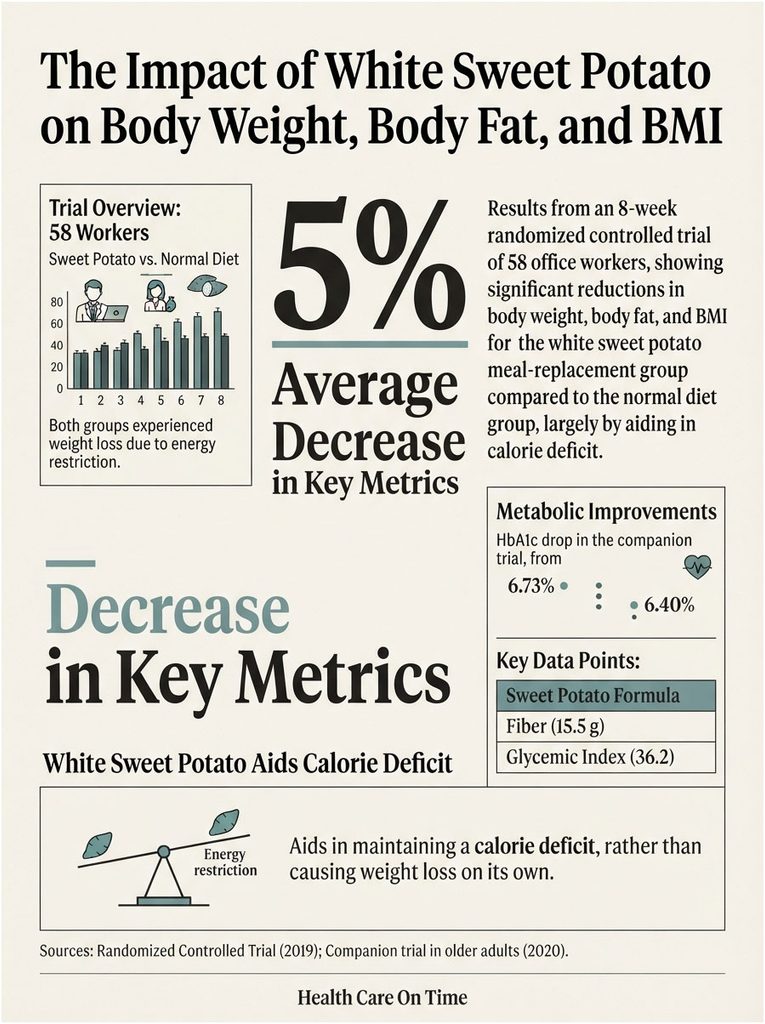
Both groups lost weight, since both followed an energy-restricted plan, but the sweet potato arm moved further. The sweet potato group showed a 5% decrease in body weight, body fat, body mass index, and mid-arm circumference, along with a 3.5% decrease in glycated hemoglobin.
The formula’s composition explains part of that. It supplied 15.5 g of fiber at an average glycemic index of 36.2, and the treatment was well tolerated with no serious side effects detected.
A companion trial in frail older adults used a sweet potato enteral formula and found HbA1c dropping from 6.73% to 6.40%, with improvements in body weight, BMI, nutrition scores, HDL cholesterol, transferrin, and vitamin A levels, and no significant gastrointestinal issues.
Neither trial suggests sweet potato causes weight loss on its own. The calorie deficit does that work. What the data supports is that a low-glycemic, high-fiber carbohydrate makes a deficit easier to hold.
Benefits 7 and 8: Gut Bacteria and Bowel Regularity
Two fiber types, two jobs
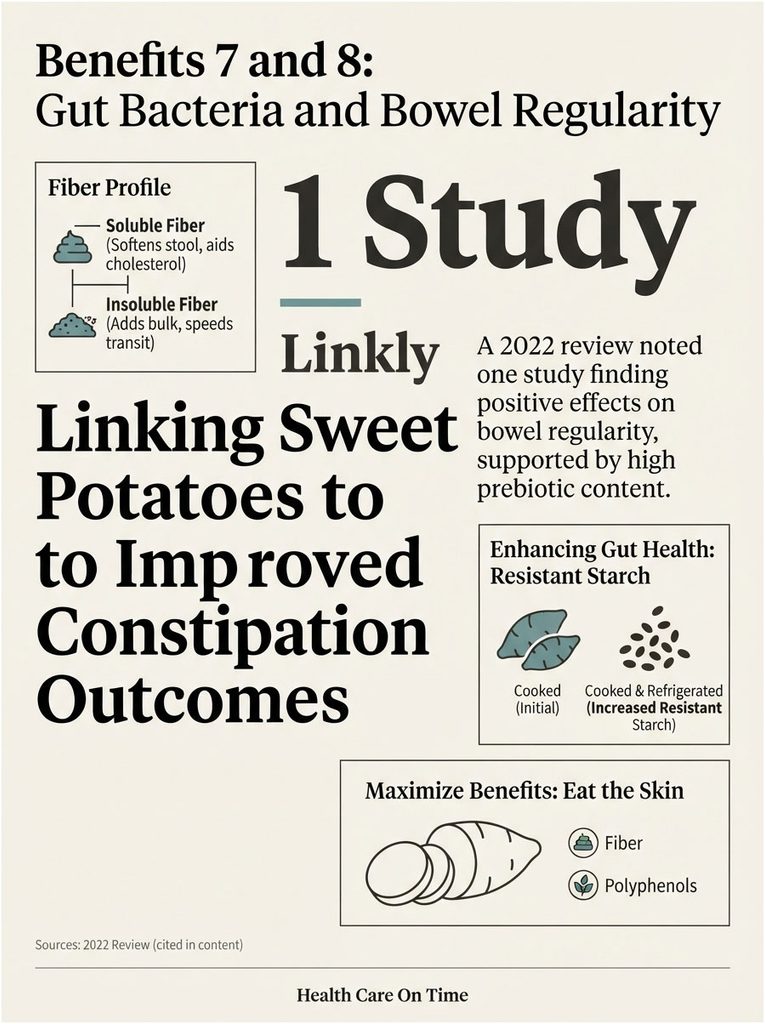
Sweet potato carries both. About 6 grams of fiber sits in one cup of cooked sweet potato, roughly 21% of the recommended daily intake, split between soluble fiber that lowers cholesterol and balances glucose and insoluble fiber that keeps bowels regular.
Soluble fiber absorbs water and softens stool. Insoluble fiber adds bulk and speeds transit. Most foods lean heavily one way. Sweet potato brings a workable mix.
The prebiotic layer
This is separate from fiber and gets far less attention than it deserves. Sweet potatoes are rich in prebiotics including oligosaccharides and resistant starch, dietary fibers that help beneficial gut bacteria grow.
Colonic bacteria ferment those compounds into short-chain fatty acids, which feed the cells lining your intestine and support barrier function.
Resistant starch, and the trick that doubles it
Preparation pays off twice here. Cooking and then refrigerating sweet potatoes increases their resistant starch content, because cooled starch molecules reform into a structure digestive enzymes can’t easily break down.
That means the same food delivers a lower glycemic hit and more gut fuel, purely as a function of how you store it.
The constipation trial nobody cites
The 2022 systematic review counted one dedicated constipation study among its 22 trials, reporting improvements in both stool frequency and defecation satisfaction.
One trial is not a body of evidence. It is still one more trial than any page currently ranking mentions.
Why the skin matters
Fiber and polyphenols concentrate in and just beneath the peel. Eating a sweet potato skinless costs a meaningful share of both.
That advice carries one exception, covered further down.
Benefit 9: Better Non-Heme Iron Absorption
The systematic review’s single iron absorption trial found improved uptake, and the mechanism is straightforward.
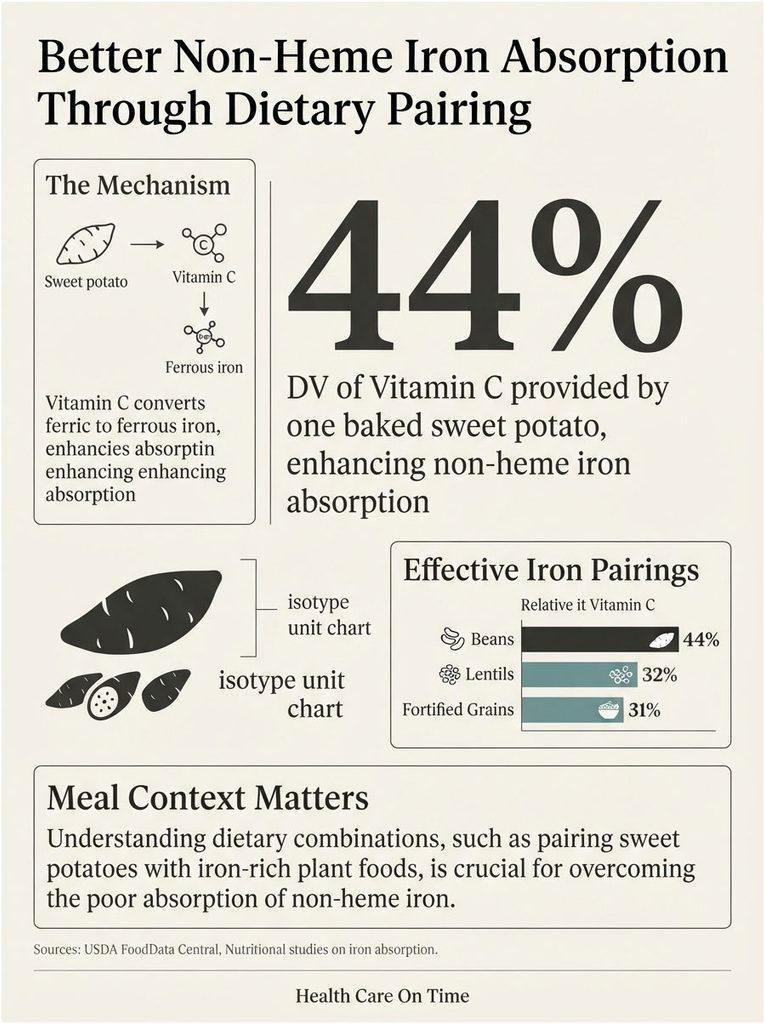
Plant-source iron is non-heme iron, which the body absorbs poorly on its own. Vitamin C in the same meal converts ferric iron to the more absorbable ferrous form, raising uptake substantially.
Sweet potato brings both the vitamin C and the meal context. At around 44% DV of vitamin C per baked cup, it functions as an absorption enhancer for whatever iron sits alongside it, whether that is beans, lentils, or fortified grain.
People reviewing iron studies and ferritin results with us frequently focus on how much iron a food contains and overlook what is eaten with it. Pairing usually matters more than sourcing.
What’s Promising But Not Yet Proven
Separating these from the nine above is the honest thing to do, and it’s the section that separates this page from the ones currently ranking.
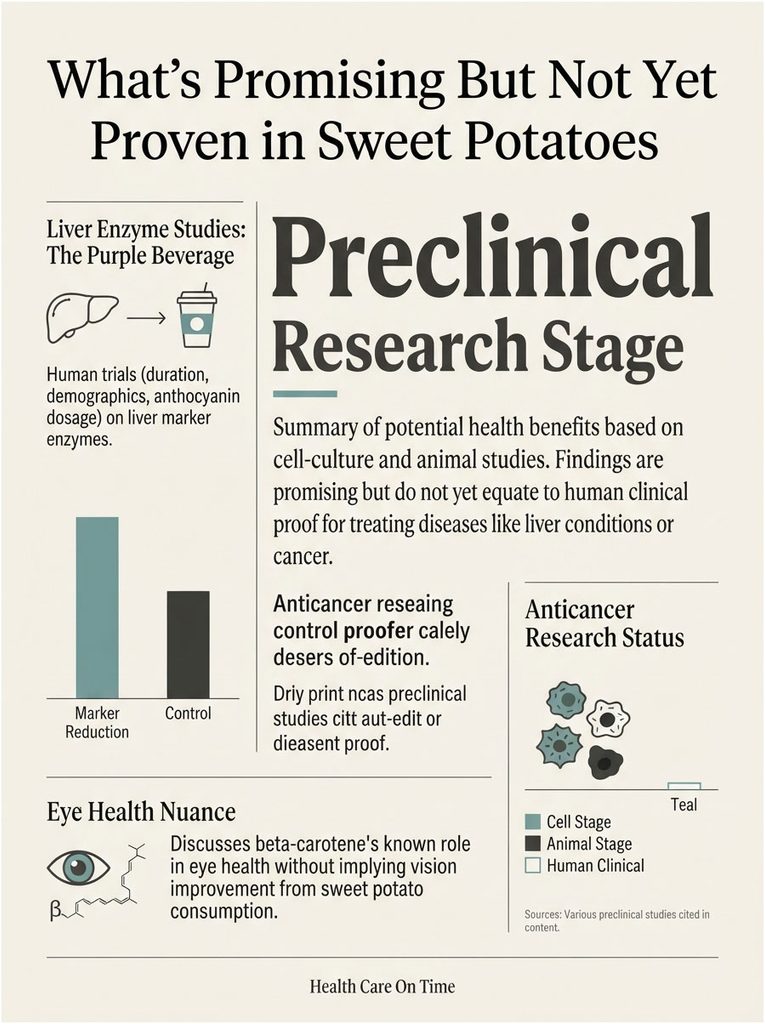
Liver enzyme markers
Three human trials in the systematic review examined liver enzymes, all using purple sweet potato beverages in people with already-elevated markers. One ran eight weeks in 40 adults with borderline hepatitis at 531 mg of anthocyanins daily; another ran twelve weeks in 48 men with borderline hepatitis at 400.6 mg daily.
These are biomarker studies in selected populations at anthocyanin doses well above a normal serving. They are not evidence that sweet potato treats liver disease.
Antioxidants, cancer, and eye health
Sweet potato carries carotenoids, phenolic acids, and, in purple varieties, substantial anthocyanins. Purple sweet potatoes contain roughly three times more anthocyanins than the average blueberry.
A published review of the phytochemistry describes sweet potato as a source of dietary carotenoids and polysaccharides with antioxidant, anti-inflammatory, and hepatoprotective activity, cardiovascular protection, anticancer properties, and effects on neurological and memory capacity, metabolic disorders, and intestinal barrier function.
That list reads impressively and needs a qualifier attached: most of it sits at the cell-culture and animal stage. The anticancer work in particular is extensive and entirely preclinical, including a 2025 systematic review of 38 studies on sweet potato leaves identifying apoptosis induction, cell-cycle arrest, and suppression of angiogenesis across liver, colon, breast, lung, and prostate cancer models, while noting significant remaining gaps.
Eye health follows the same pattern. Beta-carotene converts to retinol, retinol is required for the visual cycle, and vitamin A deficiency causes night blindness. None of that means eating more sweet potato improves vision in someone already replete.
The Honest Downsides: Oxalates, Portions, and Who Should Be Careful
Every food praised this widely deserves a section like this. Our medical team fields these questions regularly, and the answers are less absolute than the internet suggests.
The oxalate numbers are genuinely contested
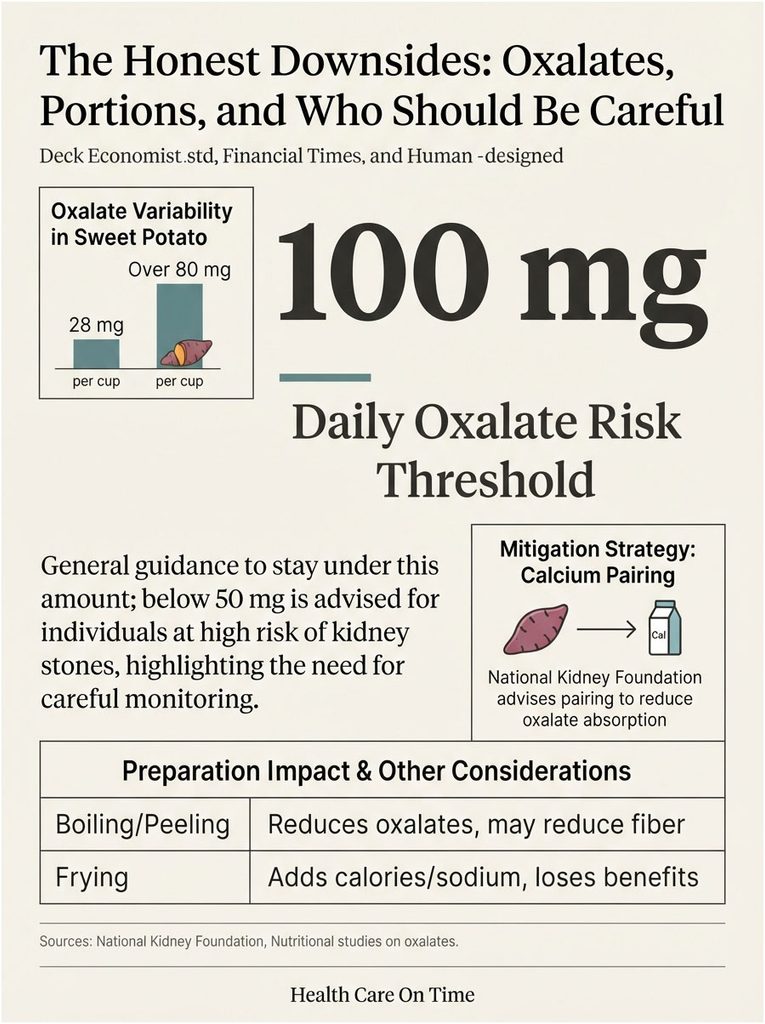
Here is the actual state of play. The Harvard-derived oxalate list used by many kidney stone clinicians puts one cup of sweet potato at 28 mg of oxalate, though the same list labels it “very high,” which pushes people to eliminate it entirely.
Other analytical databases report considerably higher figures for comparable portions, and some soluble-oxalate measurements per 100 g run into the 80s. That spread reflects real differences in cultivar, analytical method, and whether soluble or total oxalate was measured.
Clinical targets give you a frame. People at risk of kidney stones are generally advised to stay under 100 mg of oxalate per day, and those at very high risk under 50 mg.
What the National Kidney Foundation actually advises
The guidance is not “avoid oxalate foods.” It is more specific and more useful.
Eat calcium-containing foods such as milk, yogurt, and cheese together with oxalate-rich foods during the same meal, so oxalate and calcium bind in the stomach and intestines before reaching the kidneys. Do not cut dietary calcium; cut sodium instead, and aim for 1,000 to 1,200 mg of calcium per day.
Boiling helps as well, since oxalate is water soluble and some leaches into cooking water you discard. Peeling removes more, at the cost of the fiber discussed earlier.
Patients booking kidney function panels through us often arrive having eliminated a dozen healthy foods after one stone. That approach usually costs more nutritionally than it gains.
Potassium and advanced kidney disease
The potassium that helps most people becomes a liability in stage 4 or 5 chronic kidney disease, or under any prescribed potassium restriction. Half a cup of cooked sweet potato contains around 475 mg of potassium, placing it firmly in the high-potassium category.
This is a nephrologist conversation, not a self-managed decision.
Sweet potato fries are not sweet potatoes
Deep frying adds fat that genuinely does help carotenoid absorption, which is the one honest point in their favor.
It also adds several hundred calories, substantial sodium, and a cooking method that erases most of the glycemic advantage. Restaurant sweet potato fries belong in the treat category alongside regular fries.
Table 3. Your Situation, Your Sweet Potato Plan
| If This Describes You | What Matters Most | Recommended Action | What to Skip |
| Managing type 2 diabetes or prediabetes | Glycemic response, not variety | Boil and cool; keep portions near 130-150 g; pair with protein and fat | Large baked or roasted solo portions; sweet potato fries |
| Working on weight loss | Satiety per calorie | Use as the starch quarter of the plate, skin on, with a fat source | Candied or syrup-packed canned versions at ~164 kcal per 100 g |
| History of calcium oxalate kidney stones | Total daily oxalate load and calcium timing | Boil and discard water; pair with a calcium source in the same meal; one serving at a time | Daily large servings; stacking with spinach, almonds, or beets in one meal |
| Advanced CKD or potassium restriction | Potassium ceiling | Discuss portions with your nephrologist first; double-boil to reduce potassium | Assuming “healthy vegetable” means unrestricted |
| Low carotenoid intake or eye health focus | Absorption, not content | Orange-fleshed variety with 3-5 g of fat in the same meal | Fat-free preparations; plain steaming with nothing added |
| Chronic constipation | Fiber type and total volume | Eat the skin; increase gradually alongside more fluid | Sudden large fiber jumps that trigger gas and bloating |
| Athlete or high training volume | Carbohydrate quality and micronutrients | Rotate with other starches rather than eating multiple servings daily | Five-a-day sweet potato habits that push oxalate load high |
How to Get the Most Out of Them
Cook, cool, then reheat
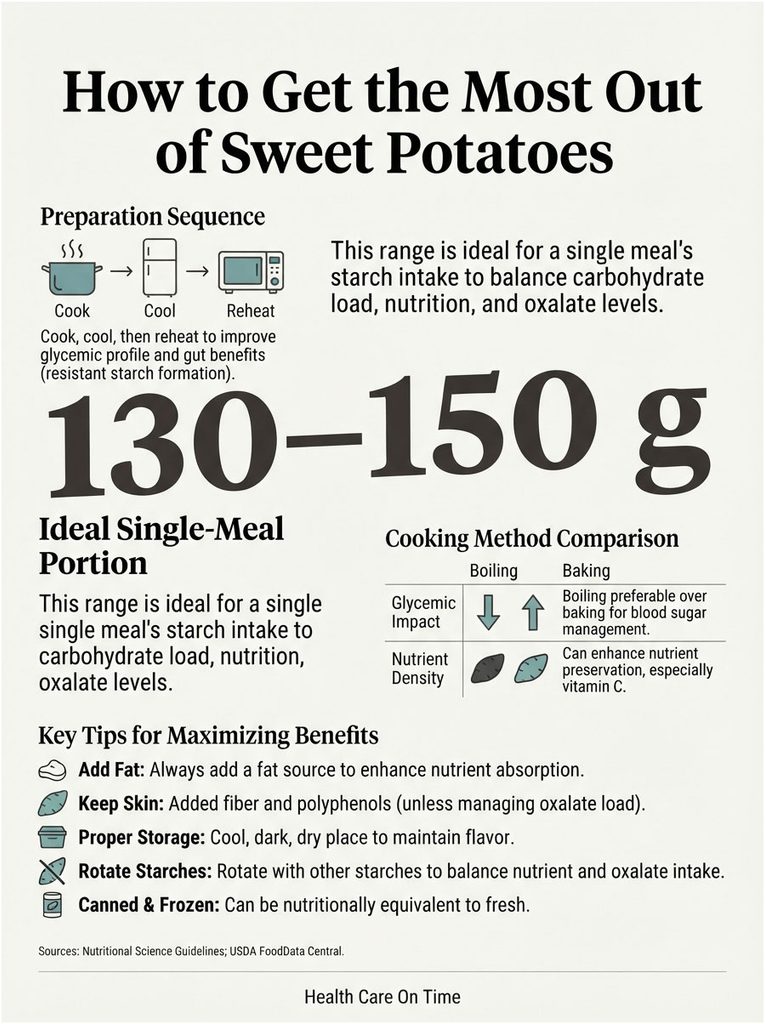
Cooking gelatinizes starch. Cooling reforms part of it into resistant starch that behaves more like fiber than sugar. Reheating retains a good share of that change.
Cook a batch on Sunday, refrigerate, and use it through the week. It’s the rare kitchen habit that improves the glycemic profile and the gut benefit simultaneously.
Always add a fat source
By now this should be automatic. Olive oil, avocado oil, tahini, nuts, seeds, cheese, or full-fat yogurt.
Cleveland Clinic’s dietitians suggest extra virgin olive oil or avocado oil rather than butter, and adding cinnamon, clove, or nutmeg for flavor in place of extra sodium.
Keep the skin unless you’re stone-prone
Skin on for fiber and polyphenols. Skin off if you’re actively managing oxalate load. Scrub thoroughly either way.
Store them wrong and you lose the flavor
This one surprises people. Sweet potatoes should never be refrigerated unless already cooked, because temperatures below 55 degrees Fahrenheit damage quality and destroy flavor, turning them bitter.
A cool, dark, dry pantry shelf is correct. The refrigerator is not.
Portion anchor
Roughly one medium-to-large sweet potato, about 130 to 150 grams, works as a single meal’s starch, following the plate method of one-fourth starch, one-fourth lean protein, and half non-starchy vegetables.
Rotate them with other starches rather than eating them daily. Variety spreads the nutrient benefit and the oxalate load alike.
Frequently Asked Questions
How many sweet potatoes can you eat in a day?
For most healthy adults, one serving of about 130 to 150 grams daily fits comfortably. Larger daily portions push oxalate intake toward the 100 mg ceiling used in stone prevention. Rotating sweet potato with other starches spreads both the nutrients and the oxalate load more sensibly across the week.
Are sweet potatoes good for people with diabetes?
They can fit well under two conditions. Boil rather than bake, since cooking method swings the glycemic index by 40 points or more, and control the portion. The trial evidence showing HbA1c improvement used a concentrated white sweet potato extract at 4 g daily, not a baked root vegetable.
Do you really need fat to absorb sweet potato vitamin A?
Yes, and the effect size is large. In vitro digestion showed accessible beta-carotene rising from under 1.1% without fat to as high as 22% once a small amount of cooking oil was added. Roughly 3 to 5 grams of fat in the same meal, about one teaspoon of olive oil, appears sufficient.
Are boiled or baked sweet potatoes better?
Boiled wins for blood sugar. Dry heat gelatinizes starch more completely, pushing baked and roasted preparations into the 80s and low 90s on the glycemic index while boiled versions stay in the 40s and low 50s. Baking also concentrates sugars and calories through moisture loss.
Should you eat the sweet potato skin?
For most people, yes. Fiber and polyphenols concentrate in and just beneath the peel, so removing it costs a meaningful share of both. The exception is anyone actively managing calcium oxalate stone risk, since oxalate concentrates there too. Scrub well before cooking either way.
Do sweet potatoes cause kidney stones?
They contribute oxalate, which matters only if you form calcium oxalate stones. The practical fix is not elimination. Pair sweet potato with a calcium source in the same meal so oxalate binds in the gut, boil and discard the water, cut sodium, and keep dietary calcium at 1,000 to 1,200 mg daily.
Are purple sweet potatoes healthier than orange ones?
They’re different, not better. Purple varieties carry roughly three times the anthocyanins of an average blueberry, with small human trials on blood pressure and liver enzymes. Orange varieties carry far more beta-carotene and hold the stronger vitamin A evidence. Eating both covers more ground than choosing one.
Do sweet potatoes have more potassium than bananas?
Per cup, yes. A cup of baked sweet potato supplies around 950 mg of potassium against roughly 400 mg in a medium banana. That comparison flatters sweet potato somewhat, since a cup is a larger portion than one banana, but the density advantage is real.
Are sweet potato fries a healthy choice?
Not meaningfully healthier than regular fries. Deep frying adds fat that does improve carotenoid absorption, a genuine point in their favor, but it also adds several hundred calories and heavy sodium while erasing most of the glycemic advantage. Treat them as a treat.
Can sweet potatoes help you lose weight?
Indirectly, through satiety and fiber. A randomized trial using white sweet potato as a meal replacement found a 5% reduction in body weight, body fat, and BMI over eight weeks, with the formula supplying 15.5 grams of fiber at a low glycemic index. The calorie deficit still does the work.
Do sweet potatoes help with constipation?
The systematic review counted one dedicated constipation trial reporting improved frequency and satisfaction. The mechanism is sound: insoluble fiber adds bulk while soluble fiber softens stool. Increase intake gradually and raise fluid alongside it, since sudden fiber jumps commonly cause gas and bloating.
Are canned or frozen sweet potatoes as good as fresh?
Plain frozen is close to nutritionally equivalent and often more convenient. Canned depends entirely on the packing medium. Plain or water-packed retains most of the value, while syrup-packed and candied versions roughly double energy density to around 164 calories per 100 grams, with added sugar driving that increase.
Medical Disclaimer
This article provides general information and does not replace advice from a licensed healthcare provider. The clinical trials described used standardized sweet potato extracts at specific doses, not ordinary servings of the vegetable, and their results should not be read as evidence that eating sweet potatoes treats any condition. Anyone taking glucose-lowering medication, managing chronic kidney disease, following a potassium or oxalate restriction, or with a history of kidney stones should speak with their physician or registered dietitian before making significant dietary changes. Laboratory results should be interpreted by a qualified clinician.
References
- USDA FoodData Central — nutrient composition of raw, baked, and boiled sweet potato
- USDA Economic Research Service, Food Availability Data System — US per capita sweet potato availability
- USDA Agricultural Research Service, sweetpotato research — botany and carotenoid content
- Nutrition-related health outcomes of sweet potato consumption: a systematic review — Journal of Functional Foods, 22 human intervention trials
- Efficacy of Ipomoea batatas (Caiapo) on diabetes control — Diabetes Care, Ludvik et al. 2004
- Improved metabolic control by Ipomoea batatas (Caiapo) — Diabetes, Obesity and Metabolism, Ludvik et al. 2008
- Sweet potato for type 2 diabetes mellitus — Cochrane Database of Systematic Reviews
- White sweet potato as meal replacement for overweight white-collar workers — Nutrients, randomized controlled trial
- Evaluation of white sweet potato tube-feeding formula in elderly diabetic patients — Nutrition & Metabolism
- In vitro bioaccessibility of beta-carotene from heat-processed orange-fleshed sweet potato — Journal of Agricultural and Food Chemistry
- Influence of dietary fat on beta-carotene absorption and bioconversion into vitamin A — Nutrition Reviews
- Bioconversion of dietary provitamin A carotenoids to vitamin A in humans — American Journal of Clinical Nutrition
- Sweet potato phytochemical constituents, biological activities, and effects of processing — PMC review
- Anticancer mechanisms of bioactive compounds from sweet potato leaves — Foods, systematic review
- Potential factors influencing the effects of anthocyanins on blood pressure regulation in humans — Nutrients
- Kidney stone diet plan and prevention — National Kidney Foundation
- Foods high in oxalates — oxalate intake thresholds
- Sweet potato benefits — Cleveland Clinic portion and preparation guidance
- Farm facts: sweetpotatoes — North Carolina Sweetpotato Commission and USDA NASS